


It’s starting to feel like modern vehicles aren’t just suffering from poor/overcomplicated engineering. Rather, it’s starting to feel like they’re being sabotaged… intentionally. As if a bunch of executives & investors gathered around a conference table and said, “How can we make vehicles that trap the consumer.” Are modern cars built to fail?
The amount of tech stuffed into new vehicles…
Has become software & sensor overload. No one ever said, “Hey, you know what my car needs? An enormous tablet glued to the dash… one that controls absolutely everything & freezes randomly.”It’s not good automotive design, it’s not good engineering, it IS distracting, and it’s absolutely unsafe. Yet here we are. The automotive industry has lost the plot, and abandoned its own charisma.

WTF happened to modern engines…
In short time, modern engines have become grossly overcomplicated, with skyrocketing unreliability, recalls, and repair costs. We didn’t ask for this. It’s been forced onto the customer. An EV tends to have lower maintenance, until it does… and then it’s virtually written off. Meanwhile internal combustion engines have transitioned to small displacement engines in heavy vehicles that need to use turbochargers to make any sort of power. That’s government regulation at work. But what all our regulations don’t consider is: Turbos add heat… and heat destroys engines. Especially when it’s being overworked. In something like a sports car, a turbocharger adds to the experience. But in a larger crossover/SUV/truck… what are we doing here?
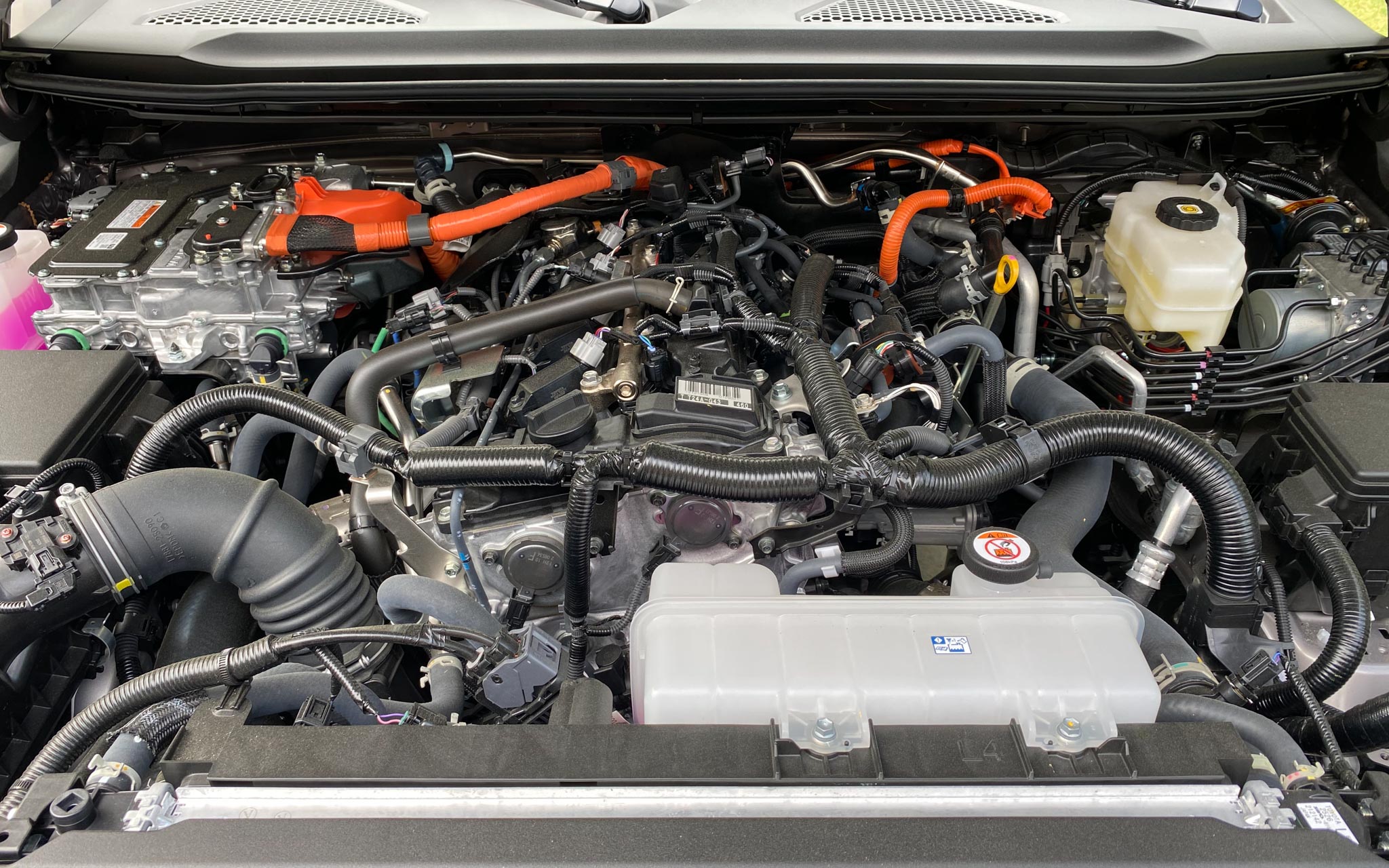
The brand new Toyota 4Runner…
Gets virtually THE SAME MPG as the previous generation 4Runner. Except now it uses a smaller 4-cylinder + a turbocharger + a hybrid to achieve it. A 4-cylinder… in a 5,000lb SUV… with a turbo… plus a battery… plus an electric motor… and required software between all of it. Whereas the last generation used a V6 – period. So tell me… what’s happening? It doesn’t save the environment if it doesn’t last. Yes – the new 4Runner is quicker. But Toyota buyers want reliability, longevity, simplicity, and resale value.
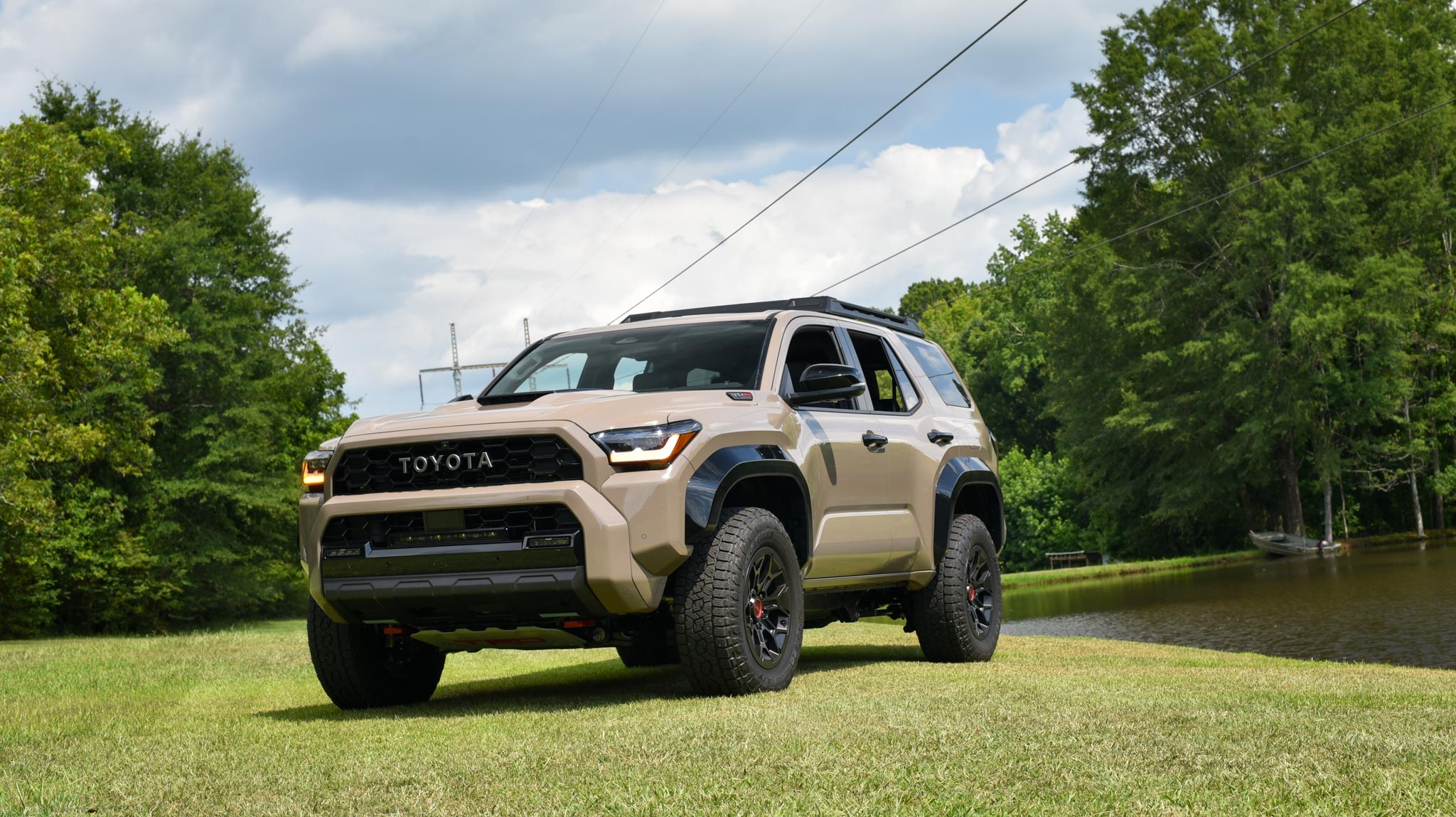
So ask yourself, in that new vehicle you love, what’s under the hood?
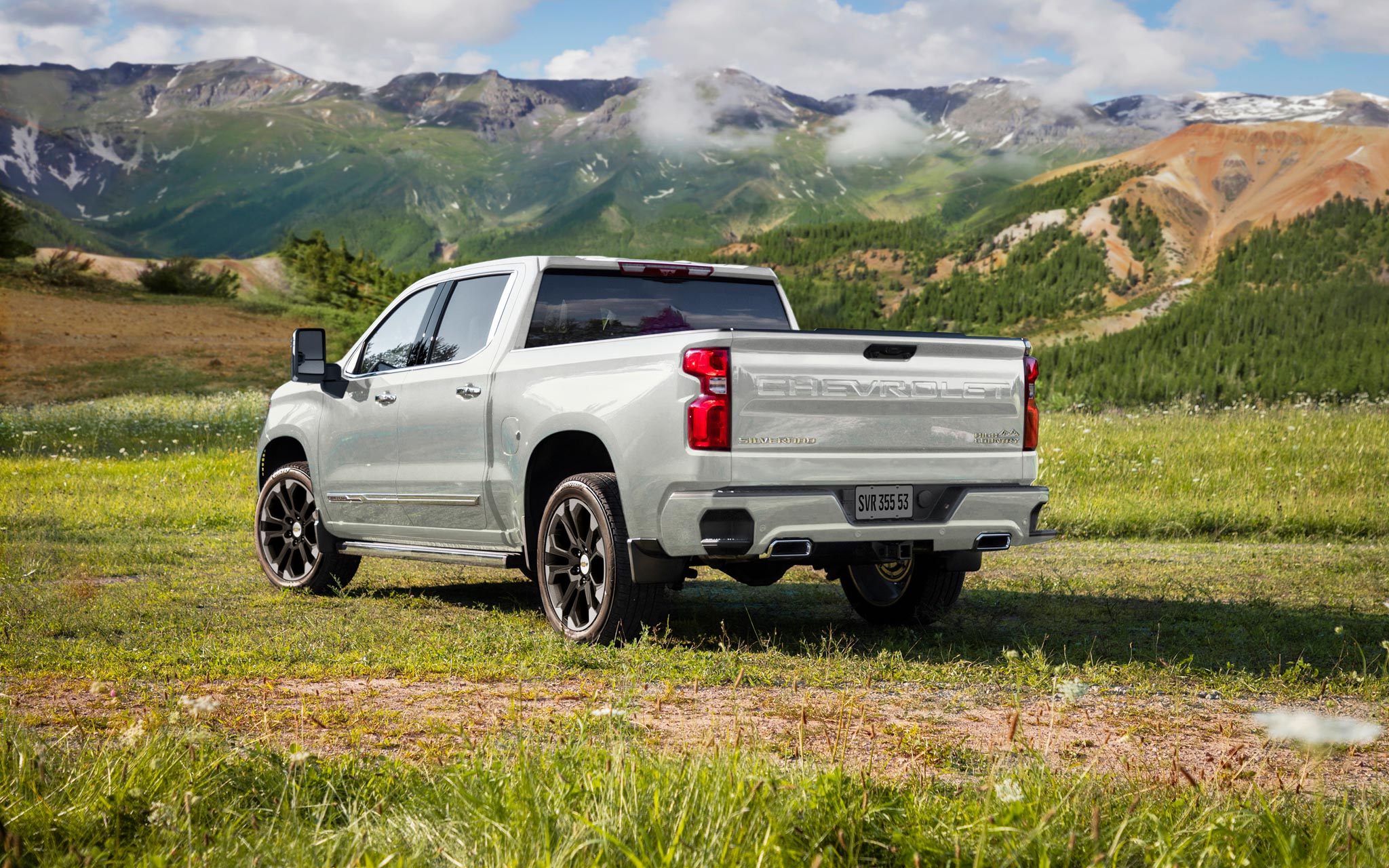
Or rather, what’s blowing up under the hood. Take GM’s latest 6.2L V8 (the L87 and L86 engines). These aren’t old-school, rugged American workhorses. These are delicate little divas, failing spectacularly at embarrassingly low mileage – sometimes before 25,000 miles. Guys – we’ve been making cars/trucks for over a century now… we should be better at this. But GM’s response: Give it a software test & a thicker oil weight. They essentially say, “Use this thicker oil until your engine inevitably grenades, then we’ll swap it out.” Carmakers have been trying to stretch-out fuel economy by all means possible in order to meet tightening government regulation. And one way is to use thinner oils, which net you slightly better MPG. But who’s it helping if it doesn’t last? Or if it only lasts just past the warranty?? Note: The Trump Administration just set the penalty for breaking the Biden Administration’s tightened CAFE Standards to $0… so we’ll see some relief there.
I hate to bring up Toyota again…
But Toyota is known across the world as the bulletproof brand. Yet even the supposedly ‘impervious’ new Toyota Tundra has faced issues like premature camshaft failures & engine shutdowns. Part of the problem? Sloppy machining & debris left inside new engines, and parts that simply don’t fit or function properly. The NHTSA recently closed a probe into nearly a half-million Nissan vehicles due to catastrophic engine failure, citing metal debris left inside the engines from poor manufacturing practices. It’s as if manufacturers collectively forgot how to do it. If it’s not sabotage, it’s at the very least negligence in broad daylight.
One of my biggest fears & gripes has always been a failing transmission…
Look at Ford & GM’s joint-venture, the 10R80 10-speed transmissions. Once heralded as revolutionary & game-changing, they’re now notorious for erratic shifts, jolting clunks, and premature failure. Brand-new transmissions dropping-dead well before 30,000 miles, across major lines of car/trucks. Which leads to another side-point: Scheduled maintenance is completely erratic. 10,000–15,000 mile oil change intervals?! “Lifetime” transmission and differential fluids?! More like planned obsolescence. Here’s the thing…
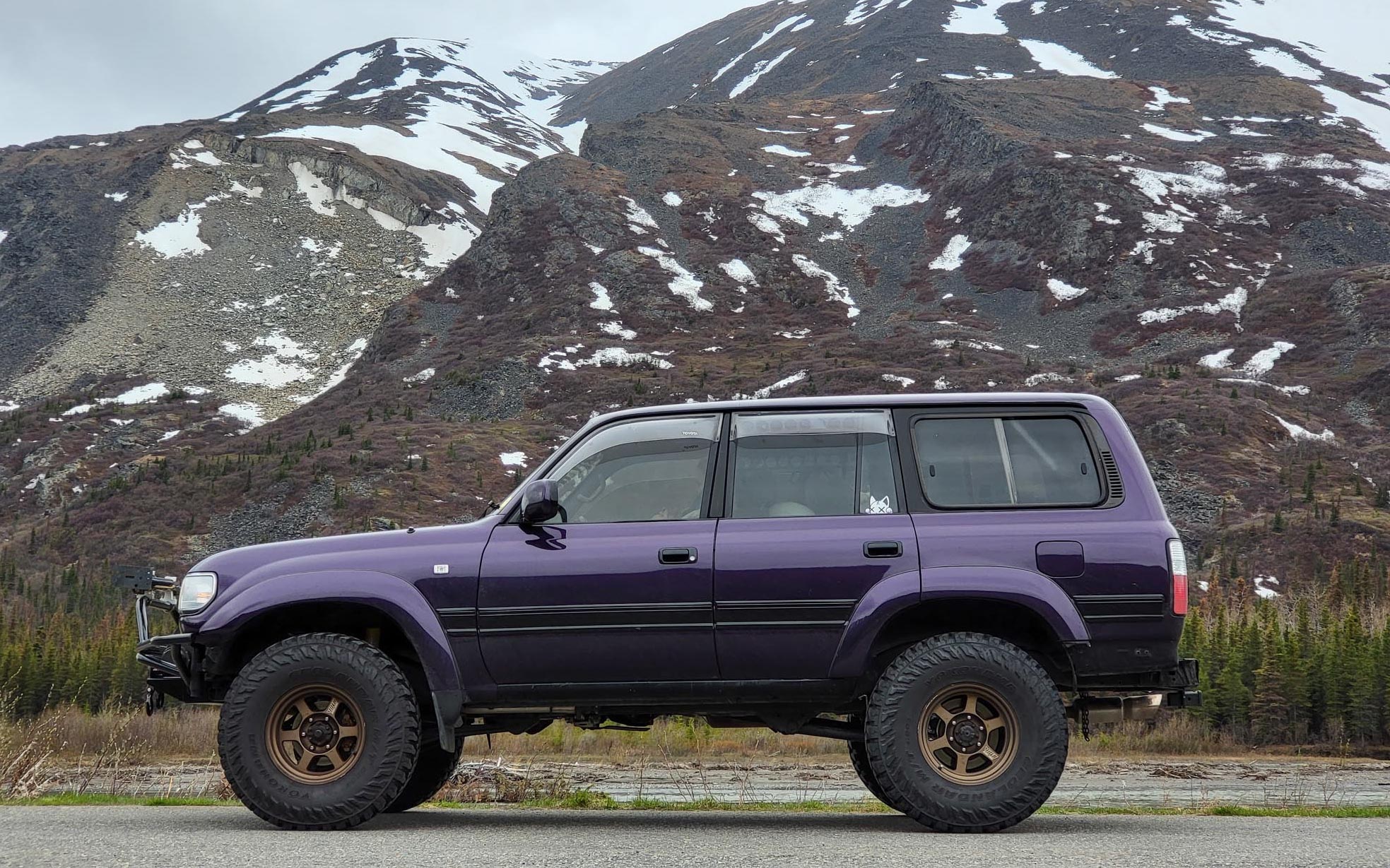
Gone the good old days of rugged simplicity…
Today’s vehicles identify more like fragile tech gadgets than robust transportation. And parts suppliers who used to provide reliable components, now seem to be intentionally cutting corners… churning-out parts that appear designed to fail. As one mechanic bluntly put it on Reddit, “Older cars used to have solid, metallic parts. It’s now all been replaced with plastic and cheap stuff.” That’s not just frustration – that’s the voice of someone on the front lines, dealing with vehicles that are getting worse-&-worse with each model year.
Exploiting the narrative of sustainability to ultimately go backwards… is not acceptable.
Anger & frustration is the appropriate response to what’s happening in the automotive industry. And here’s where it really gets conspiratorial: What if the sabotage is deliberate? A calculated strategy to manipulate consumers into the idea of ‘mobility subscriptions’. Where instead of purchasing & maintaining a vehicle longterm – you swap it out like a mobile phone, for a (lifelong) monthly cost. And instead of carmakers having to build their reputation the old fashion way – by earning it – they can tangle consumers into monthly contracts, terms, & conditions. Why sell a vehicle… if you can charge the same amount just to use it? It’s not a stretch. Especially not in this oddly forced ‘electrified future’… where for a carmaker, retaining possession of their battery resources would be a huge asset. Makes you wonder if they’re intentionally making gas engines problematic, so that electric vehicles begin to seem more appealing by comparison. In TorqueNews, one expert said that some vehicles today are “borderline unrepairable & designed to fail early, and have little hope of lasting beyond 60,000 miles.”
How Did We Forget How to Build a Car?
We’ve had over a century to get automotive engineering right. There’s absolutely no excuse for, and no normalizing cars going backwards in durability & reliability. Government needs to get (and keep) their boot off the neck of the auto industry. It’s raising costs, lowering reliability, and creating excuses. Longevity & customer satisfaction have left the corporate chat. And they’ve been replaced by quarterly profits & planned obsolescence… sold to us under the illusion of climate-change concern. If we continue to tolerate this, soon the only thing lasting in the automotive world will be our expenses. The sabotage is real folks… and it’s quickly destroying the automotive industry (and car culture) right in front of our eyes.
Article by David S. Windsor