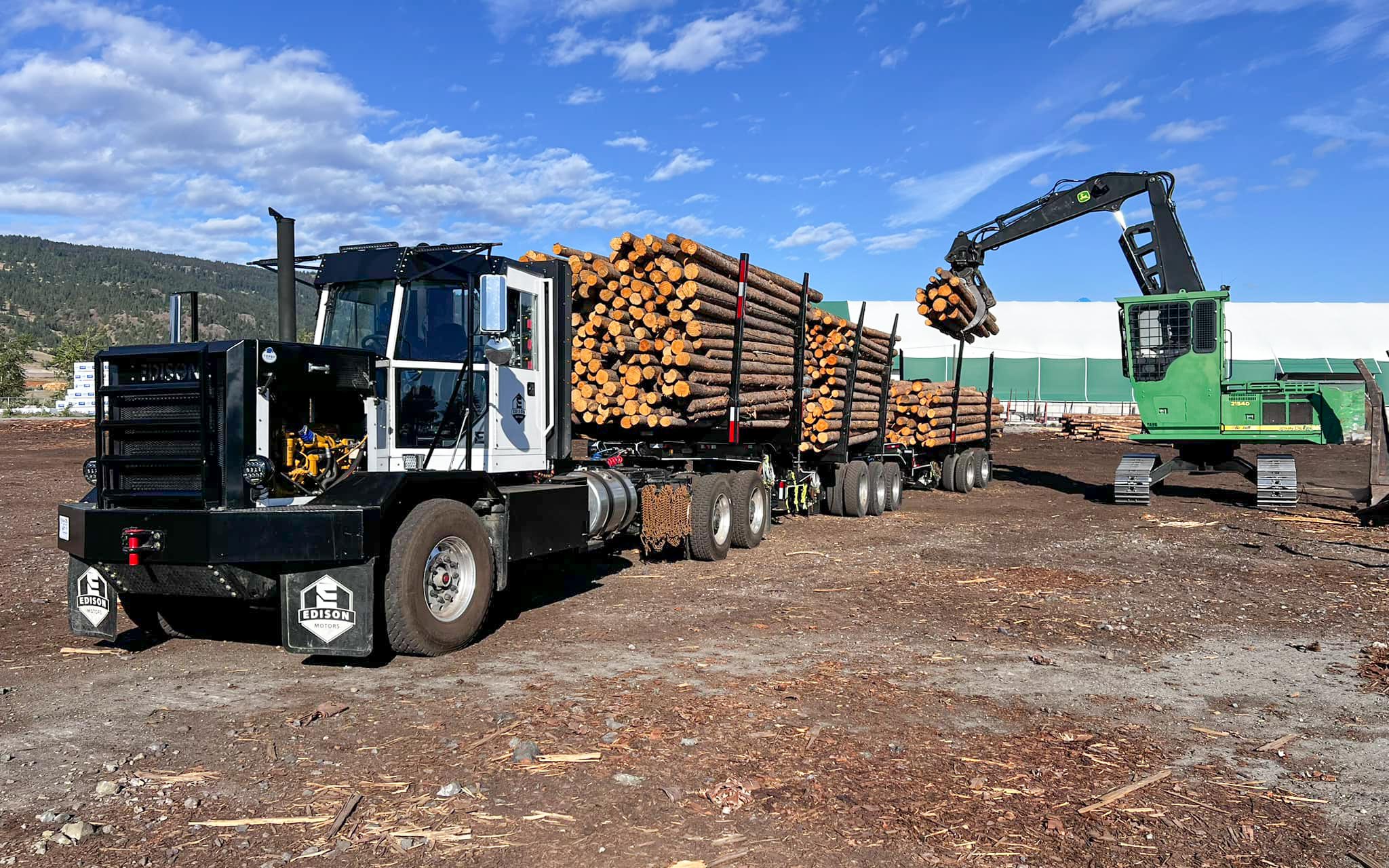
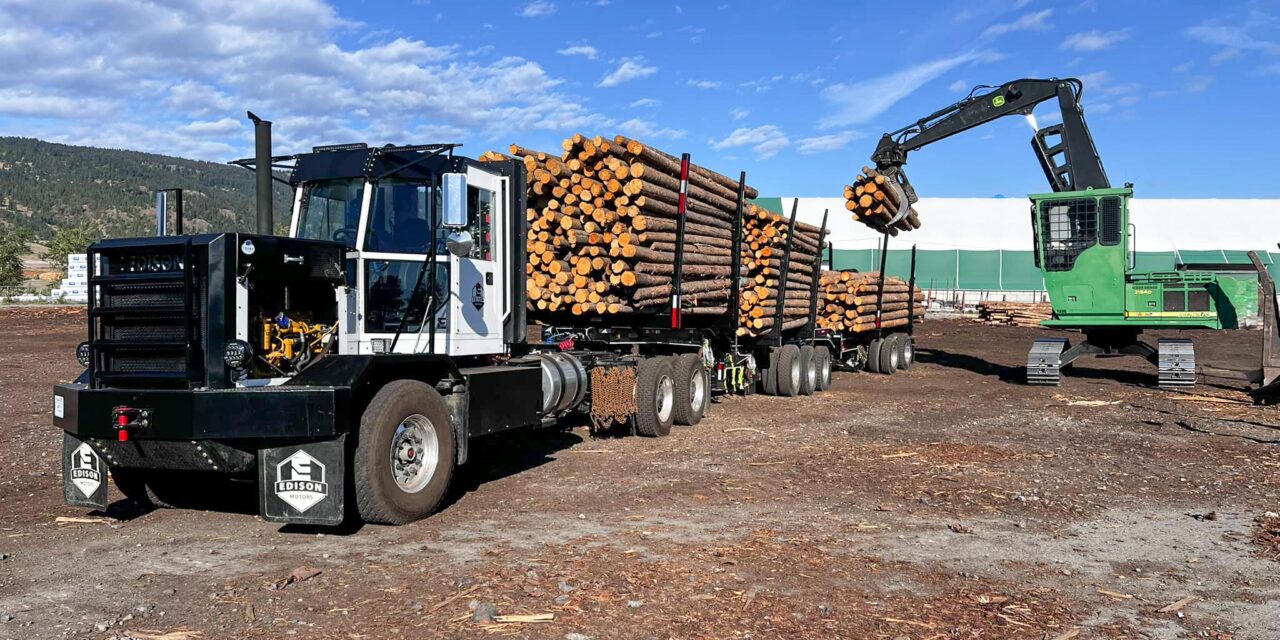

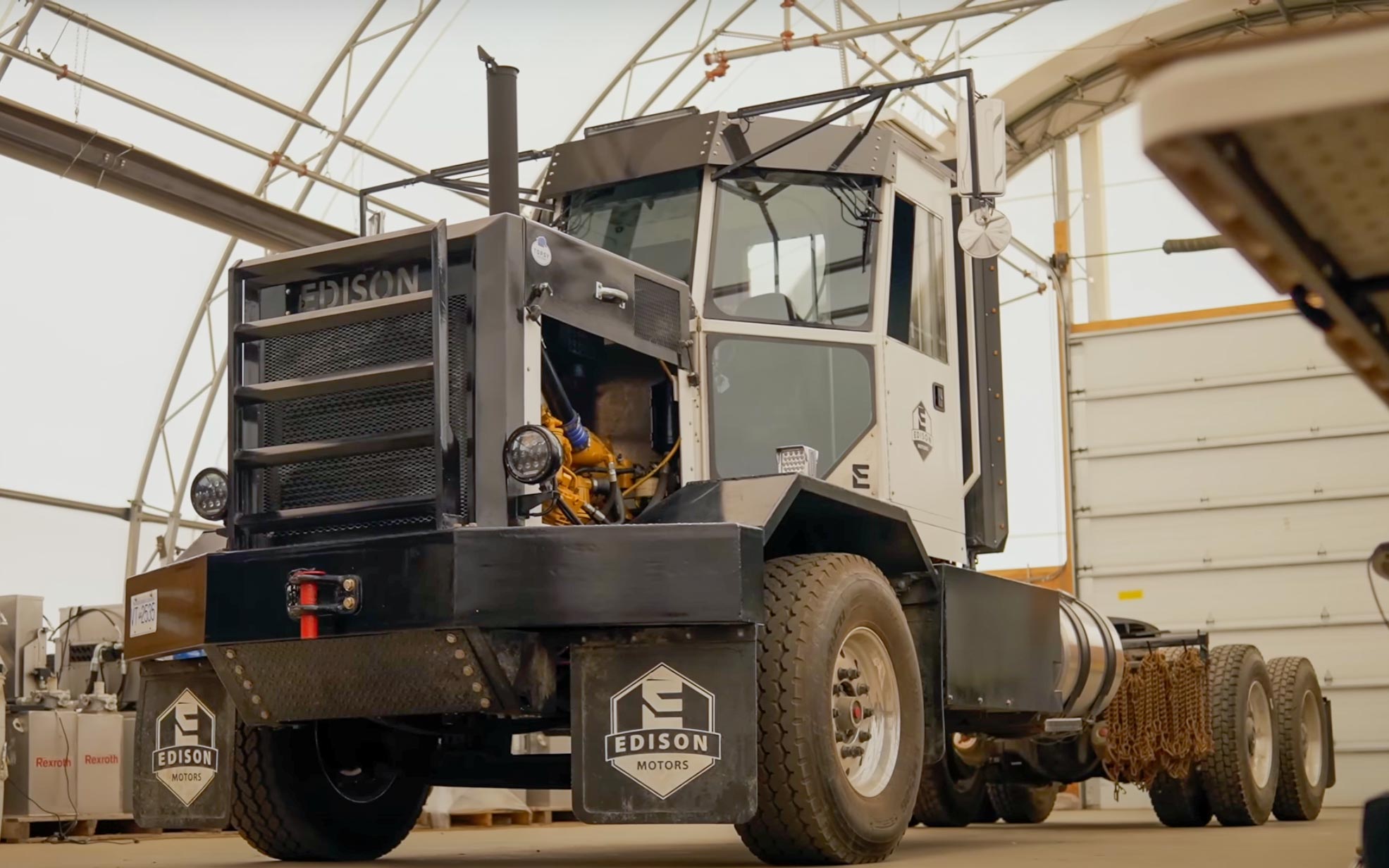
I love hybrids like this. Not the Prius variety — bless their souls — but the kind that actually make you go “Oh… that’s genius.” The Edison Motors diesel-electric semi is exactly that. It’s basically a locomotive for the road. A big, clean-burning diesel generator spins at one happy, efficient RPM. It pumps juice into a battery bank, and electric motors put the power down. No revving, no lugging, no screaming at the top of its lungs just to get a load moving. The potential driving range is incredible, making it range-anxiety shattering. And the best part? This same tech could potentially be scaled down for pickups, SUVs, even passenger cars.

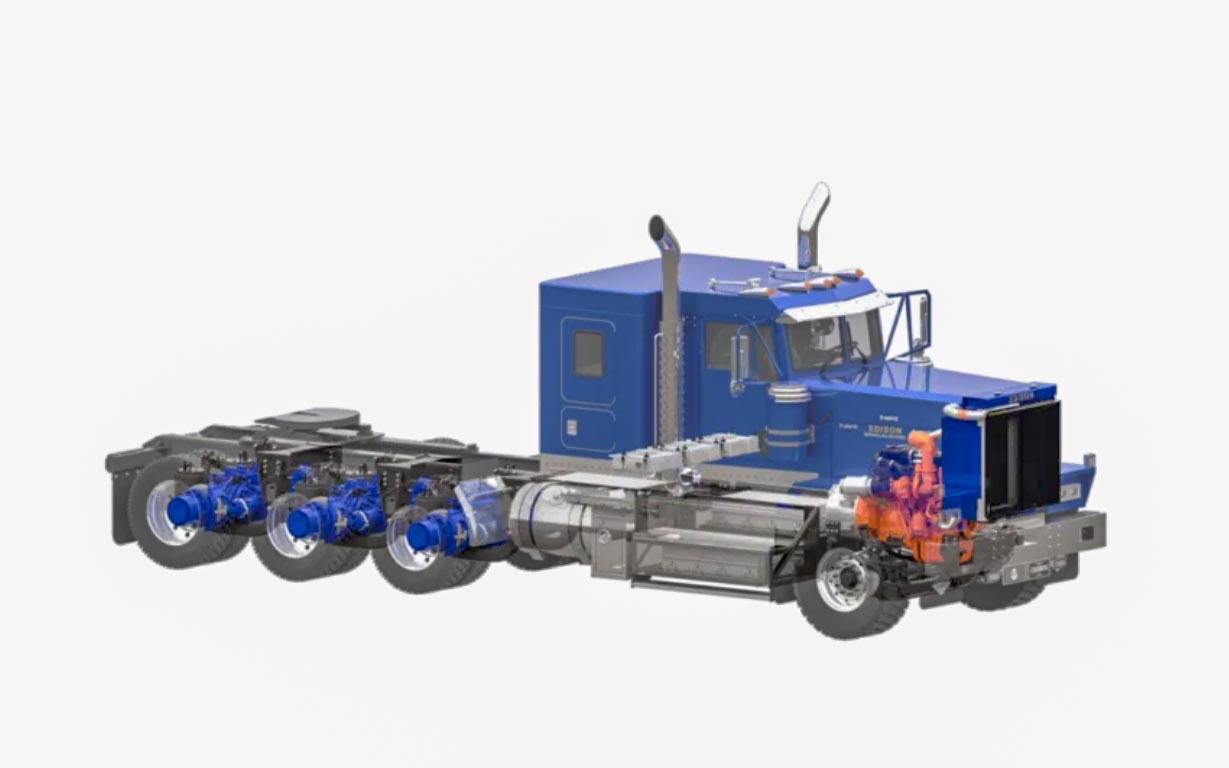
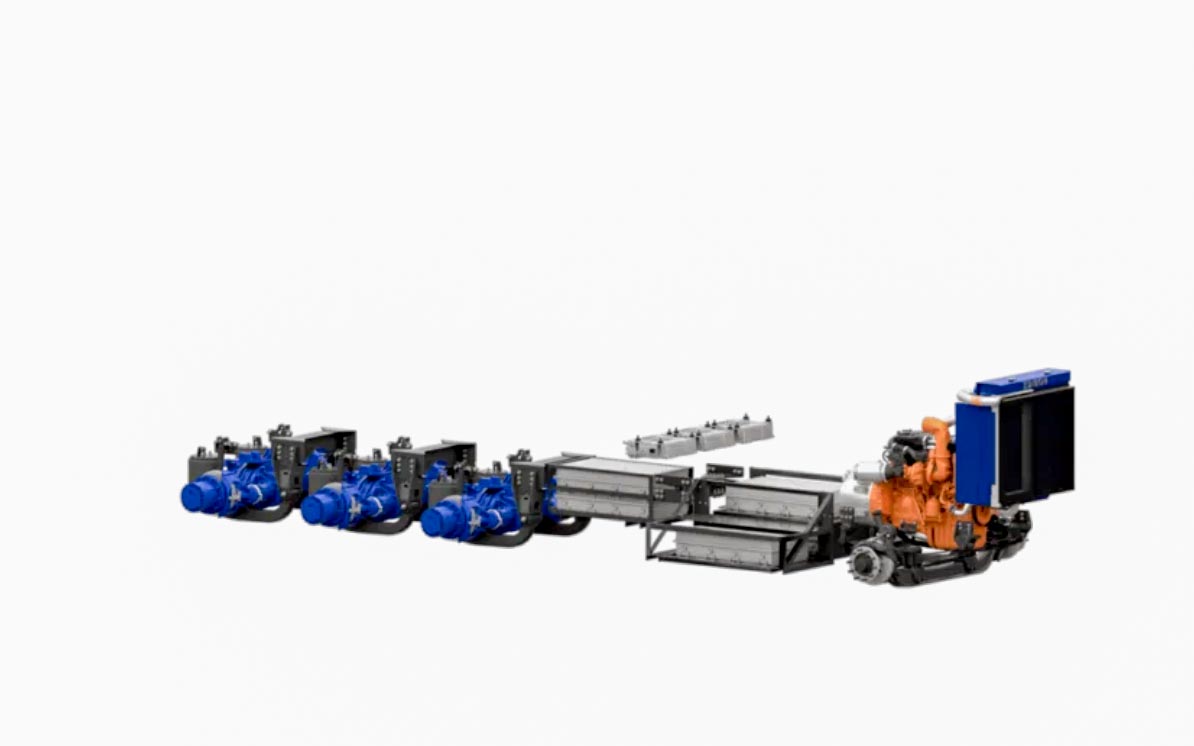
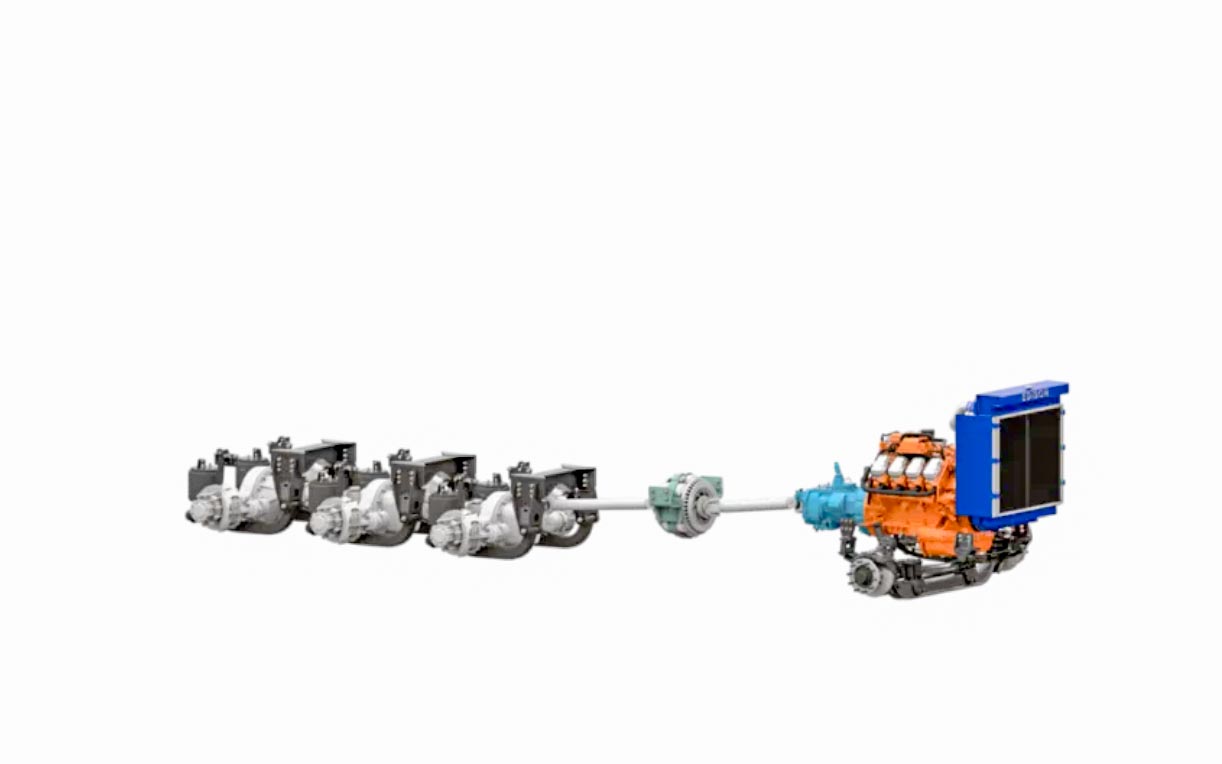
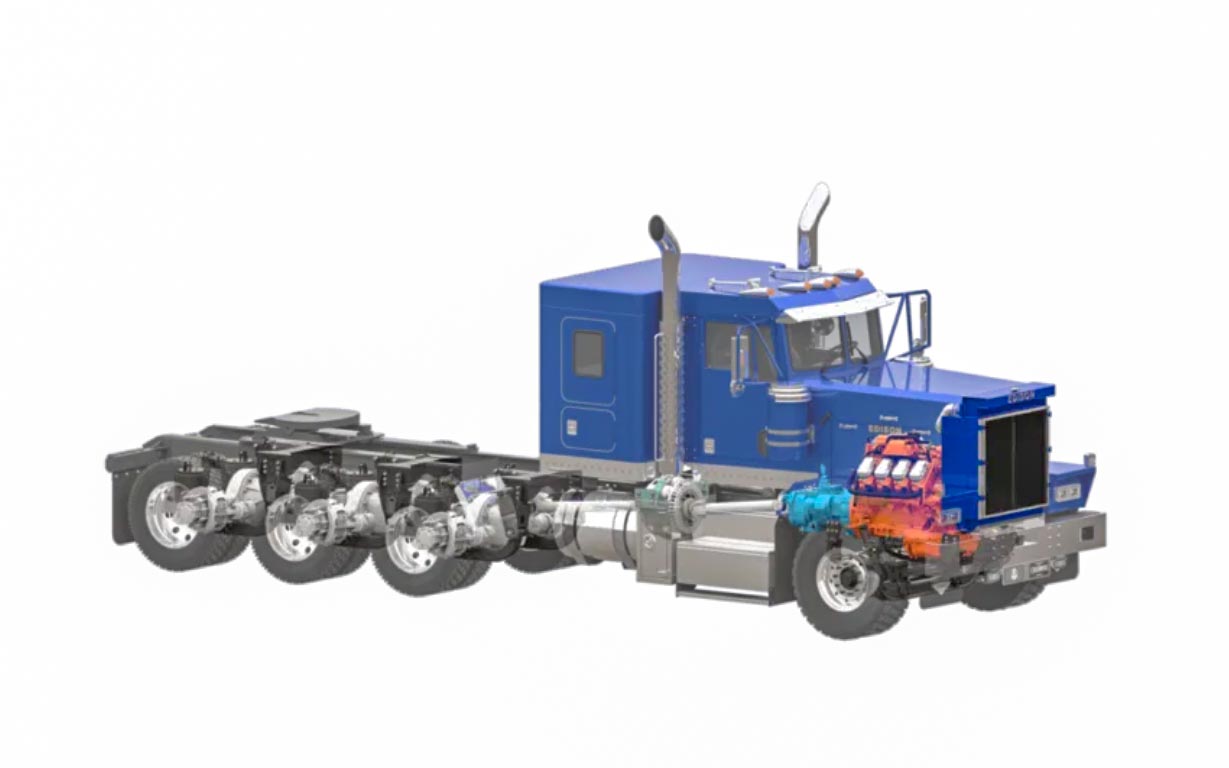
Click photo for video
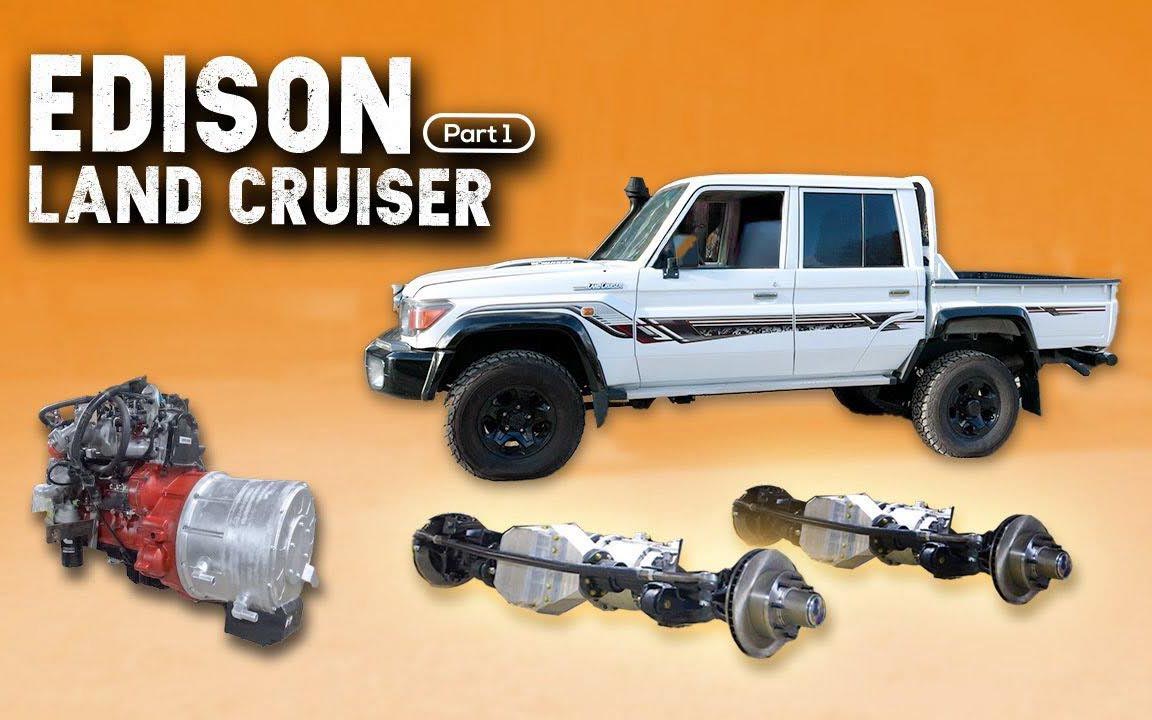
In fact, Edison has been working on that…
Scaling down the tech to convert half-ton pickups. As someone who drives more in a week than most do in a few months, I can’t help but see the potential. We’re talking about the kind of range that makes cross-country trips feel like short commutes. Edison Motors’ generator isn’t just some random diesel clunker. It’s Tier 4 certified — the strictest emissions standard in North America for non-road diesel engines. That means it’s using all the latest exhaust after-treatment tech to slash nitrogen oxides and particulate matter by up to 90% compared to older designs. In the real world, that translates to cleaner operation than most “road-approved” diesels already out there hauling freight today. You’d think the Canadian government would be tripping over themselves to get this on the road. Yet somehow, you’d be wrong.
Click photo for video
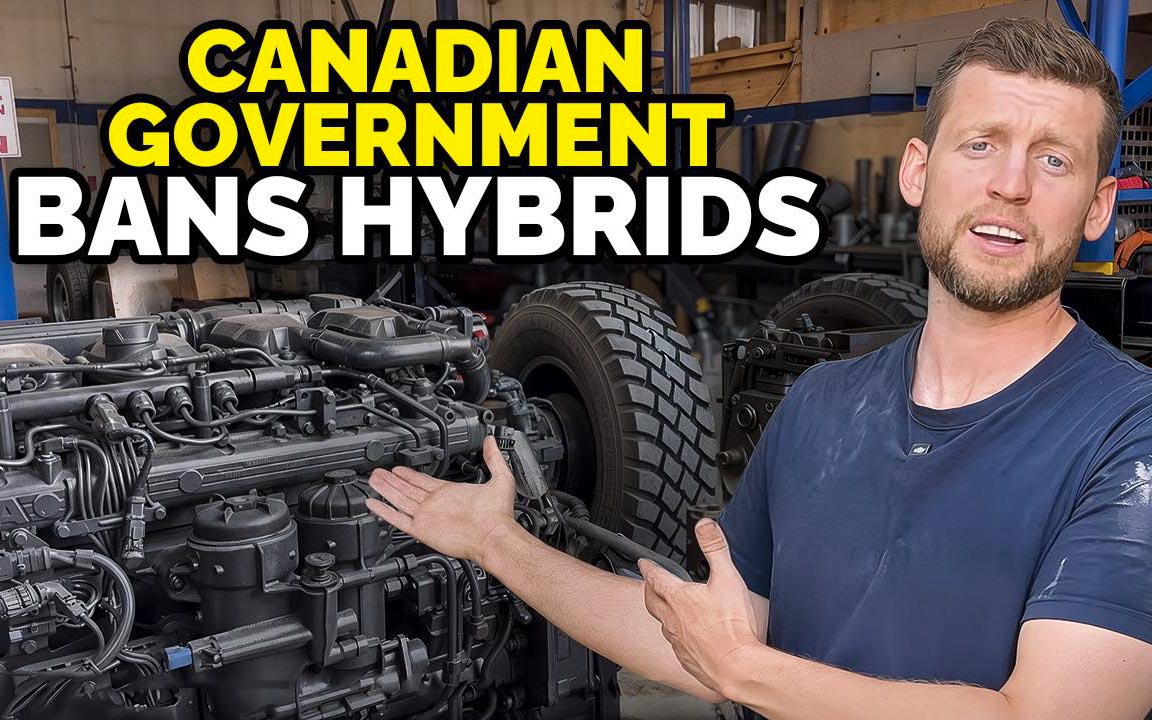
Here’s where it gets ridiculous:
The minute you bolt that Tier 4 generator into a truck chassis, it magically stops being compliant. Why? Because it’s not a “road engine” per the rulebook. Doesn’t matter that it’s cleaner, or more efficient, or potentially perfect for the job. The law only cares about which category it fits on paper. And that category forces Edison to use an actual road diesel — the kind designed to drive wheels directly. But here’s the thing: Those engines are built to live in a totally different world. They’re heavier, thirstier, and dirtier when you try to run them like a generator. They’re designed to speed up, slow down, haul under variable loads… not sit at a steady, optimal RPM where efficiency peaks. That’s where Edison’s setup shines: Steady-state operation, minimal wear, and maximum efficiency because the electric motors handle the hard work of acceleration and braking. It’s like forcing a sprinter to run a marathon in steel-toed boots — technically possible, but you’ve just wrecked their whole advantage and guaranteed a worse result. And this isn’t just me speculating; anyone who’s been around engines knows a constant RPM setup is inherently cleaner and easier on equipment.

Now, I understand the official reasoning:
Without rules, you’d have bad actors. But when your rulebook blocks a genuinely better, cleaner solution because it doesn’t fit a definition from the 1990s, you’re not “protecting the environment” — you’re blocking innovation. And thus negating the reason your department was created in the first place. I’ve watched tech like this get smothered by red tape before. And I’ve seen government agencies proudly promote “green initiatives” that look fantastic in a press release… but crumble in the real-world. I’ve had the EV vs ICE debates a thousand time — and while I’ll happily admit I’m an ICE guy at heart, I also respect good electric innovation. But I’ve been told, with a straight face, that the environmental cost of building an EV is “irrelevant” — as if the mining, refining, and shipping of those materials, plus the human cost in places like the Congo, somehow don’t count. That’s the same kind of selective blindness we’re seeing here.
Click photo for video
The Edison Motors hybrid works…
It’s clean and smart. And it could potentially be adapted to consumer vehicles in no time. But instead of clearing the way for a Canadian company to innovate, experiment, and put a genuinely better product on the road, the Canadian system is telling them to downgrade. To take something efficient & clean and make it less so, just so it fits into the paperwork. That’s not progress. That’s sabotage. And credit where it’s due…
Edison Motors didn’t start this journey…
With a billion-dollar factory and a PR team. They built their first truck in what was essentially a tent. A bunch of backyard builders tired of waiting for Tesla’s “coming soon” promises to materialize. So they did it themselves. No hype-machine, no endless pre-orders — just a group of people with tools, know-how, and the stubbornness to prove it could be done. That’s the kind of spirit that built the automotive world in the first place. The fact that Edison Motors might be blocked not because their idea doesn’t work, but because it doesn’t fit into a bureaucratic box… well that says everything about why we need to fix the system.
Article by David S. Windsor