
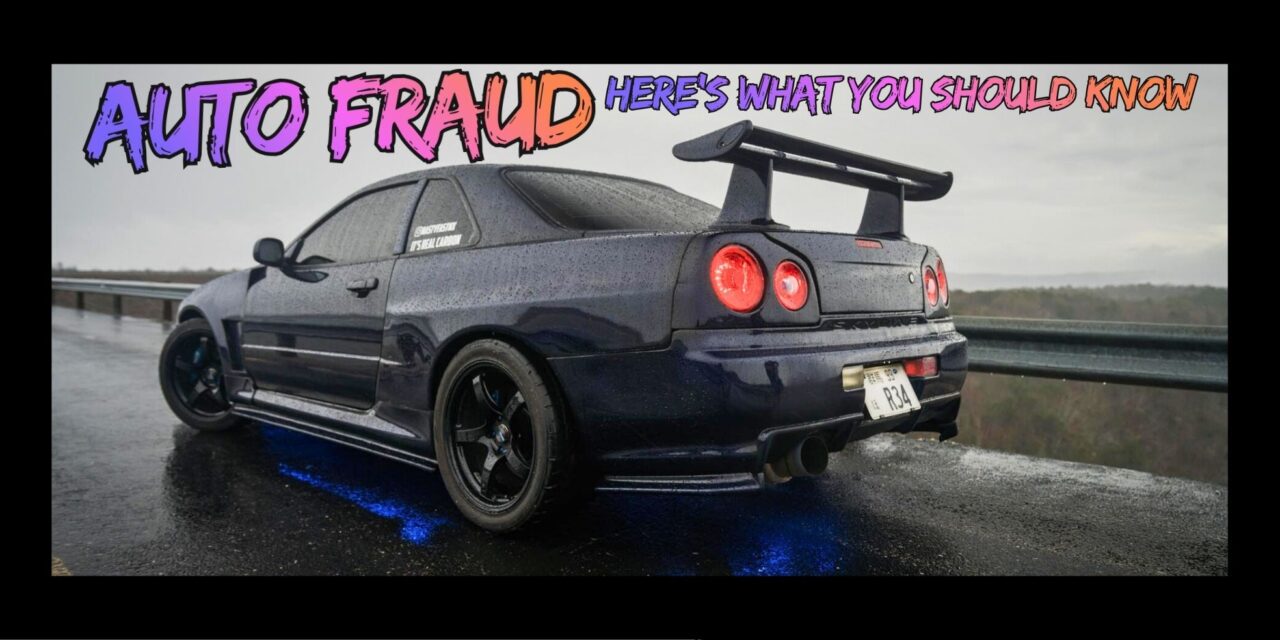

Buying or owning a car in the U.S. feels routine. You find a vehicle, handle the paperwork, and assume everything checks out. Super easy! That’s owing to several factors: A large, accessible market (the most developed worldwide), robust financing and credit infrastructure, and affordable insurance. But these perks aren’t without challenges, the most troubling being auto fraud.
This widespread issue touches everything you can think of, from online listings and loan approvals to insurance claims and title transfers. They don’t look suspicious, but come wrapped in clean paperwork, professional websites, and seemingly legit processes. Worse, threat actors are now utilizing AI to make these tools more foolproof against clear warning signs, consequently putting everyday owners and buyers at greater risk.

What is Auto Fraud, Anyway?
At its core, auto fraud is when someone leverages deceit to make money off a vehicle transaction, insurance claim, financing deal, or anything tied to a car. It comes in all forms, whether old-school or high-tech driven, but the targets are usually the same. Buyers, lenders, insurers, even the dealerships themselves.
It doesn’t matter if you’re a first-time buyer or a big loan provider; once you’re working on any of these, you’re a target:
· Dealership sales.
· Loan applications.
· Insurance claims.
· Title transfers.
· Online listings.
· Vehicle history reports.
Each tactic deployed in one or more of these processes is designed to snatch your time, money, and peace of mind, especially if you fail to do due diligence.
Big Numbers: Auto Fraud Is Rising
Why is auto fraud worth nipping in the bud? One way to grasp the sheer scale of the damage caused by this vice is to look at the numbers, which reveal it as a matter of fact. In 2024, auto lenders in the U.S. faced a record $9.2 billion in fraud exposure, a 16.5% jump from the year before (even more than ever before).
That’s not pocket change. And that number doesn’t even include all the fraud happening outside lending, like insurance scams, fake sales, or title theft.

Common Auto Fraud Schemes
Here are some weighty categories you’re most likely to encounter:
1. Loan Application Fraud
If someone misrepresents their identity, income, employment, or credit details to get approved for a loan they shouldn’t qualify for or never intend to pay back, that’s a case of loan application fraud.
Lenders now see more synthetic identity fraud (fake people made out of real and fake info)—think of it as a hybrid of IDs—and it’s showing up more often in auto loans.
2. Odometer Fraud
This one is a classic. The seller rolls back the odometer so a car looks way less driven than it really is. In the U.S., government data from earlier years showed that around 450,000 vehicles per year were sold with fraudulent mileage, costing buyers over $1 billion annually. Even today, odometer tampering shows up in state court cases and dealer investigations.
3. Title and “Title Swap” Scams
Scammers sometimes sell cars without transferring the title, so you (the buyer) think you own the car, but legally, you don’t. Now, you’re on the hook for problems down the road, sometimes for the money you’ve already paid.
4. Fake Online Sellers
You’ve probably seen ads on CarGurus, Facebook Marketplace, or Craigslist that look too good to be true. Well, often, they are. Why? Fraudsters rely on professional-looking websites, fake Carfax reports, and cloned social media profiles to make a scam look real. Victims wire money… then never see a car.
5. Insurance Fraud
This covers everything insurance-related. Staged accidents (like orchestrated fender-benders to file claims), lying on claims about damage or theft, and even inflated repair costs. As a matter of fact, about 10% of auto insurance claims nationwide are suspected to be fraudulent, which pushes up premiums for everyone.

The AI Factor: Why It’s Getting Worse
Here’s where the “new normal” is happening fast. Fraudsters are using artificial intelligence to:
· Generate deepfake photos or fake crash scenes.
· Create synthetic identities that pass verification.
· Mimic voices and texts to fool buyers or lenders.
· Scale fake listings and bogus documents.
The AI-powered edge makes scams more believable. Even more disturbing, it makes them harder to spot on the surface.
Tech is evolving, no doubt. The problem? The bad actors are getting better at it first, leaving everyone else to play catch-up. Good thing we’ve seen law enforcement and fraud prevention teams take a proactive stance with AI-powered detection tools of their own.
But even at that, it’s a cat-and-mouse game.
-
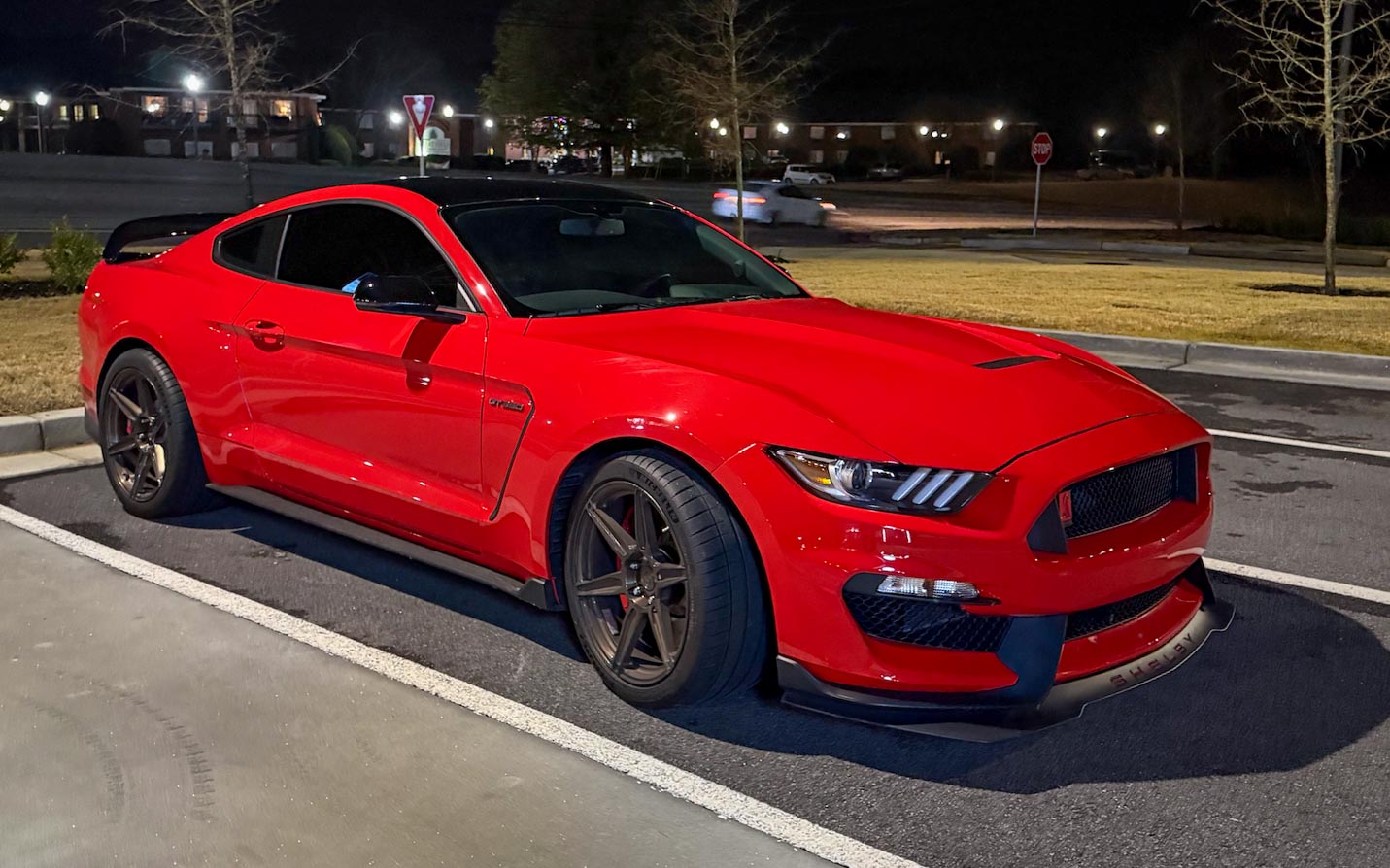
- Real.
-
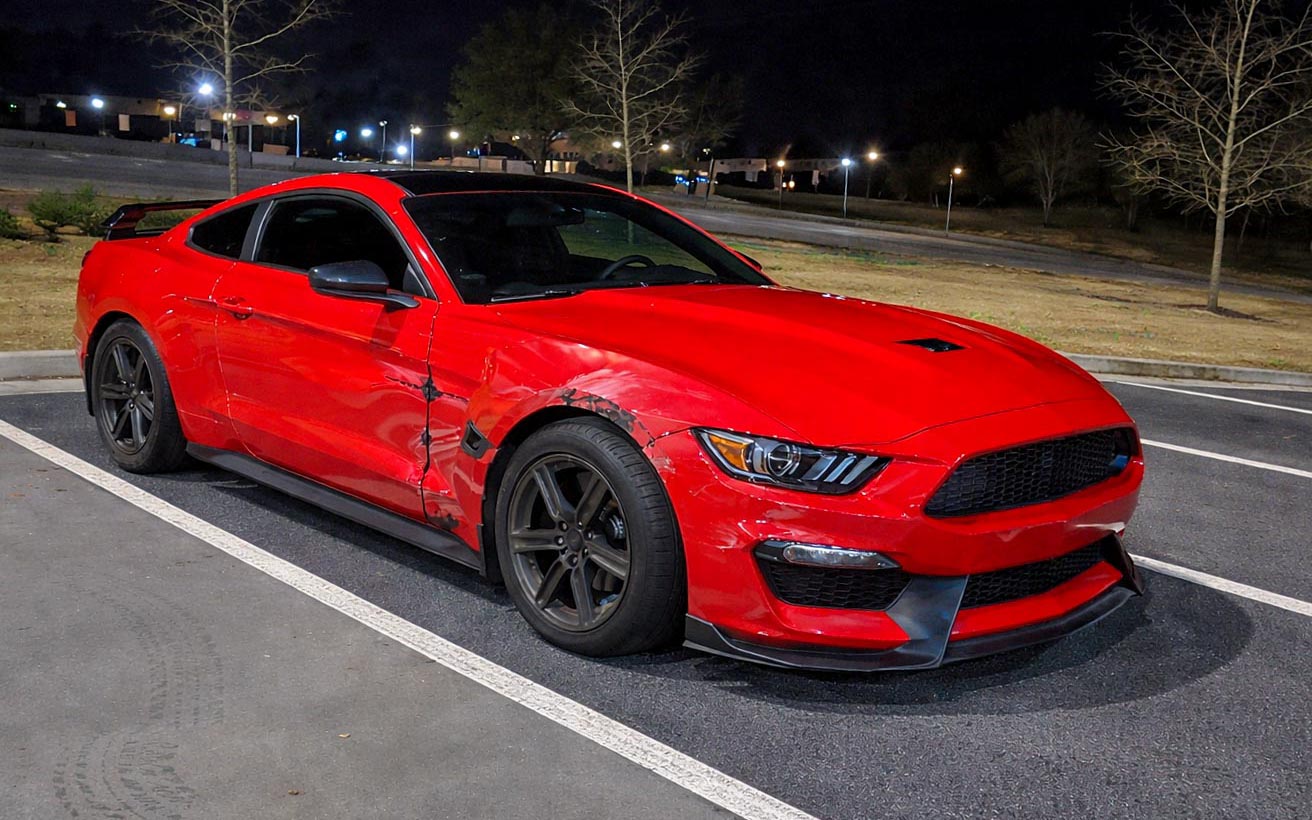
- 20-second fake.
Who’s at Risk? Everyone
As highlighted earlier, auto fraud isn’t just a problem for lenders or insurers; it targets almost every part of the car-buying experience.
· Buyers: Especially online buyers and first-time buyers.
· Dealerships: Identity theft hits showrooms too.
· Insurers: Paying out fake claims drives costs up.
· Loan officers: Bad loans cost money and time.
· Consumers indirectly: They’re dealt with higher insurance premiums and stricter lending rules.

How Then Should You Protect Yourself?
1. Always verify the VIN
Use reliable history services (like Carfax or AutoCheck). Cross-check the VIN on the car itself.
2. Never wire money up front
Wire transfers or crypto payments are almost impossible to reverse if things go south. So if you’re pressured to pay upfront through either channel before anything else, politely decline.
3. Get a pre-purchase inspection
A trusted mechanic in your corner can save you hundreds, if not thousands, of hard-earned dollars, considering how good they are at detecting odometer rollbacks, hidden damage, and shady repairs.
4. Don’t trust every online review
Fake reviews are everywhere; scammers pay good money to have them displayed, even on trusted review sites. You can tell by looking for consistent patterns, bland or scanty feedback (i.e, Bought a Ford Bronco. Guy’s the real deal! 100% Totally recommend.), or obvious bot behavior.
5. Read all paperwork before signing
Especially the title transfer, loan contract, or insurance agreement.
Most real dealerships and lenders won’t rush or discourage you from doing your own research.
What If You’ve Been Scammed…
Don’t panic. Simply do these:
· Contact your local police or sheriff’s office.
· File a complaint with the FTC.
· Report to your state attorney general.
· Contact the Better Business Bureau.
· Notify your bank immediately (if the money was wired).
Acting quickly and coordinately improves your chances of recovery or at least stopping future harm.
Recapping
Auto fraud isn’t going away. In fact, it’s evolving as fast as the cars themselves. There are various playbooks for different targets and scenarios: Fake loan applications, souped-up online listings, staged collisions, and now, AI-generated deepfakes. It’s so complicated that you might have a hard time piecing together every single move.
Being informed is your best defense. Stay sharp, slow down when deals look too perfect, and treat your next car purchase like you’d treat any big investment.