
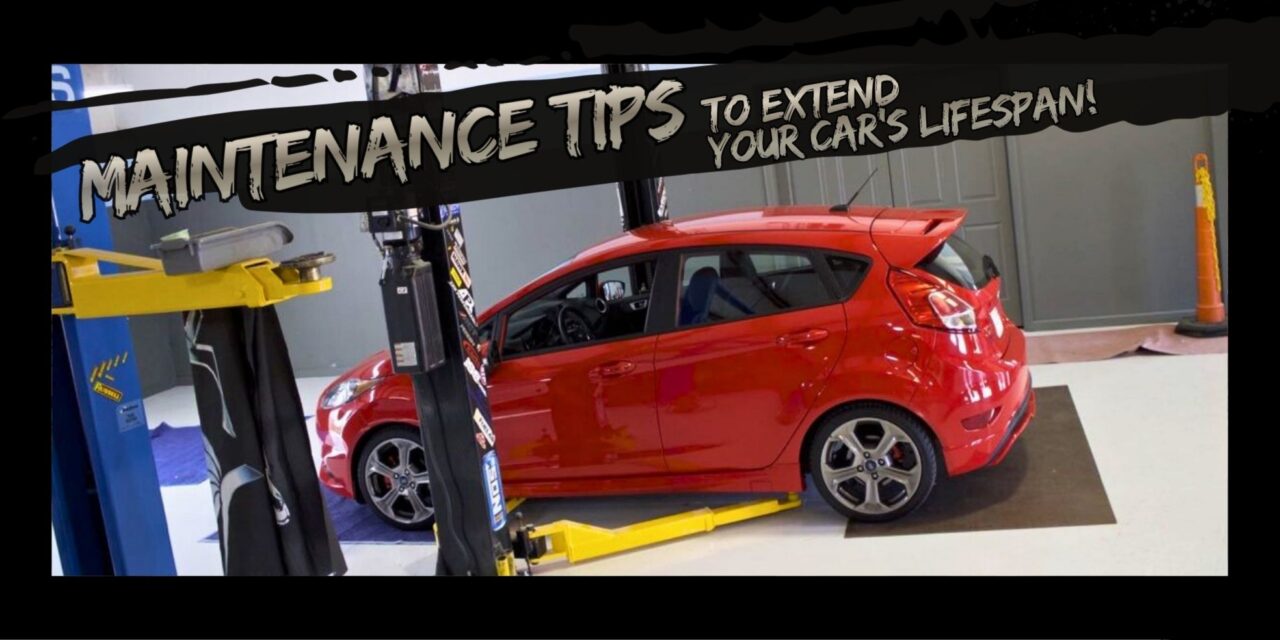

You want your car to be a reliable companion for years to come, but it requires some investment. According to ConsumerAffairs, the average car will cost approximately $900 per year for repairs and maintenance. If that sounds a bit steep, that figure can drop significantly based on how diligently you keep up with regular maintenance.
Staying on top of that can help reduce unexpected repair costs. Regular maintenance is also key to a safe and efficient ride. It enhances safety and maintains the vehicle’s resale value. Simple, consistent actions can lead to impressive results in prolonging your vehicle’s lifespan.
This article discusses strategies that help your car perform reliably. Start implementing them today, and you will enjoy the benefits of a longer-lasting vehicle and a sense of peace.
Follow the Manual for Scheduled Maintenance
You count on your car’s manual as your go-to guide for keeping up with scheduled maintenance, and that decision pays off. Manufacturers create these schedules after extensive testing and inspections of your model. All you have to do is turn to the maintenance section, check the mileage or time-based cues, and follow them closely.
Forbes states that adhering to these intervals is necessary for ensuring your vehicle runs smoothly. You can find beneficial information. It includes the correct tire pressure, the size of replacement windshield wipers, how to check and change your engine oil, and so much more.
This habit helps you catch minor problems before they become expensive repairs. Plus, you can drive with peace of mind, knowing that every recommendation comes from professionals. Your commitment to this routine ensures everything is reliable for family road trips or everyday errands.
Check Fluids and Tire Pressure Regularly
Maintaining your car in perfect condition involves routinely checking the fluids and tire pressure. Every two weeks, you take a moment to check the levels of engine oil, coolant, brake fluid, and transmission fluid. If you find any of them are low, you top them up with the manufacturer’s recommended types.
Tire pressure checks are easy to incorporate into your weekly routine. All you need to do is take a gauge and make sure each tire is at the correct pressure. It should be in accordance with the manual or on the placard inside your driver’s door.
Underinflated tires can wear out unevenly, waste fuel, and increase the risk of blowouts. On the other hand, keeping them properly inflated enhances handling and extends their lifespan. This easy practice, combined with monthly tread checks, aligns with your commitment to safety, allowing for worry-free drives.
Practice Gentle Driving Habits
You can extend the life of your car by adopting some gentle driving habits. This way, you’ll reduce the stress on vital parts such as the engine, brakes, and suspension. Instead of flooring the accelerator, try to ease into it smoothly.
You tend to avoid speeding, sharp turns, and extended idling, all of which can put extra stress on your tires and drivetrain. These wise choices help reduce wear and tear, improve your vehicle’s efficiency, and keep you safer on your daily commutes or family outings.
Still, if you find yourself in an accident due to someone else’s negligence, a car accident lawyer can be a real lifesaver. They investigate your case, negotiate with insurance companies, and fight for the compensation you deserve for repairs, medical bills, and lost wages.
According to TorHoerman Law, a talented lawyer offers personalized legal advice and dedicated attention. Coming back to the point, you also keep high-speed driving and aggressive maneuvers in check, which helps prevent tire overheating and extends their lifespan. Over time, your vehicle will show its appreciation with fewer repairs and increased reliability.
Keep the Car Clean Inside-Out
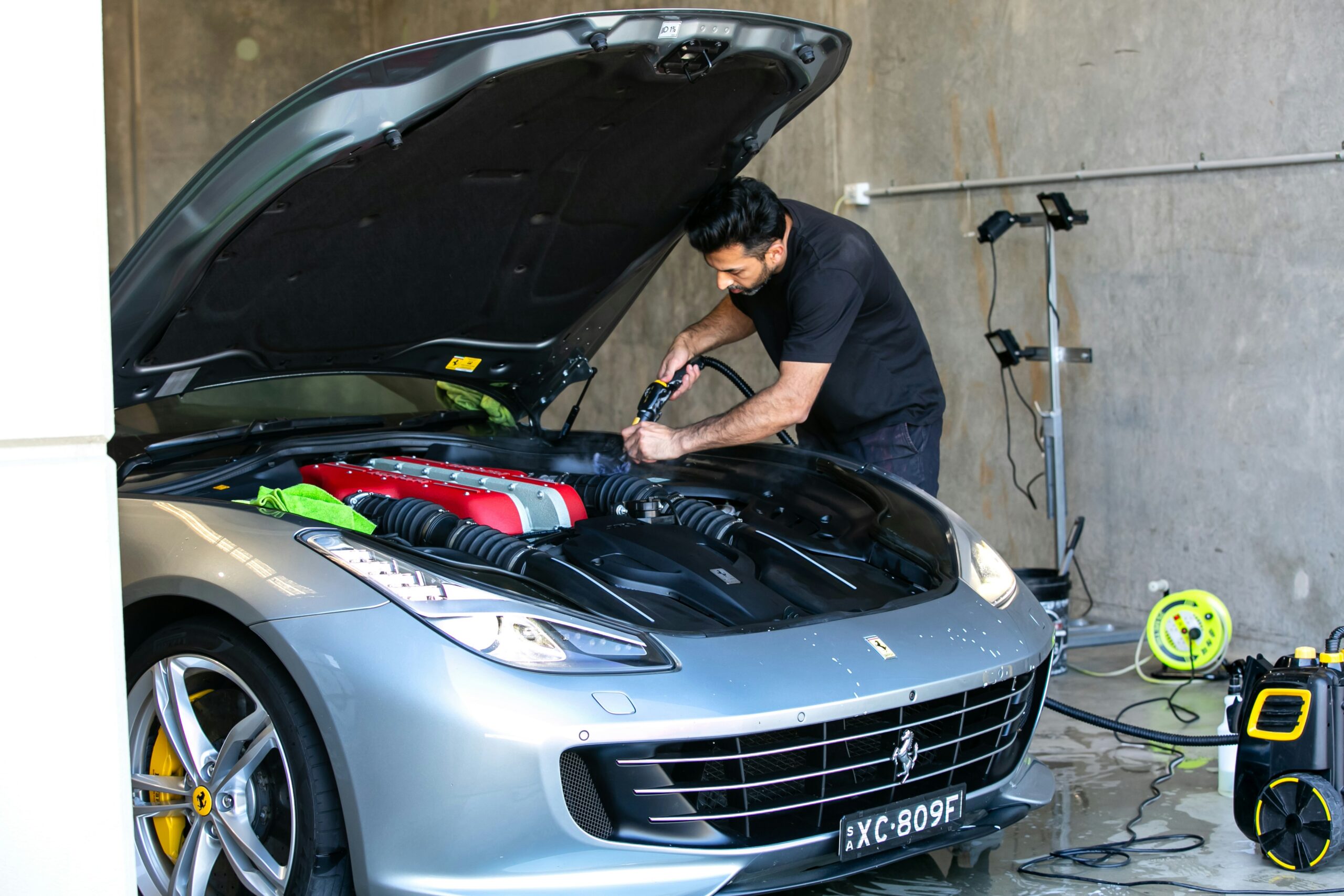
Taking care of your car is key to extending its lifespan, and it all starts with keeping it clean, both inside and out. As stated by CNN, you may think you have perfected the procedure of cleaning the inside of your car. But the method may be seriously flawed. It turns out that rinsing your vehicle is more of a science than just another weekend task.
This simple habit helps prevent hidden damage and keeps its value intact. Don’t forget to dry it off completely and apply wax every few months. It will create a protective layer against UV rays and other harmful stuff, keeping that showroom shine looking fresh.
You can opt for microfiber cloths for the screens and use leather conditioner on the seats to avoid cracks from dryness. This care helps keep mold and odors away while also reducing wear and tear, making for a healthier environment during family road trips.
Do Not Overlook Warning Signs
Caring for your car means being vigilant about the warning signs. You listen for any unusual sounds, and you promptly take them to a mechanic for a check-up. Ignoring them could lead to serious issues such as catalytic converter damage or a blowout that leaves you stranded.
Daily Record notes that dashboard warning lights are your car’s way of telling you something’s not quite right. There are numerous things to watch for, ranging from seatbelt notifications to engine alerts. Familiarizing yourself with the color-coded system is a smart first step in understanding what your car needs.
You must watch for any vibrations, a steering wheel that drifts, or fluid leaks under your car. These are all signs of potential alignment issues, suspension wear, or gasket failures. If you act quickly on any warning signs, your vehicle will thank you with long-lasting performance.
FAQs
How to increase the lifespan of a car?
Be sure to follow the maintenance manual, check your fluids and tire pressure, and drive carefully to keep your car in excellent condition for years. And remember, if you hear any weird noises or see any warning lights, don’t just overlook them. These habits can help you avoid costly breakdowns and save you money in the long run.
What is 30-60-90 maintenance?
The 30-60-90 maintenance schedule is a mileage-based plan for your car, focusing on service at 30,000, 60,000, and 90,000 miles. At these intervals, you should focus on oil changes, filter replacements, brake inspections, and fluid checks. This proactive approach catches any wear and tear before it becomes a bigger problem, ensuring your car runs safely and lasts longer.
Does AC reduce car mileage?
Absolutely, your car’s air conditioning can cut your mileage by about 5-25%. The reason behind this is that the compressor pulls power from the engine, which in turn increases fuel usage. You can help counteract this by using the recirculate mode or maintaining speeds above 50 km/h. Gentle driving habits can help keep your car running efficiently.
You can significantly prolong your car’s life with regular, thoughtful maintenance. Think of it as the ultimate reward for your efforts. When you fully adopt these habits, your vehicle evolves from a simple mode of transport into a reliable partner that reflects your well-organized life.
The takeaway is straightforward: prioritize maintenance now, and see your vehicle thrive beyond what you thought possible. You will gain savings, peace of mind, and enjoy smoother journeys. Make that commitment today for lasting benefits.