
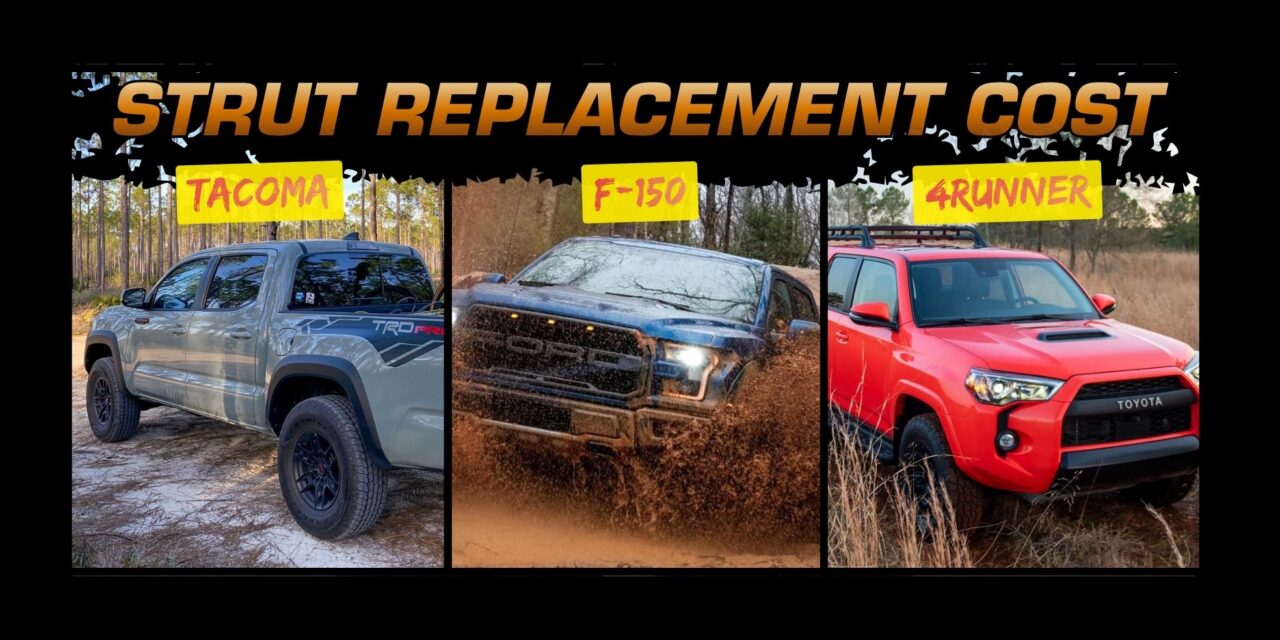

Strut replacement on a Tacoma, 4Runner, or F-150 runs $600 to $1,100 at a shop. That is the range you are working with if you want parts and labor and alignment done (costs extra, but worth it). This guide breaks it down by vehicle so you know what to expect before you walk in.
At a glance
- Average Toyota Tacoma: $611–$851 at a shop, around $500 DIY for all four corners
- Average Toyota 4Runner: $689–$1,051 at a shop
- Ford F-150: roughly $600–$900 depending on trim and shop
- Always add alignment after strut work: $80–$150 extra
What Struts Actually Do
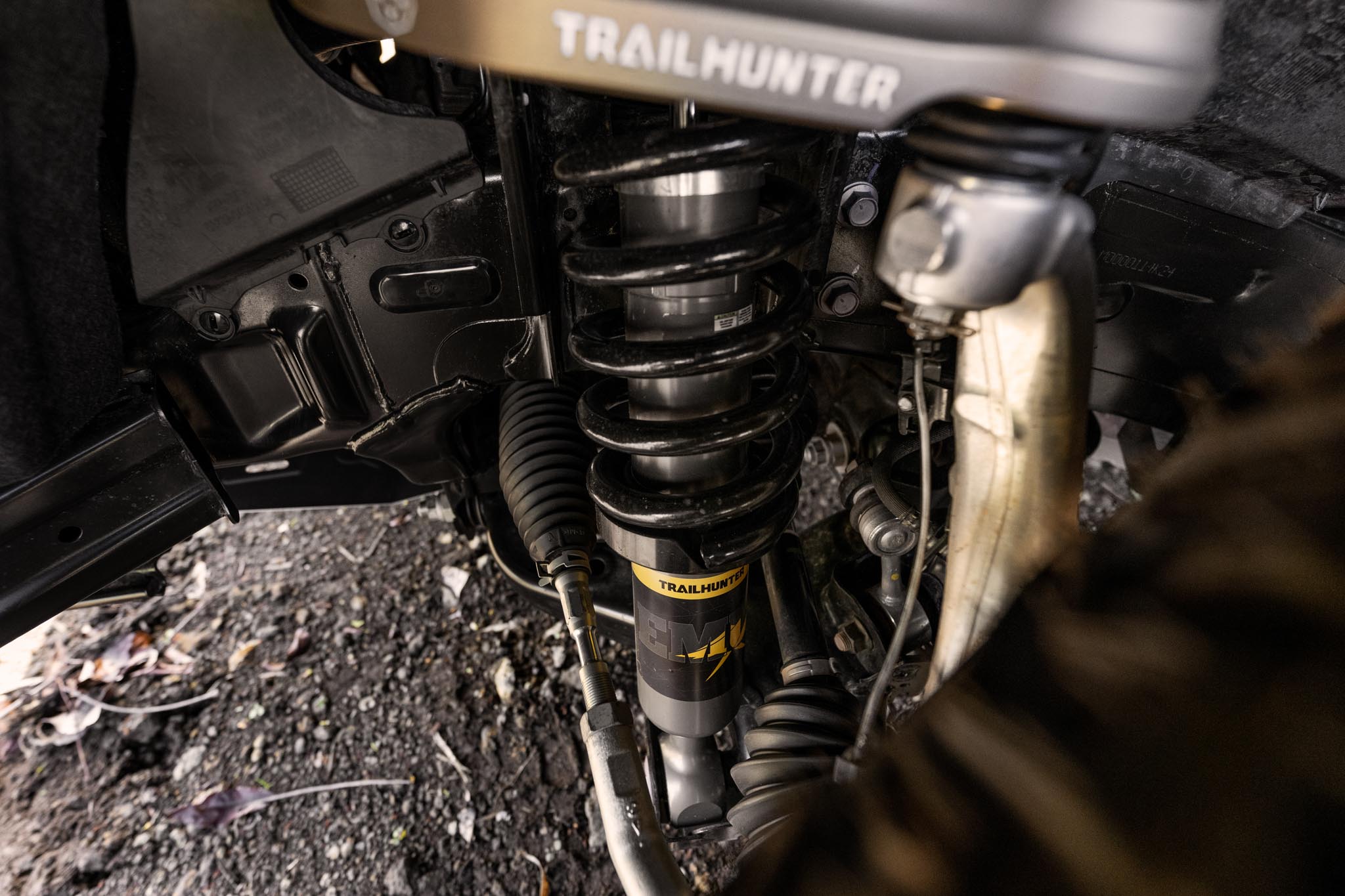
A strut is a load-bearing structural component, not just a shock absorber. It combines a coil spring and a damper into one unit and supports the vehicle’s weight. That is different from a separate shock-and-spring setup. On trucks like the Tacoma, 4Runner, and F-150, the front runs struts while the rear typically uses separate shocks or a coilover arrangement depending on trim level.
Because struts are structural, a worn strut is not just a ride quality problem. It affects steering geometry, tire contact patch, and stopping distances. The truck can pass a visual inspection and still be failing.
Signs Your Struts Are Done
Your struts are done when the truck bounces more than once or twice after hitting a bump, nosedives under braking, or starts to feel vague in the corners. Four main signs:
- Excessive bounce: Push down hard on one front corner and let go. It should settle in one motion. Two or three bounces means the damper is shot.
- Nose dive: The front end pitches forward under hard braking. Some squat is normal. A dramatic lunge is not.
- Uneven tire wear: Cupping or scalloping on the tread means the tire is bouncing instead of staying planted. Classic worn-strut pattern.
- Clunking or knocking: Loose strut mounts or a worn upper bearing plate. Common on 4Runners past 80K miles, especially those that have done any trail work.
If your truck has seen some trail miles and you are starting to notice any of this, it is worth reading through s3mag’s hands-on Tacoma TRD Off-Road review for real-world context on how the suspension holds up over time.
What You Will Pay
Cost depends on whether you are replacing one corner or all four, what parts go in, and who is doing the work.
Toyota Tacoma
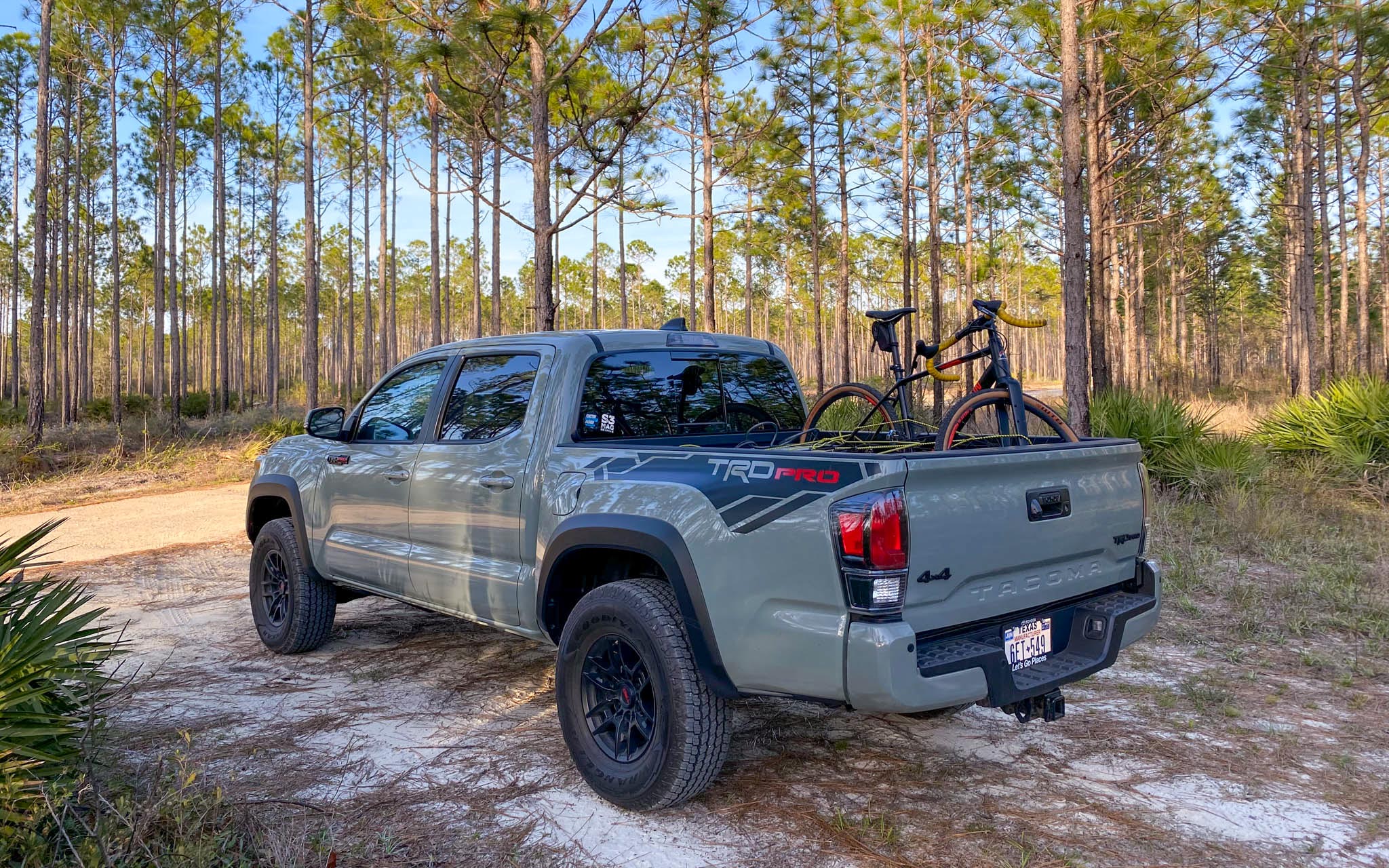
At an independent shop, budget $611 to $851 for a pair of front struts including labor. All four corners runs $900 to $1,300 in most markets. Aftermarket parts from KYB or Monroe cost $80 to $200 each. OEM Toyota struts run $250 to $400 each. The aftermarket units from reputable brands hold up fine for street use and light trail driving.
Toyota 4Runner
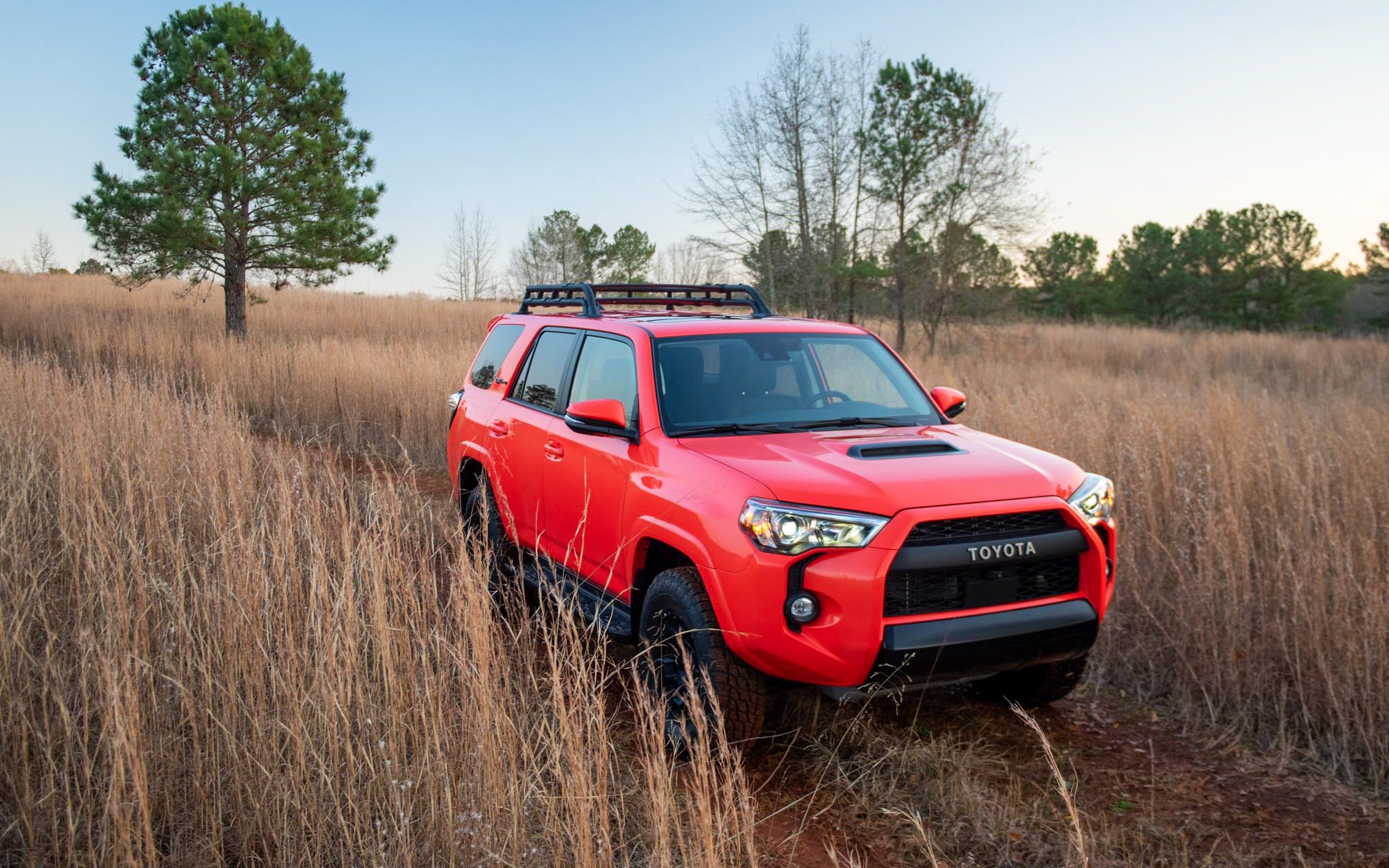
Front strut replacement on a 4Runner typically runs $689 to $1,051 at a shop. The platform is similar to the Tacoma but the spring rates and vehicle weight differ, so the parts are not interchangeable. The s3mag 4Runner review gets into how the suspension setup affects real-world handling if you want to understand what you are replacing and why.
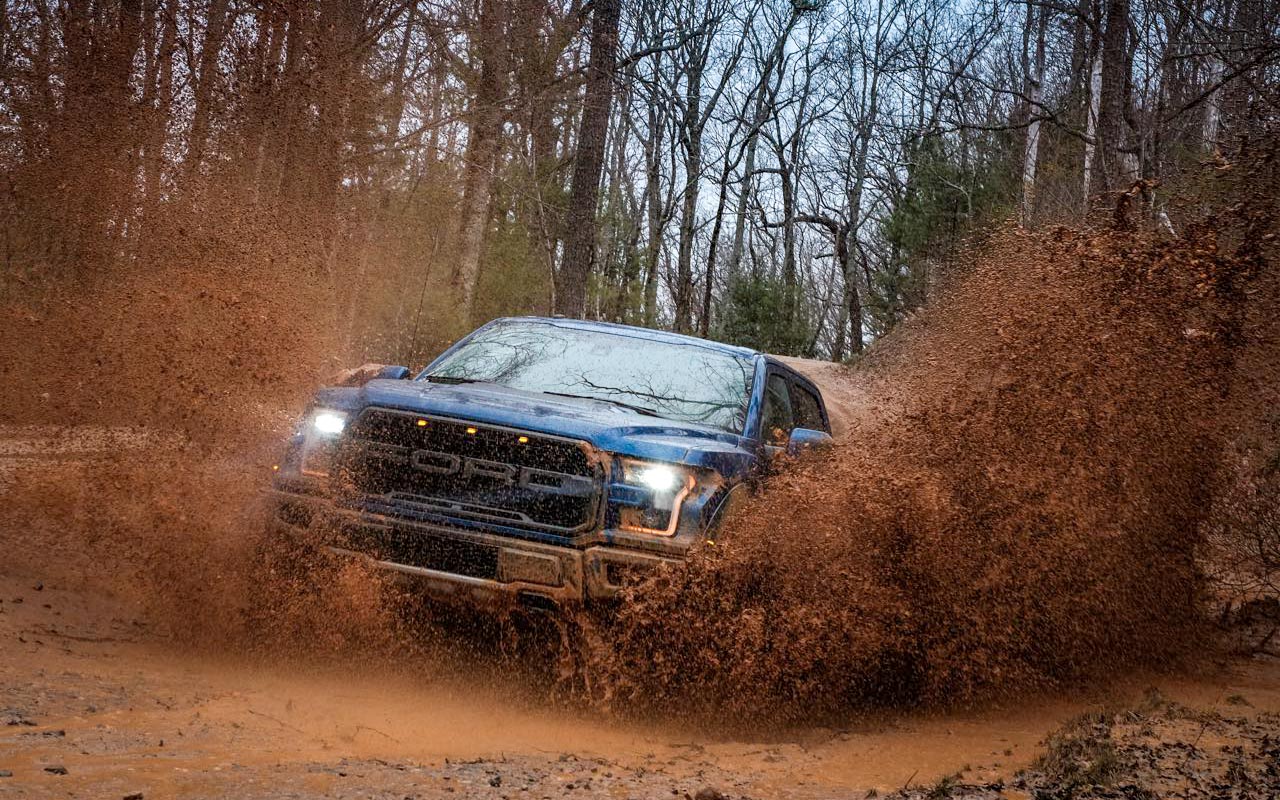
Ford F-150
The F-150 uses front struts on 2WD models. On 4WD variants you are still dealing with a strut-based front suspension, but access is tighter and the components are heavier. Plan on $600 to $900 at a shop for a pair, with labor alone running $200 to $350. The F-150 is more labor-intensive than either Toyota.
DIY vs. Shop
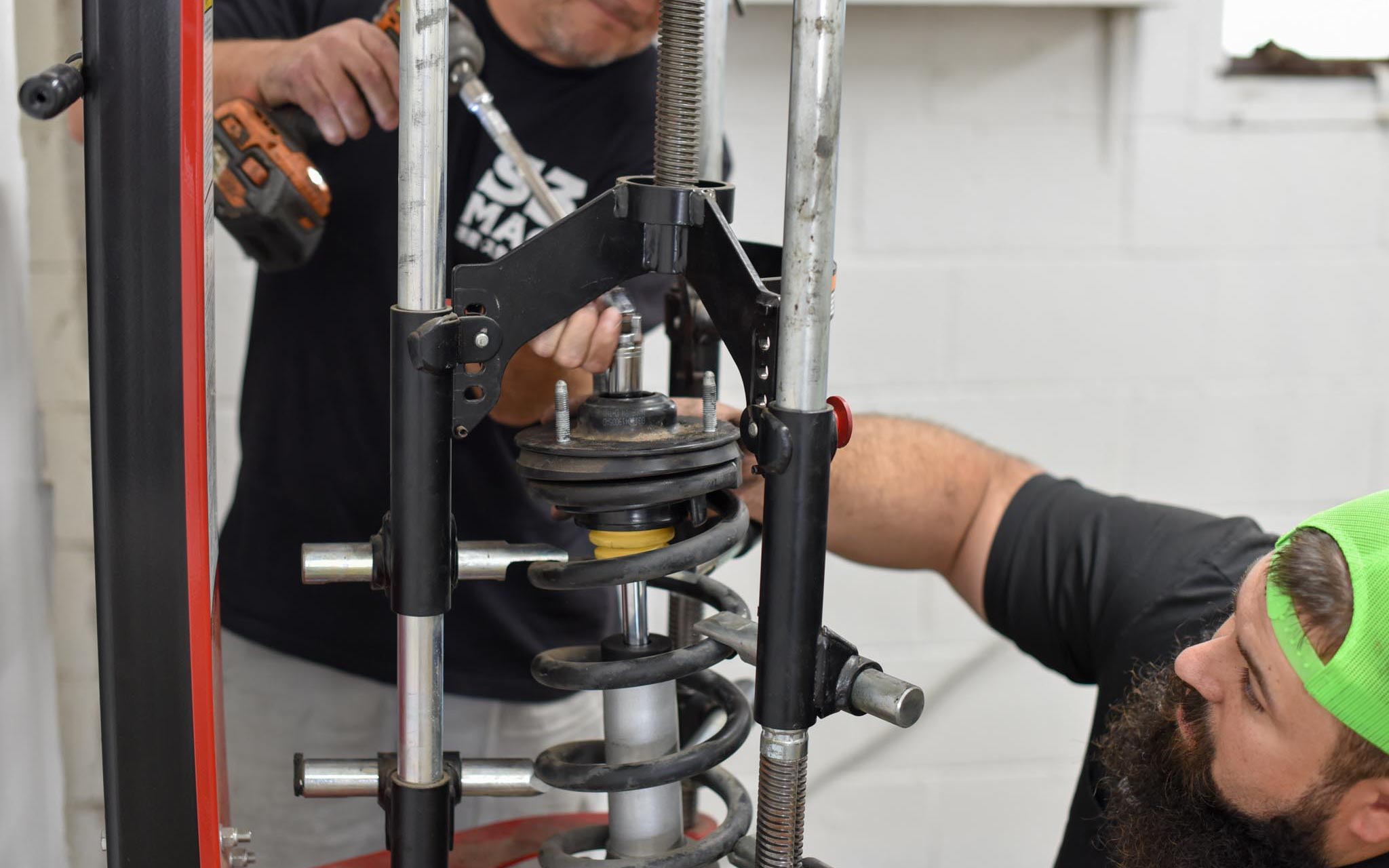
DIY is realistic on the Tacoma and 4Runner if you have a spring compressor. NEVER attempt strut work without one. A loaded coil spring stores enough energy to seriously injure you if it releases during disassembly. Most auto parts stores rent spring compressors for free or a small deposit.
Complete strut assemblies from Monroe or KYB run $120 to $180 each and come with the spring pre-assembled, which eliminates the compression step. For most DIYers, that is the smarter purchase. The job takes two to three hours per corner for someone who has done it before. Figure a full day if it is your first time.
The F-150 is harder to DIY because of the heavier components and tighter packaging. Doable, but it should not be anyone’s first suspension project.
For aftermarket parts at fair pricing, Detroit Axle carries complete strut assemblies for most Tacoma, 4Runner, and F-150 applications. Worth pricing out against what your shop is planning to order.
ALWAYS budget for an alignment after strut work. New struts change ride height slightly, which shifts caster and camber. Running an out-of-alignment truck after a strut job will wear through your tires fast and handle poorly. Add $80 to $150 to your total.
How Long Do Struts Last
Struts typically last 50,000 to 100,000 miles. Trucks that run trails regularly, carry heavy payloads, or drive in areas with heavy road damage wear faster. A Tacoma that has done a few trail days per year will often need struts earlier than one that only sees highway miles.
A 2019 4Runner came in with 82,000 miles and the front end was bouncing four times over every speed bump. The owner had done maybe a dozen moderate trail days in the Angeles National Forest over three years, nothing extreme. Both front struts were shot. New KYB units, full four-wheel alignment, and the truck felt like new. Total shop bill, parts and labor and alignment, came to $920. She had been putting it off for six months.
How do I know if my struts are bad?
Bad struts show up as excessive bouncing after hitting a dip or bump. If the front of the truck oscillates more than twice before settling, the dampers are worn out. You will also notice increased body roll in corners, brake dive under hard stops, and eventually uneven tire wear. The bounce test is the fastest way to confirm it without putting the truck on a lift.
Can I drive with bad struts?
Technically yes, but it extends your stopping distance and reduces steering control. On a truck with trail history, worn struts also start putting extra stress on tie rods, ball joints, and the control arms because those components are absorbing forces the struts are no longer managing. A blown strut on one corner will also accelerate wear on the strut on the opposite corner.
Do I need an alignment after strut replacement?
Yes, always. Replacing struts changes suspension geometry. Even if the truck was in perfect alignment before, it will not be after. Four-wheel alignment is the standard. It is not optional. Any shop that replaces your struts and does not recommend an alignment is cutting a corner that will cost you tire wear over the next year.