
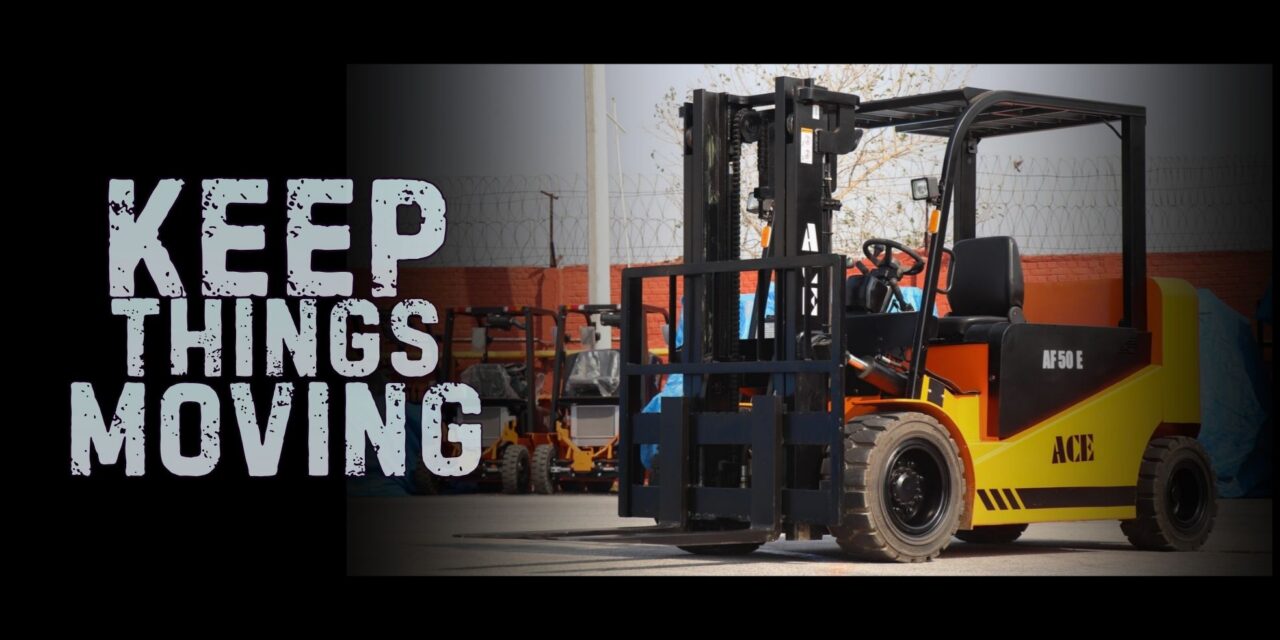

A warehouse rarely slows down because of one dramatic failure. More often, small equipment problems accumulate until a forklift is unavailable when the team needs it most. Worn brakes, leaking hoses, and neglected filters can interrupt loading schedules and create unexpected repair bills. Controlling those costs takes more than finding inexpensive components. It requires knowing how equipment wears, buying parts that fit, and planning maintenance around the way each truck actually works.
Spot the Small Problems Before They Spread
Forklifts endure repetitive lifting, tight turns, frequent stops, and hours of operation. Over time, that workload affects tires, brakes, hydraulic seals, mast components, and electrical connections.
The expensive mistake is treating every warning as something that can wait until the next quiet day. A damaged hose can lead to fluid loss, while poor braking performance creates a safety concern that should never be ignored. Catching problems early gives maintenance teams more control over repairs and scheduling.
Keep a simple record of recurring defects. When the same component fails repeatedly, investigate the underlying cause instead of ordering another replacement automatically.
Make Compatibility Part of Every Purchase
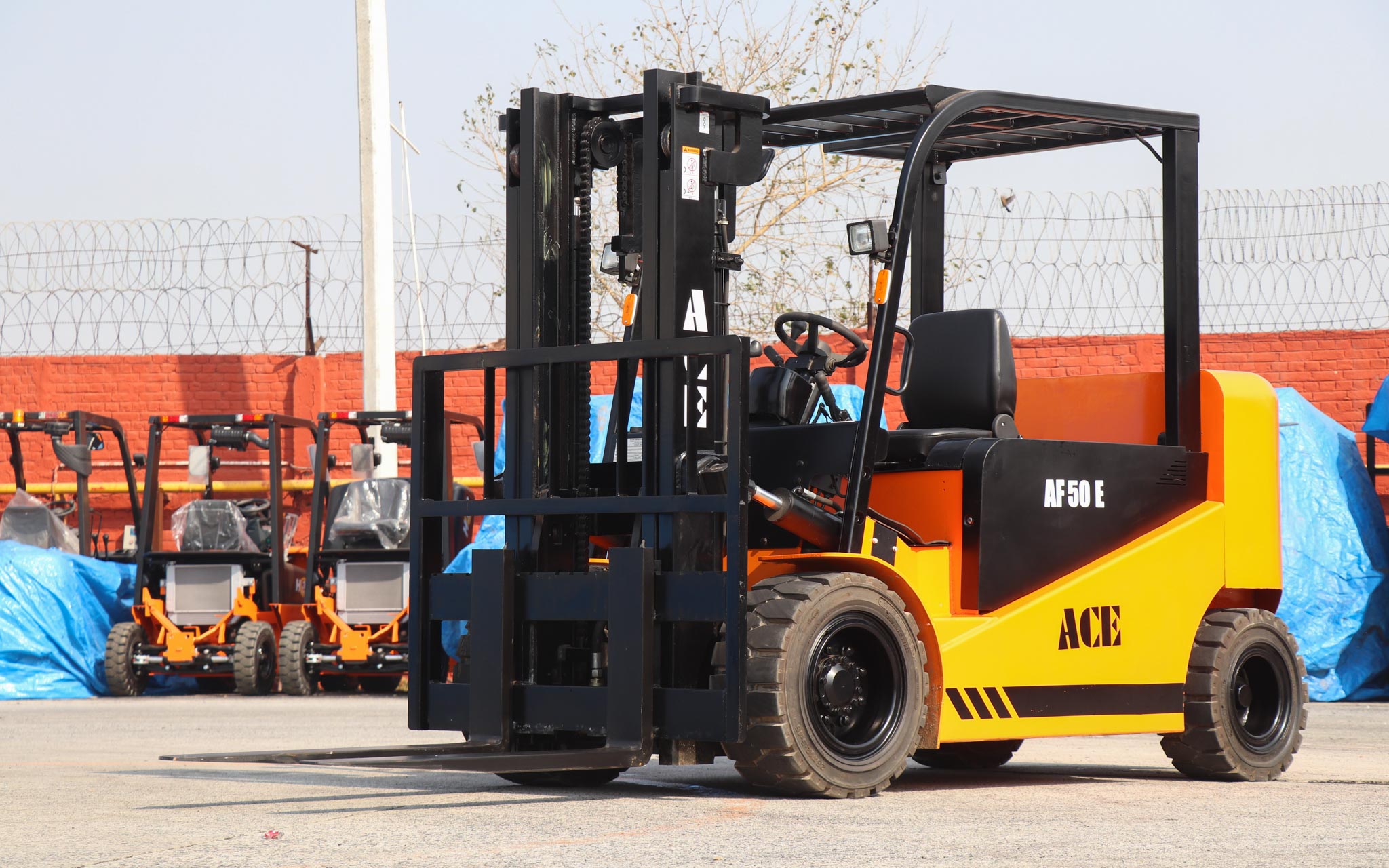
A replacement part only saves money when it’s suitable for the equipment. Similar-looking components can differ in dimensions, specifications, or compatibility across models. Guessing creates unnecessary returns and may introduce safety risks.
Finding the right replacement components starts with checking the equipment’s model, serial number, and specifications. Buyers looking for affordable Toyota lift truck parts can explore aftermarket options for brakes, hydraulic systems, filters, electrical components, and other essential parts. Comparing these options against the truck’s requirements helps prevent ordering mistakes, unnecessary returns, and additional downtime.
Safety-critical replacements should meet applicable specifications, and qualified personnel should handle repairs. The right component purchased once, is usually a better value than a cheaper guess purchased twice.
Turn Inspections Into Useful Maintenance Decisions
Inspections should reveal developing problems, not merely produce completed paperwork. Operators are often the first people to notice unusual steering, sluggish lifting, or changes in braking response. Giving those observations a clear reporting route helps technicians act before defects worsen.
The daily inspection guidance for powered industrial trucks covers checks involving forks, tires, fluid levels, controls, and other components. Inspection procedures should reflect the truck type and the manufacturer’s instructions, rather than relying on one generic form for every machine.
A useful maintenance record connects each finding to a decision: monitor, schedule service, or remove the truck from operation. Unsafe equipment must not continue working while someone waits for a convenient repair window. That discipline also improves communication between shifts. Incoming operators can see unresolved issues, while supervisors gain a clearer picture of which machines need attention before work begins again.
Measure Downtime Alongside the Repair Invoice
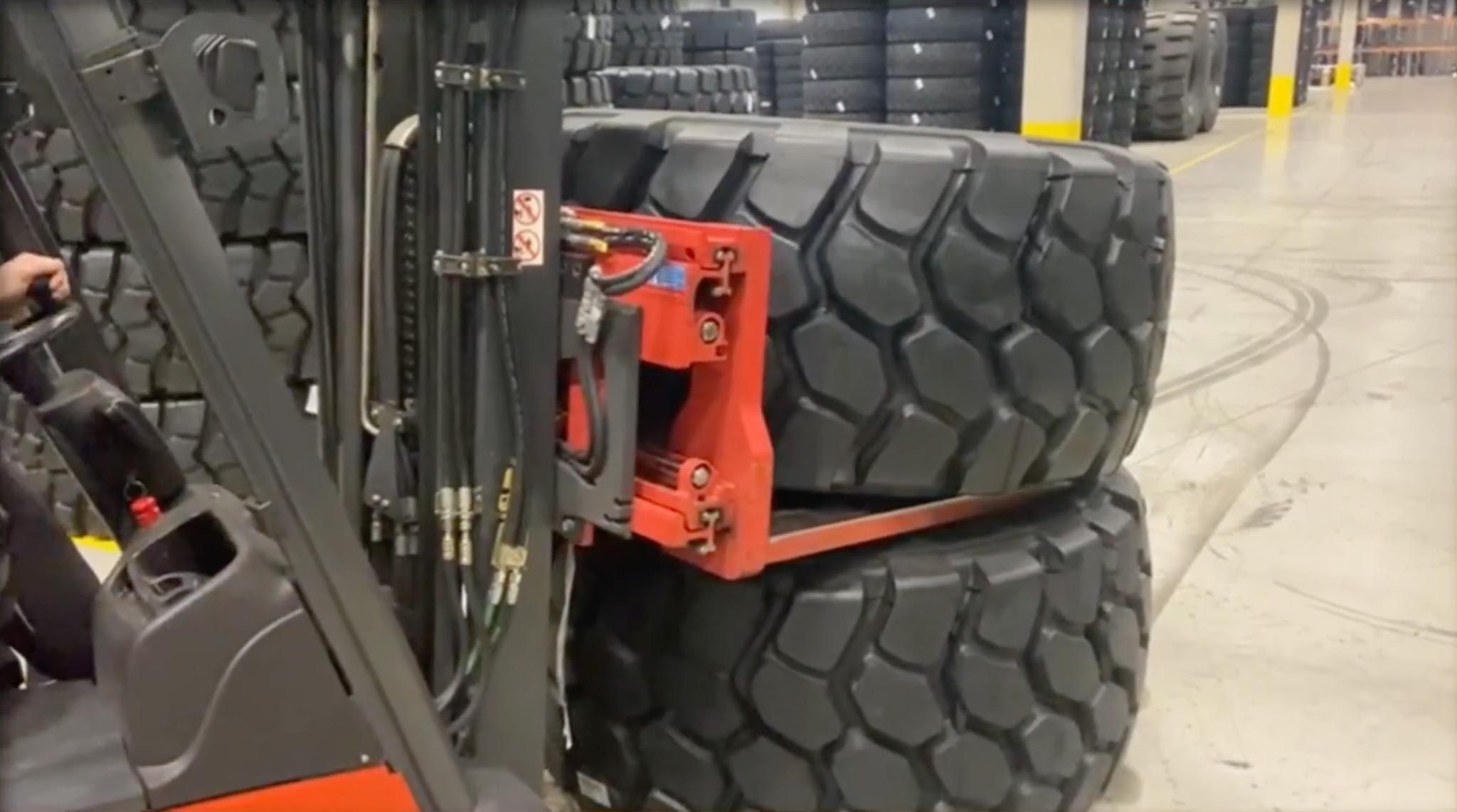
The price of a part is only one piece of a breakdown. A forklift sitting idle can delay shipments, interrupt picking routes, and force other equipment to handle additional work. That disruption can be more costly than the repair itself.
Estimate what an unavailable truck means during a typical shift. Consider labor delays, missed loading windows, temporary equipment arrangements, and the time technicians spend diagnosing the problem.
This does not mean replacing every component early. It means understanding which failures have serious consequences, and prioritizing those risks. A planned repair during a scheduled service period is easier to manage than an emergency that stops a busy loading area.
Stock What Your Fleet Actually Uses
Keeping every possible replacement part on a shelf ties up money and space. On the other hand, keeping nothing in reserve can make a routine repair depend on delivery schedules. The useful middle ground comes from examining actual consumption.
Review service records to identify frequently replaced filters, seals, wear items, and other components. Compare those patterns with truck age, operating hours, and supplier lead times. Parts that fail regularly or take longer to obtain, may justify a small reserve.
Label inventory clearly and confirm compatibility before issuing parts to technicians. A well-organized shelf prevents duplicate purchases, and reduces the chance that an urgent repair stalls because the available item fits a different machine.
Give Operators a Role in Equipment Care
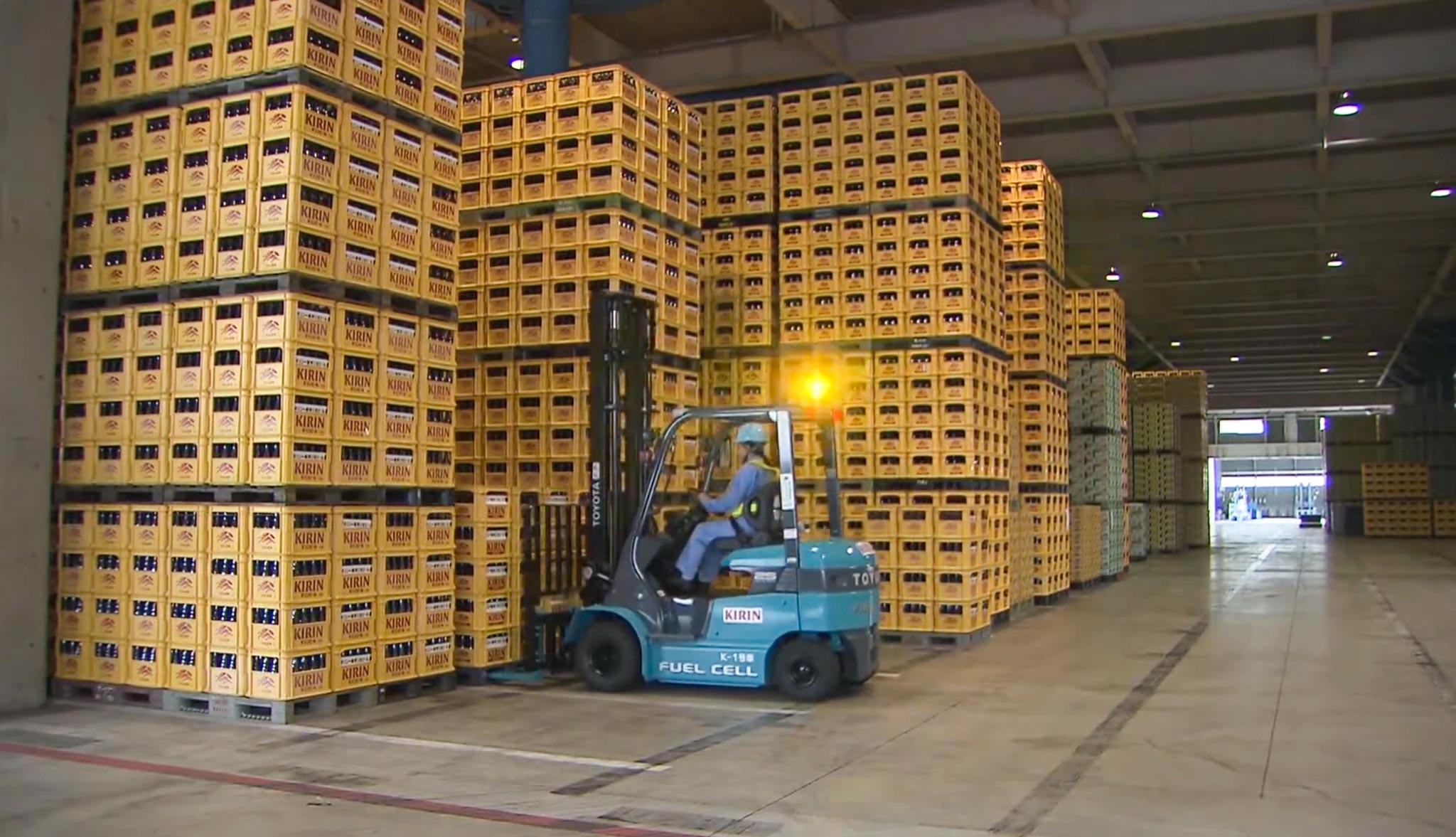
Operators influence maintenance costs through daily habits. Sudden stops, impacts, improper loading, and overlooked warning signs can accelerate wear or damage equipment. Training should therefore explain not only how to operate a forklift safely, but also how to recognize changes in its condition.
The guidance on conducting daily forklift inspections reinforces the value of thorough checks before equipment enters service. The practical lesson is straightforward: an inspection is useful only when reported defects lead to appropriate action.
Encourage operators to describe what happened and when, without expecting them to diagnose mechanical faults.
Choose Repairs That Hold Up Over Time
A successful repair restores dependable operation, not merely enough function to finish the shift. Technicians should examine related components when a failure suggests a broader problem. Replacing a seal without addressing the condition that damaged it may create another repair shortly afterward.
Document what was replaced, why it failed, and whether the truck passed the required checks before returning to service.
Purchasing teams and technicians should also communicate. A low price is less valuable if repeated failures consume labor and interrupt operations. Comparing total repair outcomes produces better purchasing decisions than comparing invoices alone.
Build a Budget Around Predictable Work
Maintenance budgets improve when they reflect real daily equipment use. Track operating hours, recurring faults, planned service, parts consumption, and downtime. Those figures reveal which trucks are becoming expensive to maintain, and where preventive attention delivers value.
Set aside room for unexpected repairs without treating every surprise as unavoidable. Review purchasing and service patterns regularly, then adjust stock levels and maintenance schedules as conditions change.
The goal is not to eliminate repair spending. It is to make spending deliberate, protect safe operation, and keep essential equipment available. A dependable warehouse depends on dozens of small decisions made well before the next breakdown.