
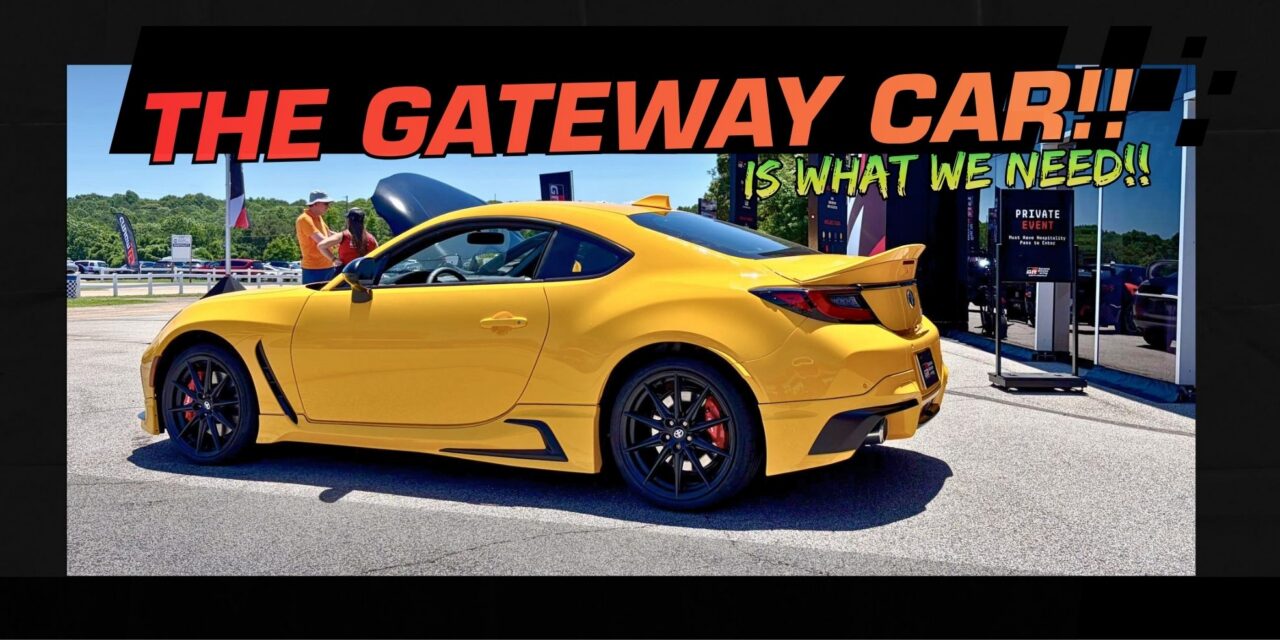

Jonathan Wooley recently made a simple observation that’s been rattling around in my head ever since: He said the automotive industry needs to start building inspiring cars for young people again. At first, I didn’t think much of it. After all, every generation thinks the next generation is doing something wrong. We complain that kids don’t drive anymore. That they’re glued to their phones. That can’t drive stick, change a tire, check their oil… yada-yada. Then I stopped and thought about it. Maybe they’re not the problem. Maybe we are…
View this post on Instagram
Or more specifically, maybe CARMAKERS are the problem…
Because when I was growing up, there were gateway cars everywhere. They weren’t wildly fast. And they weren’t technological marvels. But they weren’t expensive either. And here’s the clincher: They had a vibe! Cool, head-turning, and stylish. They gave young people a reason to care about cars.
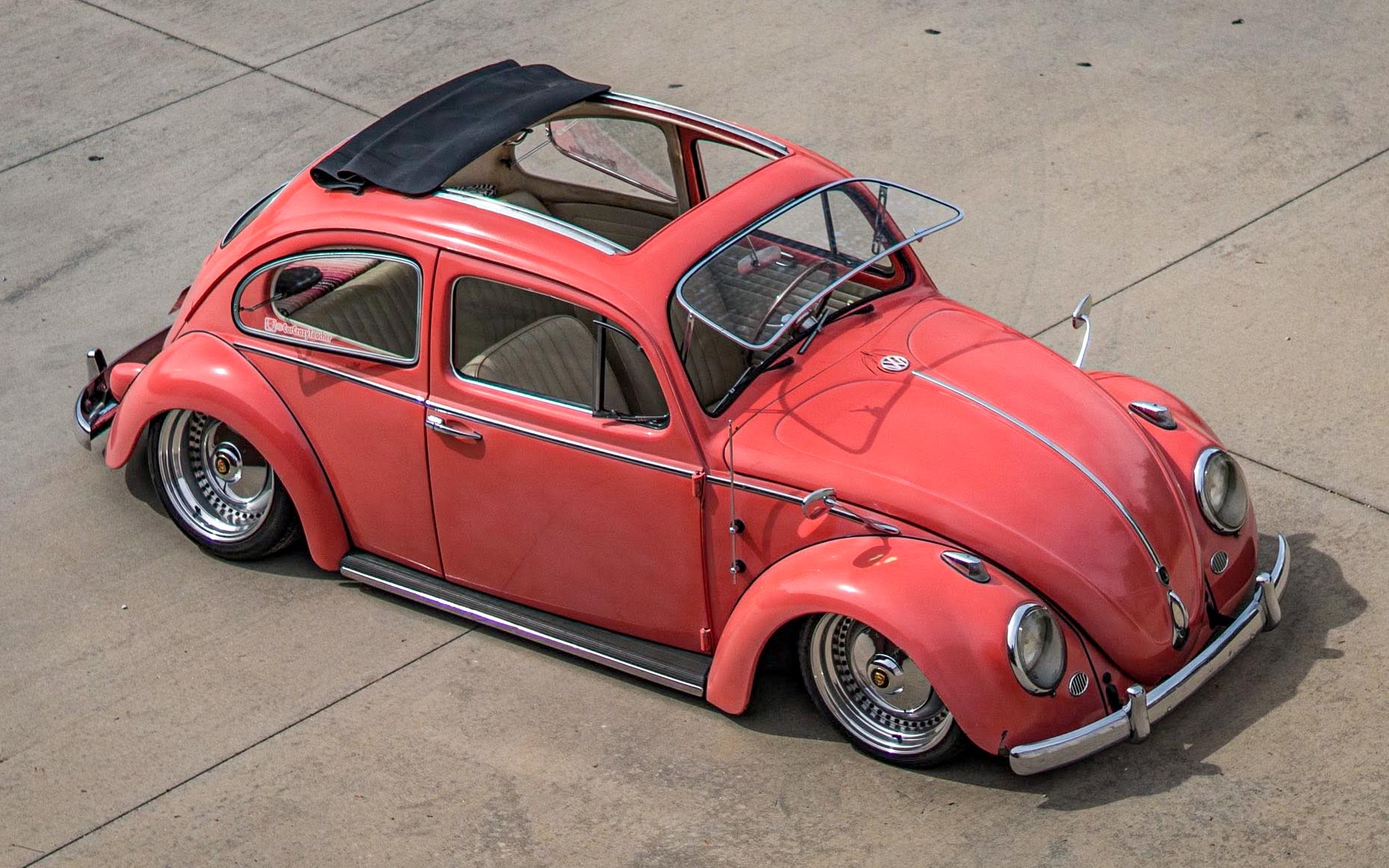
The original Volkswagen Beetle…
Today, they’re cult-classic collector cars… sometimes selling for sums of money that would’ve made the original owners choke on their coffee. But when the Bug hit pop-culture, nobody thought they were buying a future classic. They were buying affordable, hip transportation. VWs were easy to work on, cheap to operate, and fun to tinker with. And when you mix-in young, expressive owners… and it created a formula that set-off the custom culture. The Beetle wasn’t cool because Volkswagen made it to be cool. But it evolved to be cool because the youth made it part of their lifestyle.

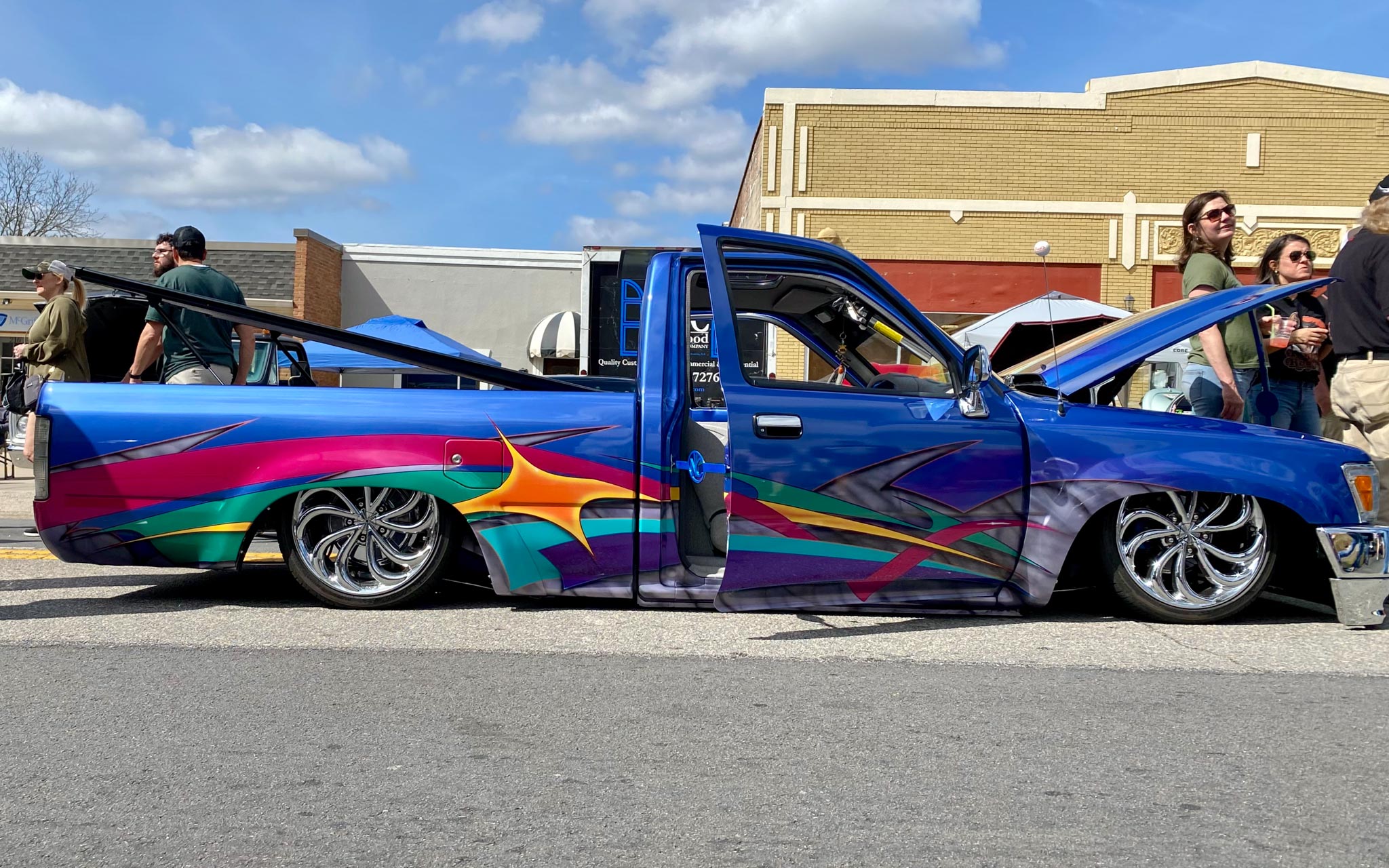
The Mini truck Movement…
If you grew up during the the mini truck movement, you know exactly what I’m talking about. Entry-level pickups weren’t built to be status symbols or flexes. They were bare-bones utility. Nobody was bragging about their lockers or arguing over who had the bigger screen. These pickups were cheap, simple, and square… BUT… that made them a black canvas to customize. People lowered them, lifted them, re-envisioned interiors, and went wild on paint & body. They made rolling boomboxes, cut the roofs off, and cruised the beaches & boulevards. All while having fun & building skills/pop-culture/community.
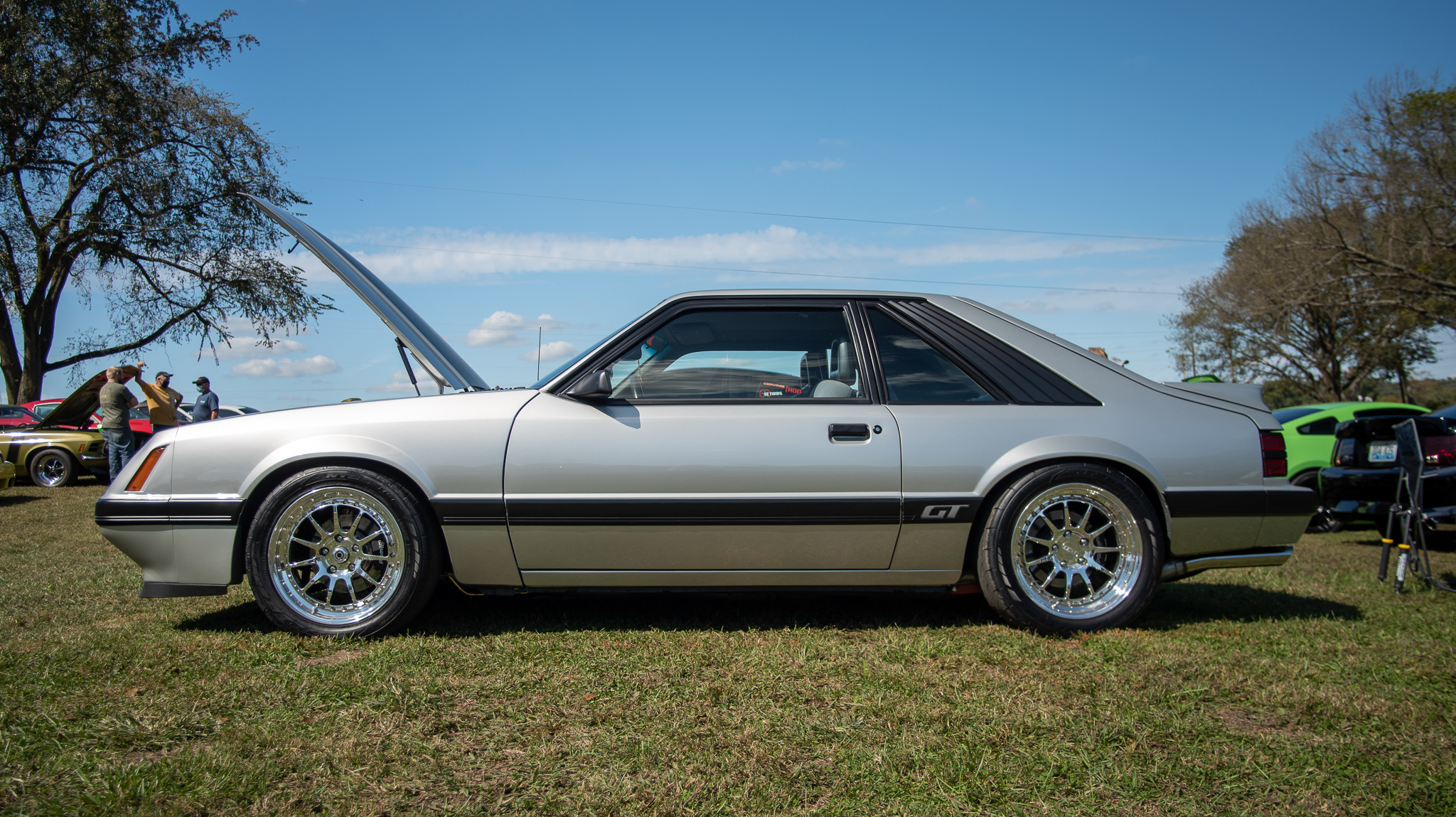
The Fox Body Mustang deserves an honorable mention here too…
Coming off the Mustang II, Ford probably had no idea they were creating one of the greatest generational gateway cars in automotive history. The Fox Body wasn’t perfect. It was smothered by emissions. And depending on the year, some were held together by plastic clips & optimism. But – they were affordable, they had energy, parts were everywhere, and everyone knew someone who had one (and could work on them). They taught an entire generation how to wrench, modify, troubleshoot, and occasionally set things on fire.
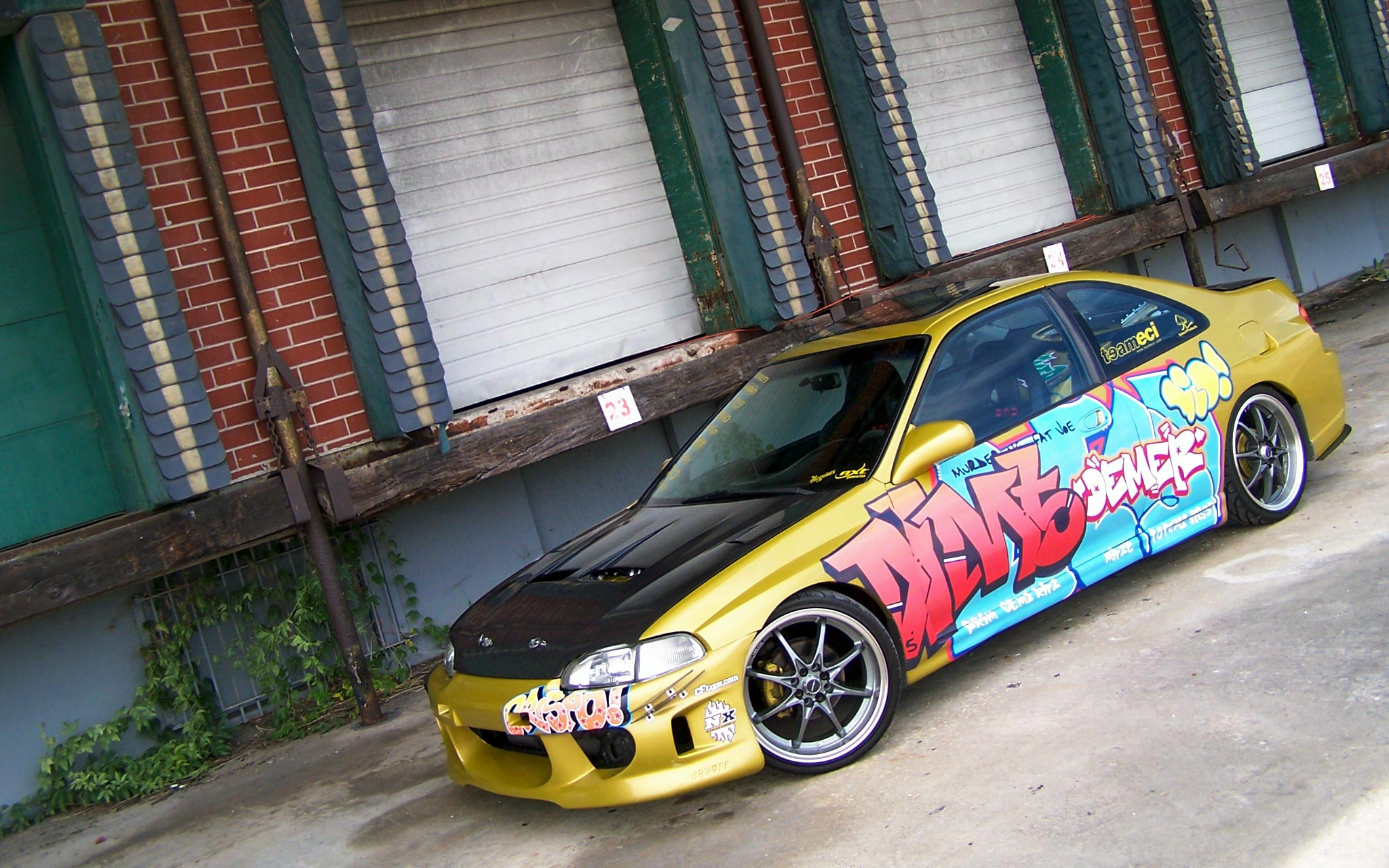
Then there was the sport-compact boom…
AKA: The Import Scene. By the mid/late 90s, modified imports took over the streets & parking lots! Civics. Integras. CRXs, GTIs, Eclipses/ Talons, 240s, etc. Entry-level sport-compacts! Scrappy little cars that looked COOL AS HELL… and were affordable to kids with college jobs and questionable financial judgment. In a a lot of ways, the import scene built off the mini truck scene, but with more focus on aggressive performance. And it was almost impossible to leave these cars stock. They were fun to own, fun to drive, infectious to modify. And for a generation of youth, the import car scene became a lifestyle identity.
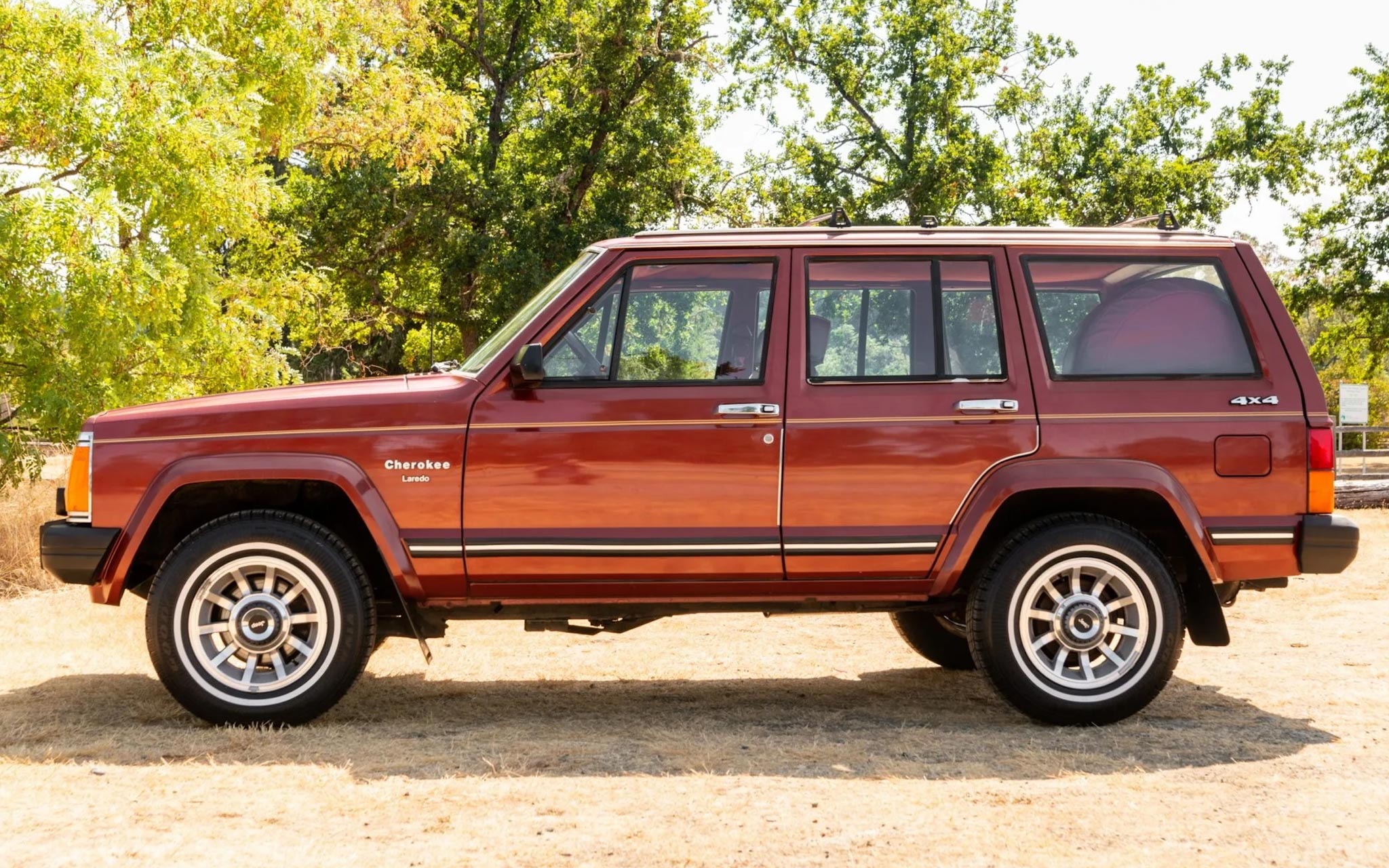
Lower-key, but the XJ Jeep Cherokee may be one of the greatest examples of all…
It wasn’t fast, and it wasn’t luxurious. Rather, the Cherokee’s simple-utility was its charm. It was affordable, wildly capable, and nearly impossible to kill. You could buy one, throw a lift on it, lil bigger tires, and suddenly you had this humble, adventurous, easy-going aura around you. The XJ created off-road enthusiasts, because it allowed people to participate without taking out a second mortgage.
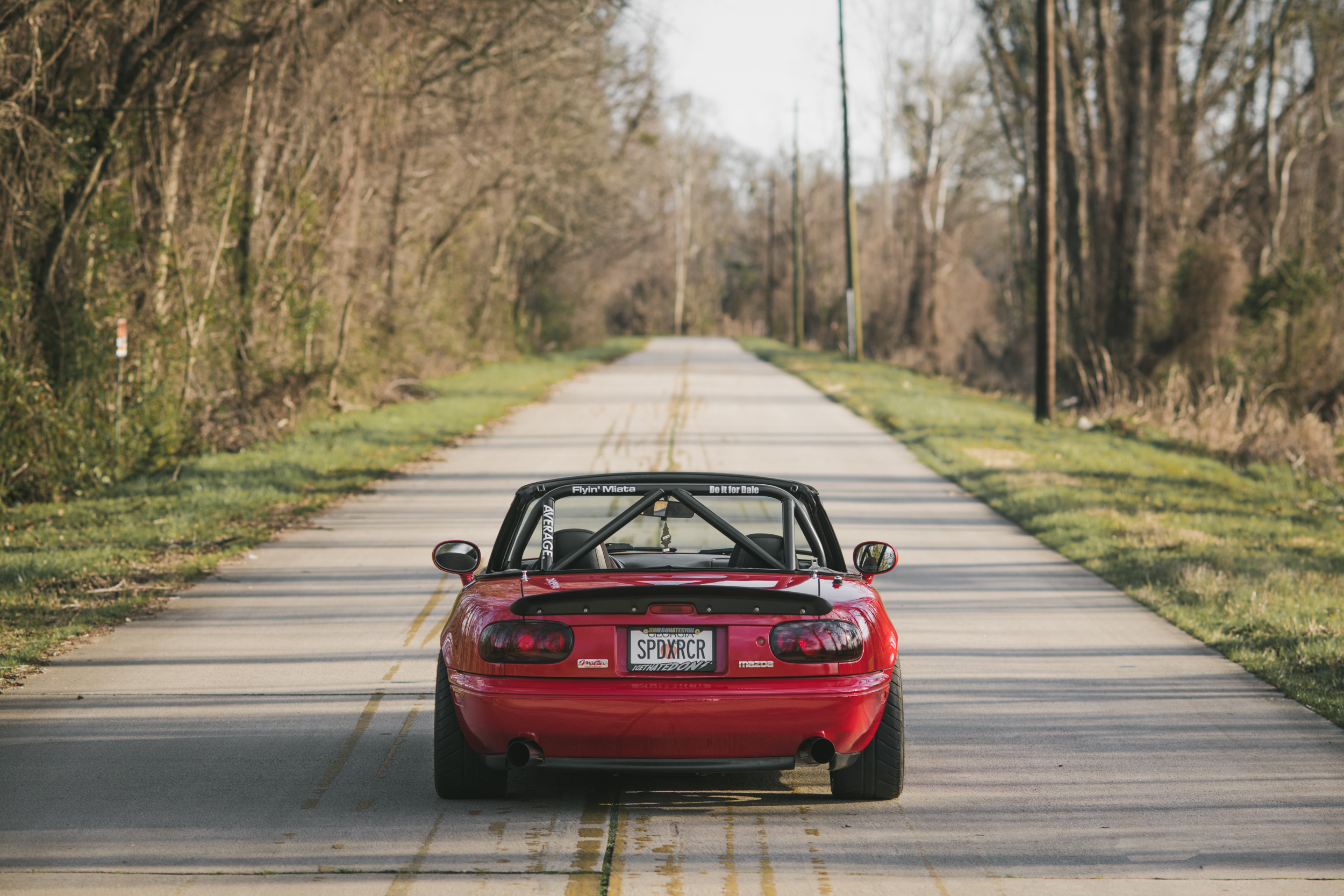
And then there’s the Miata…
As a large man who has spent an embarrassing amount of time trying to fold himself into tiny sports cars, I’ll always defend the Miata as an all-time icon. The thing had no business being as much fun as it was. It wasn’t powerful. And it wasn’t exotic. It wasn’t trying to win drag races. It simply reminded people that driving could be therapy. Somewhere along the way, the industry became obsessed with horsepower figures, Nürburgring lap times, and enough screens to rival a Best Buy television department. But even today, the current Miata still reminds us that a lightweight sports car on a winding road is still better than any of that other stuff.
So what happened?
Good question. Complicated question. Modern vehicles are objectively better than the vehicles we grew up with. They’re faster, safer, more efficient, and more comfortable. If I had to drive across the country tomorrow, I’d much rather do it in a modern F-150 than a 1987 Ranger. Nostalgia is wonderful… right up until the air conditioning quits in July in Fort Lauderdale. But somewhere along the way, we lost the gateway car.
The industry still builds dream cars…
In fact, you could argue it builds better dream cars than ever before. But dream cars used to have stepping-stones beneath them. A Ferrari Testarossa was a dream car for a kid… but so was an Eclipse. Today’s enthusiast-market feels increasingly focused on upmarket destination vehicles: Broncos. Raptors. TRXs, ultra-high-performance Corvettes, specialty Mustangs. $50,000 Corollas & Civics. Incredible machines – all of them. But often financially out of reach for the very people they’re supposed to inspire!

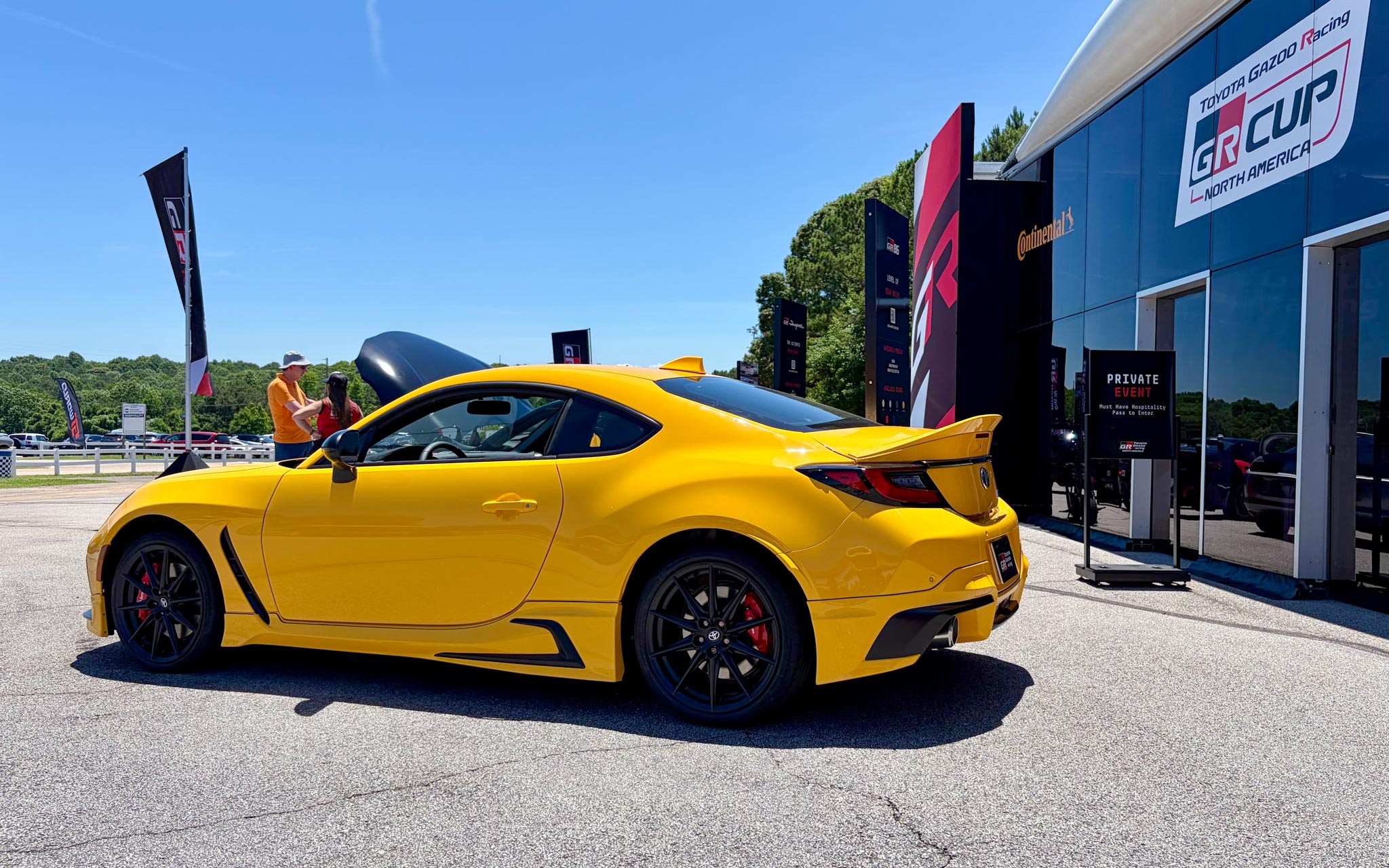
Today, many younger enthusiasts aren’t buying gateway cars – because frankly – there aren’t many gateway cars to buy! What are they gonna buy?? A crossover with a CVT transmission? Nah thanks. GR86 aside, the auto industry alienated their next crop of enthusiasts the second they stopped making engaging/expressive/affordable cars. We don’t need another thousand-horsepower paddle-shifting halo car. And we don’t need another 4×4 with FOX shocks and a 5-digit monthly payment. Finally – we don’t need another vehicle whose option list adds-up to more than my first three cars combined.
What the car industry needs… are gateway cars…
Affordable, durable, genuinely exciting, and customizable. Something that inspires ownership rather than subscription. And something that invites young people into car culture, rather than locking them out of it. Because every enthusiast I know started somewhere OTHER than Raptors, Ms, & AMGs. The industry still remembers how to build dream cars. But the question is: Does it remember how to build the first dream?
Article by David S. Windsor