
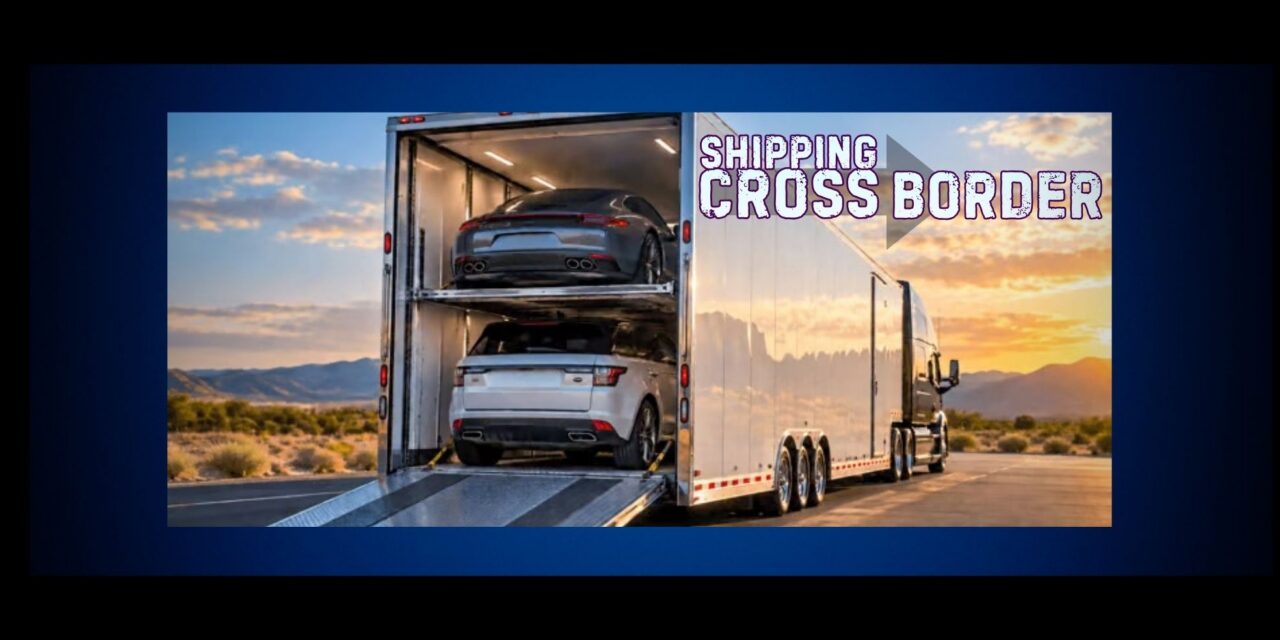

Nobody spends six figures restoring a car, just to watch it sit in a port parking lot for two weeks. That’s the reality of sea freight though. The car goes into a container, the container goes to a port… then it waits. And waits. Meanwhile, the owner is checking tracking updates from 3 time zones away, hoping the vessel did not get rerouted. The truck-or-sea question matters most for one reason: How many hands touch the car before it reaches the show floor? For owners who want the car to arrive clean and ready for display, cross border shipping to Mexico by enclosed truck keeps the vehicle in one trailer from pickup to destination, with no port handling or container transfers along the way.
Same driver, same trailer, and the same set of eyes on the car from start to finish.
Cross Border Shipping to Mexico: Ports Are Not Built for Fragile Cargo
A container yard is a rough place. Cranes swing. Forklifts dart around. Dockworkers move fast because ships do not wait. Nobody there knows your car has a hand-rubbed lacquer finish.
Sea freight can look simpler on paper, until a port seizes up: As Business Insurance reported on the backlog at Mexico’s largest port, a customs workers’ strike at Manzanillo left inspections running past 72 hours per unit, yards overflowing, and potential losses of up to $150 million… with a return to normal operations expected to take as long as five weeks. Those are delays no show car owner wants when an event date is fixed.
Five weeks. An entire show season can disappear in that window.
Even under normal circumstances, cargo containers exhale. Moisture enters. Dust gathers. The vehicle comes out dirty, requiring an entire wash job before anyone can tell if there was any damage during the transport process.
Why the Highway Makes More Sense
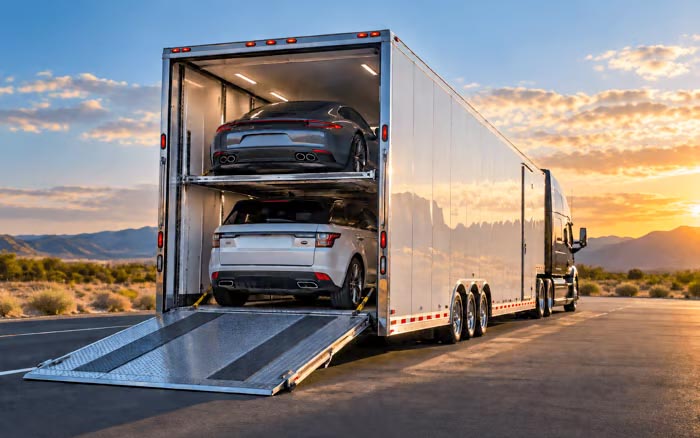
An enclosed auto trailer is a different world. It is essentially a rolling garage. The car gets loaded once, strapped down properly, and the doors stay shut until arrival.
Cross-border trucking on the U.S.-Mexico route is routine. Carriers run it daily. Brokers know the customs paperwork. Clearance happens while the car stays inside the trailer, protected from weather and handling.
In cross border shipping to Mexico, timing favors trucks too – days versus weeks. That gap matters when the vehicle needs prep time before an event.
There is, however, also the question of liability. There can be no blame-game played among the shipping line, the port agent, and the trucking company when there is just a single carrier and trailer involved.
Final Thoughts
Sea freight has its place for heavy equipment & bulk cargo. Things that can survive a rough journey without cosmetic consequence. A show car cannot. Every scratch shows. Every delay costs.
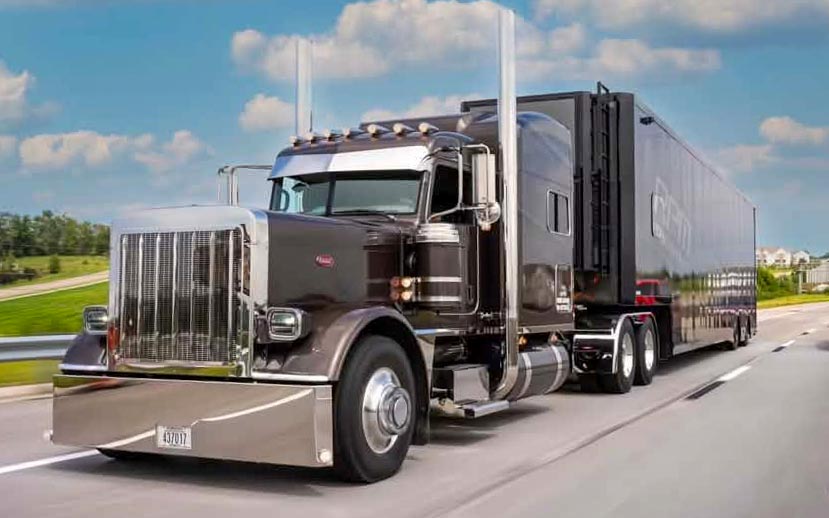
Choosing trucking for your cross-border shipping to Mexico keeps the vehicle in one set of hands, and on one schedule. When condition and timing both matter, the road wins.