

I don’t hate tech in the automotive industry. Let’s clear that up before somebody throws me into the “bring back carburetors and manual drum brakes” crowd. I like tech – BUT – I just like it in its place. Quite frankly, that place is assisting me… not supervising me, parenting me, or quietly trying to replace me. Because somewhere along the way, the auto industry stopped asking, “How can we help the driver?” and started asking, “How can we take over?” And that is where I tap out.
Helpful examples of automotive technology…
There are some things that make sense. ABS? Absolutely. Basic traction control? Good. Stability control when physics gets disrespectful? I’m in. Those systems were developed because people genuinely needed help in emergency situations. They intervene when you run out of talent or traction. That’s assistance. But on the other hand, we’ve crossed lines into…
Potentially dangerous examples of automotive technology…
We’re crossing a line when the steering wheel tugs at you. Just the other day actually, I was in a Lexus, allowing space for a walking pedestrian along a 2-lane road. As I partially crossed over the centerline to give space, the vehicle abruptly jerked the steering wheel directly at him – calculating the ‘yellow line’, but not the human being. In a different new vehicle, the car suddenly stabbed the brakes – hard – for absolutely no reason, other than what I can only assume was a misinterpretation of glare. These instances exemplify dangerous situations that at best disrupt the natural/predictable flow of traffic… and at worst can cause serious accident/injury/death. And in both cases, the tech would have been the cause of the accident… overriding the driver.
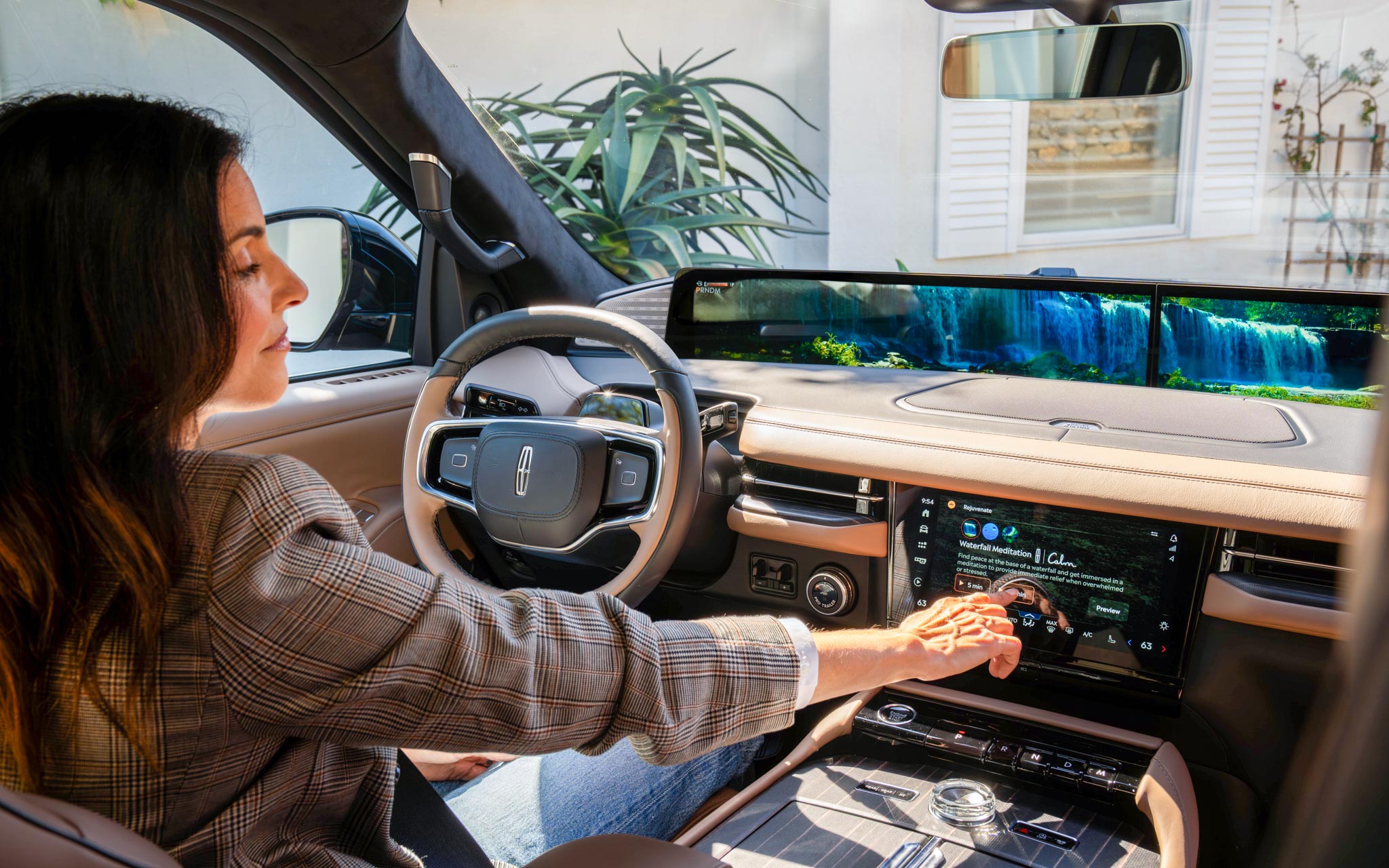
And then there’s just plain irritating examples of automotive technology. A Lincoln we reviewed has electronic AC/heat vents. So rather than simply moving them with your finger (like we’ve done since forever), you had to ‘navigate’ through the screen, find the AC vents, and electronically move them. Keep in mind, the vents are closer to your fingers than the screen is. And here’s another common example, do we need a symphony of warning beeps just to back out of a garage? If the warnings in new vehicles are incessant, they naturally lose their effectiveness. Remember the boy who cried wolf?

This might surprise people…
My day job is in telematics & vehicle safety. So this isn’t coming from some anti-tech purist yelling into the void. We install these systems into fleet vehicles – collision mitigation, lane monitoring, driver scoring, all of it. And here’s the inconvenient yet blatantly obvious truth: A lot of fleets today are hiring drivers who never should’ve been handed a CDL in the first place. Those are the people who need the driver’s aids. When drivers rotate trucks, you can’t always differentiate between the person who actually knows how to handle 80,000 pounds… and the one who barely passed their test. So the good drivers end up living with systems designed for the bad ones. And THAT’S the big picture.

So let’s pivot & talk about your personal car…
Did you buy a vehicle so it could second-guess you? In an age where new vehicle prices are out of control, how much of the new vehicle do you actually want to buy… versus how much was tacked-on and/or mandated technology? Personally, often times, I don’t want the system in the first place, yet I’m forced to buy it. And then it won’t let me turn the system off. Either that, or it forces me to repeat the process every restart. And if I find an aftermarket way to disable it, it voids my warranty? I don’t know about you, but I’m not paying to be monitored.
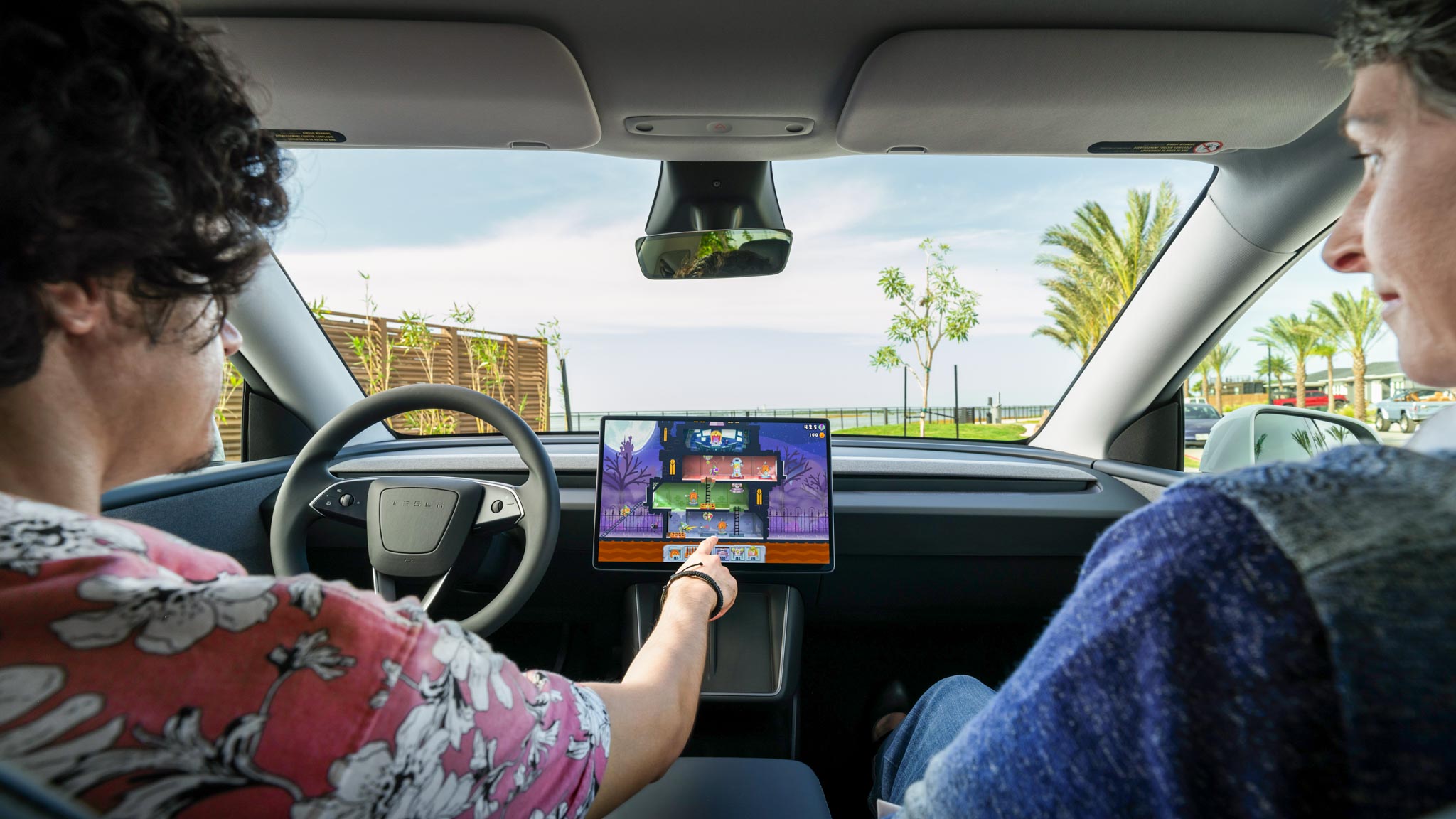
The touchscreen Takeover…
I don’t hate screens either. Apple CarPlay? Love it. Android Auto? Fantastic. Music, navigation, podcasts – clean, efficient, right there. That’s tech working for me. But I don’t want my climate control buried in a submenu. I don’t want to swipe through three pages just to adjust seat ventilation. That’s distracting, it’s dangerous, and it’s bad/lazy design. Furthermore – I definitely don’t want every core function of my vehicle dependent on one giant slab of glass. A physical knob has never needed a software update.
Here’s the irony…
I’m an aftermarket guy at the end of the day. I’ve worked heavily in car audio. I don’t hate big screens. What I hate is mandatory, OEM, ‘everything you need for your car is trapped in here’, big screens. Look – the game has changed, and we need to admit that. We used to joke about “cheap China junk.” That era is over. There are companies building Android and Linux-based systems that integrate into older vehicles better than some OEMs integrate into their new ones.
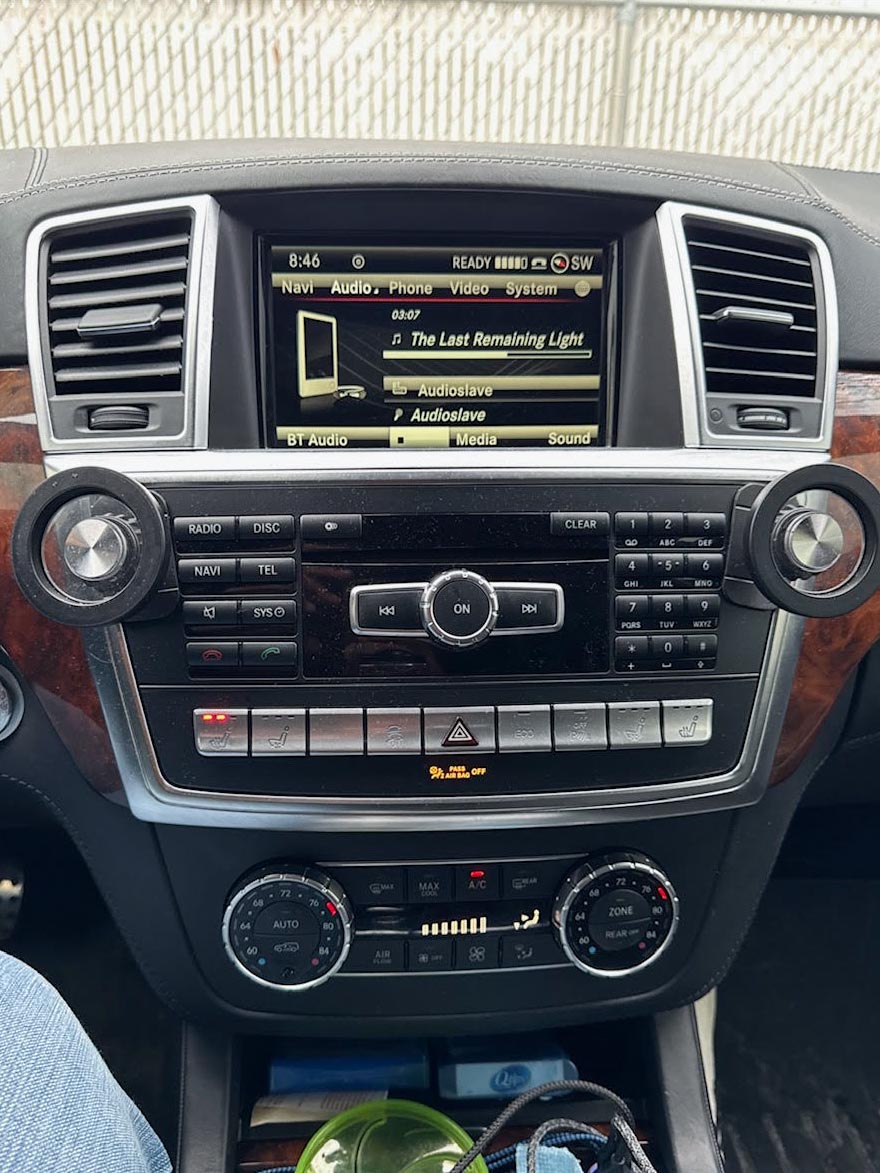
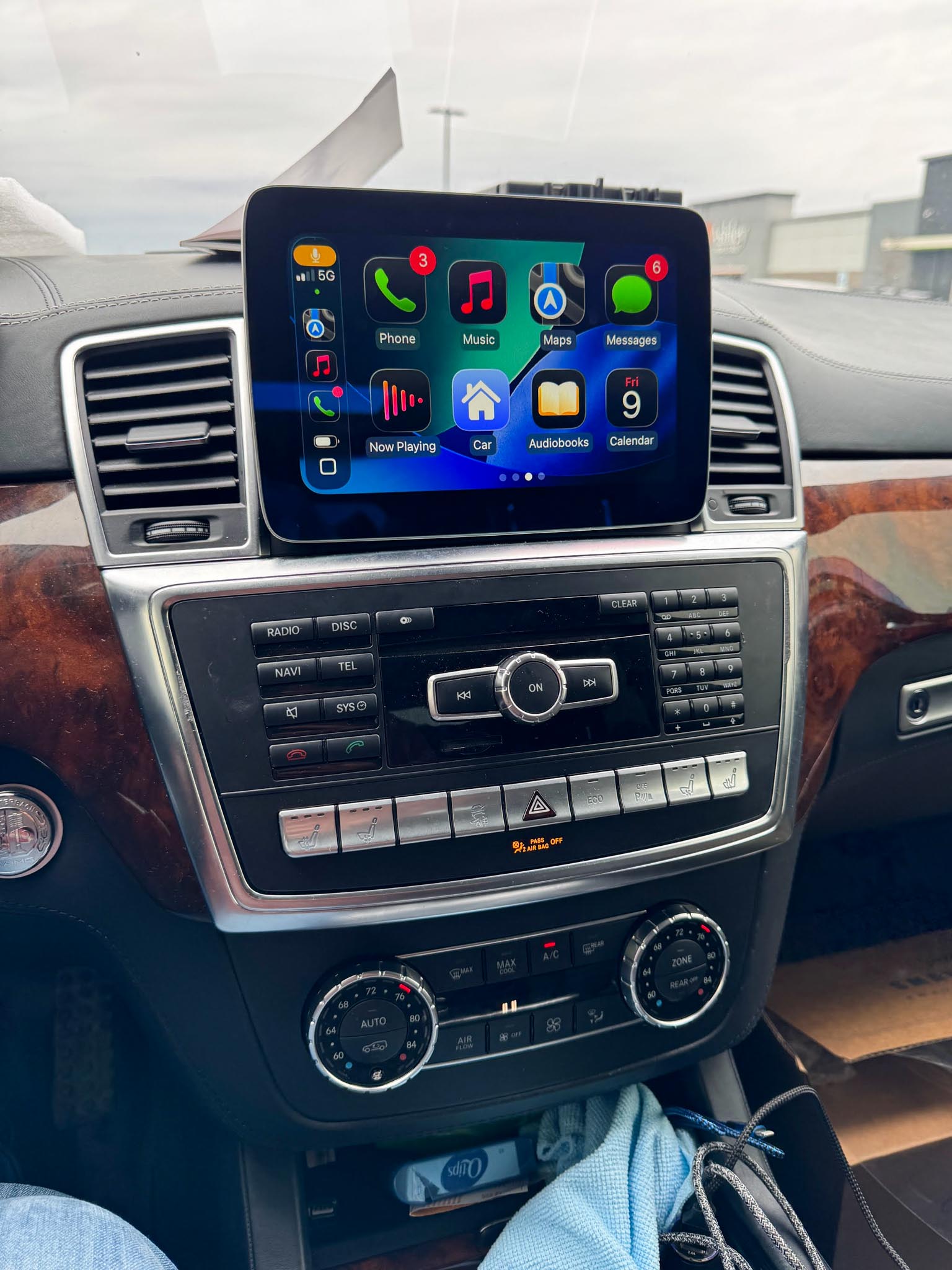
Take my 2013 GL63 AMG…
Twin-turbo V8, big-body, real presence – I love that machine. But Mercedes’ old COMAND system: Tiny screen; no touchscreen. That awkward rotary knob that feels like you’re dialing into 2005. As an Apple nerd who loves having CarPlay, I did some research and replaced that itty bitty low resolution factory screen with a Linux-based unit. It only cost me $250. And what did I get? Much higher resolution, touchscreen, CarPlay, Android Auto, mirror link, and more. And here’s the important part: It retained the full factory system. All OEM menus, cameras, and vehicle settings. Everything is modernized without gutting the vehicle. That’s tech done right.
Then there’s my 2014 Ford F-150…
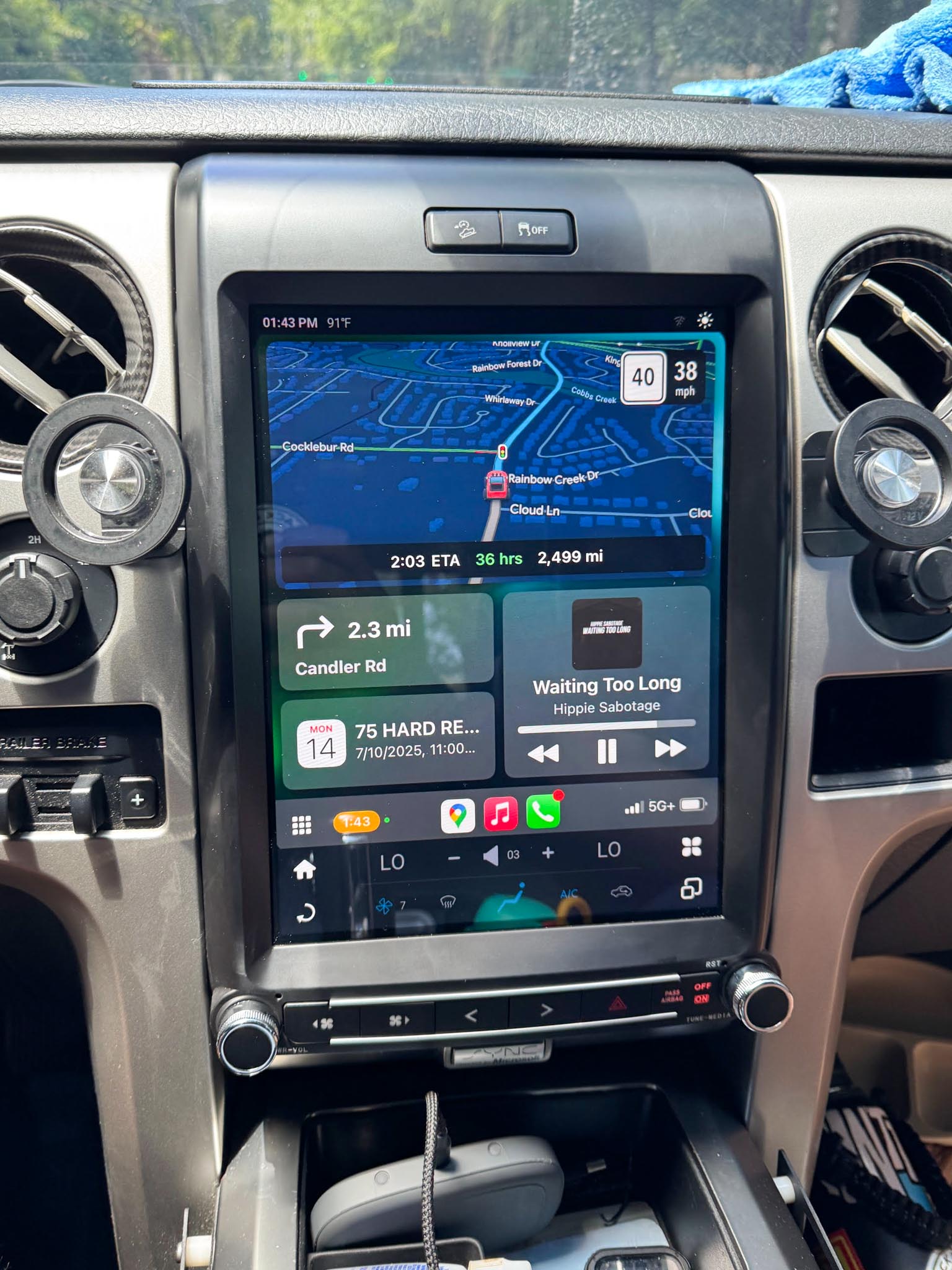
From the factory, it came with Ford’s Sync 2. And if you remember Sync 2… you remember the struggles. You could get it with navigation or without. And if you later wanted nav, you had to buy an SD-card that was priced like it contained classified information. So like most enthusiasts, I adapted. Originally, I pieced-together a Sync 3 upgrade. That required a new screen, new APIM, updated USB hub, and a little programming (usually done by the seller). And boom – factory-style upgrade with Apple CarPlay. Honestly, Sync 3 was faster, it looked cleaner, and it had CarPlay. But let’s be honest. It was still just a regular factory radio with CarPlay & OEM navigation. Same size screen with the same limitations. A refresh – not a transformation.
Then came the real problem…
After a couple years – the APIM started acting up. When it was cold, the module would malfunction. The screen would start registering touches that weren’t happening – “ghost touching.” Eventually it didn’t matter what the temperature was. You’d start the truck and the screen would go completely haywire: Random inputs, jumping menus, buttons pressing themselves. It’s hard to control the irritation of seeing your dashboard argue with itself before you’ve even leave the driveway. I’d already been researching an Android-based replacement, but the failing modules and ghost touching were what forced my hand. I pulled the trigger on one that fit my needs, and it introduced wants I didn’t even know I had…
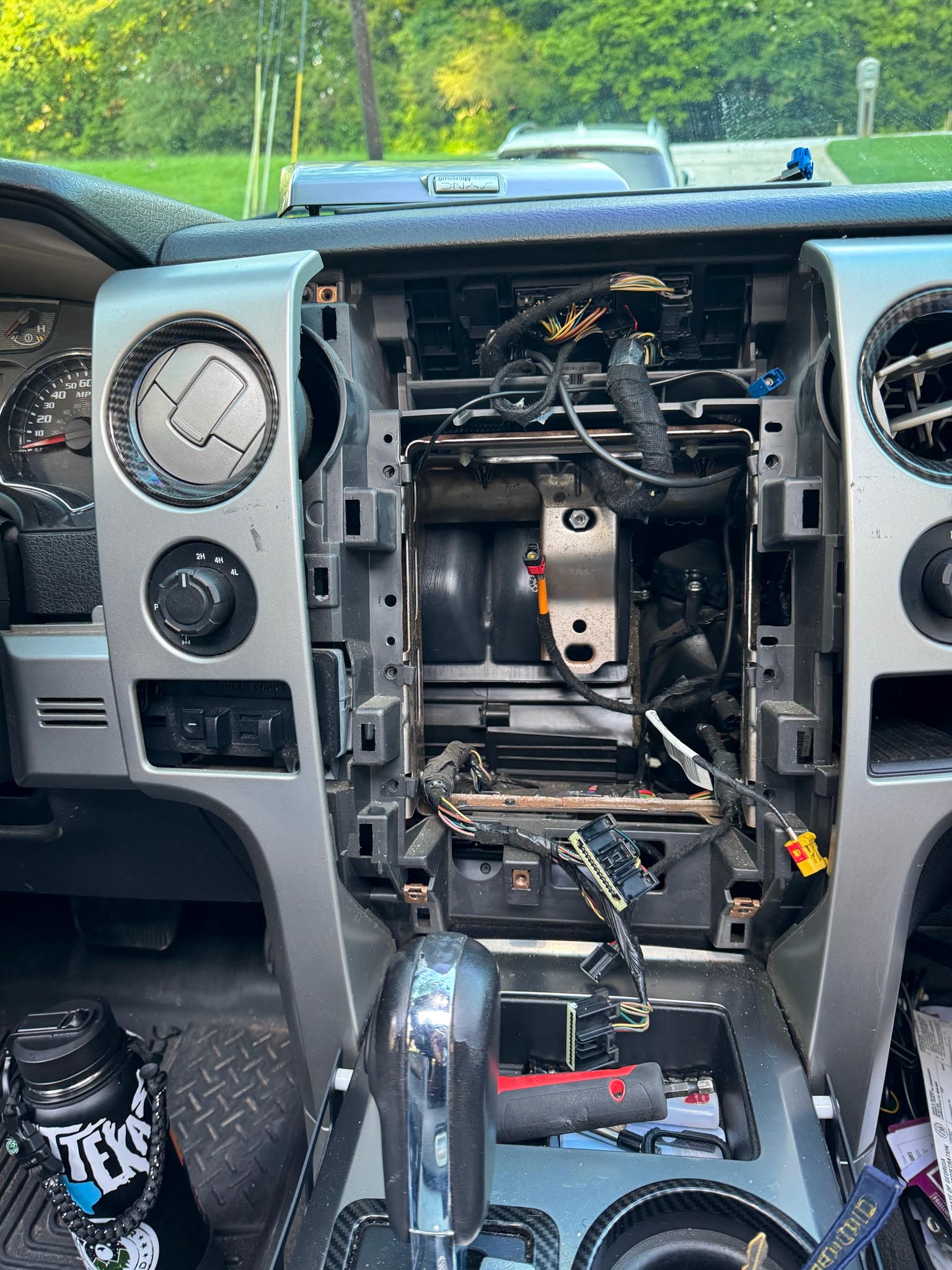
Modular Tech Done Right…
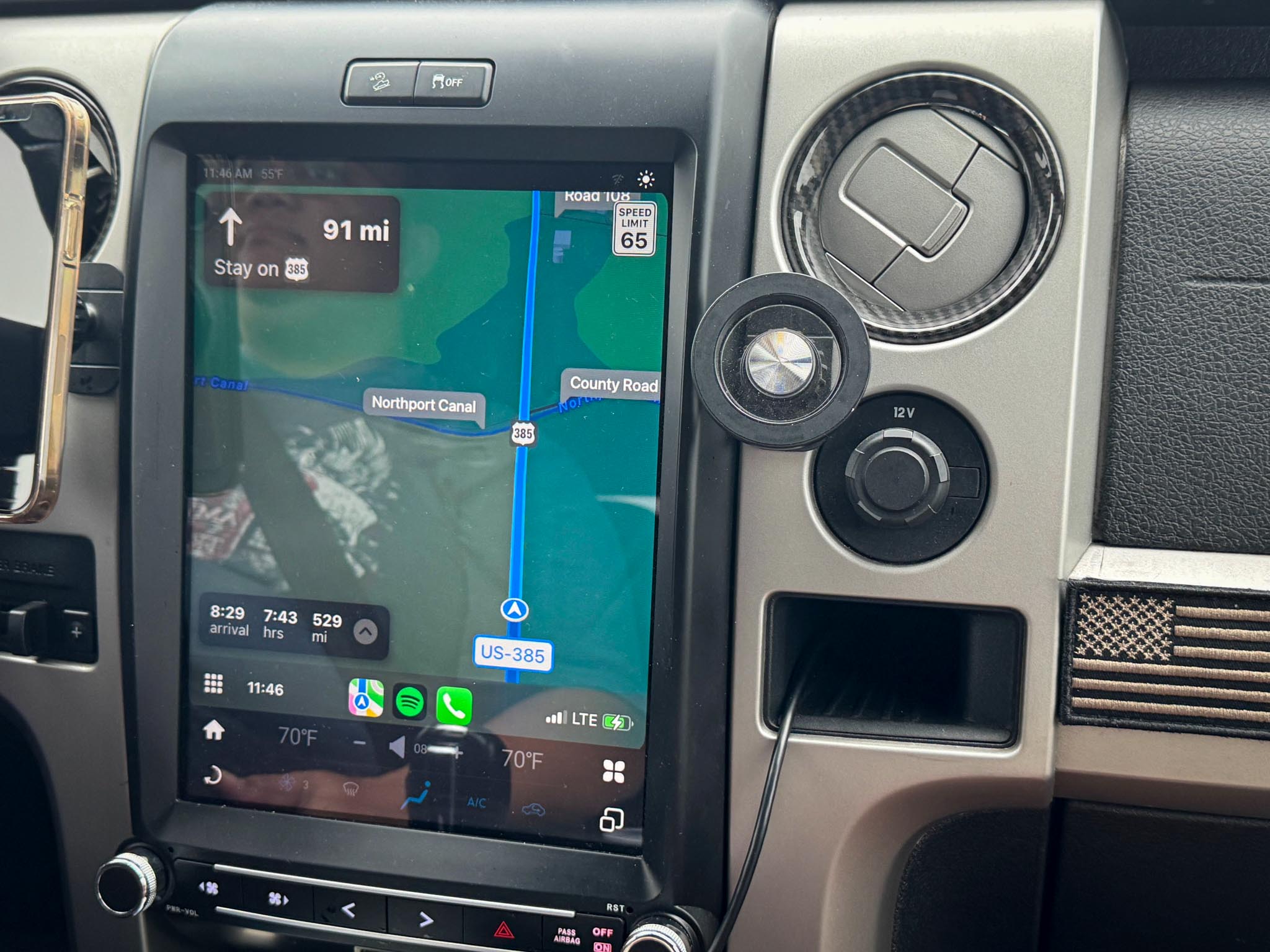
Yes… I installed one of those Tesla-style vertical Android screens. And yes, I know the irony is strong. “Don’t you hate screens?!” Just listen for a moment… in a sense I do. But here’s the difference: It’s not taking over my entire dash from driver to passenger, it’s not sitting above my dash in my line of sight, it’s not restricting me in anyway… or demanding a subscription service for features it already has. And most importantly, it didn’t just “retain” the factory system, it integrated it. Every factory function – climate control, heated seats, vehicle settings – was absorbed directly into the Android interface. There’s no switching between OEM & aftermarket… no awkward toggle screen. They built a dedicated menu inside the Android system. Tap the bottom – it slides up. And there’s my AC controls, heated/cooled seats… everything. Completely Seamless.
And then it went further… It gave me expansion options the truck never came with. I can add an aftermarket heated steering wheel & control it from the screen. And – I can run my dash cam directly into it. I can also install a 360-degree camera system. It has more inputs than any factory systems I can think of. And – it’s modular. It lets you build exactly what you want. Versus the factory system which was locked. That’s the difference between forced tech & chosen tech. Anyway, back to the bigger point…

Driving Is a Skill, not an App…
And skill is not something you download, it’s something you develop. You learn throttle control, braking feel, and defensive driving habits. You learn how to anticipate traffic flows. And it all gets more fluent through proper instruction and over years of paying attention. That’s the key here – paying attention. Not staring at a 17-inch display, not scrolling, and not watching Netflix while merging onto the interstate. If you need a movie or TV show playing while you drive, how addicted to media are you? Stay home. Take an Uber. Are we really at a point where silence in a car is unbearable? Or music isn’t enough anymore? Maybe instead of asking cars to drive for us, we should ask drivers to level-up… or step aside. Technology should amplify competence. Not compensate for a lack of it.
The Line in the Digital Sand…
I’m not anti technology; I’m anti mandatory technology. Give me systems that help when I run out of talent. And give me integration that enhances ownership. Give me the ability to customize & expand. Don’t use technology to trap me. And don’t weld the experience shut. Don’t remove my ability to turn things off. And stop designing vehicles around the assumption that drivers incompetent. Rather, give us a car worth driving.
Because driving isn’t an app. It’s not something you outsource to a sensor suite because you can’t be bothered to focus. It’s a skill. And if manufacturers are confident in their engineering, they shouldn’t be afraid of the aftermarket. They shouldn’t be afraid of enthusiasts. And they definitely shouldn’t be afraid of Right to Repair. Cars built for drivers, don’t need to trap drivers inside sealed software ecosystems. So assist me; don’t replace me. And if the future of driving is a locked tablet on wheels that thinks it’s smarter than the person holding the steering wheel? Well, I’ll keep buying the old cars that still trust me. And if I can fix them myself – even better.
Article by David Saddlebrook Windsor