
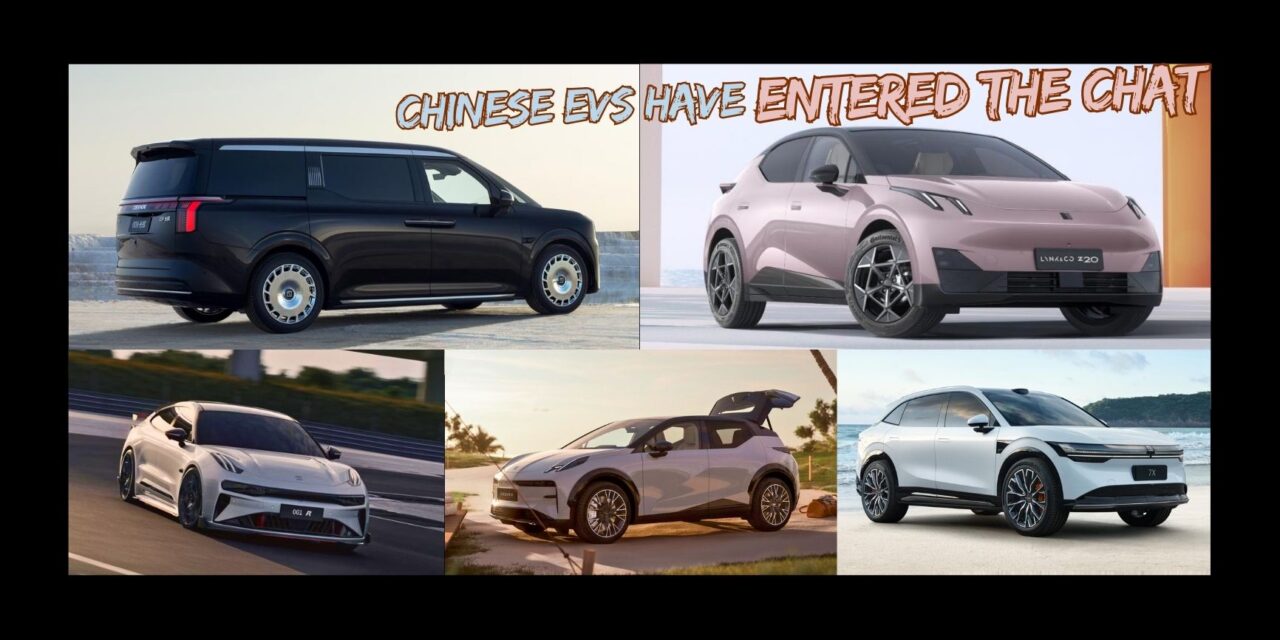

Competition is healthy. It drives innovation & sharpens engineering. Therefore on paper, bringing Chinese EVs to the U.S. market sounds like it would only ensure legacy automakers stay competitive & in-tune with their customers. But here’s the flip-side: This isn’t just about healthy competition. This is about infiltration. And if you think the Chinese Communist Party plays fair… you haven’t been paying attention (supporting article from ’22).
Something feels off about the way Chinese EVs are being warmed-up to us…
Scroll through YouTube or Instagram – and you’ll see influencer after influencer… and reviewer after reviewer… all singing the exact same praises. They all hit the exact same talking points, and give the same glowing reviews – only tweaked slightly for the reviewer’s “personal voice.” Not one critical angle, not one seasoned/credible source saying, “Hey, wait a second…” It doesn’t feel like competition – it feels more like a coordinated media rollout. It’s marketing with suspiciously perfect cohesion, and it stinks of a bigger plan.

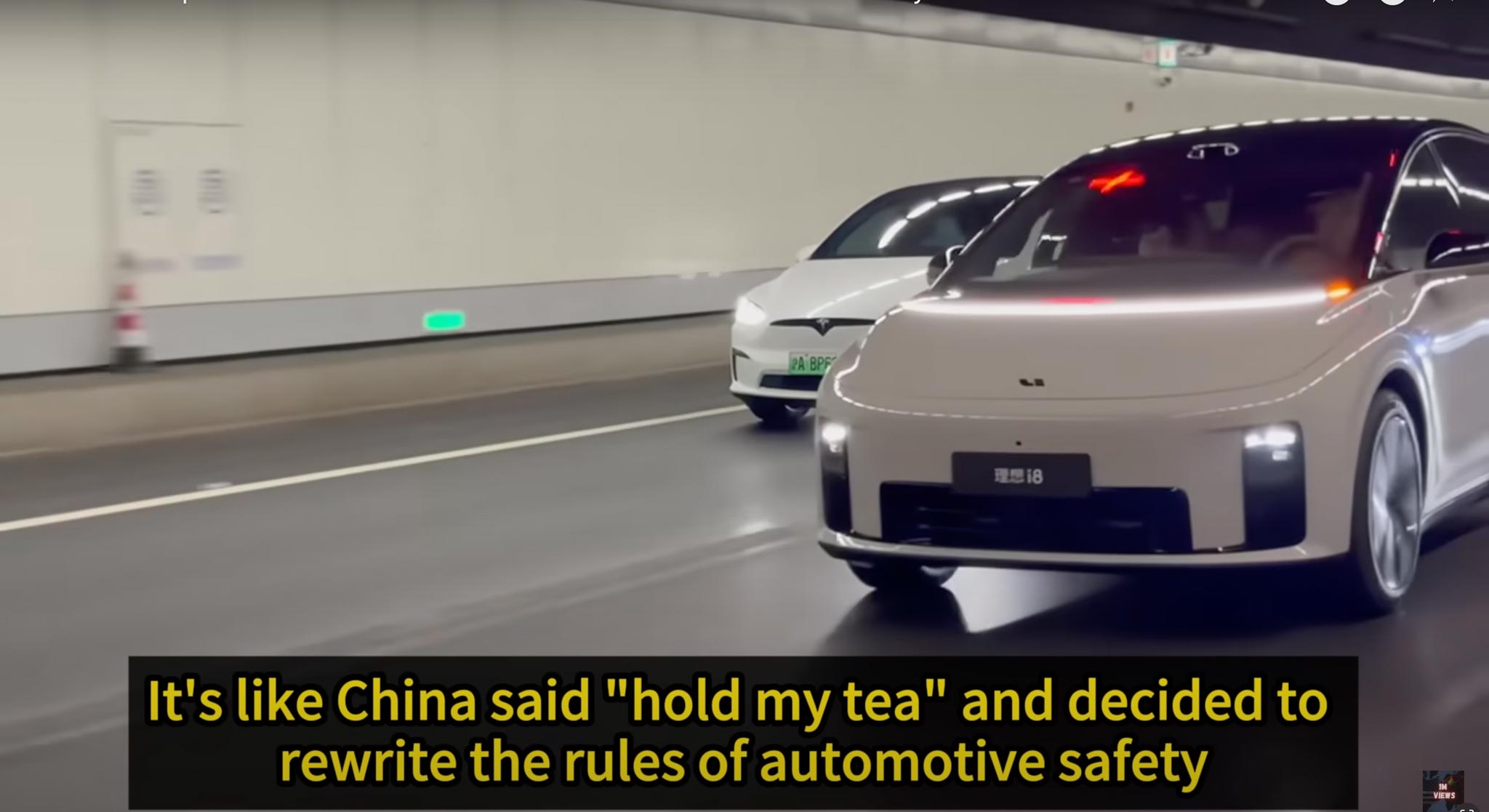
In China, businesses don’t exist independently of their government…
Every major company is tied directly to the CCP. And this is the same government that’s been caught red-handed lifting intellectual property across industries for decades. Automotive tech, aerospace, semiconductors – you name it. And now, somehow, their EVs all-the-sudden arrive polished, affordable, with perfect timing, and with glowing Western press coverage. As if they’re the second coming of Tesla. Excuse me if I’m not lining up to clap. And while influencers (often far more tech savvy than car savvy) keep parroting the talking points…
The cracks are already beginning to show…
Take Charles Vongvichai in Thailand, who has seen it firsthand. He’s watched BYD EVs get totaled from nothing more than hitting a curb at low speeds. Not damaged – totaled. Chassis bent, roof creased, structure compromised. Complete write-off.
And at the other extreme, you’ve got the so-called tank minivan…
There’s a viral photo of a Chinese minivan plowing into the back-corner of a tractor trailer. The van looks fine – barely a scratch. But the windshield shattered. And you know what that means?? All that force, all that inertia, had to go somewhere. With no crumple zones to absorb it, the passengers inside took the hit. Survivability in modern cars isn’t about making them look strong. It’s about engineering them to sacrifice the right parts of the car so that the humans inside survive.
It ties back to what I wrote in Automotive Sabotage…
For years, we’ve been watching vehicle quality erode across the auto industry. Engines that don’t last. Transmissions that grenade themselves. Sensors, modules, & electronics – failing at a rate that makes you wonder if durability was even in the design plan. And guess where the majority of those components are manufactured? China.

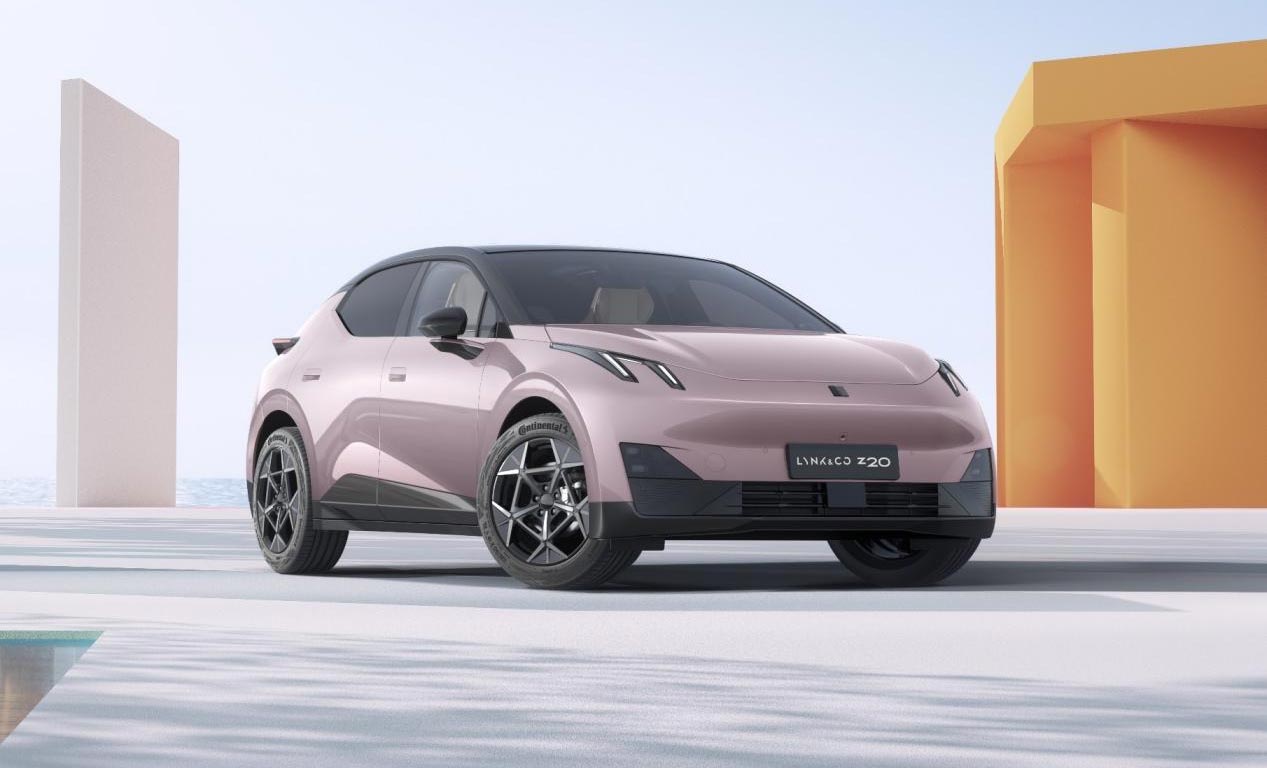
Lynk & Co 02
-
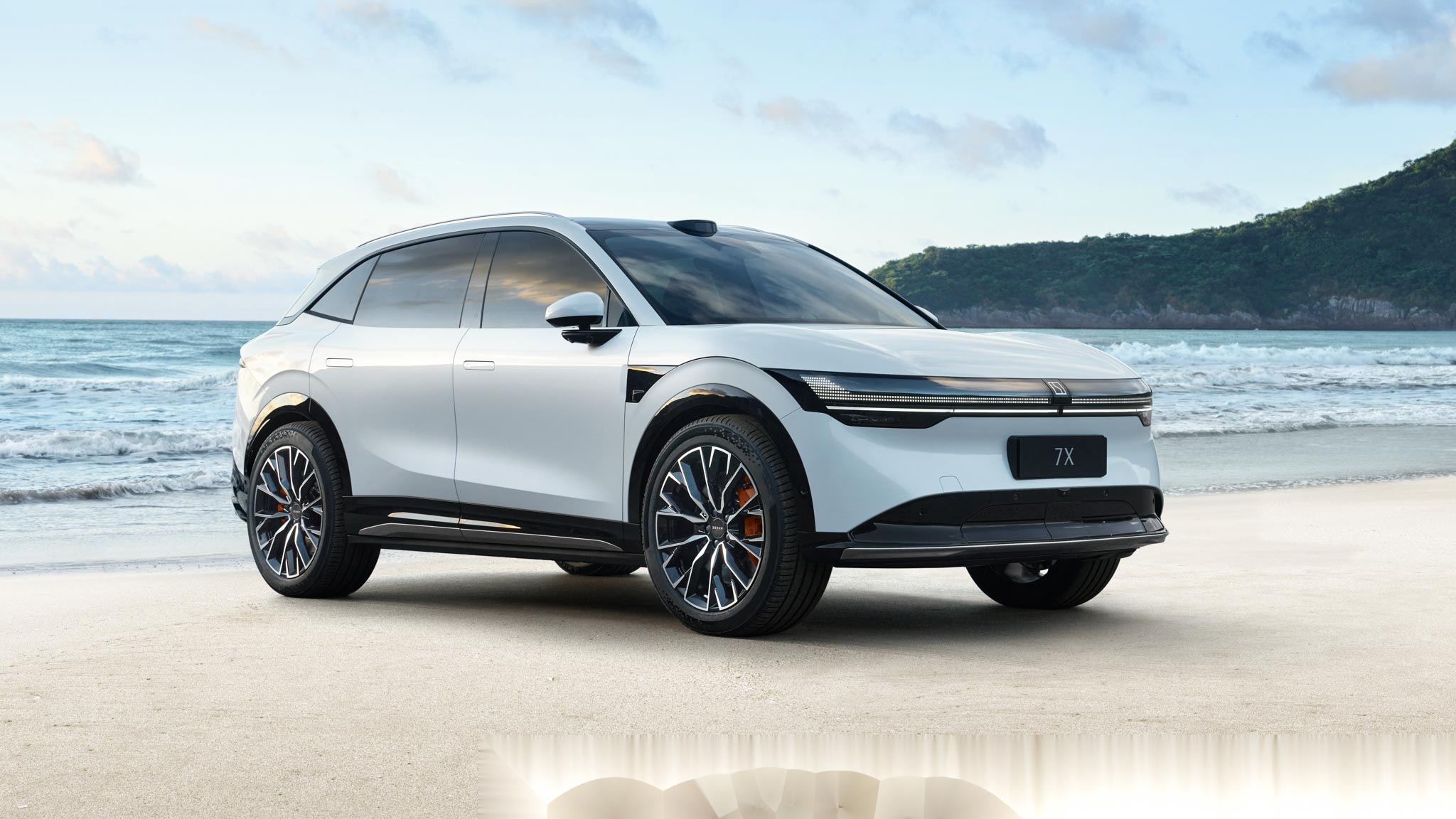
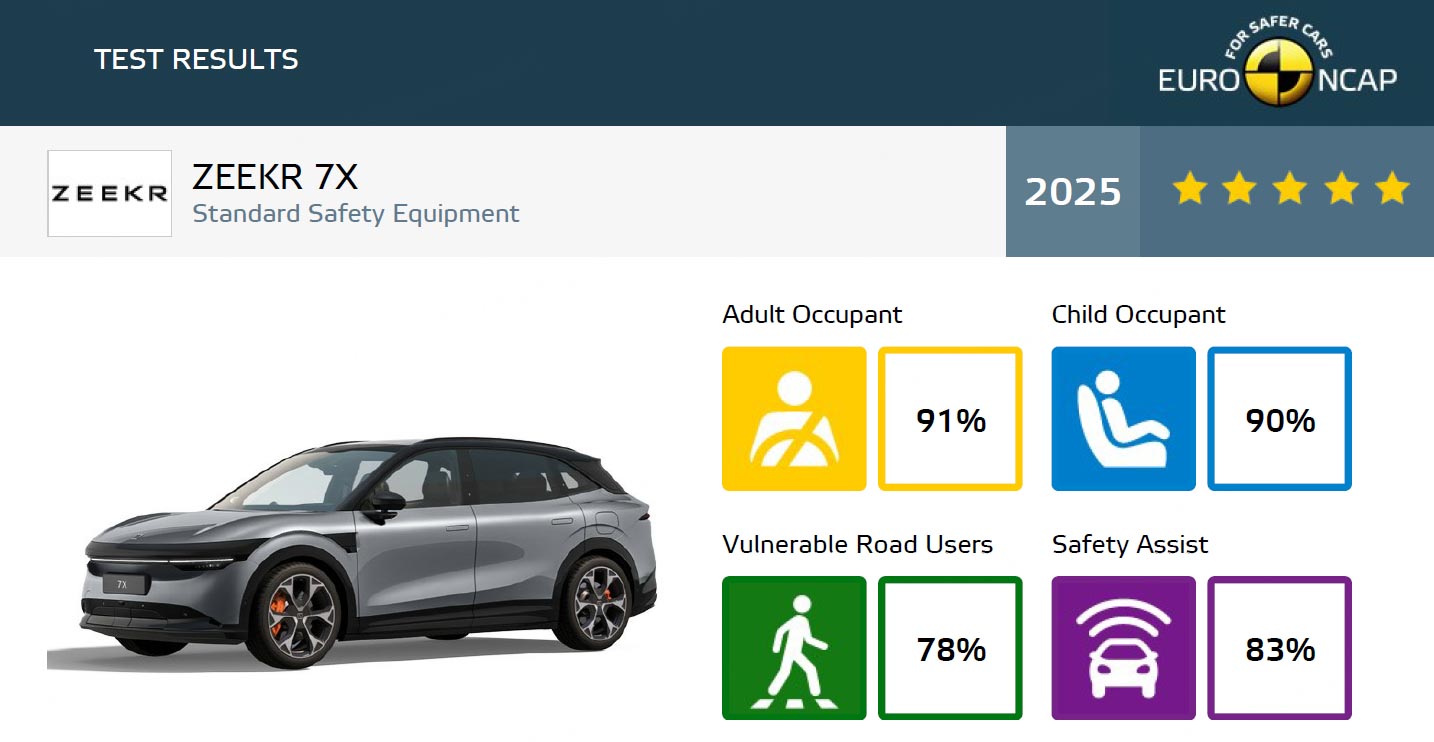
- Zeekr 7X
-
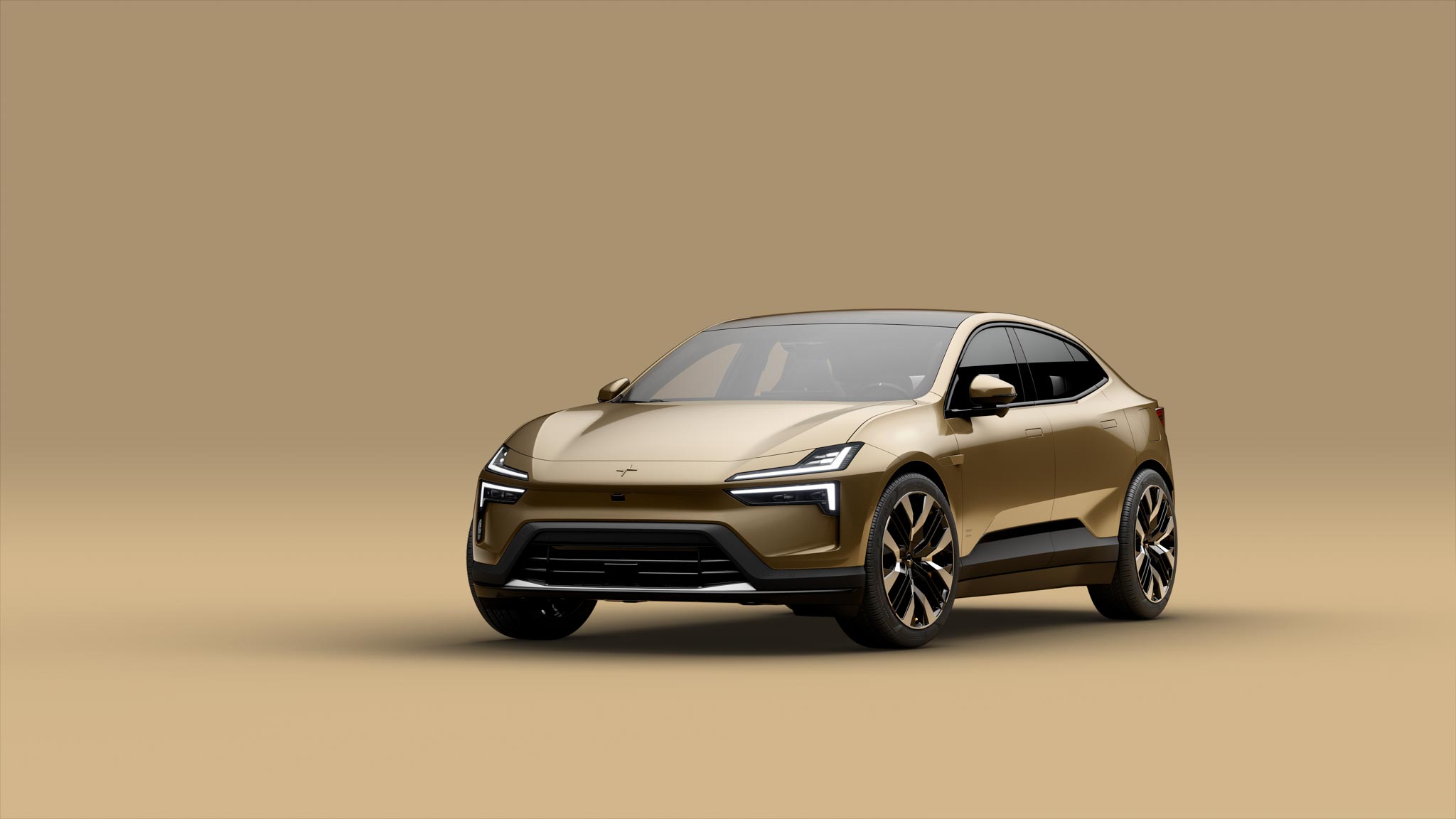
- Polestar 4
Connect the Dots…
If you lower the quality of critical parts, frustrate consumers, cause shortages, and chip away at the Western World’s faith in established automakers. You can then swoop in with affordable EVs that promise to solve all the problems you helped create. That’s not an accident – that’s the long game.
The alarming part is…
There are seemingly so many Western consumers ready to roll out the red carpet… for a cheap vehicle with an Amazon Basics screen & trendy headlights. “They’re the future” Yeah ok – the future where your data & conversations, your mode of transportation, your infrastructure, and your dollars are tied to a foreign government with a proven track record of weaponizing control. It’s less about free-market innovation, and more like a Trojan horse rolling right into your garage.

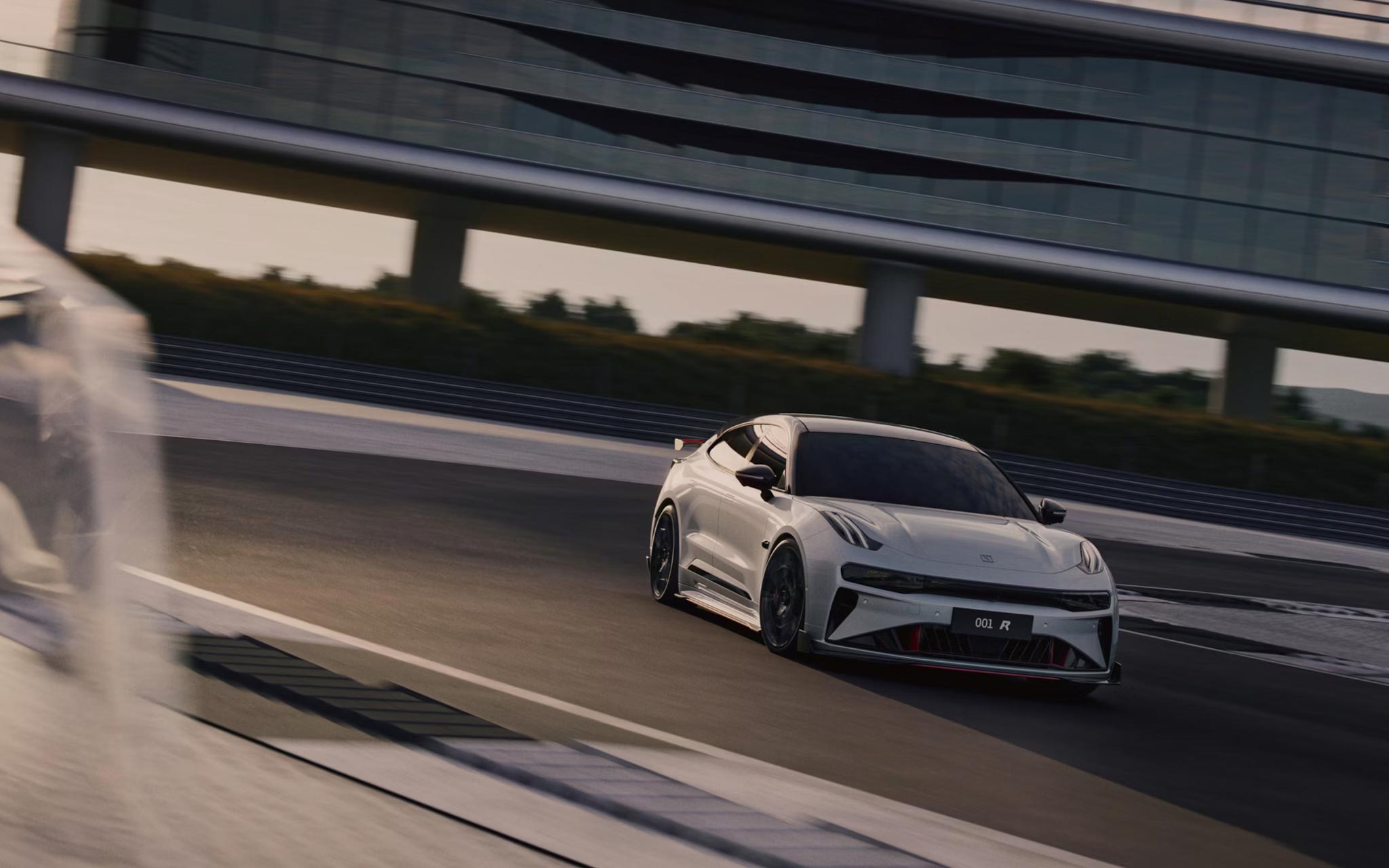
Zeekr 001 FR
To reemphasize – I’m not saying competition is bad…
And I’m NOT defending legacy carmakers or their actions over recent years. They did little to help their cause. I want carmakers to feel the pressure. Frankly, some consequences are justified here. And I want the lazy, out-of-touch CEOs held accountable for mediocrity, virtue-signaling… and worse… attempting to control their consumers through technology. But there’s a difference between competition & compromise. Between innovation & infiltration. And between fighting for market share & handing it over.
Automotive Sabotage was the setup…
Chapter 1 was the erosion of quality, trust & value in the legacy automakers. It’s poisoned the automotive industry. And now it feels like we’ve come to Chapter 2 – The Power Play. China has entered the chat. Europe is feeling the effects already. The only question left is: Are we smart enough not to answer?
Article by David S. Windsor
-
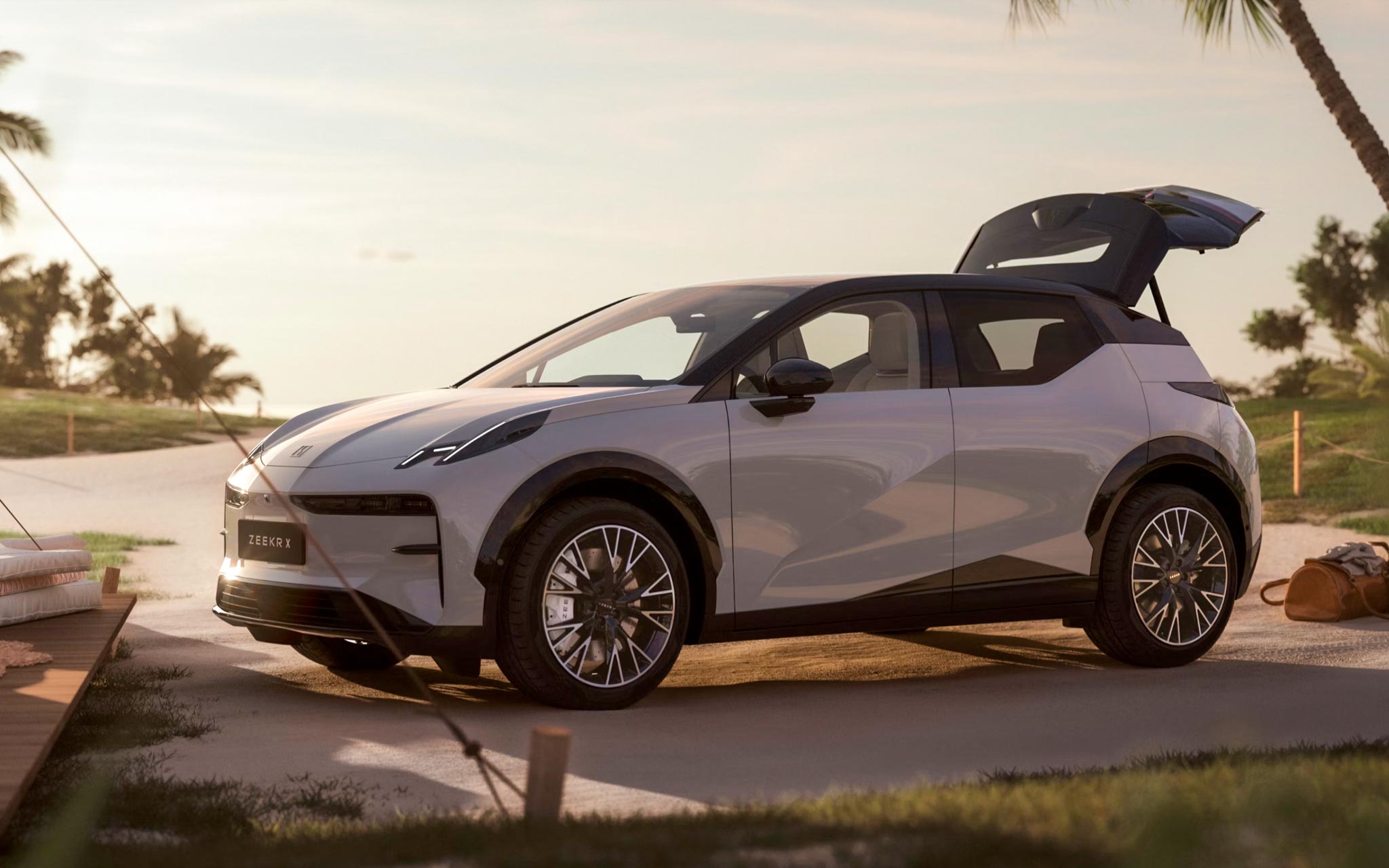
- Zeekr X
-
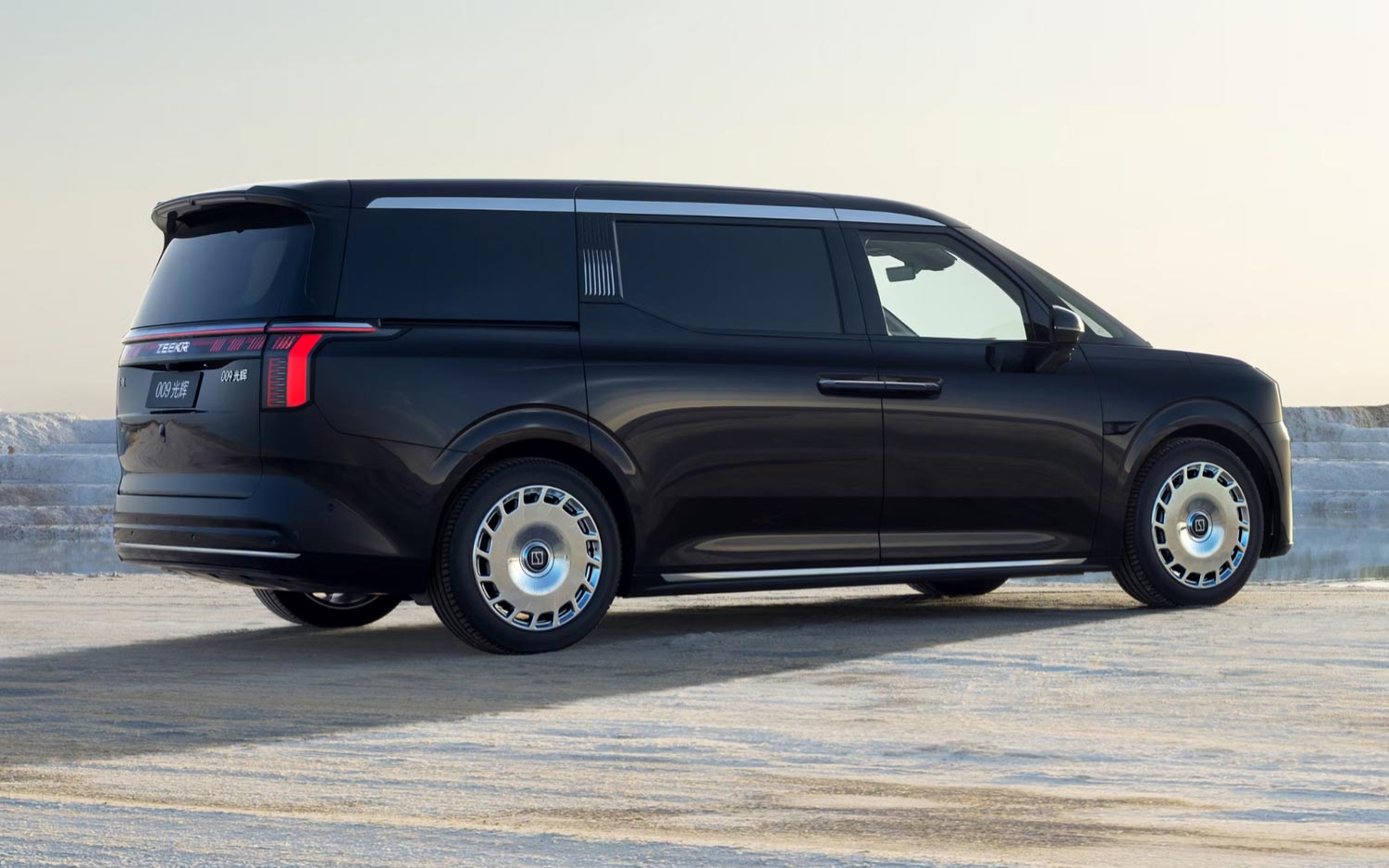
- Zeekr 009 Grand