
False Positives: There are few phrases in modern life more aggravating than “The system detected an issue.” Because usually, the system has not detected an issue. Rather, the system detected a shadow, a smudge, a weird angle, a slow internet connection, a sensor having a crisis, or a human being acting like a human being. And unfortunately, we’re putting that same level of confidence more & more into new cars. Look – I’m not talking about that annoying beep when you don’t have your seatbelt on in your own driveway. And not the parking sensors that sound off because a plastic bag blew across the front of your car in a parking lot. I’m not even talking about those over-active rain sensors that flinch at a mere droplet of water. No – none of that. Because now – we’re leaning into a future where your vehicle may actively decide whether or not you’re “fit” to drive it.
It sounds like this summer’s blockbuster sci-fi movie. Unfortunately, it’s not…
Because buried inside the 2021 Infrastructure Investment and Jobs Act was Section 24220, which directed the NHTSA to create a Federal Motor Vehicle Safety Standard requiring new passenger vehicles to include “advanced drunk and impaired driving prevention technology.” The law defines that technology as a system that can passively monitor a driver, identify whether that driver may be impaired, and “prevent or limit motor vehicle operation” if impairment is detected.
Wait, read that again slowly….
“Prevent or limit motor vehicle operation.” Now first – before anyone screams about conspiracy theories and secret government kill switches… let’s be fair. The goal here is well-intentioned. Drunk driving is a real problem. Impaired driving kills people. Families are destroyed. Nobody is defending drunk driving.
But here’s where the issue lies…
We’re handing imperfect technology the authority to make judgment calls over a moving vehicle. If there’s one thing modern cars have proven beyond all doubt, it is that software is not perfect. Sensors are not perfect. Cameras are not perfect. Driver assistance systems are not perfect. We already have cars on the road that phantom brake. And we have lane-keeping systems that tug at the wheel unexpectedly. We have trucks/SUVs that will not let you back up with a door open (lining up a trailer). And we have infotainment systems that freeze, reboot, and sometimes take the climate controls hostage… all because someone decided buttons were yucky.
And now the NHTSA wants that same rolling Best Buy clearance rack tech to decide whether we are mentally, physically, or chemically capable of operating a vehicle? Yeah… no thanks.
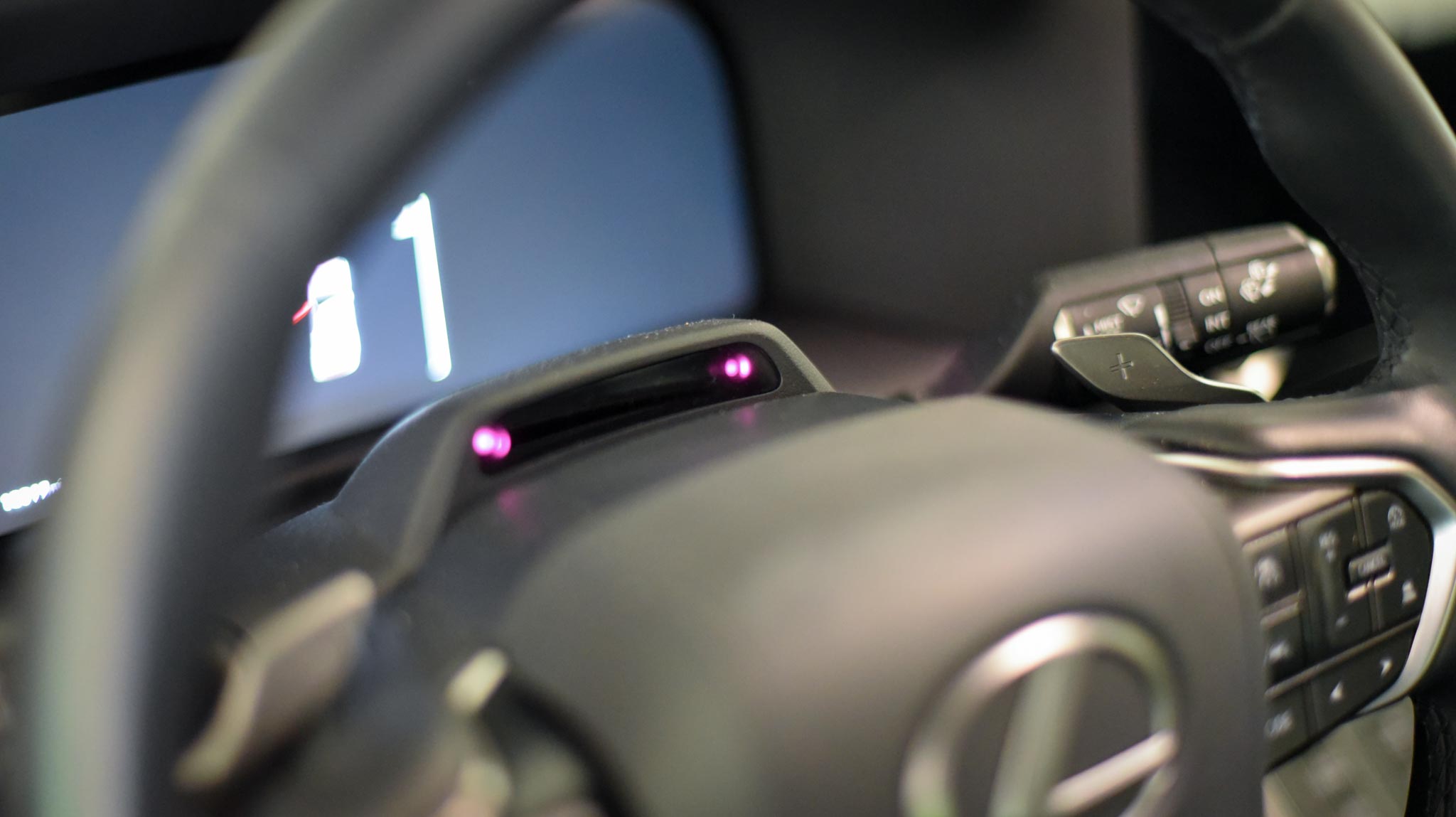

The phrase that matters here is false positives…
A false positive is when a system thinks it found something that is not actually there. Like when your bank flags a normal purchase as fraud. Or your phone won’t unlock because your face is at a weird angle. Annoying? Yes. But when false positives happen in a vehicle, the stakes change.
The NHTSA itself has acknowledged the technology is not ready. In its 2026 report to Congress, the agency said current detection technology near the legal alcohol limit still has an error rate that would be unacceptably high. And even a 99.9% accuracy rate could still create millions to tens of millions of incorrect results each year.
That alone should have made every lawmaker sit-up & pay attention… Because 99.9% sounds excellent – until you apply it to every new passenger vehicle. At scale, tiny error rates become massive real-world problems. And that is before we even get into what “impaired” means.
Alcohol impairment is one thing. But NHTSA discussions have also moved toward broader impairment… which can include drowsiness, distraction, medical issues, or behavior the system thinks looks abnormal. There’s the trap door.
We don’t all fall into a box…
Human behavior is messy. Driving is messy. Double-shifts are messy. LIFE is messy. Here’s an ideas: The NHTSA should require better driver training… and better driver testing. Not just band-aid the issue with more & more computer control. A good human driver can understand context. Cameras & monitors cannot. A person knows the difference between checking a mirror, and staring off into the distance. And a person knows the difference between swerving to avoid a pothole… and swerving because someone is drunk. Sensors can only interpret data without context, and context is everything here.
We’re not just making cars safer anymore. What we’re doing, is fundamentally changing the relationship between driver & vehicle. We’re being forced into compliance, dictated by an algorithm.
For over a century, the car was a tool, and the driver was the operator. Now the vehicle is becoming the supervisor. It’s watching you… and recording you. Recording your patterns. Watching your eyes, your hands, your speed. Listening to you. Recording your inputs. And it’s constantly monitoring whether you’re behaving within a software-defined version of “normal.”
If the machine decides you’re outside the box, it may intervene. Say – haven’t we seen this movie before? Don’t we understand what this does to human freedom? And here’s perhaps the most ridiculous part:

The same industry now trying to monitor driver distraction… is the very same industry that created most of it.
Automakers took intuitive buttons, and buried them in touchscreens. They turned heated seats into menus. And fan speed into a pin-pointed screen-swipe. They put climate controls & radio controls behind glass & submenus. And then they looked at drivers fumbling through the nonsense they created and said, “Wow, people sure are distracted. Better install cameras to watch them.” It’s very infomercial like: Create a problem where one didn’t exist, and sell the ‘fix’. Except this ‘fix’ is likely becoming mandatory. And make no mistake…
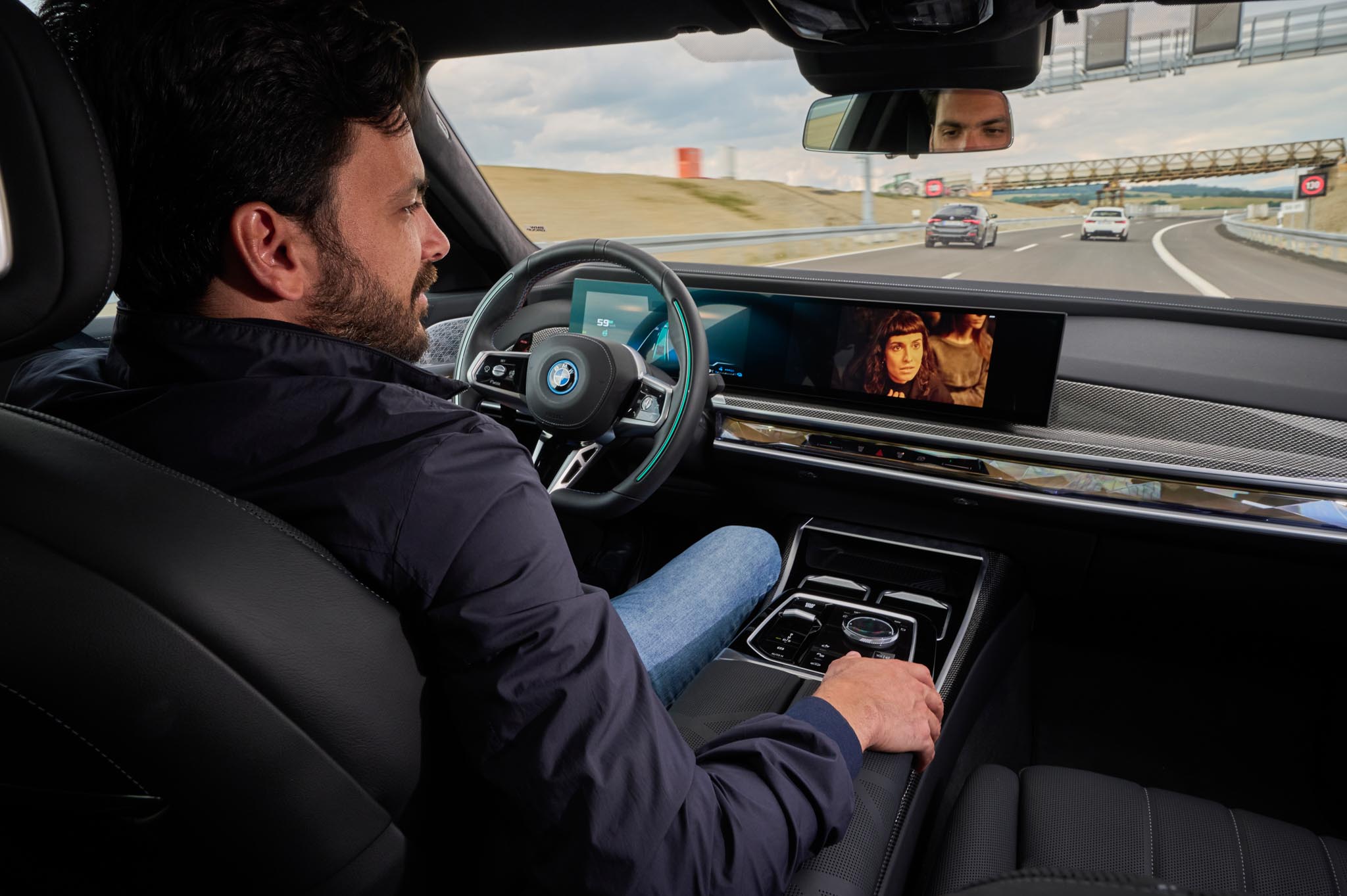
Safety is the magic word that sells all of this…
Say “safety” and suddenly all kinds of invasive, half-baked, overreaching, highly-capitalizable ideas become easy to sell & swallow. Nobody wants to be accused of defending drunk drivers. And nobody wants to sound like they care more about freedom than human life. But safety without restraint becomes control. That is where this conversation HAS to go. This is not just about one law… this is about rapidly forming patterns in our legislature.
Every year, cars get more expensive, more complicated, and more sensor-driven. We have speed warnings. Lane assists. Driver-facing cameras. Automatic braking. Insurance dongles. Data collection. Location collection. Over-the-air updates. Subscription features. Black boxes. Remote diagnostics. Built-in cellular connections. Automakers are collecting information most buyers never truly understand.
It is easy to sell & mandate this technology by pointing to the worst-case human behavior. The drunk driver, the reckless idiot… the person who ruins lives. But laws built around the worst person in society often end up burdening everyone else. The sober driver. The parent trying to get to a hospital, any/all ‘essential workers’ and yes – even the spirited/attentive enthusiast driving the back road.
That’s how freedom gets chipped away. Not usually in one dramatic moment. It happens through reasonable-sounding compromises… through fear, concern, & good intentions. Through governments & lawmakers who do not understand the machines/industries they are regulating. And through companies that see compliance, liability protection, and data collection as financial opportunities wrapped in the warm blanket of public safety.
And then one day, your car is accusing you of being unfit to drive because your heart rate is elevated…
The worst part is, there’s a version of this idea that makes sense…
If a driver has a seizure, yes, the car could potentially prevent a crash. Or if someone is genuinely incapacitated, emergency-stop-assist could save lives. If technology can passively detect a dangerous blood-alcohol level with perfect accuracy – without storing personal data, and without false positives, without mission creep, and without turning every vehicle into a rolling surveillance camera – then fine. Let’s have that conversation. But that’s not where we are.
NHTSA has already said the technology is not accurate enough yet. So the question is: Why are we writing mandates before the technology is ready?
We should not mandate first and figure out the consequences later. And we can’t ethically tell automakers, “Build the system somehow by this date” and then let the public become the beta test.

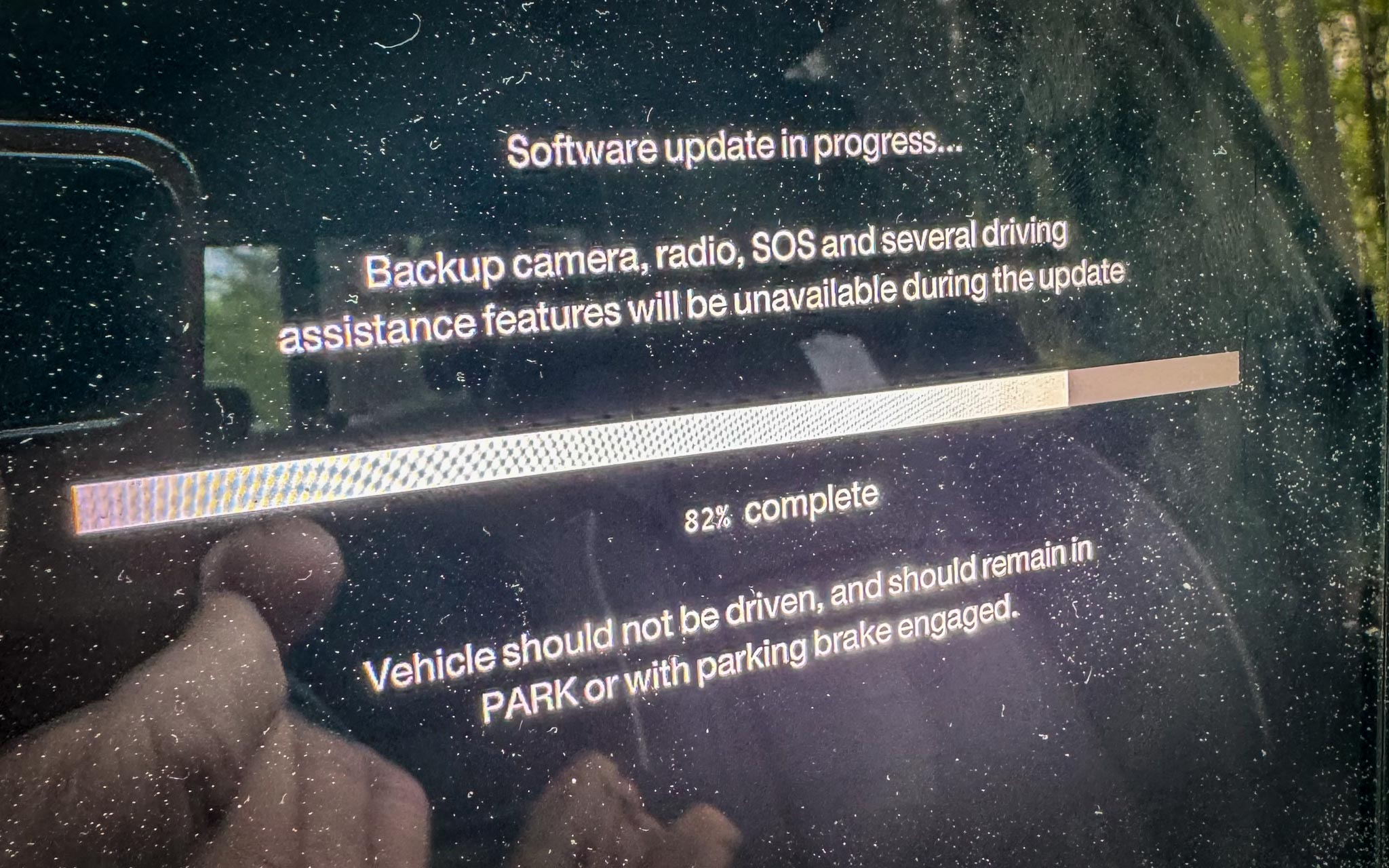
Cars are not apps. A bad phone update is annoying. But bad vehicle intervention can be life-threatening.
That’s why every government official, regulator, and automaker needs to understand AND be bold enough to say out loud: When a vehicle makes a mistake, it does’t happen in a conference room. It happens in traffic, it happens with kids in the car. And it happens at speed, in the rain, at night, in construction zones. That’s when false positives are not acceptable in any percentage. We need people in government who understand that. And we need car-people in the room. We need engineers who actually drive and love cars… in that room. We need civil liberties people in the room, we need privacy experts in the room, and we need people who know the difference between a safety feature… and a control device.
Because right now, it feels like policy is being written by out-of-touch (if not clueless) people who see cars as ‘mobility’ and data collection… and drivers as ‘liabilities’. The same people who wouldn’t know how to check their own oil. Let alone, correct a skid. When the regulators are not proficient in what they’re regulating, everything becomes a risk profile. And to insurance companies, it becomes data collection. To tech companies, it becomes the next platform. And to an automaker’s legal department, it becomes a liability shield. Which in-turn means the driver becomes the problem to be managed.
This is not about advocating for, or defending impaired drivers…
It’s about defending the idea that technology should assist the driver, not assume authority over them. This is about drivers demanding that safety systems be accurate, transparent, repairable, and accountable. And it’s about assurance that “passive monitoring” does not become constant surveillance. It is about ensuring a vehicle does not punish normal human behavior… because an algorithm lacks common sense.
False positives are not a small technical issue. They’re the entire argument…
A system powerful enough to stop a drunk driver… is also powerful enough to stop a sober one. And if we’re going to give software that much authority, it better be right more often than “pretty close”.
From where I’m sitting, the future of transportation is starting to look less like freedom… and more like probation with leather seats & demoralizing payments.
Article by David S. Windsor