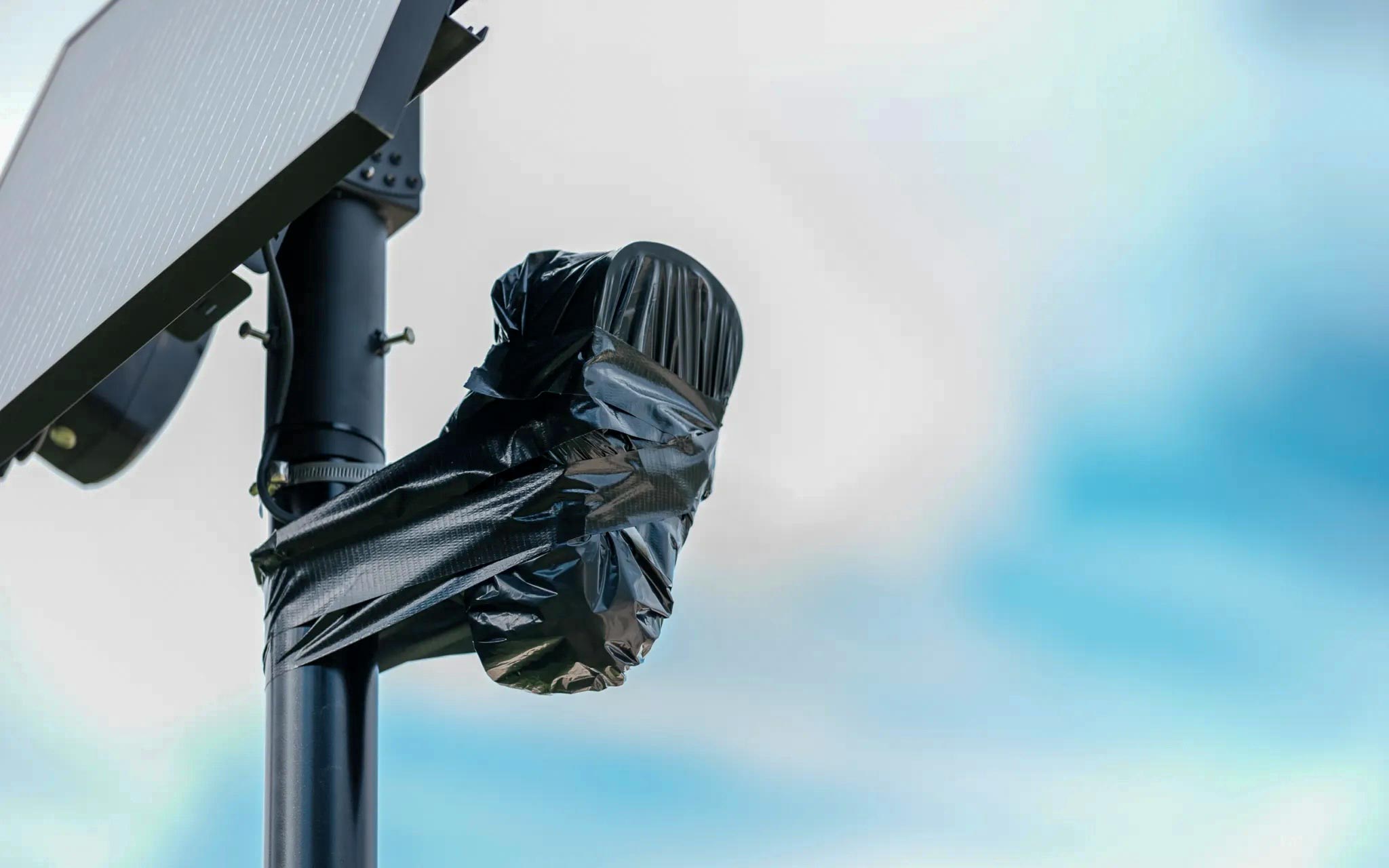
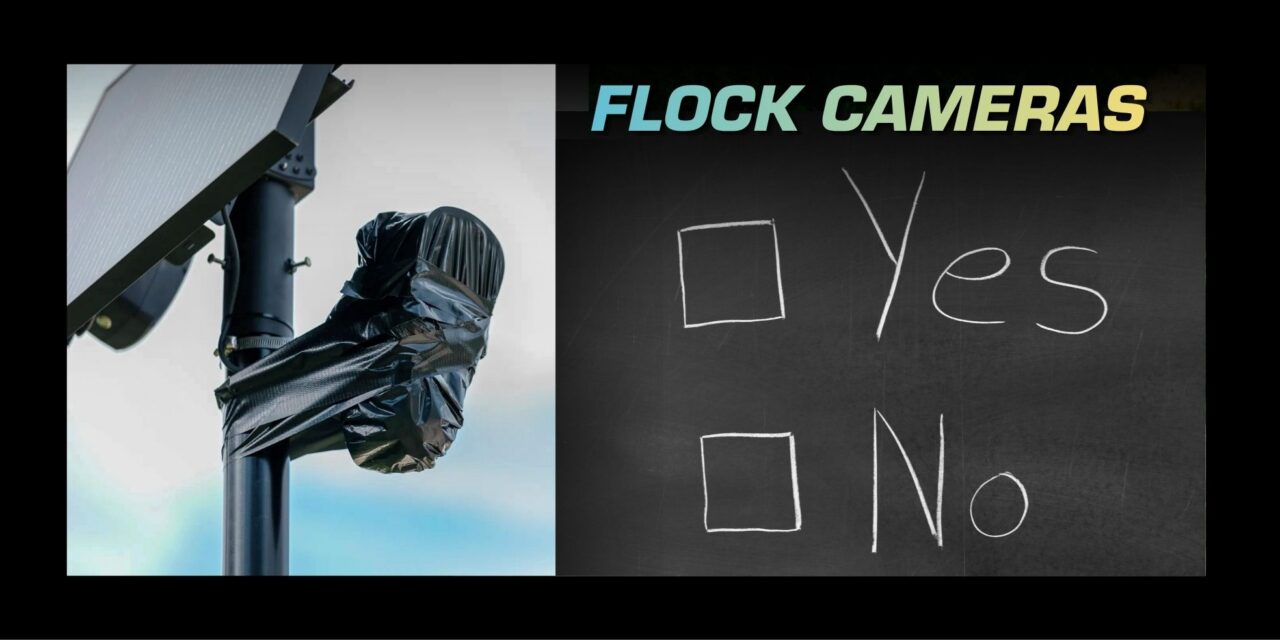

Every time someone brings up Flock cameras, the conversation always goes the same way. One person says they’re one of the greatest crime-fighting tools we’ve ever invented. Another says they’re government overreach. And somebody inevitably throws in, “Well, your phone tracking you too!” Before long, you’re eating Thanksgiving dinner, watching a full-blown family dispute over constitutional law while the mashed potatoes get cold. And nobody’s really listening anymore – because everybody’s too busy trying to win.
So let’s do something different… slow down for a minute. Because I don’t think we’re actually arguing about cameras. I think the argument is about something much bigger… we just haven’t realized it yet.
On one hand, I love technology…
I’ve spent years working around telematics, GPS systems, fleet electronics, cameras, vehicle data, and just about every gadget you can bolt onto a vehicle. Good technology fascinates me. And when it’s done right, it genuinely improves people’s lives. It makes driving safer, helps businesses operate more efficiently, and sometimes solves problems we didn’t even know we had.
On the other hand, technology should be approached cautiously & carefully…
Because here’s the thing every engineer, technician, & software developer knows: No matter how brilliant the idea/design is – technology fails. It isn’t due to people being incompetent, it’s simply because perfection doesn’t exist. And that’s the part of this conversation I don’t think we’re spending enough time talking about. Every time I question Flock cameras, somebody inevitably says, “Well your phone tracks you.” And they’re absolutely right. Your phone does track you… mine does too. But here’s the part that keeps bothering me. When Google gets something wrong, nobody walks toward my truck with a hand on their holster saying, “Police! Show me your hands!” That’s a pretty important distinction.
Your phone tracks you to provide a service. It helps you find your parked vehicle, navigate traffic, give weather alerts, or recommend the nearest barbecue restaurant. Whether we like how much information companies collect – is an entirely separate debate… and it’s one worth having. But generally speaking, all that tracking-information exists to make the phone work better for you day-to-day.
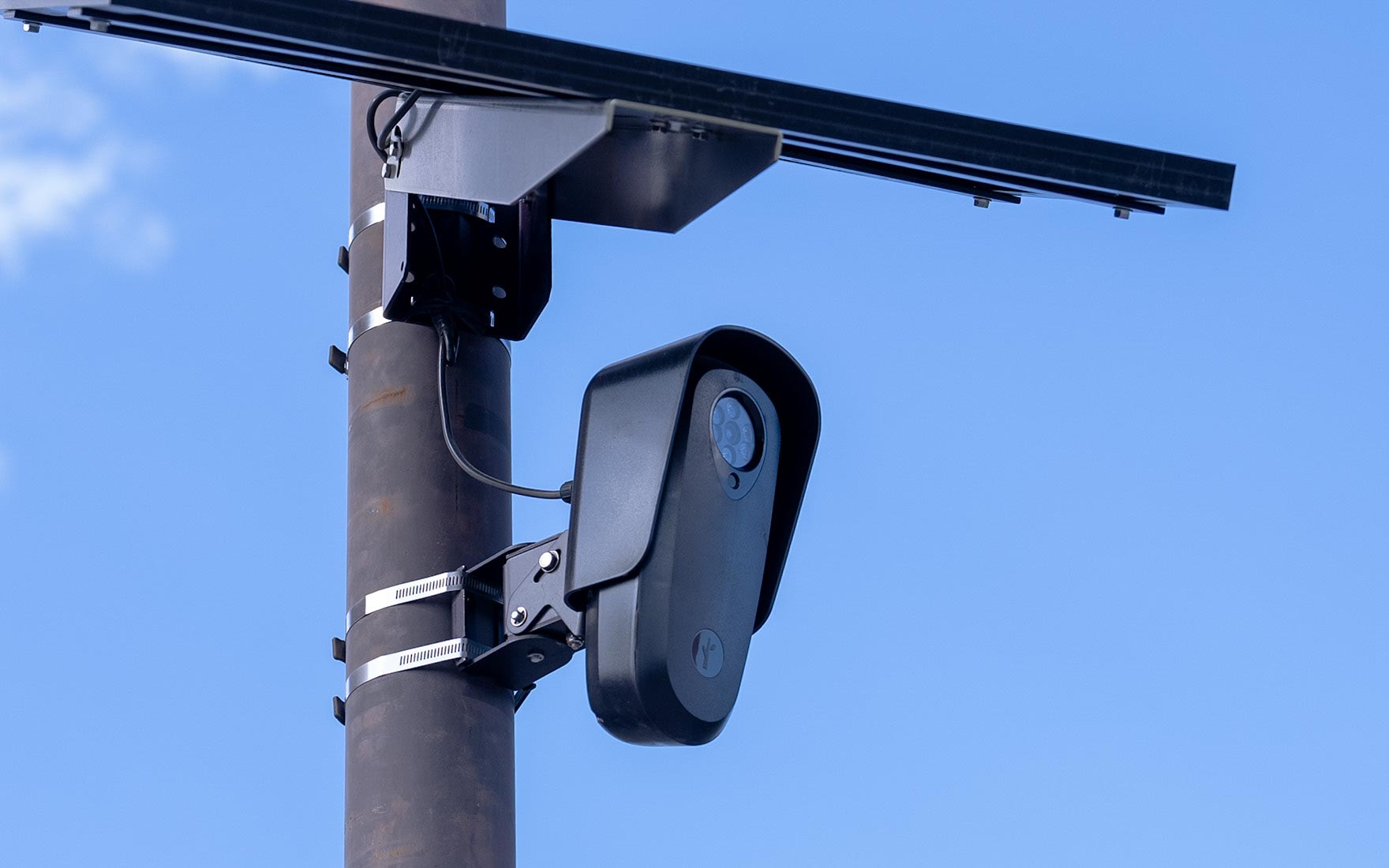
Flock cameras serve a completely different purpose. They exist to ID vehicles, and notify law enforcement when a license plate appears to match information contained in a database. That means the technology isn’t simply collecting information anymore. Rather, it’s participating in decisions that can have immediate consequences in the real world. And to me, that’s where the standard changes.

A guy named Joel Feder…
Joel Feder writes for The Drive. He’s an automotive journalist, which means manufacturers hand him the keys to brand-new vehicles to review. Honestly, it’s a pretty good way to make a living… until one day it wasn’t.
Joel was driving a Range Rover press vehicle when police surrounded him – after automated license plate readers identified the SUV as stolen. It obviously wasn’t. Reporting later showed that an error involving a manufacturer plate had snowballed into repeated alerts… eventually leading officers to stop the wrong vehicle. The VIN confirmed that they had the wrong vehicle, but only after a situation that could’ve turned out much differently. That’s a sobering reminder that even small data errors can domino into very real encounters between innocent people & law enforcement. If Joel’s story were the only example, maybe we’d chalk it up to bad luck. Unfortunately though, it isn’t.
Meet Kyle Dausman…
Kyle isn’t reviewing luxury SUVs or driving press vehicles across the country. He’s just a guy driving his Toyota Tundra. Or at least trying to. Because of a database error involving his license plate, his truck reportedly became associated with someone else’s warrant. Every time he drove by Flock cameras, the alerts started all over again. It wasn’t because Kyle had done anything wrong. It was because somewhere, somehow, the computer believed he was someone else. And fixing that error turned out to be far more difficult than creating it.
Think about how that feels…
Imagine leaving for work every morning wondering if today’s going to be another conversation on the side of the road that hopefully doesn’t escalate. Having to suppress the anxiety & irritation. And imagine having to calm your kids every time the police keep stopping Mom/Dad & approaching the vehicle on alert. At some point, this stops being an inconvenience, and it becomes an unwanted & unwarranted way of life.
In Los Angeles…
An audit found 161 innocent motorists were wrongly stopped and/or investigated over just a 2-month period because of erroneous “hot list” information associated with the automated license plate reader program. Following those findings, the LAPD chose not to renew its contract with Flock… while broader questions about reliability, oversight, and privacy continued. 161 innocent people – who found themselves explaining to police why the computer must have gotten it wrong.

Don’t miss the bigger picture…
Technology doesn’t eliminate mistakes, it scales them. Years ago, if somebody accidentally entered the wrong license plate into a filing cabinet, maybe one officer in one department would eventually stumble across the mistake. Today, one incorrect database entry can be shared across thousands of cameras in multiple jurisdictions before the person who made the original mistake even finishes their first cup of coffee. That’s equally incredible & terrifying. It’s an incredible amount of trust we’re placing in data we already know isn’t perfect.
The flip-side of the coin…
Flock cameras have helped recover stolen vehicles, locate suspects, and assist in serious criminal investigations. In other words, they’ve caught serious bad guys. Those successes are real, and pretending they don’t exist wouldn’t be honest. But the question is: What standard should we demand when a system has the ability to influence an encounter between an innocent citizen & an armed police officer?
Mistakes can have heavy consequences. For most of American history, an officer might observe something suspicious, and then decide whether it warranted further investigation. But increasingly, technology is changing that sequence. A database flags a vehicle, a camera confirms a plate, an alert is generated… and officers respond.

Maybe that’s progress…
Maybe it isn’t, but it is undeniably different. The investigation is no longer always beginning with what an officer sees. Sometimes it begins with what a computer believes. Whether you’re comfortable with that or not, I think it’s a conversation worth having. Tech rarely loses capability. Rather – it gains it. Networks expand and databases grow as the software becomes more & more powerful by the millisecond.
Questions that seemed unnecessary 10 years ago, suddenly become incredibly relevant.
At what point does a collection of cameras become a surveillance network? And at what point does convenience become continuous monitoring? When do we stop arguing about what flock cameras do today… and start questioning how they could be weaponized, and/or exploited tomorrow? Those aren’t questions born out of fear, they’re questions born out of experience.
Technology can absolutely help law enforcement solve (and even prevent) crimes. We all want to make communities safer. But any technology that carries the power to influence police encounters… should also be held to the highest standard of accuracy, transparency, and accountability. We don’t judge safety systems by how well they work when everything goes right. Rather, we judge them by how safely they fail when something goes wrong. That’s true of airplanes, brakes, medical equipment, airbags, etc. And I believe it should be true here too.
A false positive isn’t just a typo…
It’s a real driver, real families, and a traffic stop that could lead to very real consequences. Technology cannot account for how someone’s day is going – whether that person is the civilian or the officer. And technology can’t account for personalities clashing when a false positive occurs. There are fine lines between freedom, protection, safety, and trust. And we need to respect them. Technology is a tool. How do we hold it responsible when a false positive leads to a major life changing event?
Article by David S. Windsor