
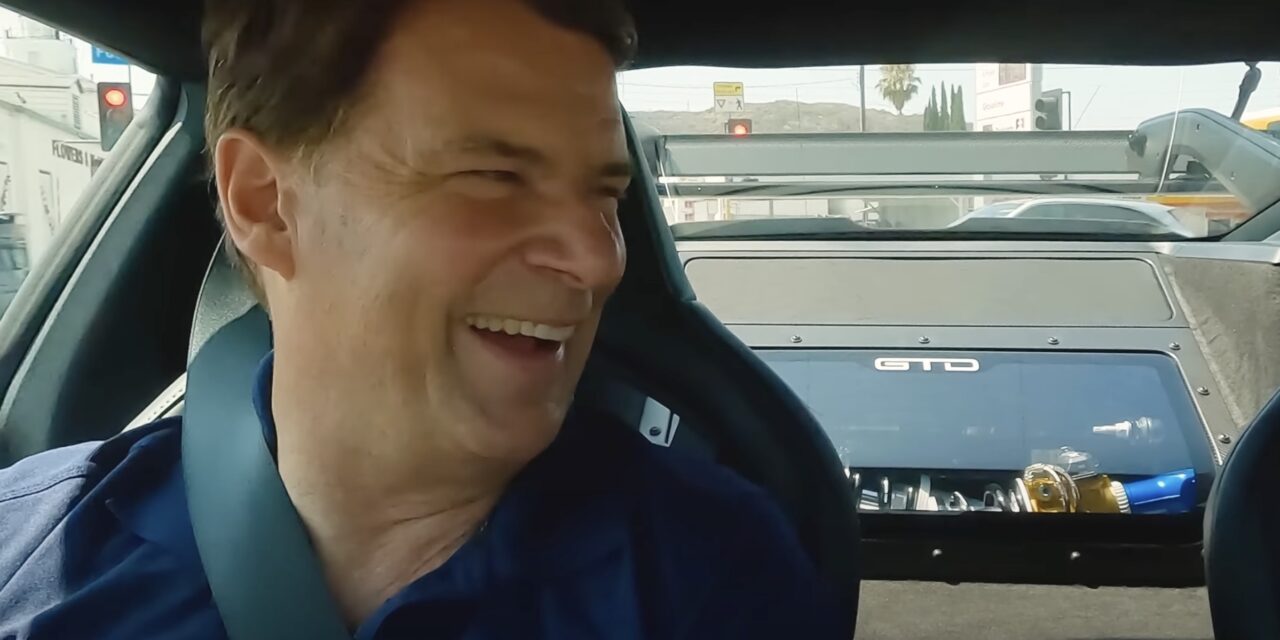

So there I was, doing my usual perusing on the ol’ interwebs… looking for something interesting in the automotive world. Usually LinkedIn isn’t where I find inspiration, but I stumbled across several short interview-clips with Ford CEO, Jim Farley. And excuse me? Did Jim Farley just say something reasonable? Even… inspiring?? To be honest, Jim Farley often strikes me as an enthusiast trapped in a suit. So I listened…
Jim Farley said – We need trade schools.
Desperately. Not just for Ford – but for everyone. From automakers, to construction, to IT infrastructure, we’re all running on borrowed labor, patched-up knowledge, and a workforce that’s aging faster than a 2000’s Tacoma frame in a salt-belt winter. Jim Farley is calling it out: We need to bring back the trades… before they’re gone. In a recent Bluesky post, Farley laid it out plain & simple:
“Many industries can’t exist without skilled tradespeople doing the jobs that power our economy. Today, 1/3 of Americans prefer trade school over a traditional college degree, and we must meet that demand with real support.” – Jim Farley
Jim’s right. This isn’t just about Ford. It’s about everything – from your HVAC installer to your local diesel tech. Farley even went so far as to say AI is about to gut white-collar jobs by the millions:
“Artificial intelligence is going to replace literally half of all white-collar workers in the US.” – Jim Farley, Aspen Ideas Festival 2025
So while everyone’s out here scrambling to build the next ChatGPT plug-in for a sushi ordering app, Farley is yelling from the backroom, “Hey… who’s gonna fix your plumbing?”


Jim Farley (right)
He pointed to Germany as the model…
Germany is a country where every station on a factory floor has an apprentice learning on the job, for up to 8 years, before moving on. That’s not an internship; that’s how you build a workforce with real teeth.
It sounds a lot like someone else we know *clears throat* Mike Rowe…
To me, this smells like Farley’s taking a page straight out of Mike Rowe’s playbook. You know, the Dirty Jobs/Somebody’s Got To Do It guy who’s been yelling from the rooftops for over a decade that we can’t run a country without people working the trades. Rowe’s not just about increasing awareness either. He’s been out there funding scholarships, advocating for policy changes, and doing everything short of shaking people by the collar to get them understanding:
“Every year for the last 12 years, for every 5 tradesmen who retire and leave the workforce, 2 replace them.” – Mike Rowe
Let that sink in. We’re not just dealing with a skills gap – we’re hemorrhaging capability, institutional knowledge, and resilience. Rowe’s also been one of the few voices reminding us that AI & automation aren’t going to replace the people who build bridges, rewire your house, or keep your vehicle running. At least not yet.
“AI is coming for the coders… but not the welders, the plumbers, the steamfitters, or the electricians.” – Mike Rowe

Mike Rowe
And now Ford’s Jim Farley is backing that up…
Look around, and you can see that mechanics are bailing. And honestly, who can blame them? Ask yourself the obvious question here: Does the automotive industry look like an attractive place for young tradesmen? Heck no – every other word is autonomy, automation, integration, EPA, etc. The auto industry couldn’t run the young workforce off faster with a flame thrower. They’ve done it to themselves. Let’s get to the greasy truth here. Mechanics – the ones keeping your vehicles on the road – are quitting the trade. Not because they’re weak. But because modern car design has become a masterclass in how to make life miserable for the mechanic. We’ve entered an era of vehicles so over-engineered, so software dependent, and overly sealed-off… that it takes a full diagnostic suite just to change a battery. Modules are coded to VIN numbers. Sensors are in inaccessible locations. Panels are glued shut. Parts are proprietary. And that’s not even getting into electric vehicles. Take your Tesla to a service center, and odds are they’re as bewildered as you are.

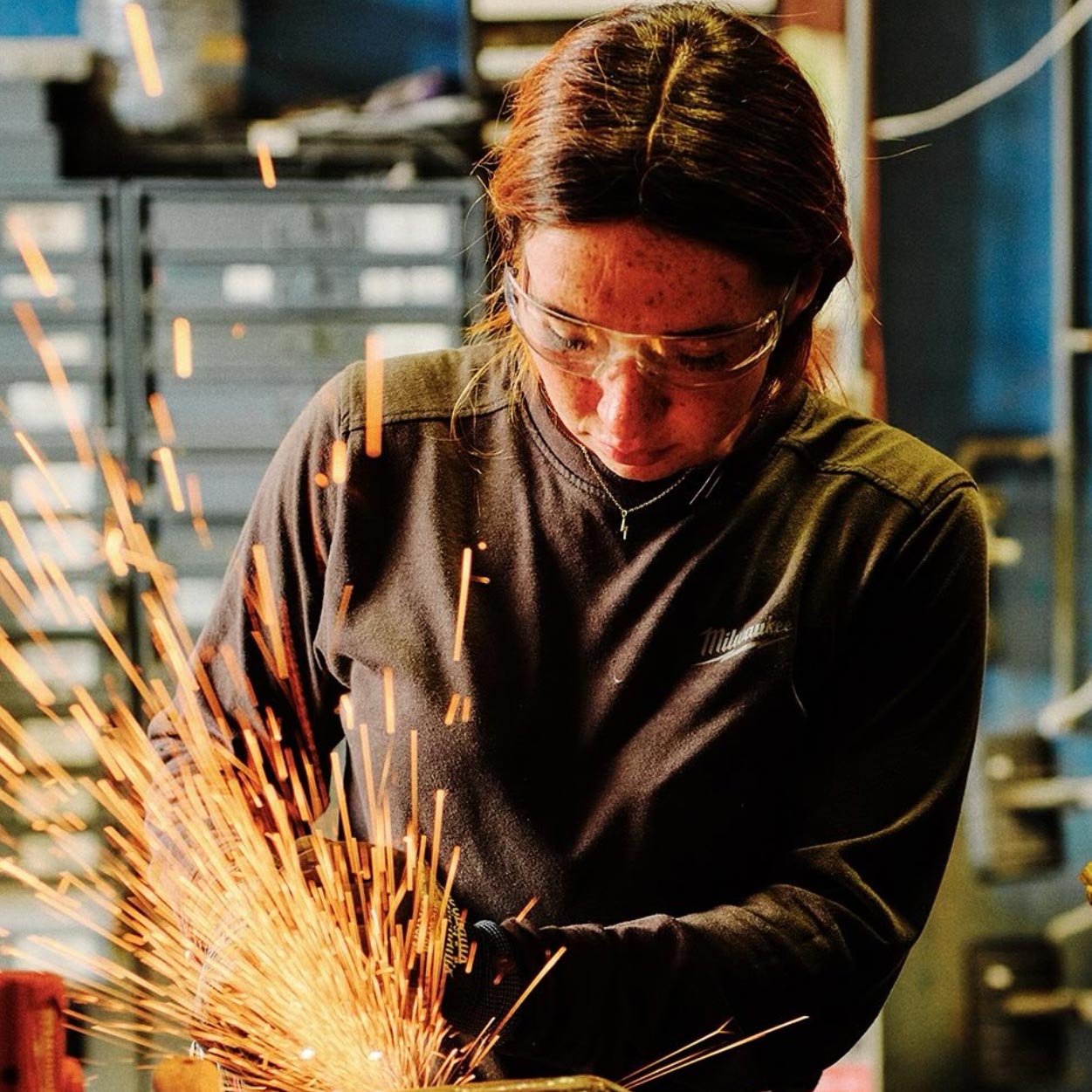
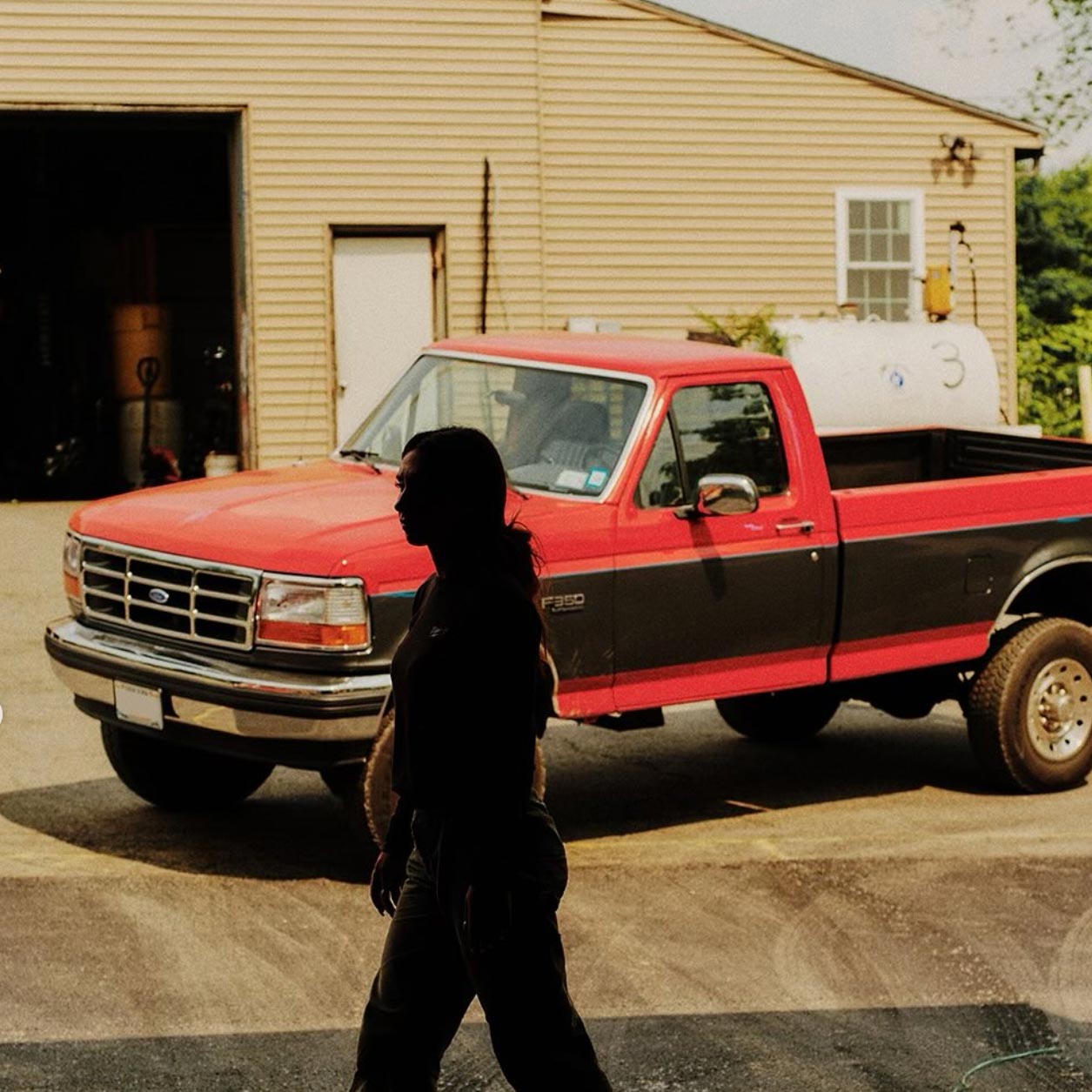
This isn’t innovation – it’s the unraveling of an industry…
New vehicles are failing early & often. Warranty work is a plague. And it’s all thanks to poor/overcomplicated design & cheap parts. It’s the paper straw analogy. We ruined a perfectly good product, to solve a problem that really didn’t exist (or could’ve been solved 100 other ways). And here’s the kicker for the mechanic: All these increasing warranty/recall jobs often pay less than the time they actually take. Imagine getting handed a flat-rate job for 2 hours, knowing full-well it’ll take 4 hours to do the job right. And if you botch it, you’re liable. How long would you keep working on those vehicles? This is why independent shops are refusing certain brands altogether. The juice isn’t worth the squeeze. And when even the good techs are throwing in the towel, what happens to the industry a little further down the road?
Build for the People. Not Just the Press Release…
If Jim Farley’s point-of-view is taken seriously – not just by Ford but by the industry as a whole – we might see a shift where vehicles are designed for the people again. That means: 1) Pricing that doesn’t assume you’re equally rich & stupid. 2) Designs that are smart & serviceable. 3) Manufacturing that prioritizes quality over quarterly earnings. 4) Maintenance that keeps mechanics in the trade… not running from it.
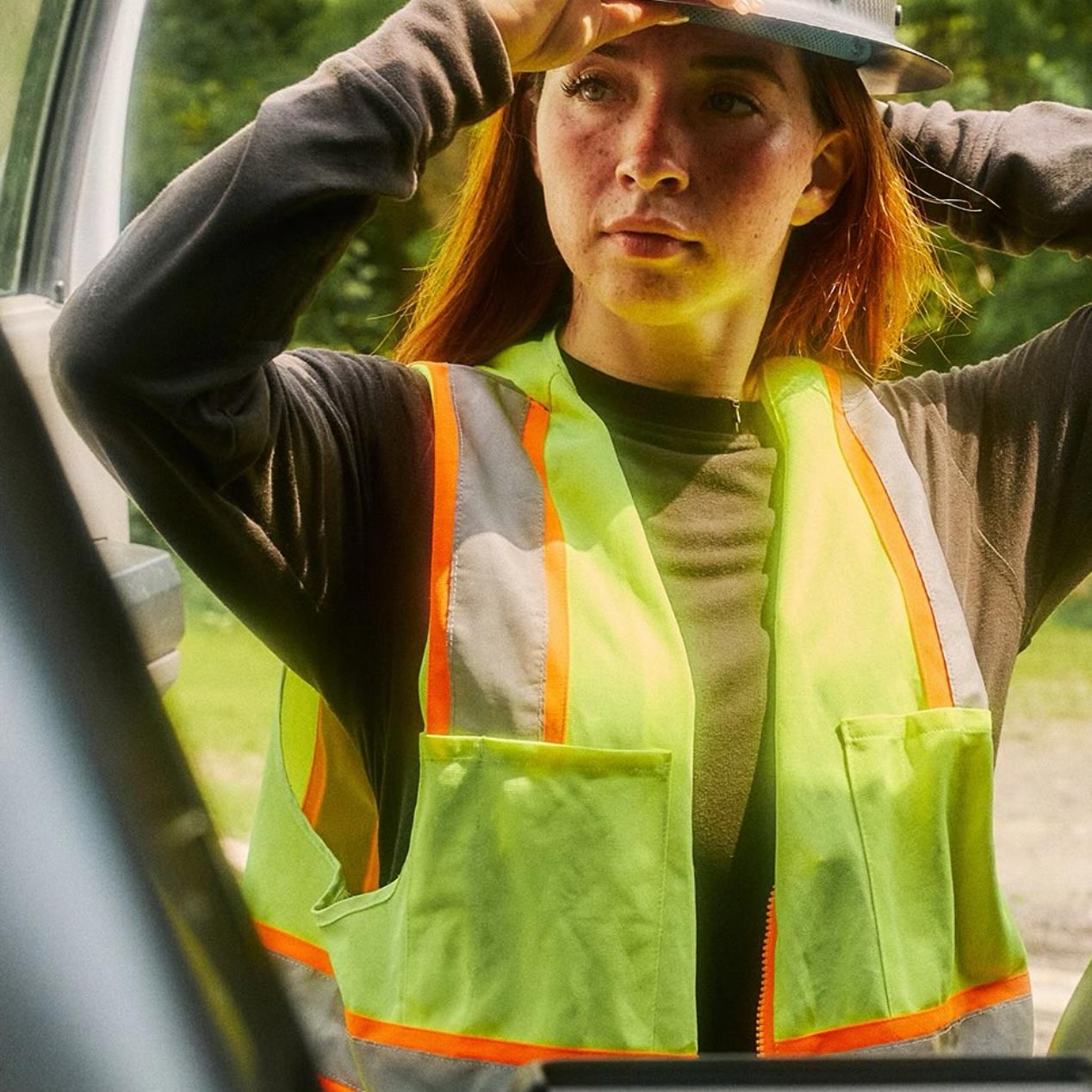
Trade schools matter…
Apprenticeships matter. Skilled labor matters. And if we actually start treating trades like the future rather than a fallback, we might not just fix the auto industry – we might fix the entire mindset that broke it in the first place. Because the truth is: You can’t code your way out of a busted water main or a worn-out tie rod. We need humans to take care of humans. Skilled, trained, dirty-hands humans. And thanks to guys like Mike Rowe & Jim Farley, maybe – just maybe – we’ll start valuing them again. Lord knows we don’t need another unserviceable $90,000 electric SUV with 11 screens. We need vehicles that work, people who can fix them, and an industry that values tradesmen with torque wrenches.
Article by David S. Windsor