

There are certain things in life that should not require a legal fight. You should be able to fix your own sink or replace your own light switch. Likewise, you should also be able to work on your own vehicle sitting in your own driveway… bought with your own money… insured with your own money… maintained with your own money… and taxed roughly 47 different ways before breakfast. Apparently, in the year of our Lord 2026 in the United States of America Land of the Free, that still needs to be said out loud.
That is why the recent movement around automotive Right to Repair is absolutely critical…
It’s not just the week’s new headline. And not just as another Washington D.C. press release with enough acronyms to make your eyes dry out. But rather – Right to Repair defends the fundamental freedoms of ownership. And as such – this needs to be brought to mainstream attention. Not just to the fringe of car culture… but to every car owner. The Right to Repair issue is straightforward…
When you buy a vehicle, you should not be locked out of repairing it…
Especially NOT on the federal/legislative level. If a specific car brand chooses to go that route, they’re free to do that… and informed buyers are free to make their choice. But it should never be forced on the American people through corporations working backdoor with government. It’s deeply disturbing that this has even become a discussion in this country. American car companies like Ford & GM should be defending Right to Repair, not debating it. And again – informed buyers should make their choice accordingly. You should not be forced into a dealer-only ecosystem.


It is unethical for car manufacturers to use technology & software to restrict access…
This is a money-grab… poorly disguised as ‘for your safety’. $126 billion is spent on automotive repair annually in the US… and carmakers want more/all of it. Not earned through healthy competition or better quality… but through backdoor government legislation. Ford & GM CEOs recently went to the United States President & said their new cars are too dangerous & complex for anyone but them to work on. Question: Who do you think made them that way?! Modern vehicles are rolling computers, yes. But they are still vehicles. And if the owner cannot access the information needed to safely maintain & repair their vehicle, then ownership starts looking a lot more like a subscription with tires.
The current federal Right to Repair push centers around…
Language that was added to the Motor Vehicle Modernization Act of 2026, H.R. 7389, which was advanced by the U.S. House Energy and Commerce Committee. That language codifies key portions of the 2014 light-duty vehicle Right to Repair Memorandum of Understanding, and the 2015 Heavy-Duty Commercial Vehicle Service Information Memorandum… making them enforceable under federal law instead of leaving them as industry agreements with gentleman’s-handshake energy.
SEMA reported that Section 202 of H.R. 7389 would require manufacturers of vehicles under 14,000-pounds to comply with Sections 1 through 5 of the 2014 MOU… while manufacturers of vehicles over 14,000-pounds would have to comply with Sections 2 through 8 of the 2015 heavy-duty MOU. Section 203 would give the Federal Trade Commission enforcement authority and allow civil penalties. That is the boring legal version.
The real-world interpretation is this:
The agreement that said independent shops should get access to the same diagnostic and repair information as franchised dealers… is being moved from “please play nice” to “there are consequences if you don’t.” As it should be.
For years, automakers have sold increasingly complex vehicles, while simultaneously controlling more & more of the repair ecosystem behind them. It used to be that a decent scan tool, a service manual, common sense, and a willingness to bleed from at least one knuckle could get you through most repairs. Today, even basic work can require software resets, calibrations, module pairing, security access, ADAS procedures, or manufacturer-specific tools. For example, a friend’s Cadillac recently needed a new fuel pump module… an easy enough repair until she found out it needed dealer only VIN programming.
These days, if you replace a windshield, you may need a camera recalibration. Replace a battery, and some vehicles want to be told that a battery replacement happened, because apparently the battery now needs a formal introduction (looking at my GL63). Replace a control module and the vehicle may treat you like you’re trying to hack the Pentagon. That’s not normal ownership, that’s is controlled access.


And controlled access always turns into controlled pricing…
The bill language defines “covered repair information and tools” broadly – including equipment, tools, repair procedures, technical information, software, wiring diagrams, training materials, parts information, and parts catalogs needed to perform diagnosis, maintenance, repair, calibration, or recalibration. It also defines “covered data” as in-vehicle data used for repairs or compliance with federal safety or emissions standards, while excluding personally identifiable occupant information. That privacy carveout matters, because the goal should be repair access, not turning every independent shop into a rolling data broker.
This is where the independent shop side becomes painfully obvious…
A shop cannot properly fix what it cannot properly diagnose. And a technician cannot safely recalibrate what the manufacturer refuses to explain. A small business cannot compete if the dealer network gets the full toolbox… while everyone else gets a flashlight and a motivational poster. And customers suffer for it. They pay more, wait longer, tow farther, and often get pushed into repairs based more on access than ability.
That is the monopoly problem hiding underneath all the “safety, cybersecurity, & proprietary information” language.
Yes, all of that matters in some way. But there is a difference between protecting software, and weaponizing software. There is a difference between securing a vehicle, and locking the owner out of it. And – there is a difference between preventing hacking, and preventing competition. That line has been blurring for years…
President Trump’s own comments put the issue in blunt, in very non-lawyer terms…
After meeting with auto industry leaders, he said, “They don’t want people to fix their car,” and added (perhaps more accurately) that there was “a move to stop people from fixing their car.” He also said he did not understand the idea of stopping mechanically capable people from repairing their own vehicles. FactCheck.org correctly noted that one anecdote he used about a man going to jail for “fixing his own car” was inaccurate. The case involved Clean Air Act violations tied to disabling emissions systems on hundreds of trucks, not a guy simply fixing his personal vehicle in the driveway. That correction is important, and I mention it because this debate does not need exaggeration to be valid. The facts are strong enough on their own.
Then came the White House memorandum, titled Lowering the Cost of Living by Promoting the Freedom to Fix…
The memorandum focuses heavily on emissions-related repair options & aftermarket parts certification. Especially the bottleneck created by relying on California Air Resources Board (CARB) Executive Orders as the main recognized path for proving emissions compliance. The White House stated that CARB certification can now take well over a year, even when paperwork and testing are in order. The bottleneck increases costs while limiting the supply of compliant parts. And the memo directs the EPA to issue guidance – clarifying what individuals may do to repair their own emissions systems or have emissions repairs performed consistent with the Clean Air Act.
That’s a big deal for the aftermarket…
It’s also exactly why SEMA has been so involved. SEMA has spent years fighting not just for the Right to Repair, but for the right to modify, customize, certify, sell, install, and keep the aftermarket alive without every new rule turning into a locked gate. SEMA’s statement on Trump’s Freedom to Fix memorandum called it “bold action” in support of vehicle owners and aftermarket businesses. And specifically pointed to the need for federal certainty for aftermarket companies seeking emissions compliance certification. SEMA also highlighted its Garage program, which works around emissions and emerging safety technology for modified vehicles.
Here’s what people need to understand…
Right to Repair is not just about replacing an alternator on a Tuesday night. And it’s not about quieting that kid with the too loud truck. It’s about the entire ecosystem around vehicles. And it’s about protecting livelihoods your community. Independent shops that sponsor your kid’s t-ball/soccer team. Tool companies that your brother-in-law work for. Aftermarket parts manufacturers that give alternatives to expensive, back-ordered OEM products. The hometown mechanic that quick-fixed your AC in the heat of summer. Transmission shops, collision shops, fleet maintenance companies… the list is long & deeply woven into your community. Fathers teaching sons & daughter the skill of wrenching & independence/capability… or neighbors in a driveway bonding with a jack & two flashlights. It gets down to the very fabric of America.

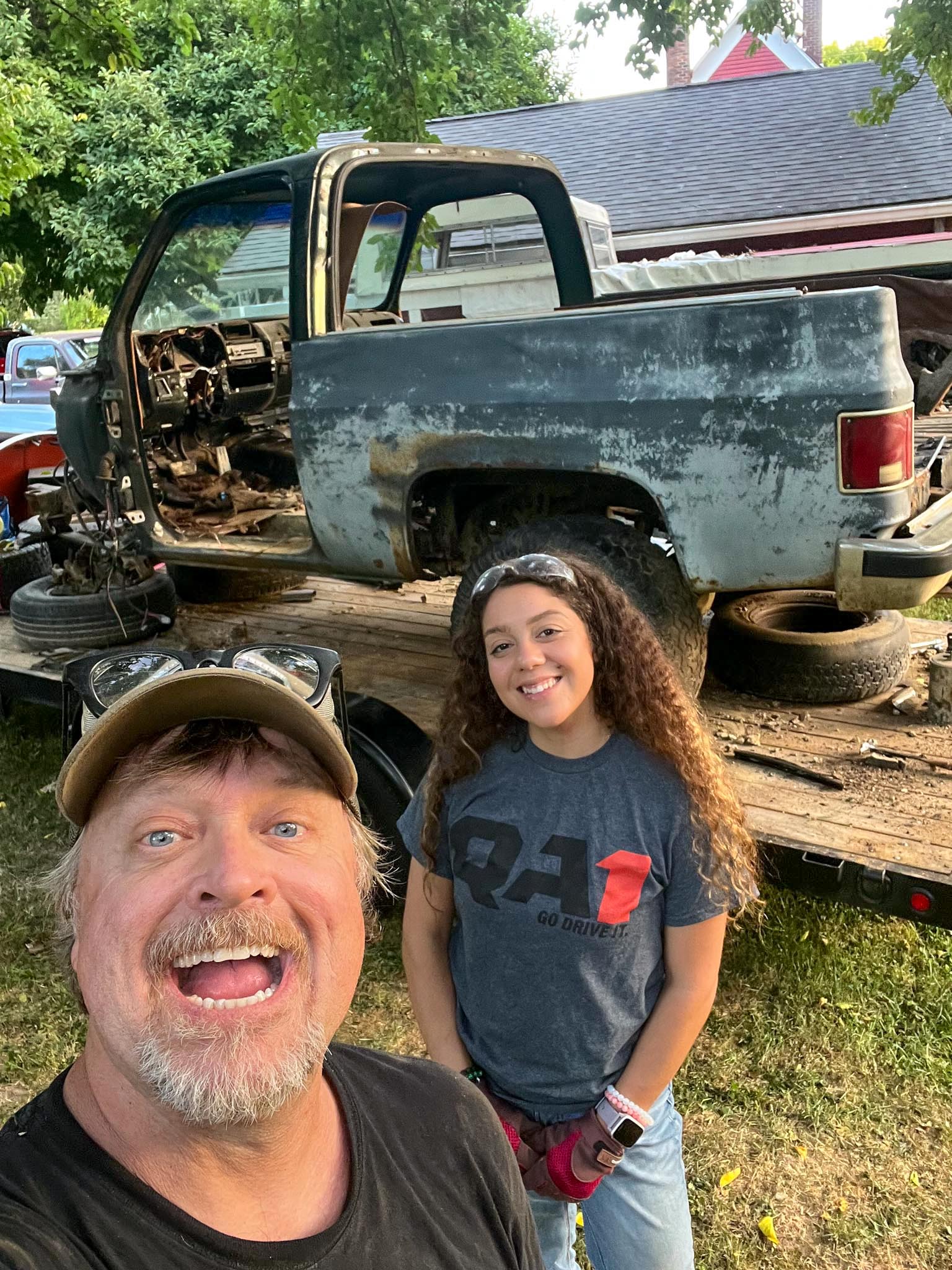
This is car culture at ground level… beyond sheetmetal.
And once manufacturers control the data, the software, the service procedures, the calibration access, the parts authorization, and the repair pathway… they do not just control repairs. They control ownership. And they control competition. They control cost. And – they control whether an independent shop survives. They control whether the aftermarket can innovate & inspire. And they control whether the vehicle you bought becomes something you own… or something you’re merely allowed to operate under the manufacturer’s continuing supervision.
That is not how this country works…
You cannot sell someone a machine, then act like they’re trespassing when they open the hood. Now, to be fair, the current committee-passed language is narrower than the original REPAIR Act. SEMA noted that the Energy and Commerce Committee significantly narrowed the bill, removing broader provisions involving telematics and direct wireless data access. Rep. Neal Dunn (the REPAIR Act’s lead sponsor) said the committee version was progress, but did not fully reflect the original bill and failed to fully protect consumers, independent repair shops, and aftermarket manufacturers. That means this is not the finish line. It is a major step, but not the whole staircase.

Still, the White House Freedom to Fix memorandum is significant because it establishes a federal direction…
It says repair access is not some fringe enthusiast complaint. And that the dealer network cannot be the only door into modern vehicle repair. It says independent shops deserve access & a chance to thrive. And it says owners deserve choice. It says the government is at least starting to recognize that modern technology has created new ways to trap consumers inside closed repair systems. And that recognition is overdue…
What does it mean for DIYers…
This isn’t just the right to repair. Essentially, it’s the right to be self-sufficient & independent in this country. The right to keep an older vehicle alive, instead of being forced into a system of ever-growing monthly payments. And the right to teach your kids what a wrench is… before the world convinces them every problem requires an app, a subscription, and a certified service portal.

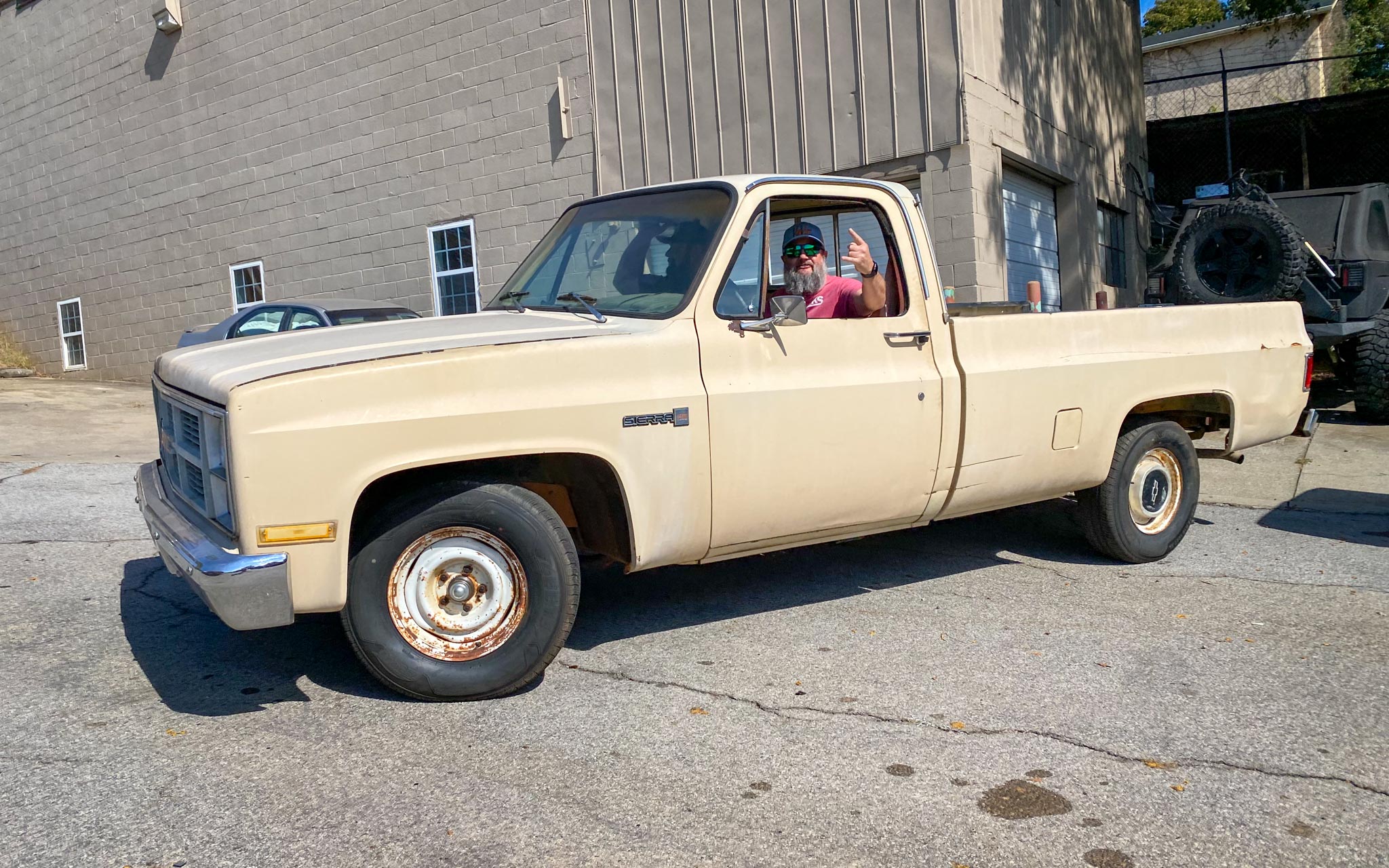
What does it mean for independent shops…
This matters because access is survival. A shop can have brilliant technicians, loyal customers, a great reputation, and decades of experience… but none of that matters if the manufacturer withholds the data needed to complete the repair. Modern repair is no longer just mechanical. It is mechanical, electrical, software-driven, sensor-based, and calibration-heavy. If independent shops are denied the same information dealers receive, then the market is rigged.
What does it mean for the aftermarket…
This matters because innovation rarely comes from locked rooms. The best parts, the best tools, the best upgrades, and the best solutions often come from people outside the OEM bubble. AKA the culture: Hotrodders, racers, fabricators, engineers, small businesses, and weirdos with TIG welders. The automotive world got better because people modified things, repaired things, improved things, broke things, learned from it, and tried again.

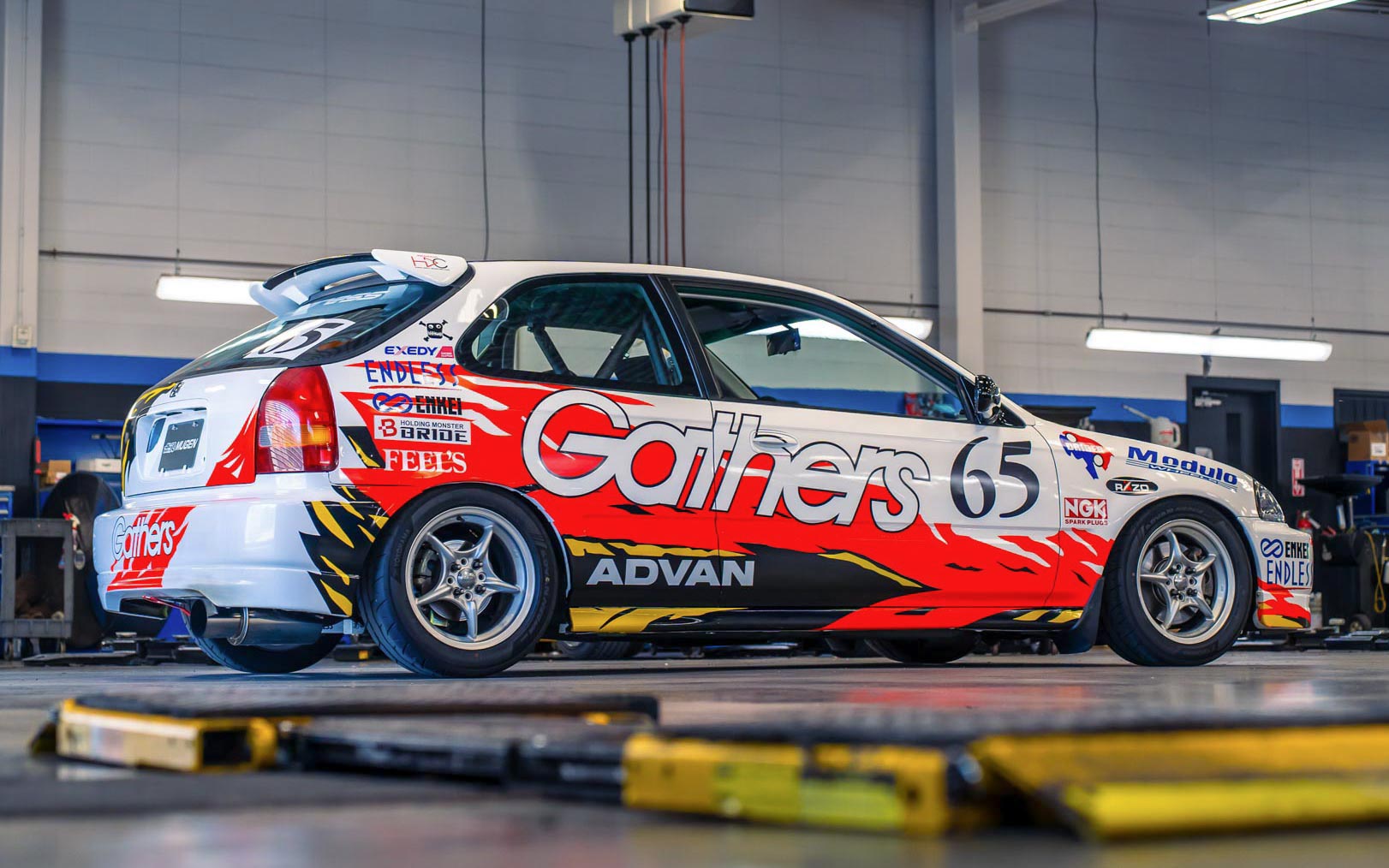
That spirit cannot survive inside a permission-based repair economy…
Right to Repair does not mean anyone should be allowed to defeat emissions systems, compromise safety systems, steal intellectual property, or turn modern vehicles into cybersecurity piñatas. That is the strawman argument. Responsible repair access can coexist with safety, privacy, emissions compliance, and cybersecurity. The question is not whether vehicles should be secure. They should be. The question is whether “security” should be used as a polite word for monopoly.
We have already seen this fight in phones, tractors, appliances, medical equipment, and farm machinery. And the pattern is always the same. A company sells you a product, then claims the software, tool, diagnostic pathway, or service process is too sensitive for you to touch. Suddenly, fixing something you own becomes an uncontrollable, time-sucking, expensive transaction. And suddenly, repair becomes less about ability and more about permission.
The importance of this moment…
Is not just that a bill moved forward or a memorandum got signed. Rather, it’s that the conversation has shifted. People are starting to realize that ownership without repair access is just a really expensive subscription. They are starting to realize that software can be used as a lock (and a monitoring device). Finally, they are starting to realize that the same technology making vehicles smarter… can also make consumers weaker if access is controlled by the wrong incentives.
And the incentives are obvious…
Profit. $126 billion per year in their crosshairs. Locked ecosystems make money. Proprietary tools, software, and parts make money. The customer having fewer choices/options… makes money. Freedom usually does not.
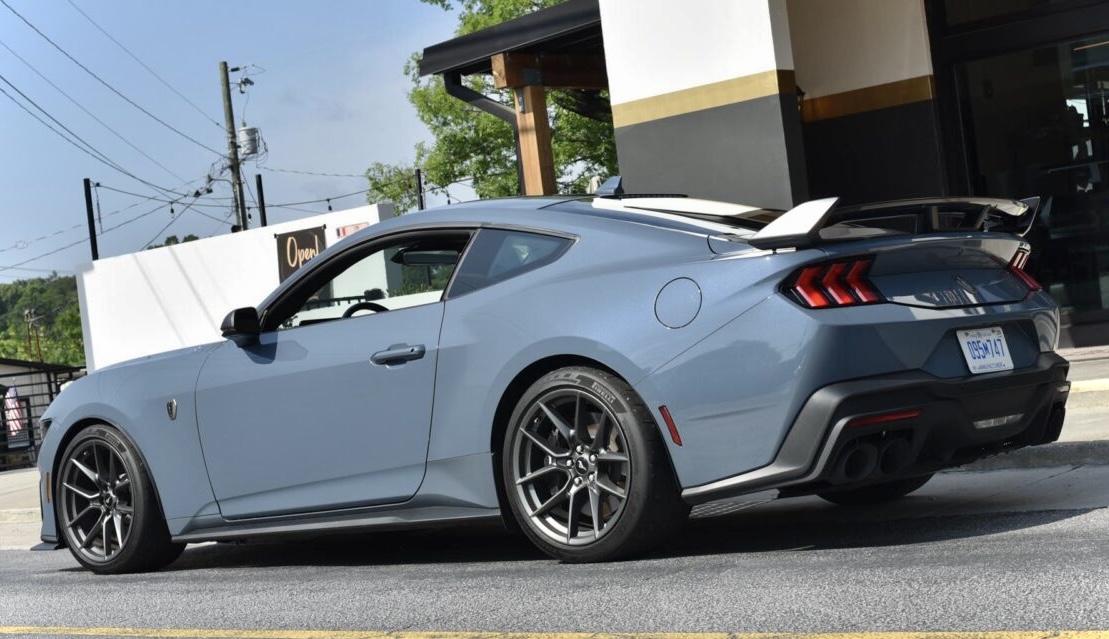
Right to Repair is not anti-dealer…
Good dealerships still earn customers. Additionally – Right to Repair is not anti-OEM. Automakers should still protect safety, emissions compliance, software integrity, and intellectual property. Right to Repair is not anti-technology either. Modern vehicles are complex for real reasons. But complexity cannot become captivity. Technology cannot become an excuse to erase competition. And ownership cannot become a decorative word printed on a finance contract.
If you bought it, you should be able to fix it. The same goes for any independent shop with the training, tools, and ability. And if the aftermarket can build a compliant, tested, safe replacement part, they should not be buried in endless regulatory fog. Lastly – if a DIYer wants to maintain their own vehicle & keep their investment on the road, they should not have the rug pulled out from under them by corporate greed and/or government overreach.
That’s what this is really boils down to…
Not politics, not party lines, and not another exhausting culture-war food fight where everyone screams & nobody reads the bill. It’s about whether the American car owner still gets to be an owner. The monopoly is finally being challenged. Good. Because the hood should open both ways: Mechanically and legally.
Article by David S. Windsor