
Headlights are one of those things everyone thinks they understand… right up until they install something “brighter” and somehow end up seeing worse at night. Often without even realizing it. Spend five minutes online and you’ll see the marketing everywhere: 10,000 lumens! 600% brighter than stock! Plug-and-play LED upgrade! It sounds impressive. And sometimes those products really are brighter. But here’s the part the aftermarket lighting industry doesn’t always explain very well:
Headlight performance isn’t about lumens…
It’s about lux. And more importantly, where that light actually ends up. Because when it comes to automotive lighting, brightness without control doesn’t help you see better. It just creates more glare and a hell of a lot of foreground.
Lumens vs Lux – The Part Nobody Explains…
Lumens measure the total amount of light produced by a source. Lux measures how much light actually lands on a surface. That difference matters more than most people realize. Think of it like a garden hose. Lumens are how much water is flowing through the hose. Lux is how much water actually hits the plant you’re trying to water.
Headlights work the same way. A bulb might produce more lumens, but if the optics inside the headlight can’t control that light properly, you won’t get more usable illumination down the road. You’ll just get more scattered light.
Here’s where the Foreground Illusion comes into play…
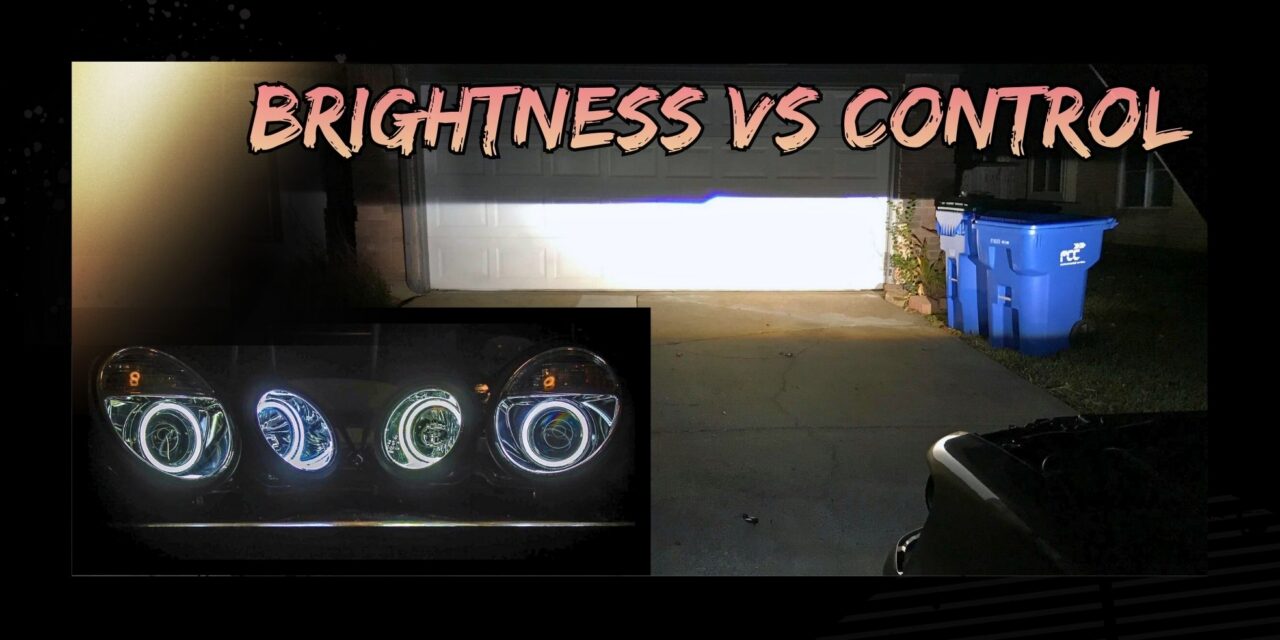
When the wrong aftermarket light source goes into a housing, the beam pattern breaks down. So instead of projecting light down the road where you actually need it, a lot of that light gets dumped directly in front of the vehicle. The first 20–30 feet suddenly becomes extremely bright, and your brain interprets that as better visibility. But in reality, it’s the opposite. Your eyes adapt to the bright foreground… which actually makes it harder to see farther down the road where hazards are.
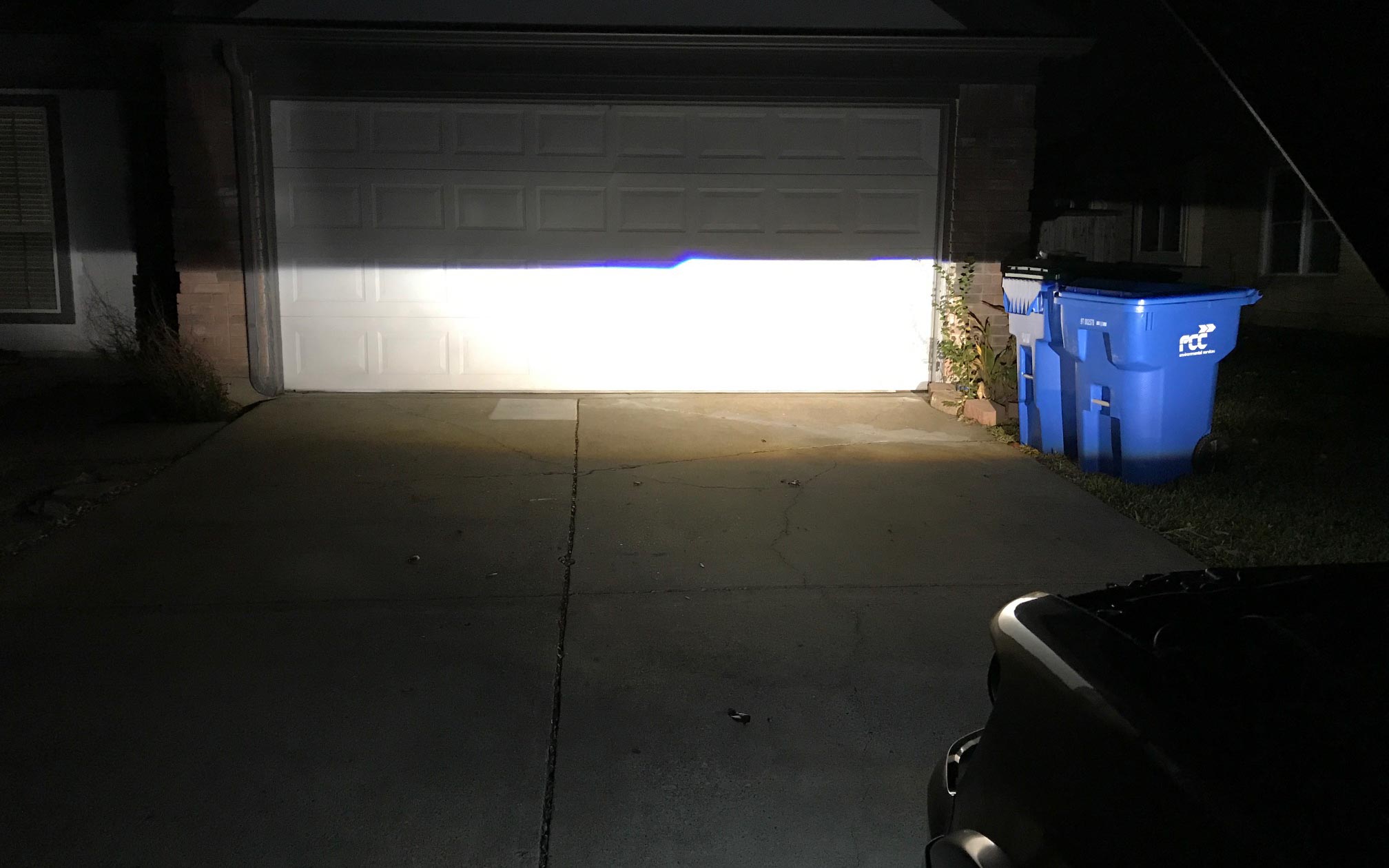

What you want from headlights is controlled projection…
Light that travels down the road with a wide, even beam-pattern. And – a defined cutoff that prevents glare for oncoming drivers. That’s what factory engineers design headlights to do. And it’s exactly what gets disrupted when the wrong light source is installed in the wrong housing.
Some housings are better than others…
Headlights aren’t just bulbs sitting inside plastic shells. They’re carefully engineered optical systems built around three critical elements: 1) The position of the light source. 2) The reflector or projector design. And 3) The lens and cutoff shield. Each of those components is designed around the exact position of the bulb’s light source.
Halogen bulbs, for example, use a filament located in a very precise spot. Reflectors and projectors are designed around that filament. LED chips and HID arcs emit light differently. Even if those sources produce more lumens, their emission point is different, which throws off the entire optical system. That’s why people often end up with hot spots, dark spots, excessive glare and less usable distance lighting. And ironically, the driver often thinks the lights are better because the foreground looks brighter.
But not all Plug-and-Play Systems Are Junk…
To be fair, the aftermarket lighting world has improved dramatically over recent years. Manufacturers have spent a lot of time trying to replicate halogen filament positioning with LED emitters and HID arc placement. And some aftermarket companies have done impressive work by engineering LED systems that perform surprisingly well in a lot of housings. But there’s still a limitation, because no matter how well engineered a plug-and-play bulb is, it’s still trying to work properly inside a housing that wasn’t designed for it. And because of that, it will never outperform a system that was built specifically for that light source.
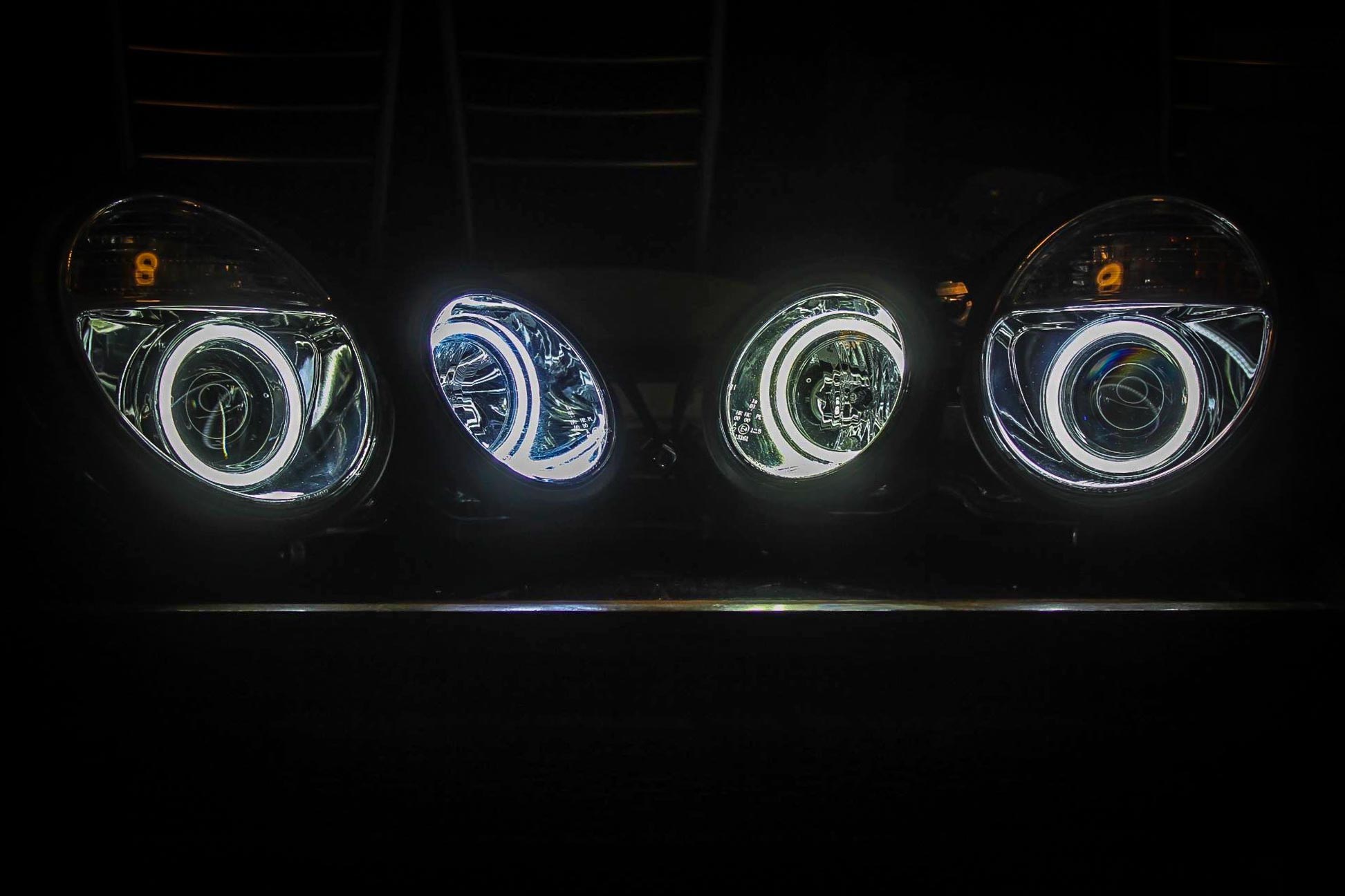

If you want dramatically better lighting performance…
The answer usually isn’t just a brighter bulb… it’s better optics. That means either using a housing designed for LED or HID projectors, or retrofitting a proper projector into the existing housing. A proper retrofit completely transforms how a vehicle lights the road. And instead of light blasting everywhere, you get a razor-sharp cutoff, wide beam spread, excellent down-road illumination and minimal glare for oncoming drivers. The difference is enormous.
How I Became Obsessed with Headlights…
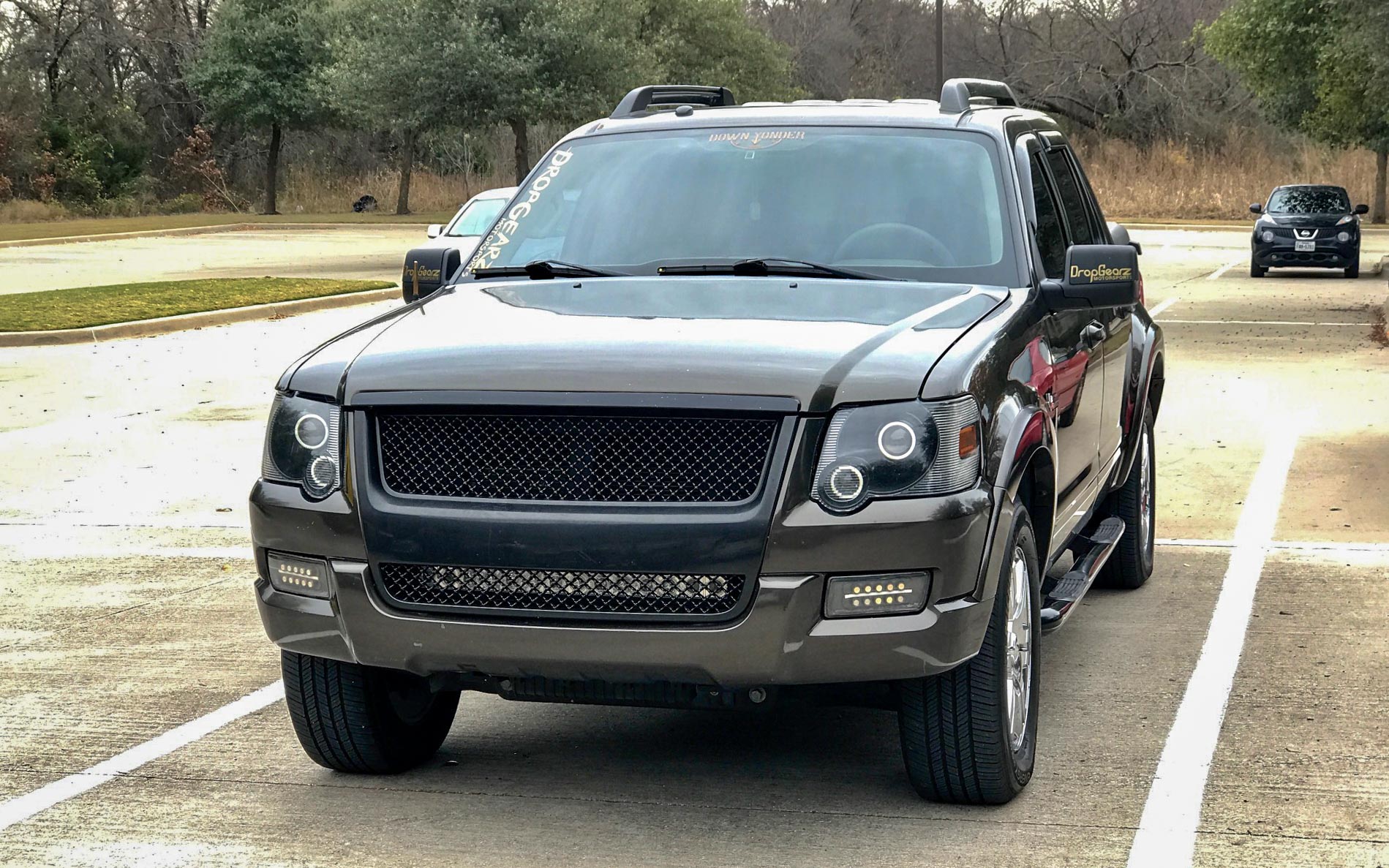
My obsession with automotive lighting didn’t start with science. It started with a dumb idea. The year was 2007, I was 18 or 19, and I had a Ford Explorer Sport. Just like any other dumb kid at the time, I wanted blue headlights. Not OEM white. And not subtle. Nah – I wanted that ridiculous Fast & Furious blue. So I walked into Dynamic Sound & met the owner, Jason. I told him exactly what I wanted: Blue lights, 30,000k HID’s. He laughed & said something along the lines of, “If you actually want to see at night, blue isn’t the way to go.”
So instead, he steered me towards a 6000K HID kit for my headlights and fog lights. And just like that, the rabbit hole opened. I was hooked. Everyone thought my truck had the brightest lights they’d ever seen. And before long I became the guy installing HID kits for everyone. Family, friends… friends of friends, etc. I even ended up working at Dynamic years later. And I could tell you exactly what you needed once I heard your year, make, & model. There was still one problem though – like most young car guys, I thought I knew everything. Brighter meant better, right?
The Night I Got Humbled…
One night I was driving across campus with a buddy. We crested a hill, and immediately, a police officer pulled us over. It wasn’t the first time I’d been stopped, but it was a little different this time. He walked up, blinking his eyes, and said,
“Buddy I thought I was staring into the sun.”
And then he explained – Not everyone sees light the same way. Some drivers are extremely sensitive to bright light sources. Astigmatism, fatigue, age, and eye conditions can all affect how glare is perceived. So for one driver it might be annoying… while for another it might be legitimately blinding & dangerous. And when the officer said that – it stuck with me. It made be realize I was being a little bit selfish/childish in the way I was showing off. To be fair though…
Some of today’s factory headlights can also be problematic for oncoming drivers…
These days especially, you often hear people complain about “blinding headlights”. Modern LED systems are extremely powerful. And here’s the thing – many vehicles actually require a final headlight aiming during dealer prep. A vast majority of the time, however, that step is skipped.
Either way – I realized I’d been chasing brightness, like a dummy, without understanding how headlights actually worked. Cue the next rabbit hole:
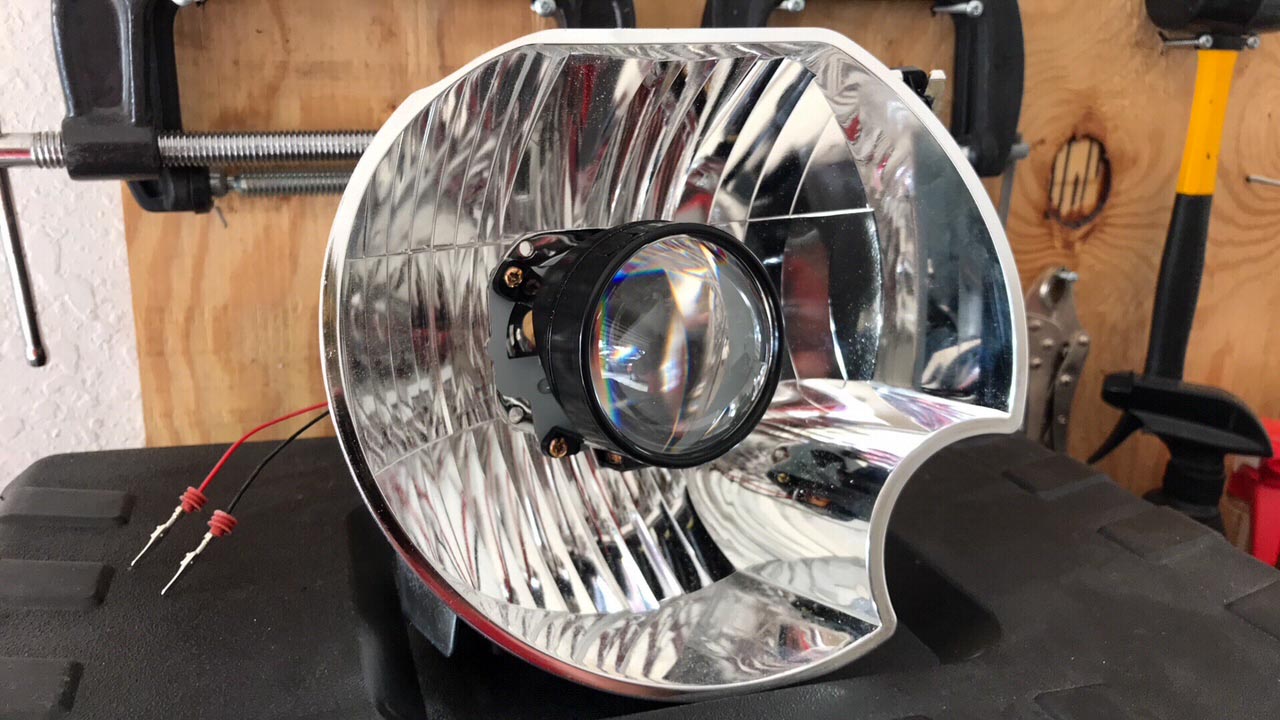

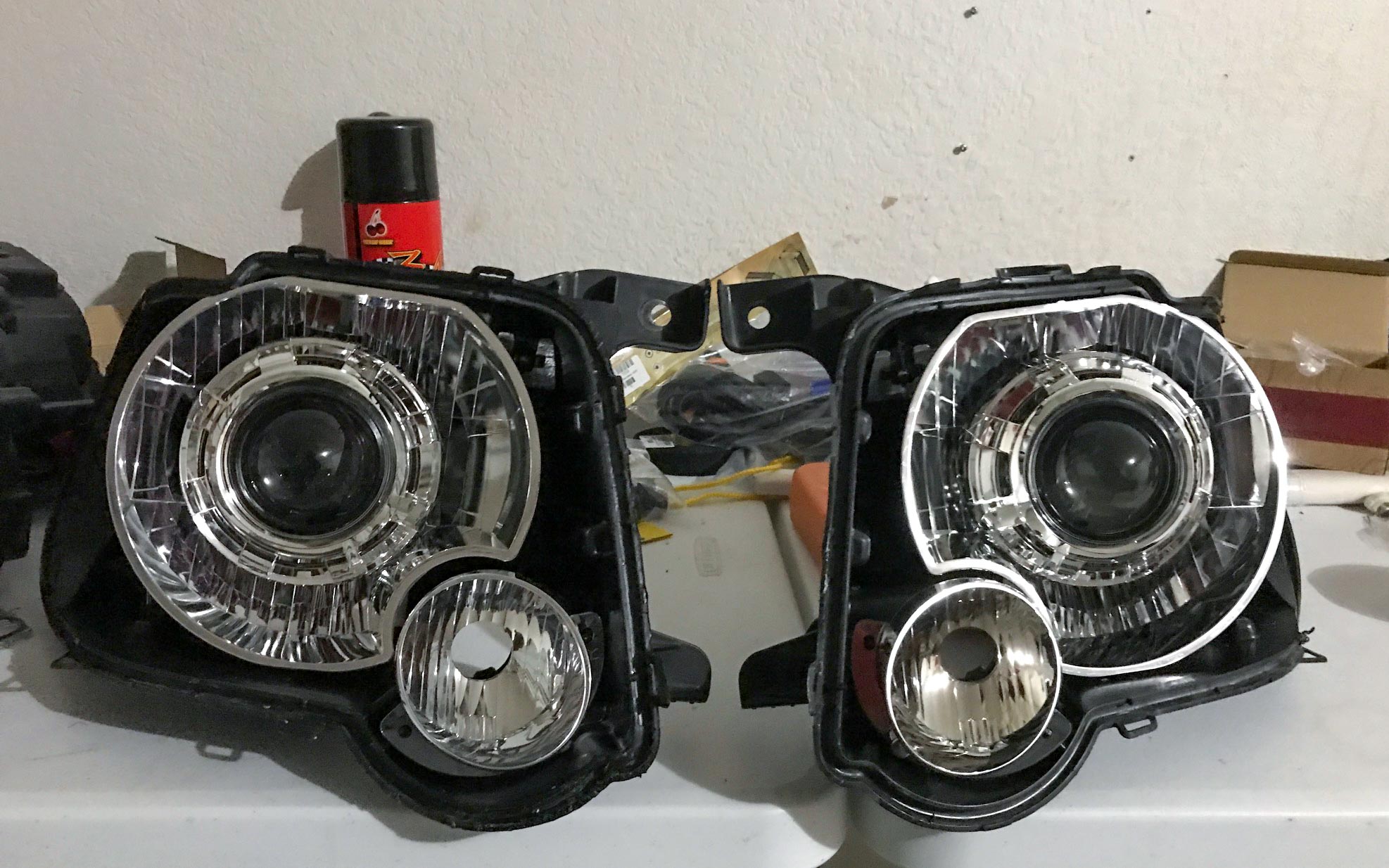
The Retrofit That Changed Everything…
A true projector retrofit… is not a bulb swap. Nor a kit. Rather, it’s an actual projector system built inside the OEM housing. Do it right, and the beam pattern is perfect, with a sharp cutoff & a wide spread… and the light stretched way down the road without blasting glare everywhere.
Once I started digging into lighting design, it was over. I learned everything I could about projector optics, reflector geometry, HID arc positioning, LED emitter placement, beam patterns, cutoff shields, and all the accessories/mods that can go along with a retrofit. So I started building them myself. And here’s where I’ll end it…
Lighting Done Right Is Invisible…
The funny thing about good headlights – is that nobody notices them. When lighting is done right, the road is evenly illuminated, the beam pattern is smooth, and oncoming drivers aren’t blinded. Everything just works. But when lighting is done wrong… everyone notices. And once you understand how headlights actually work, you realize the real goal isn’t brightness, it’s control. Because the best headlights aren’t the ones that look the brightest. They’re the ones that actually put usable light exactly where it belongs… down the road.