
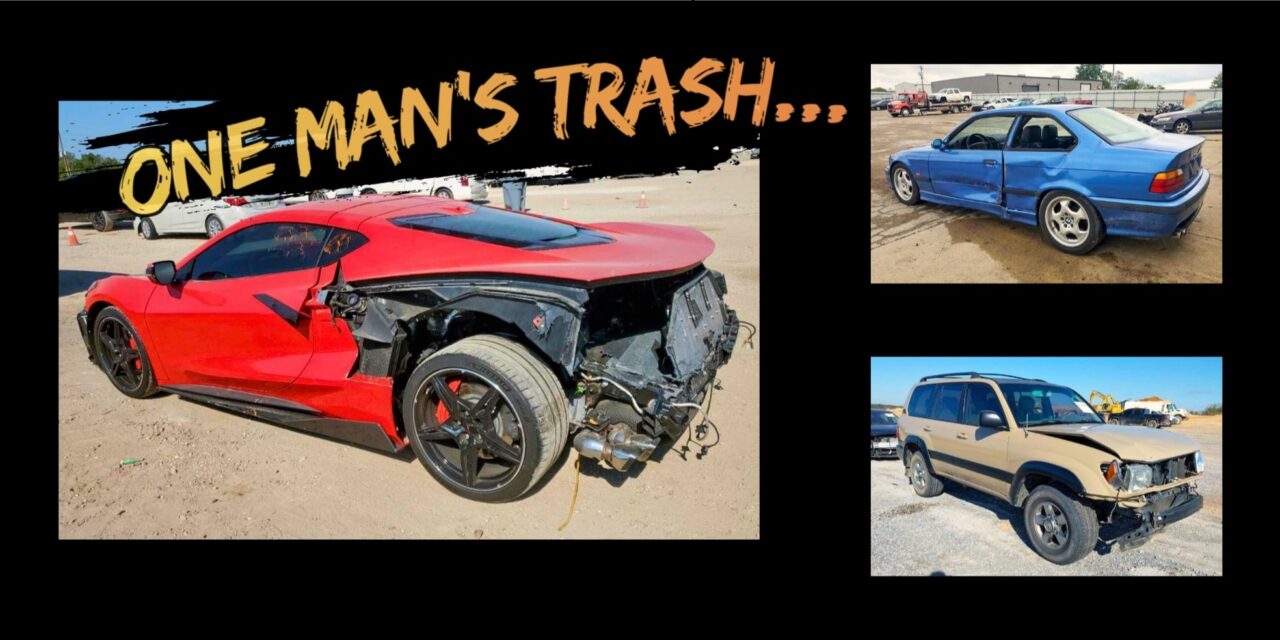

Buying a used car can feel like hunting for treasure in a maze of listings, auctions, and dealer offers. Some prices look almost too good to be true, especially when you start exploring auctions listing junkyard cars for sale that promise significant savings for buyers who know how to spot value. That’s where things get tricky. Terms like “salvage title” and “junk title” start to appear, and suddenly the risk feels much higher than the discount. To make a wise decision, you need to know what each title really means, how it affects safety, insurance, and resale value… and which kinds of branded vehicles can still be a solid choice rather than an expensive headache.
What Is a Salvage Title Car?
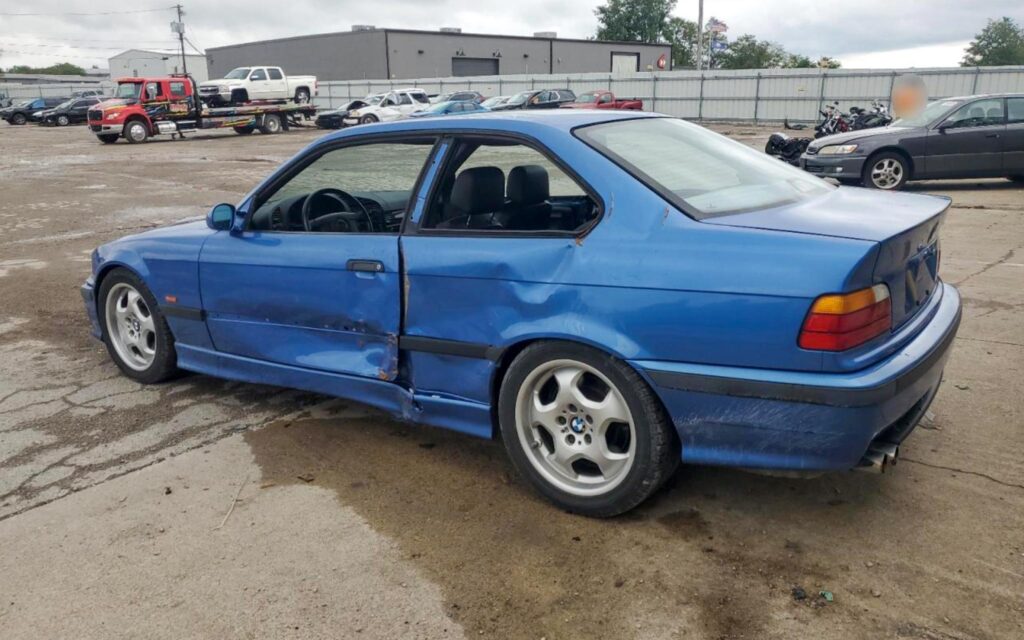
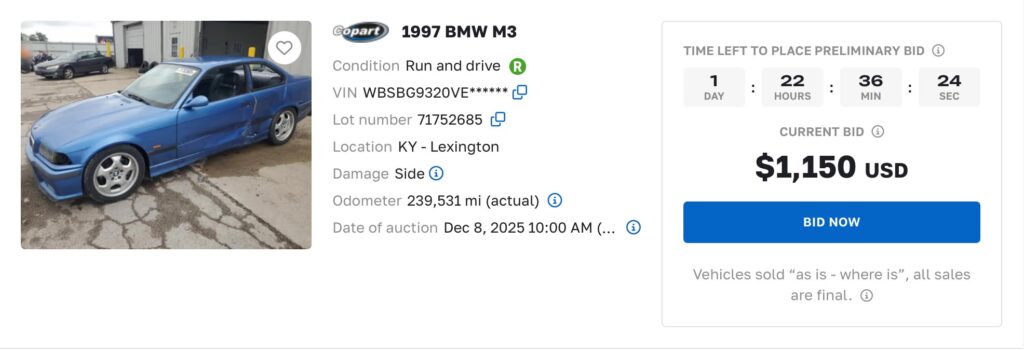
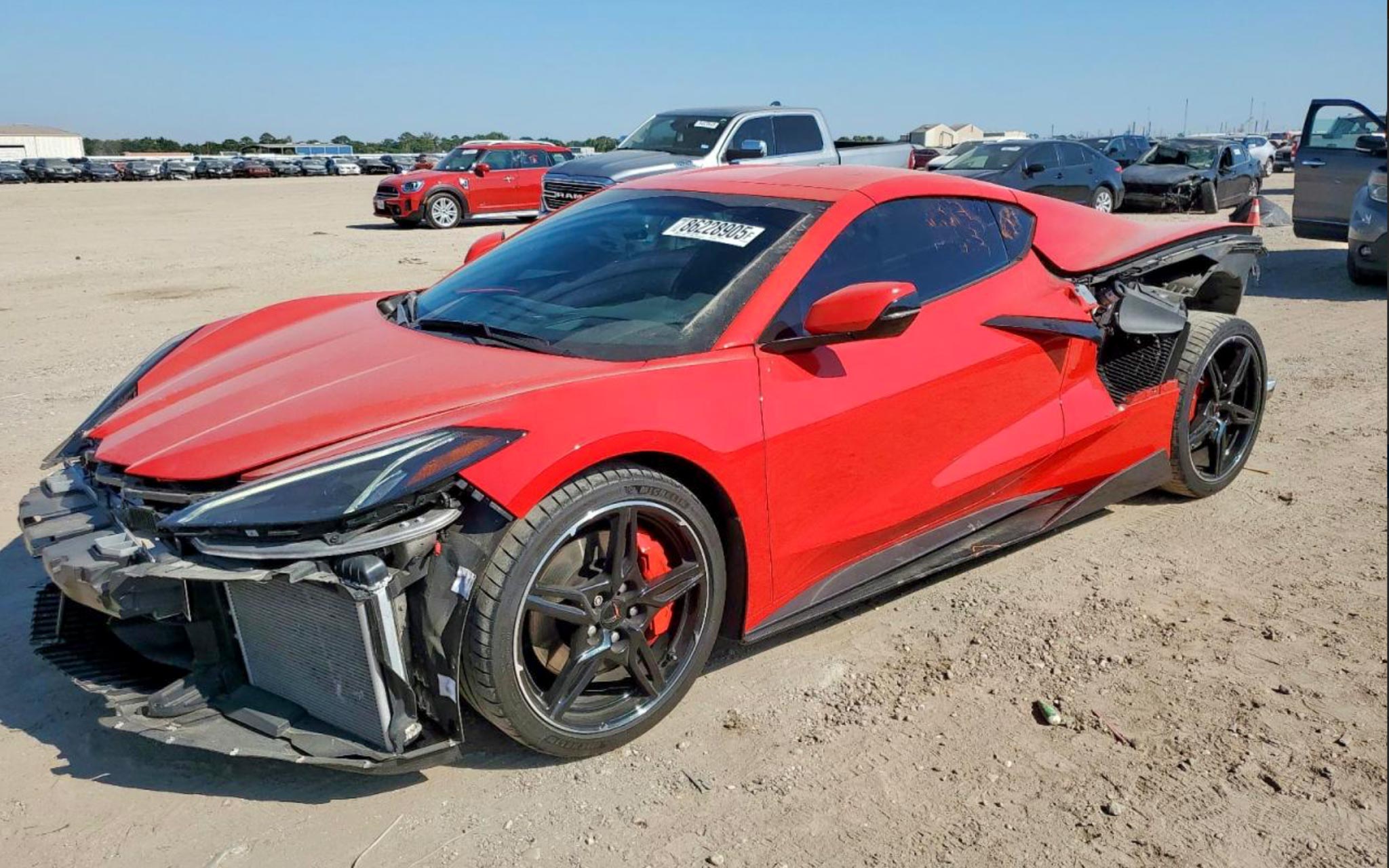
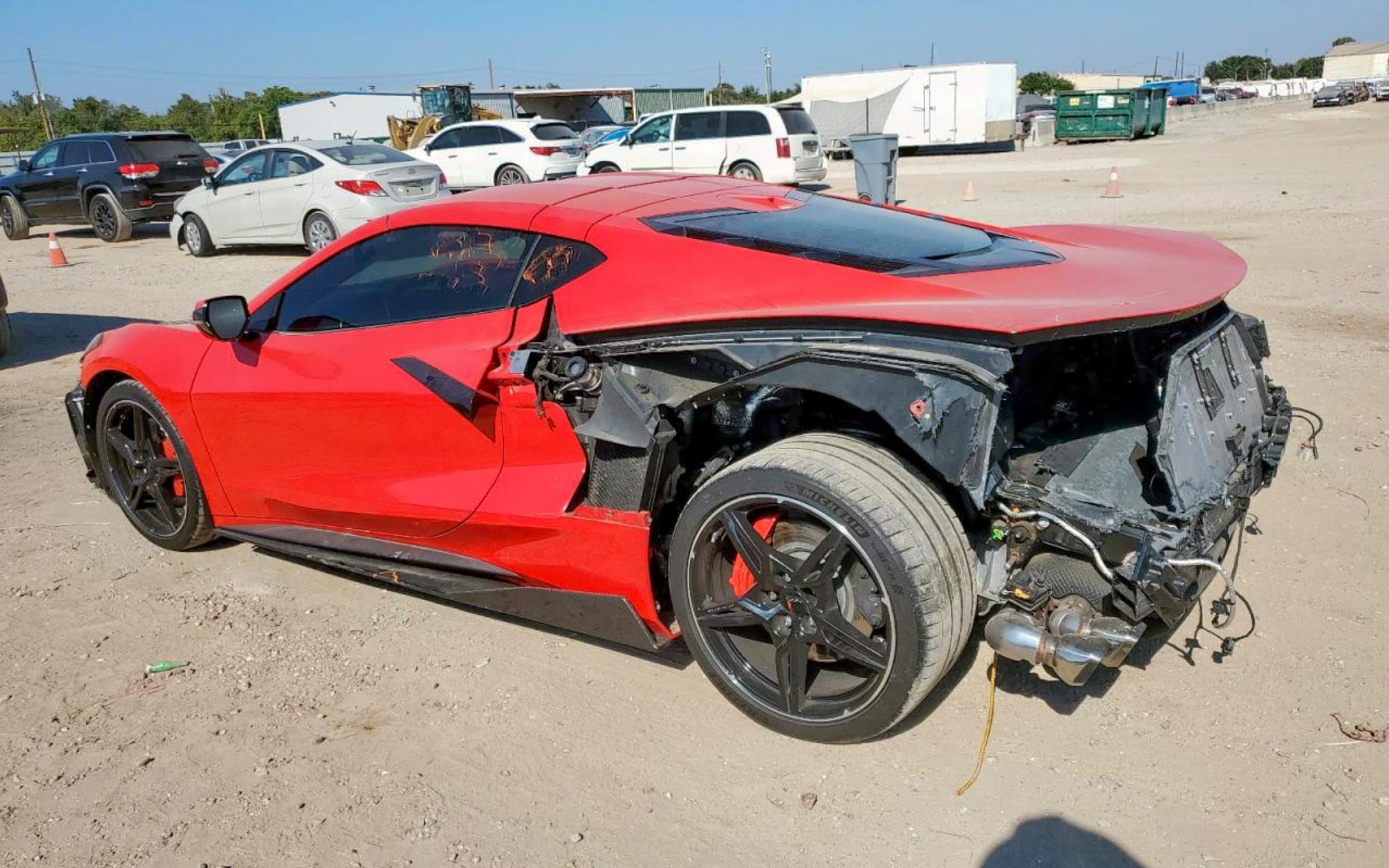
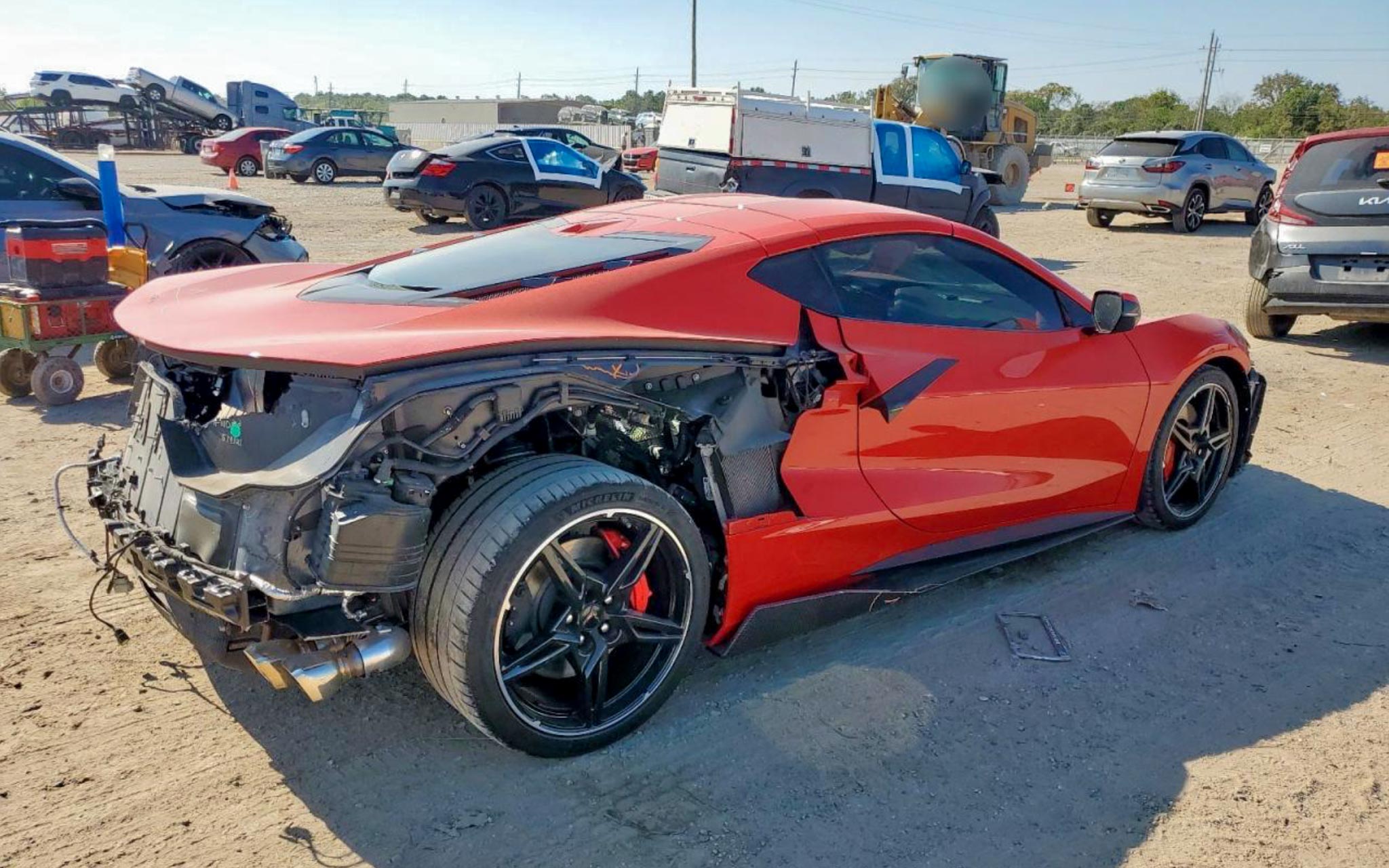
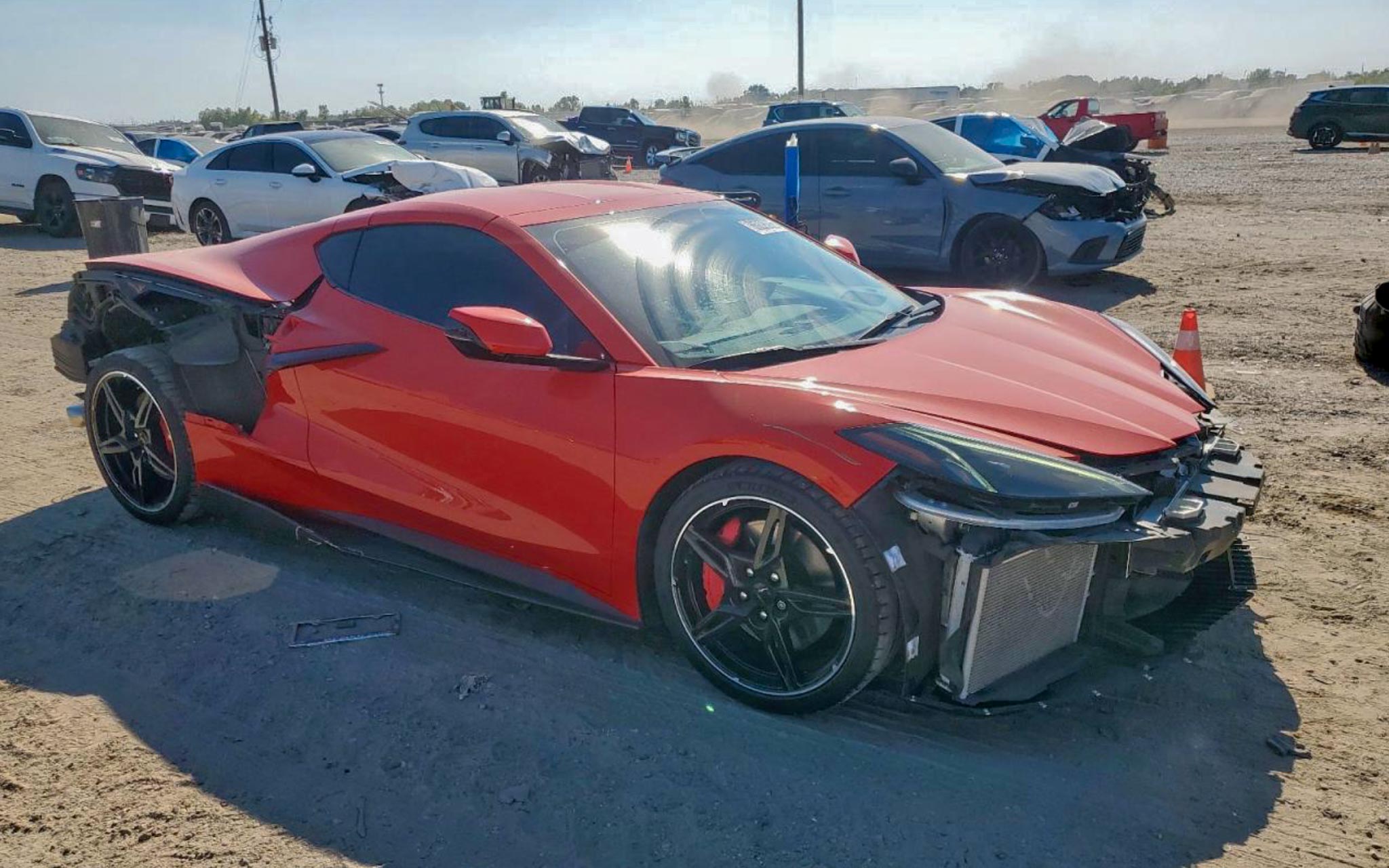
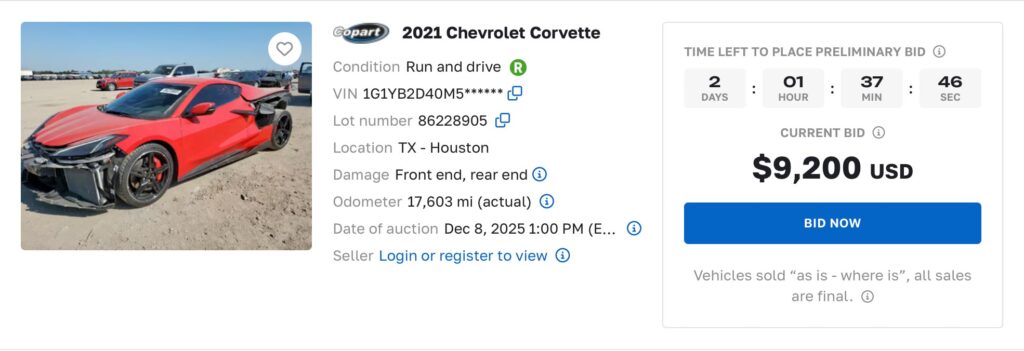
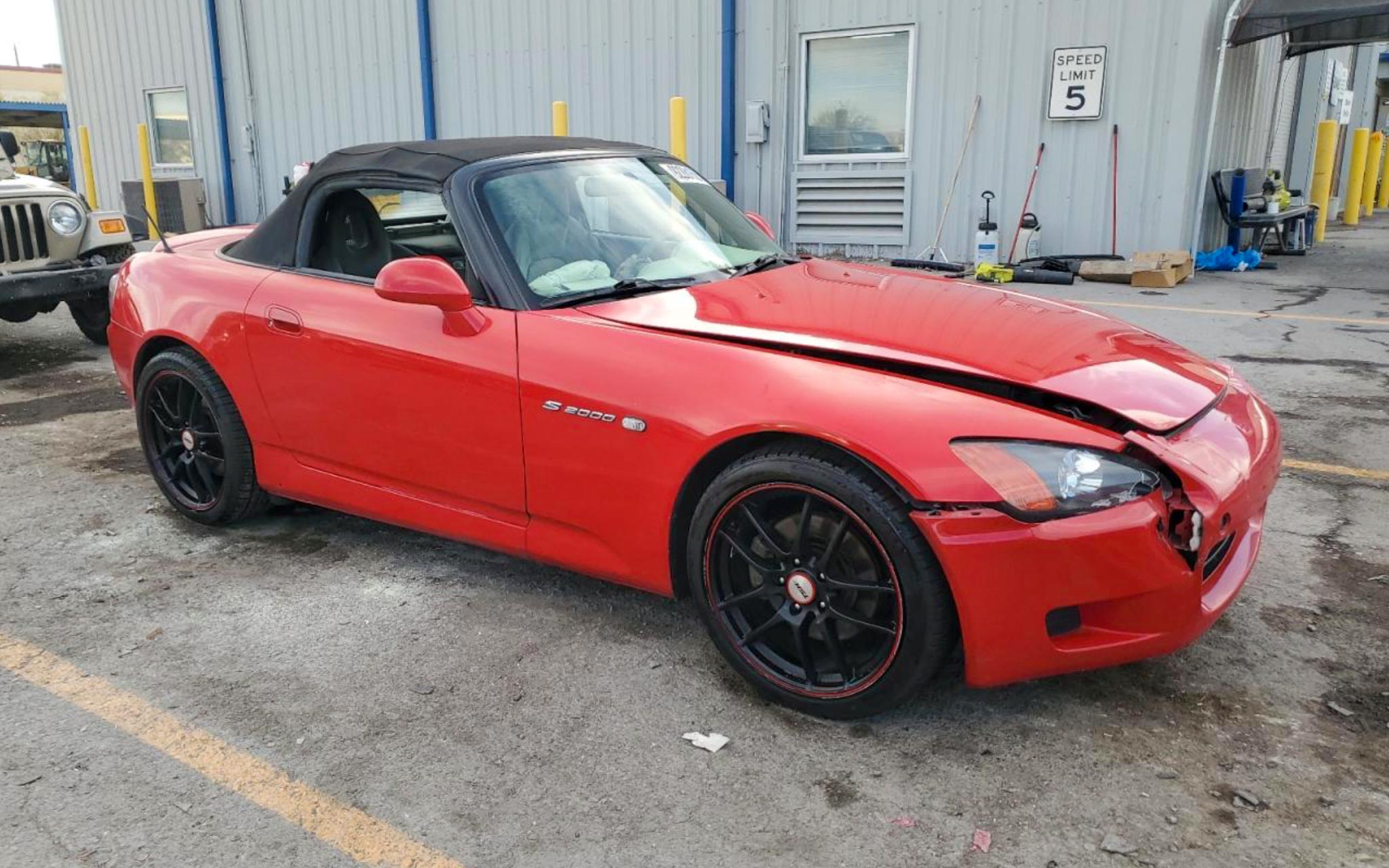
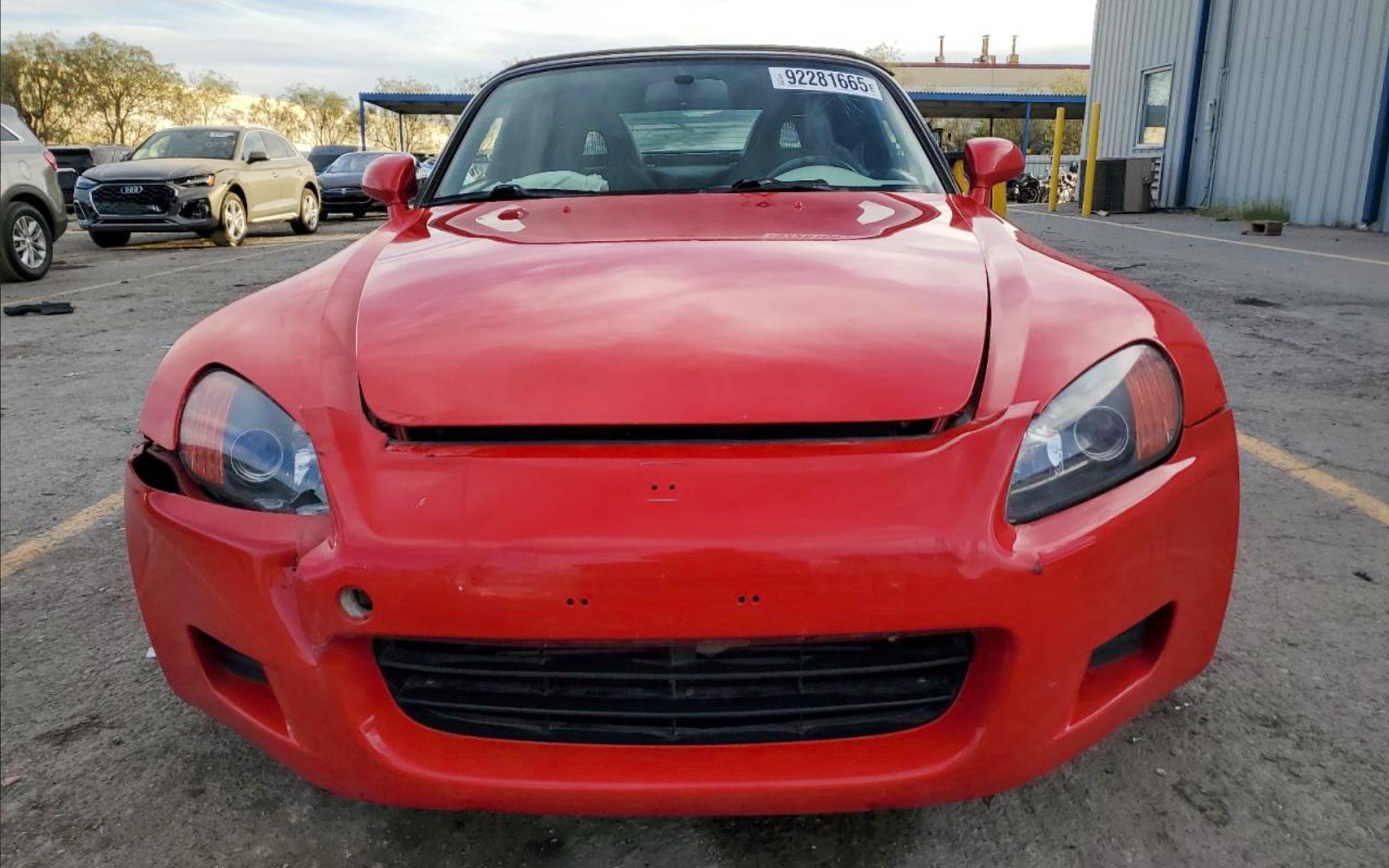
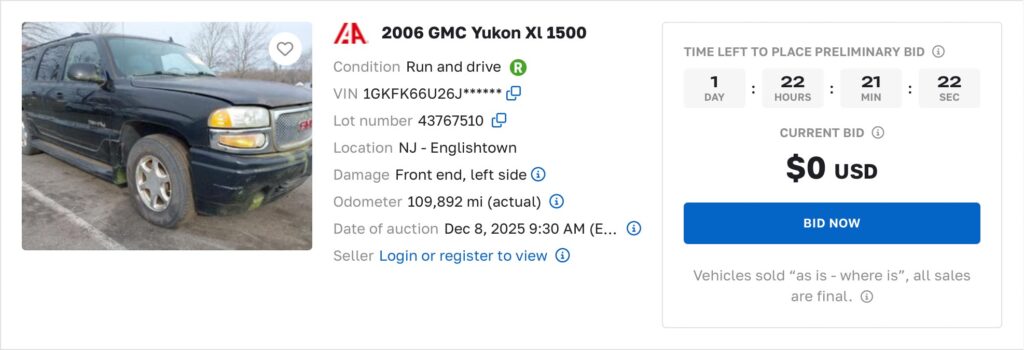
A salvage title car is a vehicle that has been declared a total loss by an insurance company, but still has potential to be repaired. The damage usually comes from a major accident, flood, fire, theft recovery, or severe vandalism. The key point is that the cost of repair plus the vehicle’s salvage value is higher than its pre-damage market value, so the insurer “totals” it.
In most states, once a car is considered a total loss, the original clean title is surrendered and replaced with a branded title that clearly shows its status. That brand is usually “salvage.” The car may still run and move, or it may need towing, but it officially leaves the normal retail market and enters the salvage category. From that point on, the car’s history will always reflect that event.
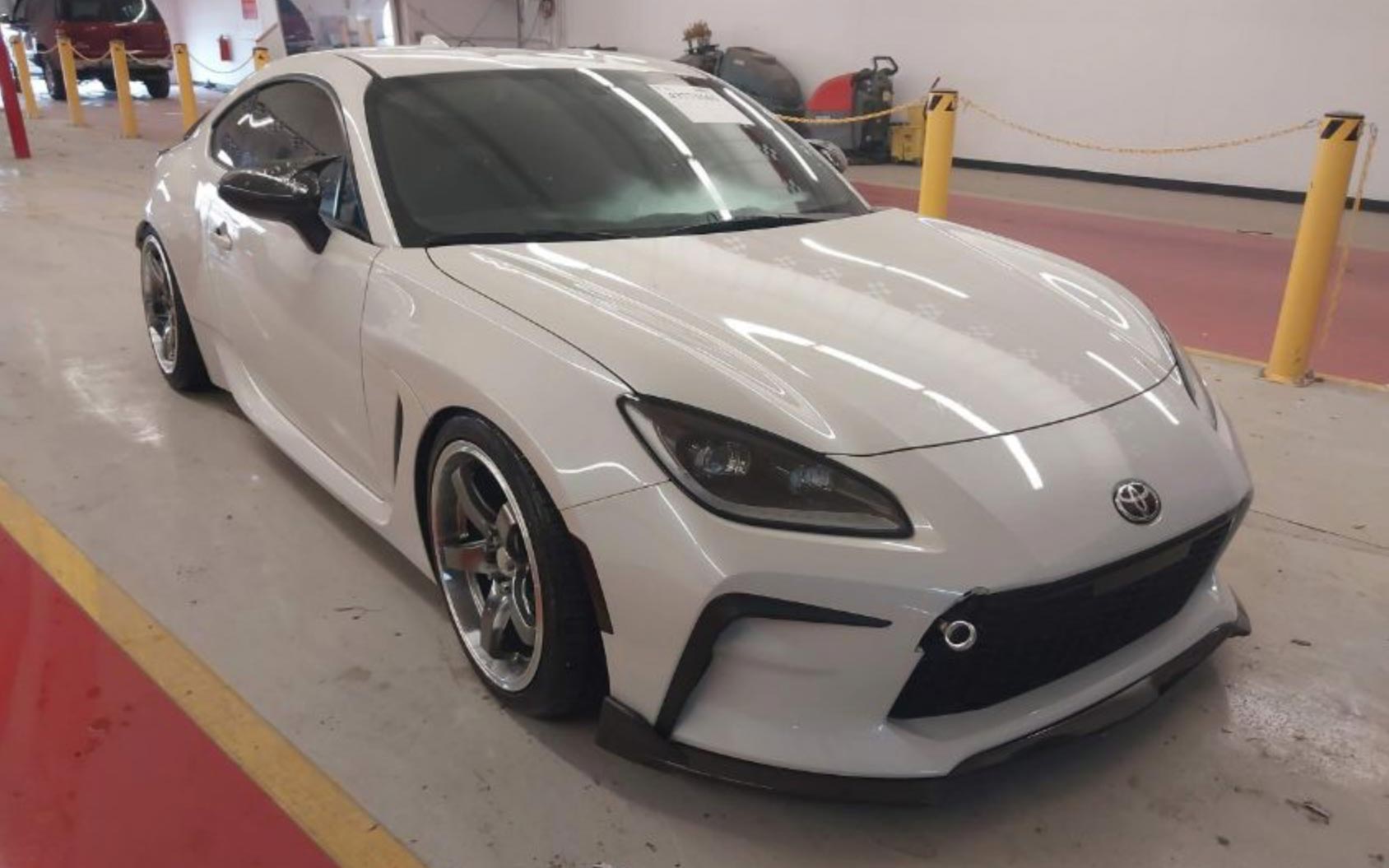
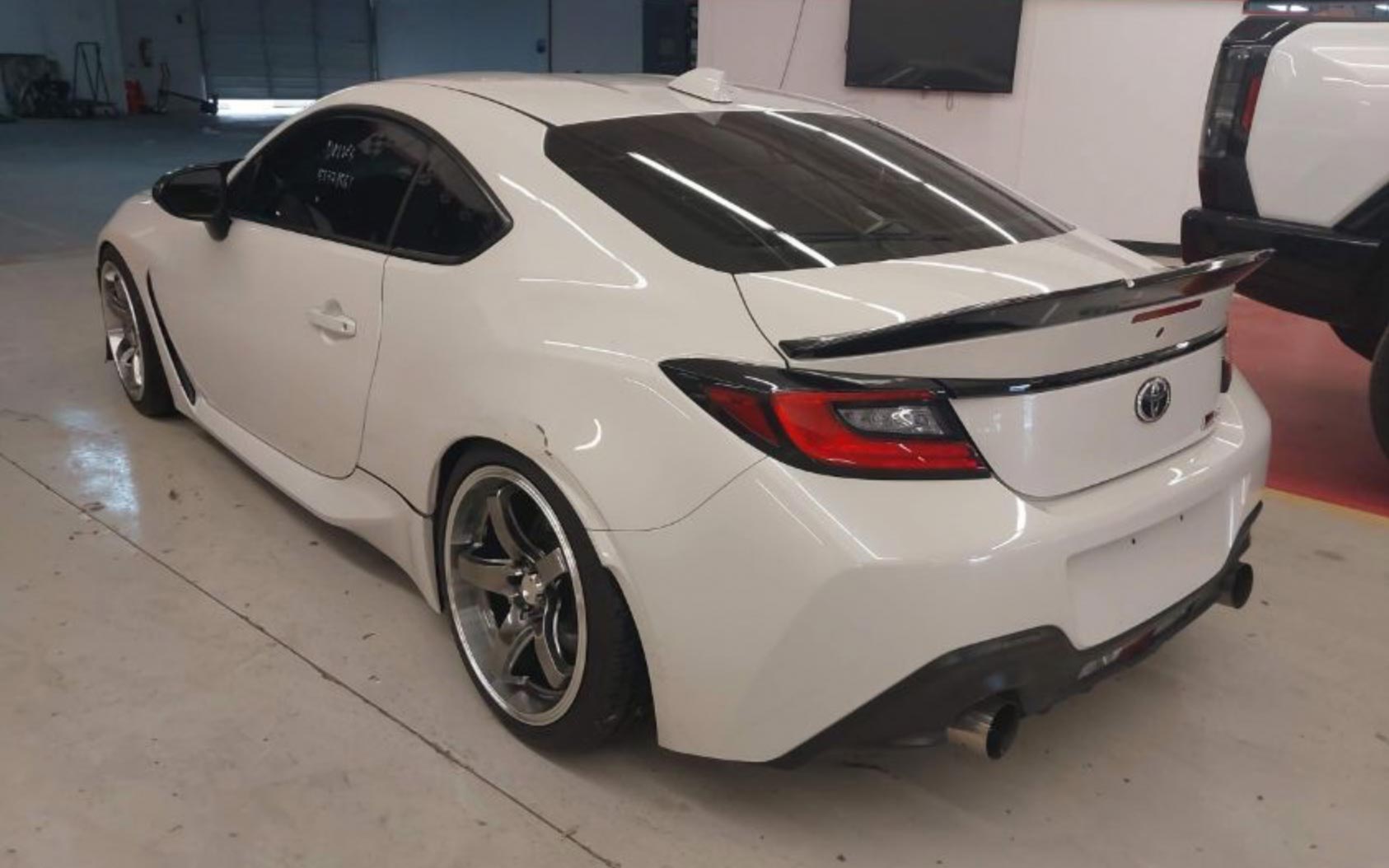
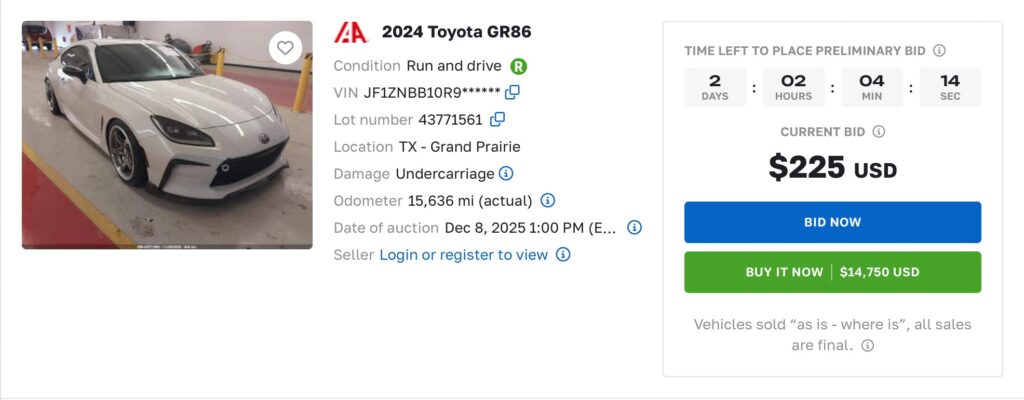
A salvage title does not automatically mean the vehicle is unsafe or unrepairable. Instead, it means the repair is not financially worthwhile for the insurer at typical body shop rates. A skilled rebuilder, independent mechanic, or hands-on buyer who can source cheap parts may bring the car back to life. However, the salvage title will permanently reduce resale value and can complicate insurance and financing.
What Is a Junk Title Car?
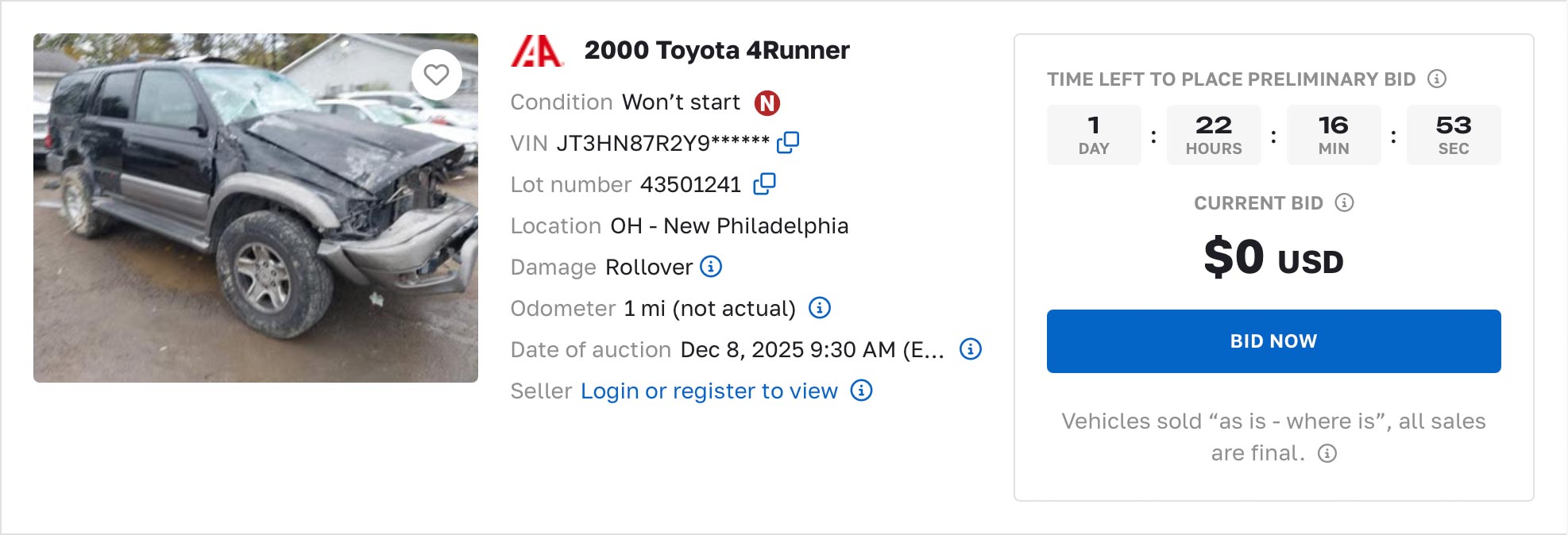
A junk title car – sometimes called a “non-repairable”, “certificate of destruction”, or “parts only” vehicle – has reached the end of its life as a road car. This designation usually means the damage is so severe or the condition is so poor that the vehicle cannot legally be rebuilt for road use. In many states, once a car is issued a junk or non-repairable title, it can never be titled for regular road driving again.
Junk vehicles often come from extreme crashes, long-term neglect, severe corrosion, or catastrophic fire and flood events. In these situations, the structural integrity, electronics, and key safety-systems are too compromised. Even if someone could physically repair the car, the law treats it as permanently unfit for normal registration.
The primary value of a junk title car lies in its parts and scrap metal. Engines, transmissions, body panels, interior pieces, wheels, and catalytic converters can be pulled and resold. The remaining shell eventually goes to the crusher. For parts resellers, mechanics, or hobbyists who need specific components, a junk vehicle can be a smart purchase. For someone who wants a legal daily driver, it is not a practical choice.
Key Legal and Practical Differences…
From the outside, a heavily damaged salvage car and a junk car can look similar. Legally and practically, they sit in very different categories. The title brand controls what you can do with the vehicle and how far you can go with repairs and registration.
The main difference is that a salvage title car usually has a path back to the road. After repairs and inspections, it can often be re-titled as “rebuilt” or “reconstructed,” depending on the state. That process typically involves receipts for parts, proof of ownership, and a special inspection that focuses on safety and stolen parts checks. Once approved, the car can be registered and insured, although some insurers may only offer liability coverage.
A junk title car has no such path in many jurisdictions. The law treats it as permanently removed from the road. You may need to sign paperwork confirming that you will use the vehicle only for parts or scrap. Some states do not even allow the vehicle to be sold whole to the general public, only to licensed dismantlers or recyclers. The goal is to keep unsafe or heavily compromised shells from reappearing as “rebuilt” cars.
Insurance, Registration, and Financing Considerations…
Insurance and registration rules create some of the biggest practical differences between junk and salvage title cars. For a salvage vehicle, you often cannot register or insure it for regular road use until it is repaired and passes a state inspection. Before that point, you may only be able to insure it for storage or transport as a non-roadworthy vehicle.
Once a salvage car becomes a rebuilt title car, you can register it like any other vehicle, although the process may require extra paperwork. Insurance companies often treat rebuilt cars as higher risk. Some carriers refuse to provide comprehensive or collision coverage, while others charge higher premiums or offer reduced payouts in the event of another claim.
Financing can be another challenge. Most traditional lenders avoid salvage and rebuilt title vehicles because of valuation and risk issues. Buyers who plan to purchase a salvage car should be prepared to pay cash or explore specialized financing options with higher rates.
Junk title cars sit almost entirely outside standard insurance and financing. Because they cannot be legally returned to the road in many states, there is no reason for typical auto coverage. Transport and storage insurance may still be relevant for businesses that handle large volumes of junk vehicles, but personal auto policies will not apply. Banks and credit unions rarely finance junk vehicles since they cannot serve as usable collateral.

How to Evaluate a Salvage Car Safely…
If you are considering a salvage car as a daily driver, careful evaluation matters more than the low price.
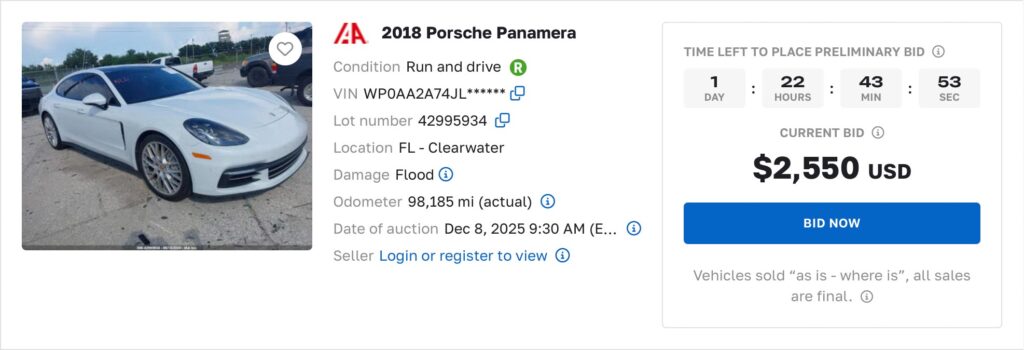
Start with the vehicle history report. Look for the type of damage that triggered the total loss. Collision damage that has been properly repaired can be acceptable. Severe flood damage is much riskier, since water can quietly ruin electronics, wiring, sensors, and safety systems. The history should also show how long the car has been in salvage status and in which states.
Next, arrange a professional inspection by a trusted mechanic or body shop that regularly works with rebuilt cars. Ask them to check for frame straightness, airbag function, rust, paint quality, alignment, and hidden structural repairs. Repaired welds, mismatched panels, and uneven tire wear can signal deeper issues. A visual inspection by an untrained eye will not catch everything.
When a Junk Title Car Makes Sense…
Even though junk title vehicles cannot usually return to the road, they still play an important role in the automotive ecosystem. For the right buyer, they can be a valuable resource instead of a burden.
A junk car can be ideal if you own the same model and need major parts at a lower cost. For example, buying a junk vehicle with a good engine and transmission can be cheaper than sourcing those components separately. If you have space, tools, and mechanical skills, you can harvest what you need and scrap the rest.
Businesses that run repair shops or specialized rebuild operations often buy junk vehicles in bulk. They treat them as rolling inventories. Doors, fenders, seats, dashboards, wiring harnesses, and mechanical components come off and go onto customer cars. This approach keeps repair costs down and makes it easier to fix older models that no longer have strong aftermarket support.