
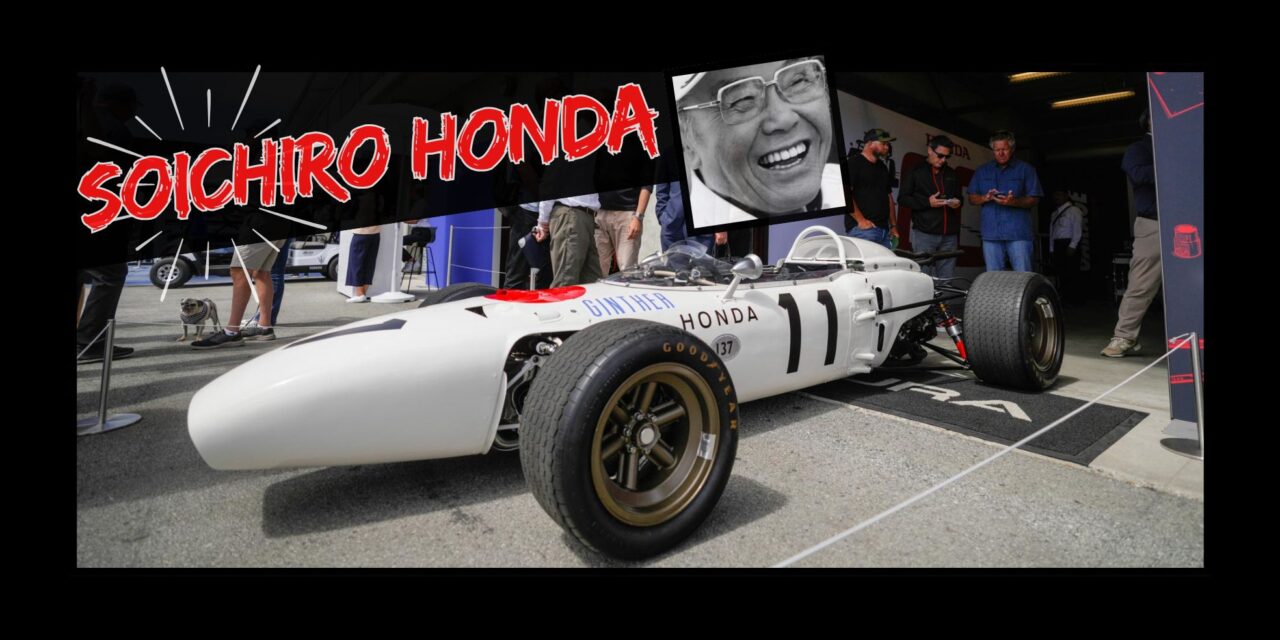

Soichiro Honda wasn’t your typical automotive executive. He didn’t sit behind a mahogany desk puffing cigars or calculating share prices. And he wasn’t the sort to polish a mission statement until it was bland enough to hang on a lobby wall. Instead, Soichiro Honda was the kind of man who’d roll into a board meeting in oil-stained shop clothes, laugh so loud it rattled the glass, and then tell half the room they were idiots. And the thing is – he was usually right.
Born in 1906, Soichiro Honda was the son of a blacksmith and a weaver…
He grew up in Hamamatsu with grease under his fingernails & curiosity in his veins. His earliest fascinations weren’t with toys or games… but with the tools in his father’s workshop. He was a natural thrill seeker, and loved tinkering & building. When an airplane flew overhead, other kids dreamed of being pilots. Soichiro Honda did that too, but he ALSO dreamed of pulling the thing apart to see how it worked.
Soichiro wasn’t the school type…
It never really clicked for him. He failed engineering exams multiple times & never got a degree. But – it put a chip on his shoulder that sharpened him. Japan in the early 20th century was obsessed with credentials and hierarchy. But Soichiro Honda believed in something far more dangerous: Results. He would become living proof that genius doesn’t always come in a neat diploma frame.
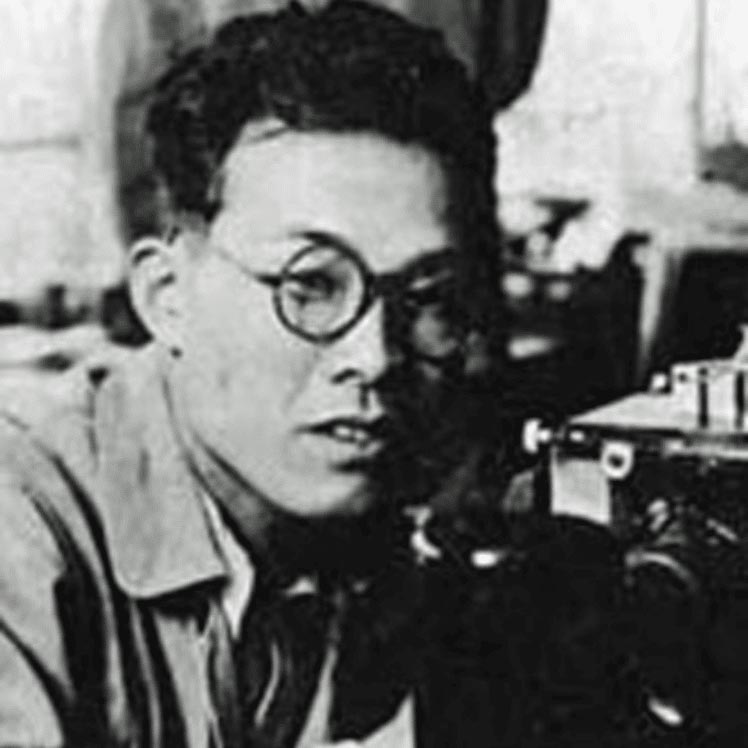
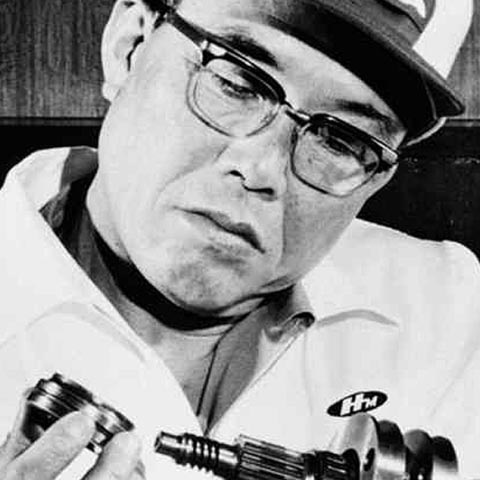

Soichiro Honda had a strange knack for failing forward…
His first serious business venture was piston rings. He poured his savings into it, worked himself ragged, and presented the first batch to Toyota. They rejected him outright. The metallurgy was wrong, and the tolerances were sloppy. For most people, that would’ve been highly discouraging. But Honda doubled down. He went back & restudied metallurgy until it consumed him. And he tried again – and again – until Toyota finally bought them.
And that was the pattern for his entire life: Fall flat, get back up, & dare the world to laugh again…
Soichiro’s piston-ring factory was bombed during World War II. Then when he rebuilt it… an earthquake flattened it. But Soichiro didn’t crumble along with the building. Instead – he bolted surplus generator engines onto bicycles and kept moving forward. And out of the ruins of war… came Honda Motor Company.
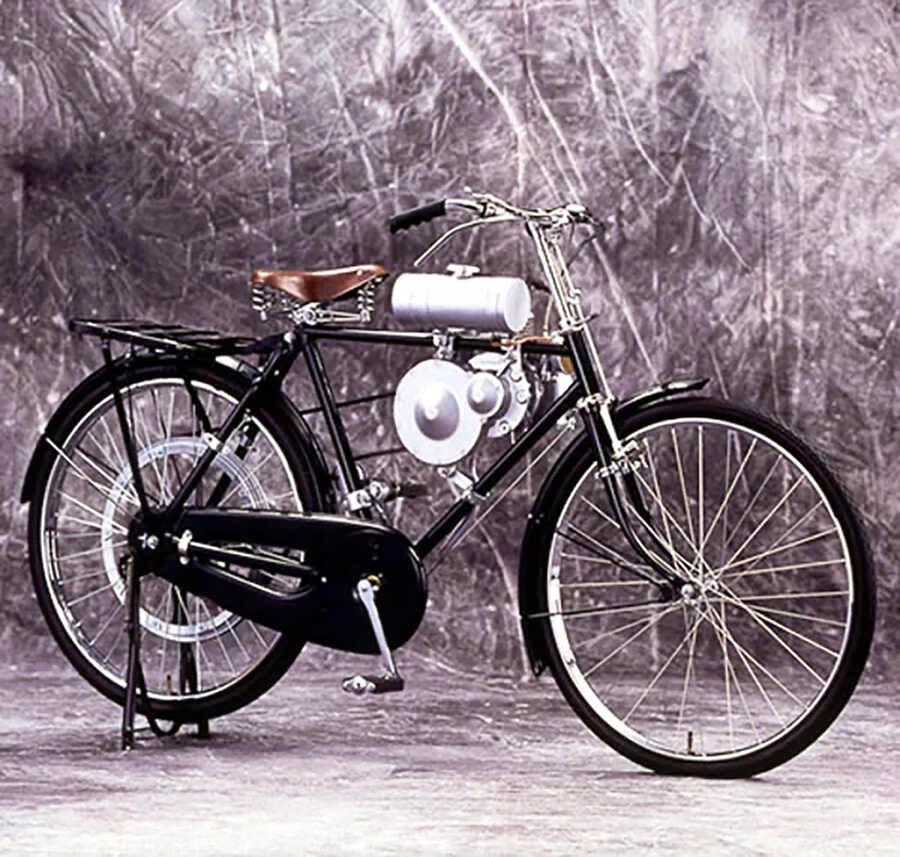
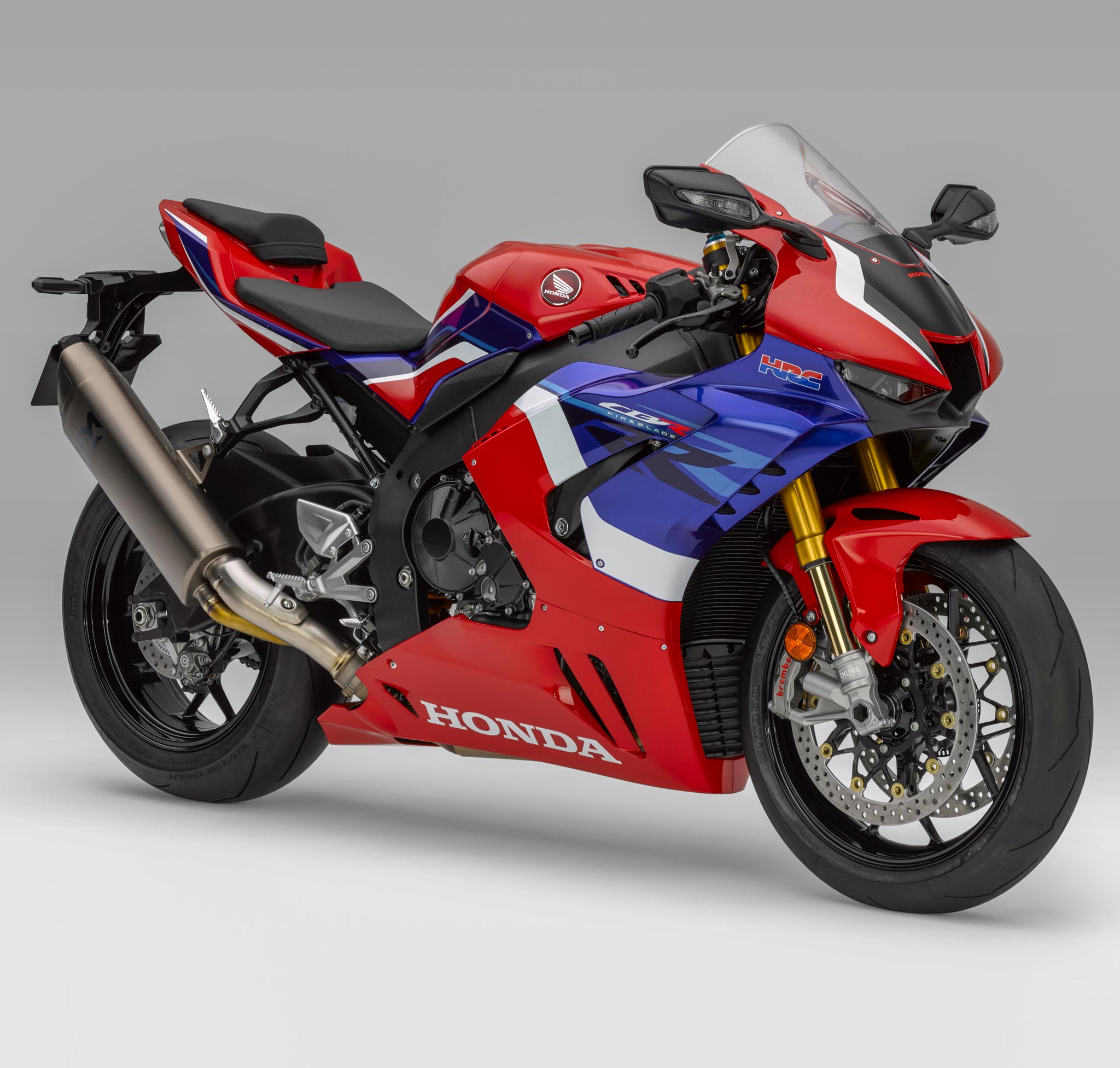

By the 1950s, Honda wasn’t just building motorcycles… they were redefining them.
While Harley-Davidson & Triumph leaned on big, intimidating machines for tough guys, Honda went small & approachable. The 50cc Super Cub wasn’t a monster. Rather, it was simple, reliable, & approachable.
Then came a marketing stroke of genius:
“You meet the nicest people on a Honda.” With that one slogan, motorcycles went from an image of outlaw rebellion, to friendly commuter transport. Moms could ride. College students could ride. Everyone could ride. Soichiro didn’t just build motorcycles – he shifted the entire culture. By the end of the 50s, Honda was the largest motorcycle company in the world.
But Soichiro Honda wasn’t satisfied with being friendly…
He believed that racing was the ultimate form of research & validation. If you wanted to know what your machines were capable of, you had to push them to their absolute limits. And racing was how you did it. If you could win races, you’d silence the naysayers.
So in 1959, Honda entered the Isle of Man TT…
The most dangerous and prestigious motorcycle race on earth. Western & European rivals scoffed; Japan wasn’t known for performance. But by 1961, Honda was sweeping the podium. The victories didn’t just put Honda Motor Company on the map – it put Japan on the map… in the lead.
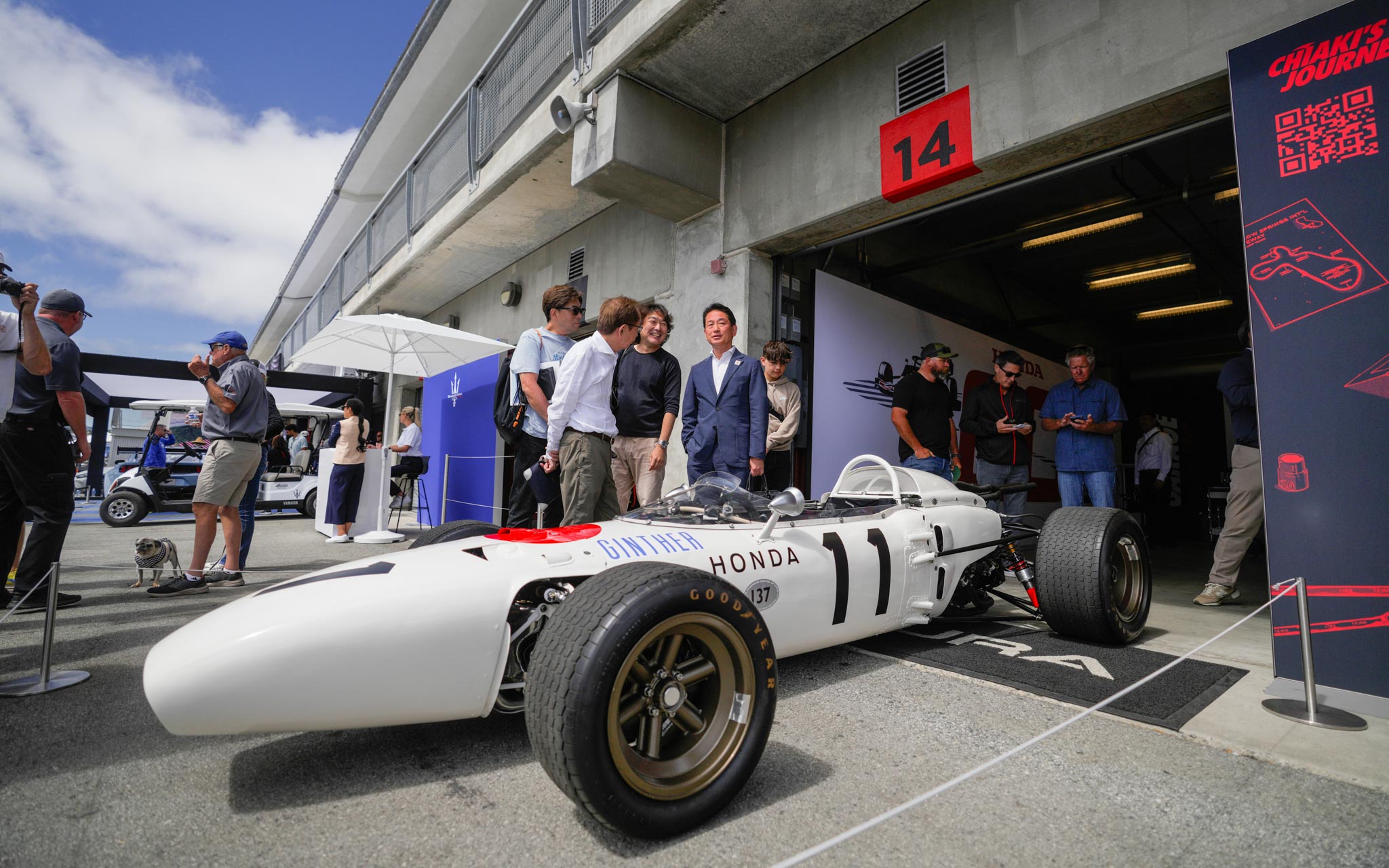
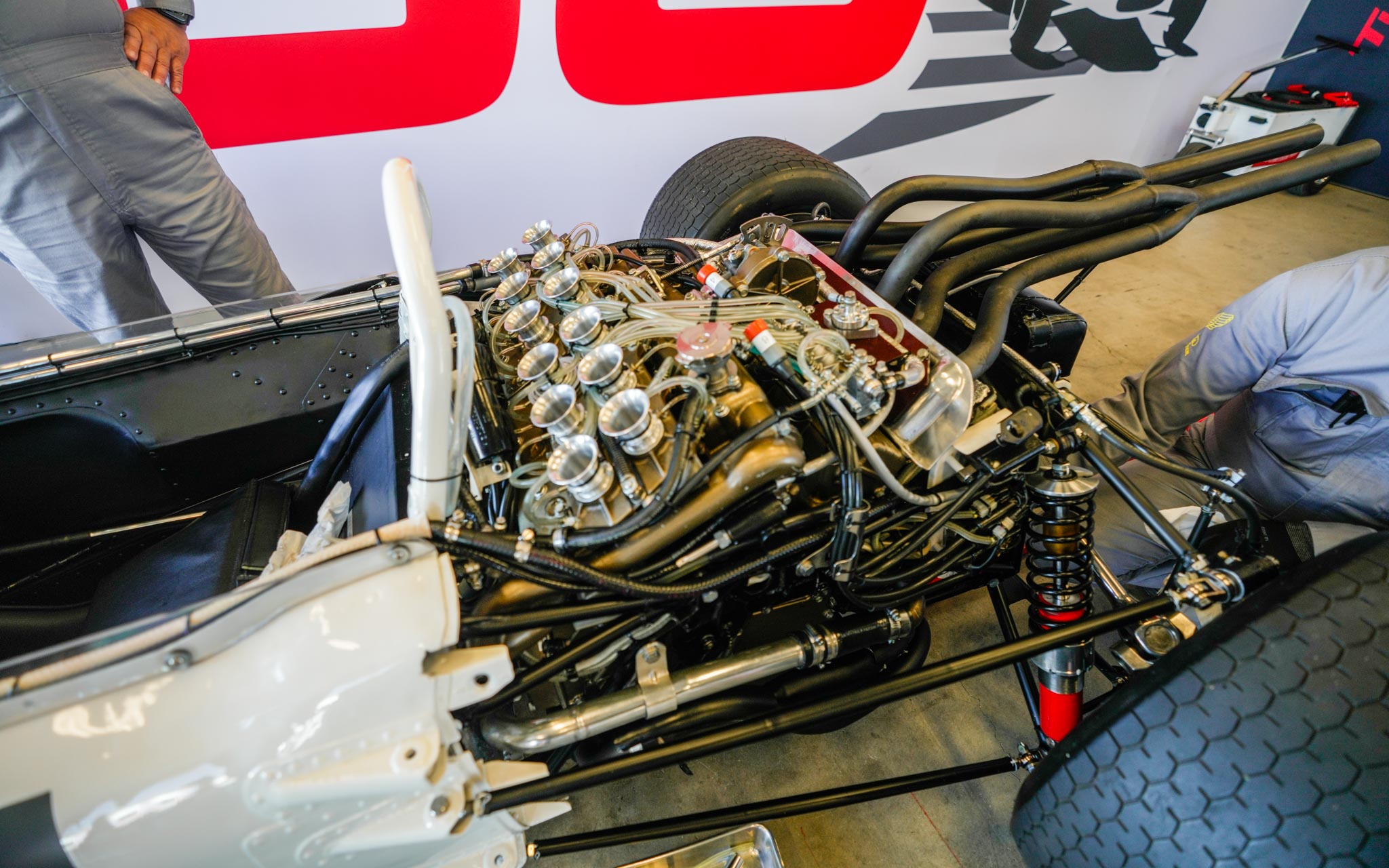
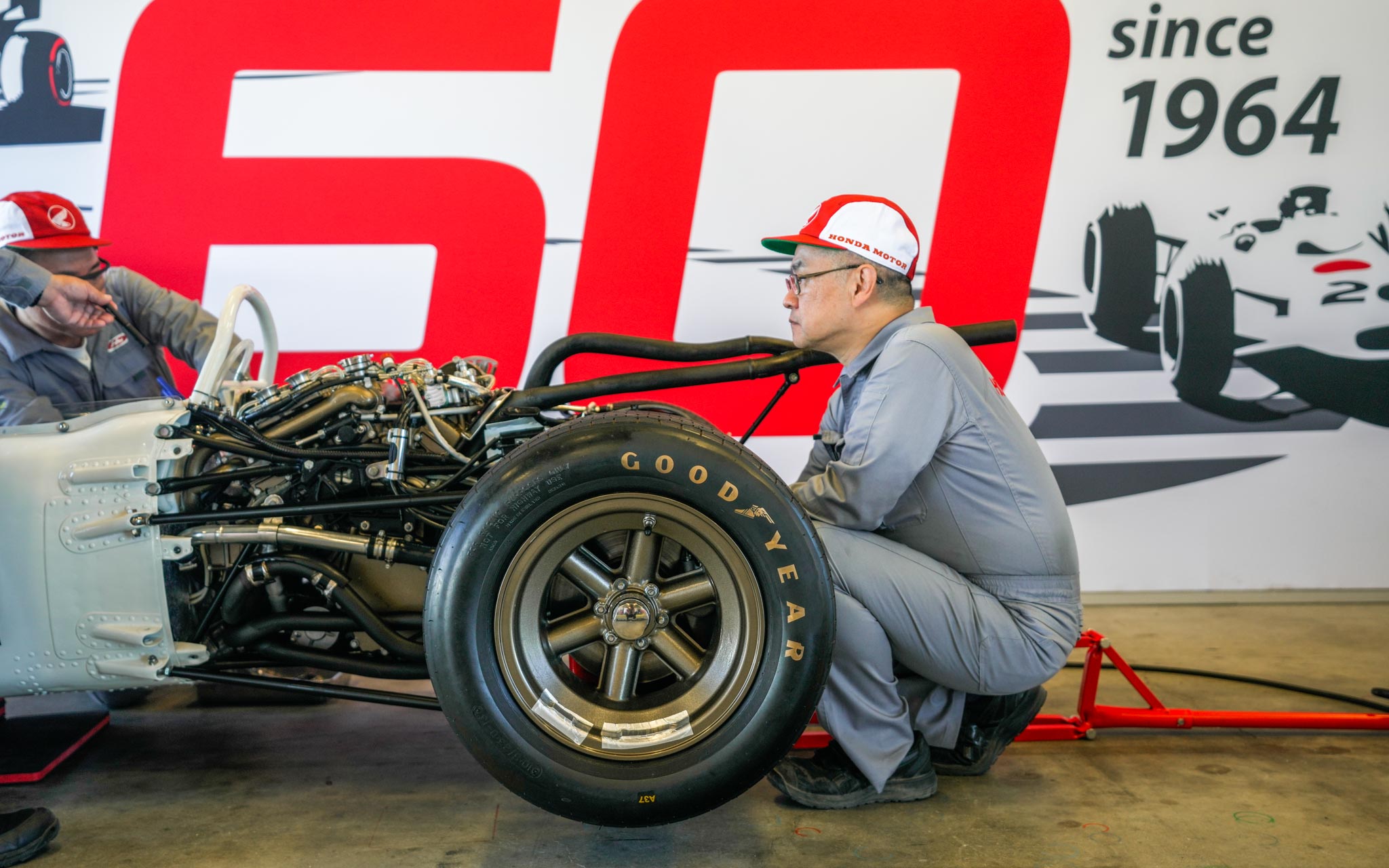
Soichiro Honda’s racing obsession carried over to cars..
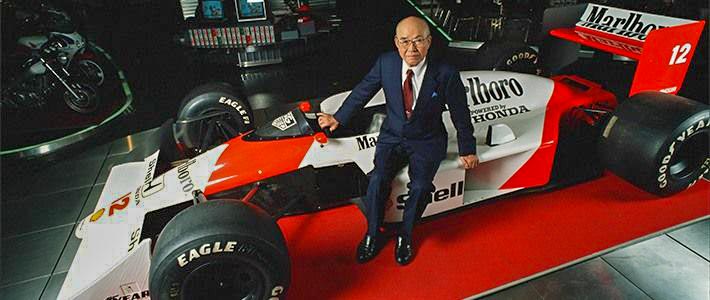
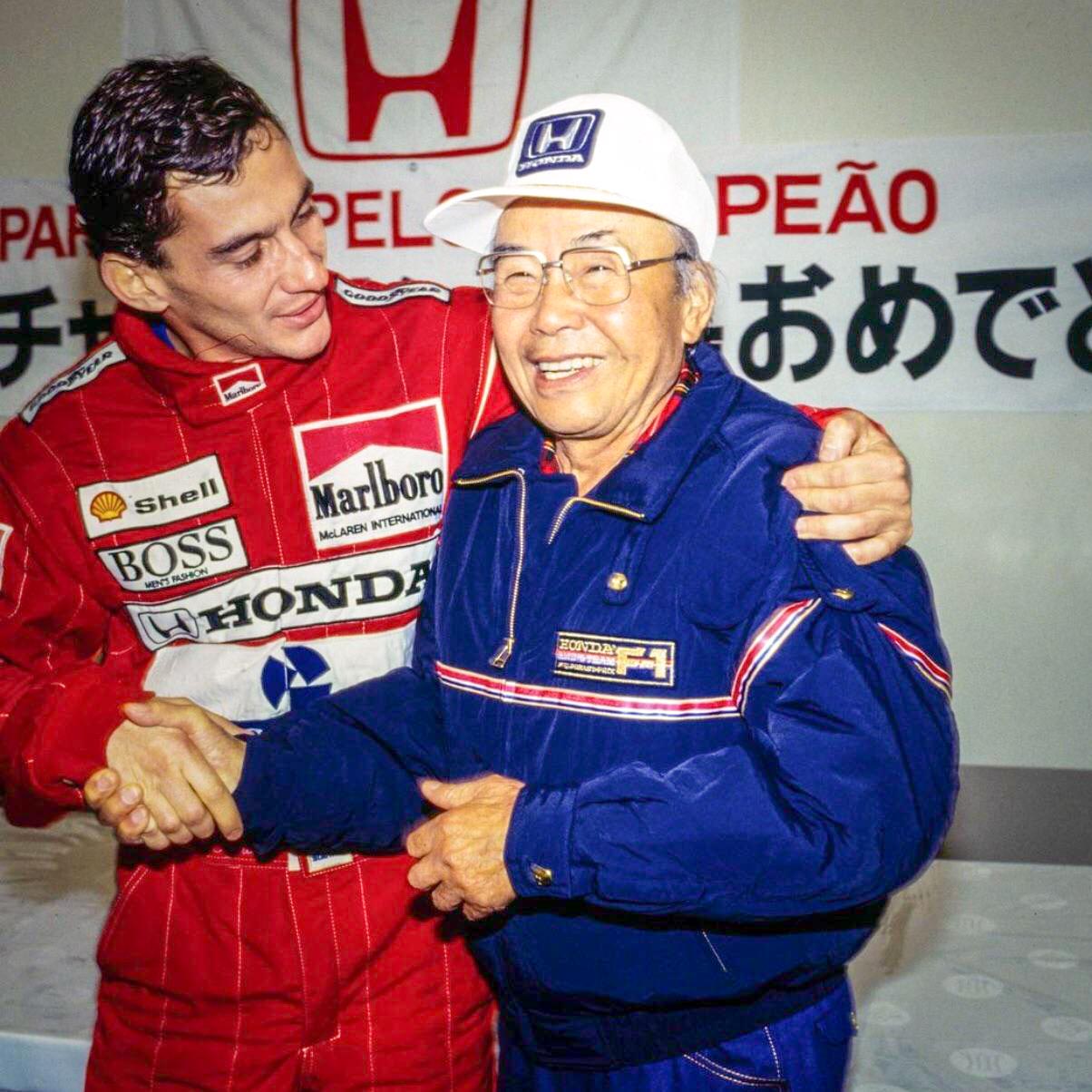
Honda joined Formula One in the 1960s to prove a point. And incredibly, they won a Grand Prix by 1965. By the 1980s and early ’90s, Honda engines had become the dominant force in F1. Ayrton Senna drove a McLaren-Honda to glory, cementing the company as a motorsport powerhouse. Honda’s racing successes authenticated the brand. And that creative/competitive/passionate mindset blazed through the company in the 80s & 90s.
The Honda Civic, and its big Middle Finger to Detroit…
Honda’s cars started small. Quirky little roadsters like the S500. But – it was the Civic that took Honda to the main stage. In the 1970s, when the U.S. government introduced strict emissions standards, Detroit automakers whined that the regulations were impossible. Meanwhile – Honda engineers went & built the CVCC engine, which passed the tests without even needing a catalytic converter. The Civic didn’t just meet the law – it embarrassed the porky American automakers who claimed it couldn’t be done. That kind of stubborn, scrappy, underdog engineering was pure Soichiro. Where others saw problems, he saw opportunities to prove ‘em wrong. The Honda Civic went on to spark an entire generation of import tuners (a new generartion of hot-rodders).
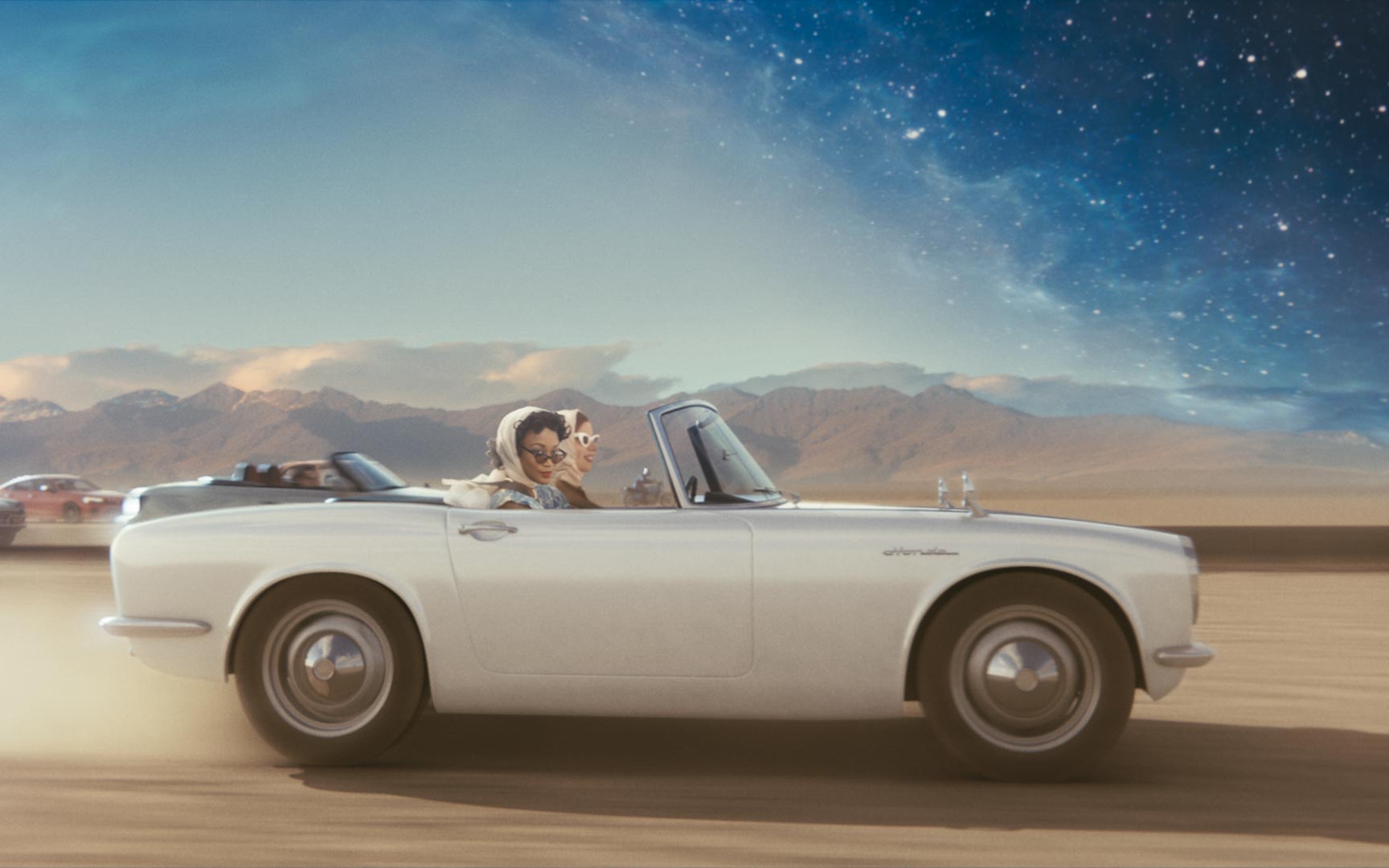

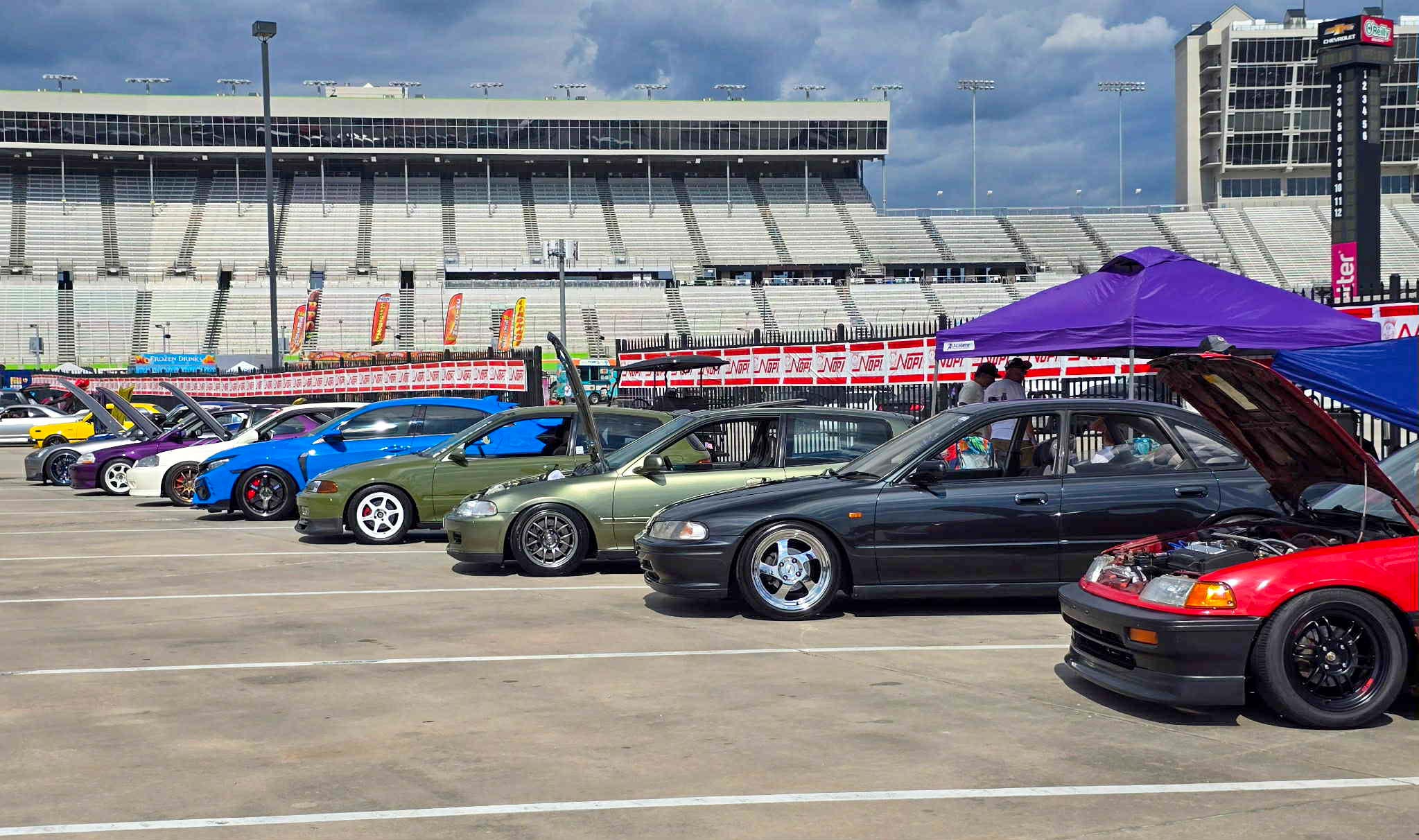
Photo by Jeyson Brooks from NOPI Nationals 2025
But with every real story comes the side most don’t ever talk about: The darker side… the undesirable parts.
Soichiro Honda wasn’t some saintly figure. He was brash, wildly stubborn, and often infuriating. If he thought your idea was stupid, he’d say so – loudly. Engineers sometimes had to sneak good ideas past him. Soichiro had a temper, he drank hard, and he wasn’t shy about mocking people in meetings. Imagine working for someone who’s passion made them analogous to Jekyll & Hyde… you get the idea.
But – even his flaws fueled innovation…
Soichiro despised rigid corporate hierarchies. In a Japan obsessed with deference to seniority, Soichiro demanded that his team argue, debate, and push back. He believed in creativity over conformity. And that philosophy helped Honda break-out of Japan’s conservative corporate culture… and become a global force.
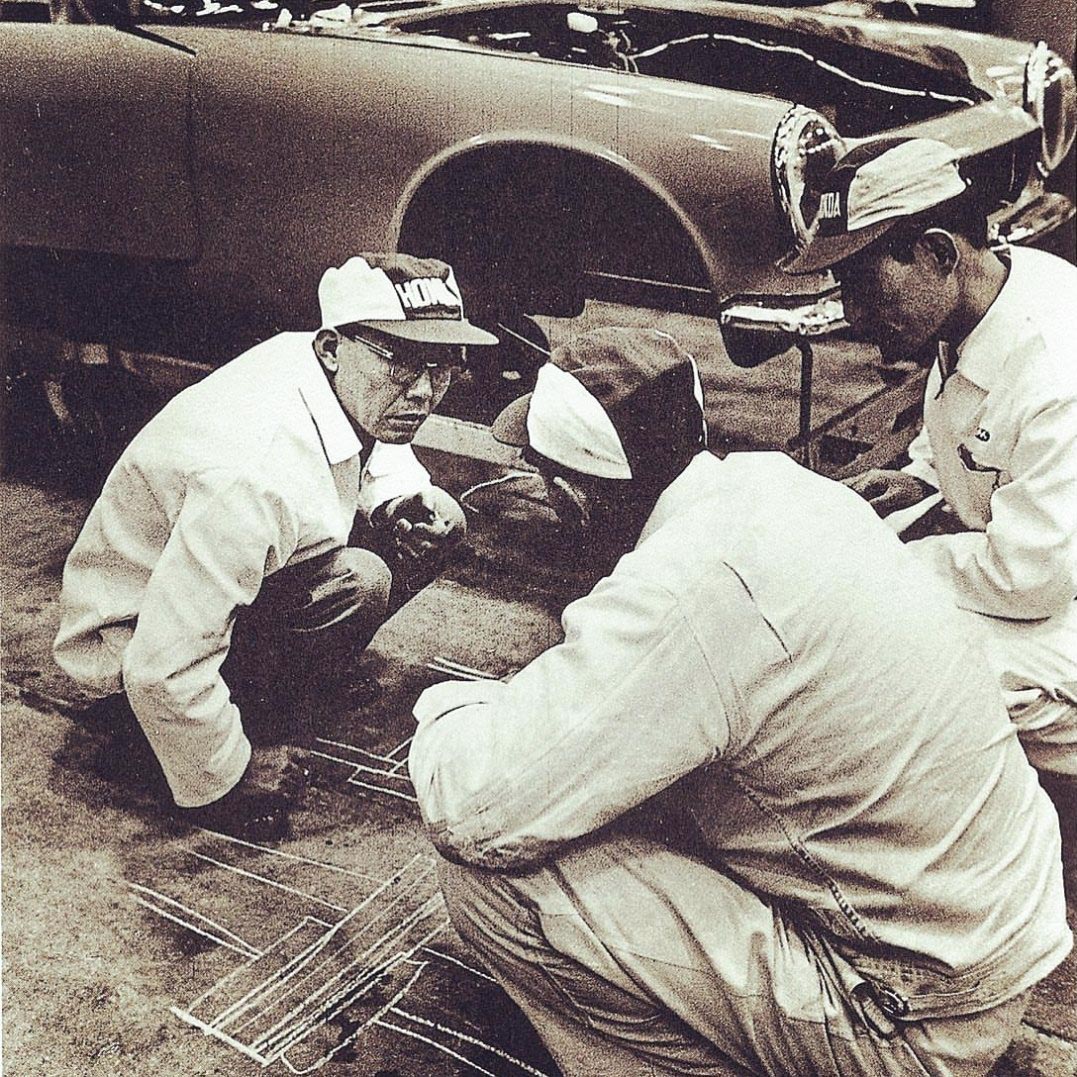
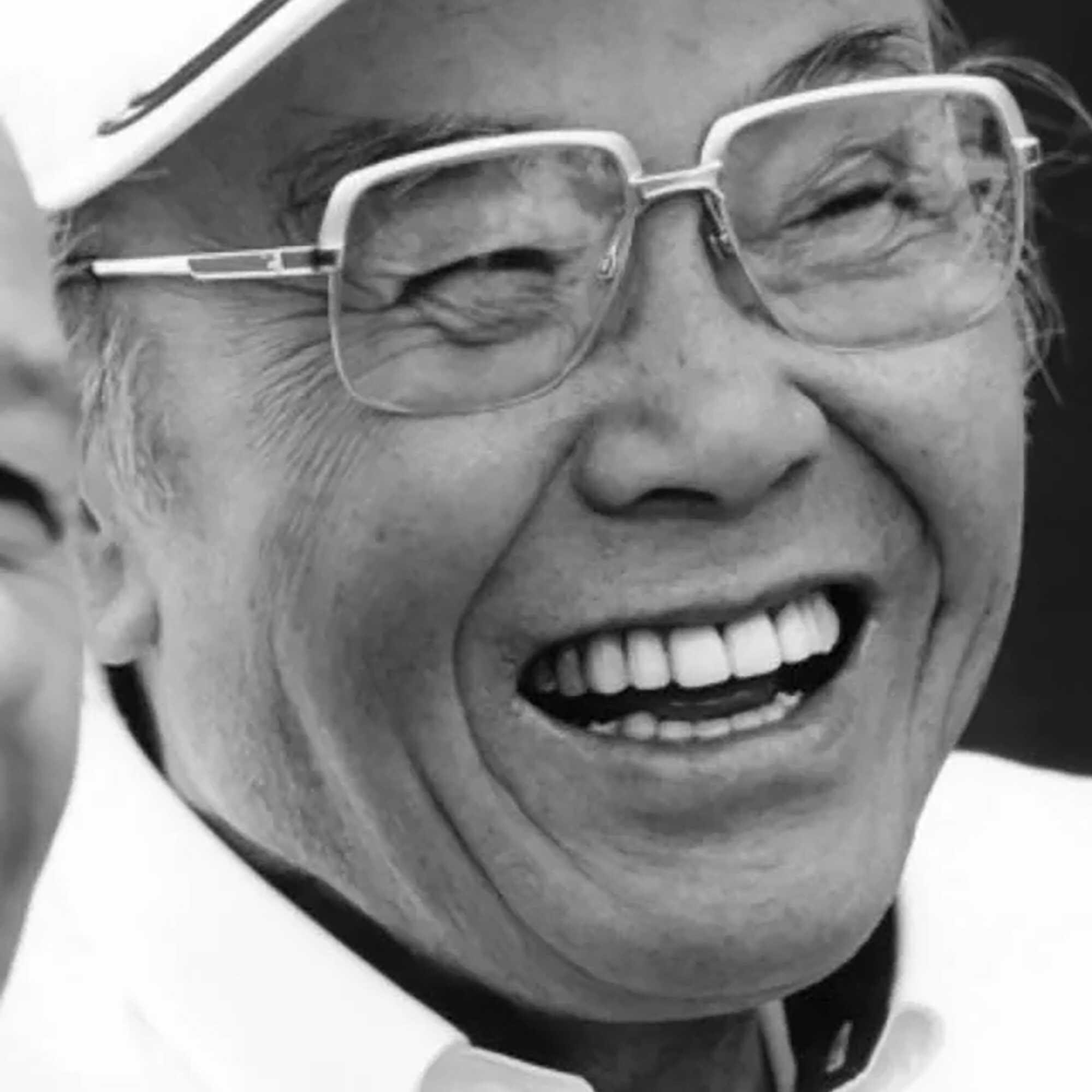

Soichiro Honda retired in 1973…
But stuck around as ‘supreme advisor’ & continued to set the vision, team, and direction that would ultimately create Honda’s golden-era of the late-80s & 90s. Sport bikes, screaming VTEC engines, pure driving connection, competitive pricing, and efficiency without compromise to performance. Cars that (like Soichiro) were more than the sum of their parts.
Think about it…
Golden-era Civics that still refuse to die, and are still gunning-down today’s performance cars. Accords that outlast generations of hand-me-downs. VTEC – the most famous cam-switching party trick in automotive history. The NSX, a Japanese supercar that humbled Ferrari by proving exotic cars didn’t need to be fragile. Even Honda’s stubborn streak – sticking with high-revving naturally-aspirated engines long after the rest of the industry went turbo – that feels like Soichiro’s spirit whispering: Don’t be boring.
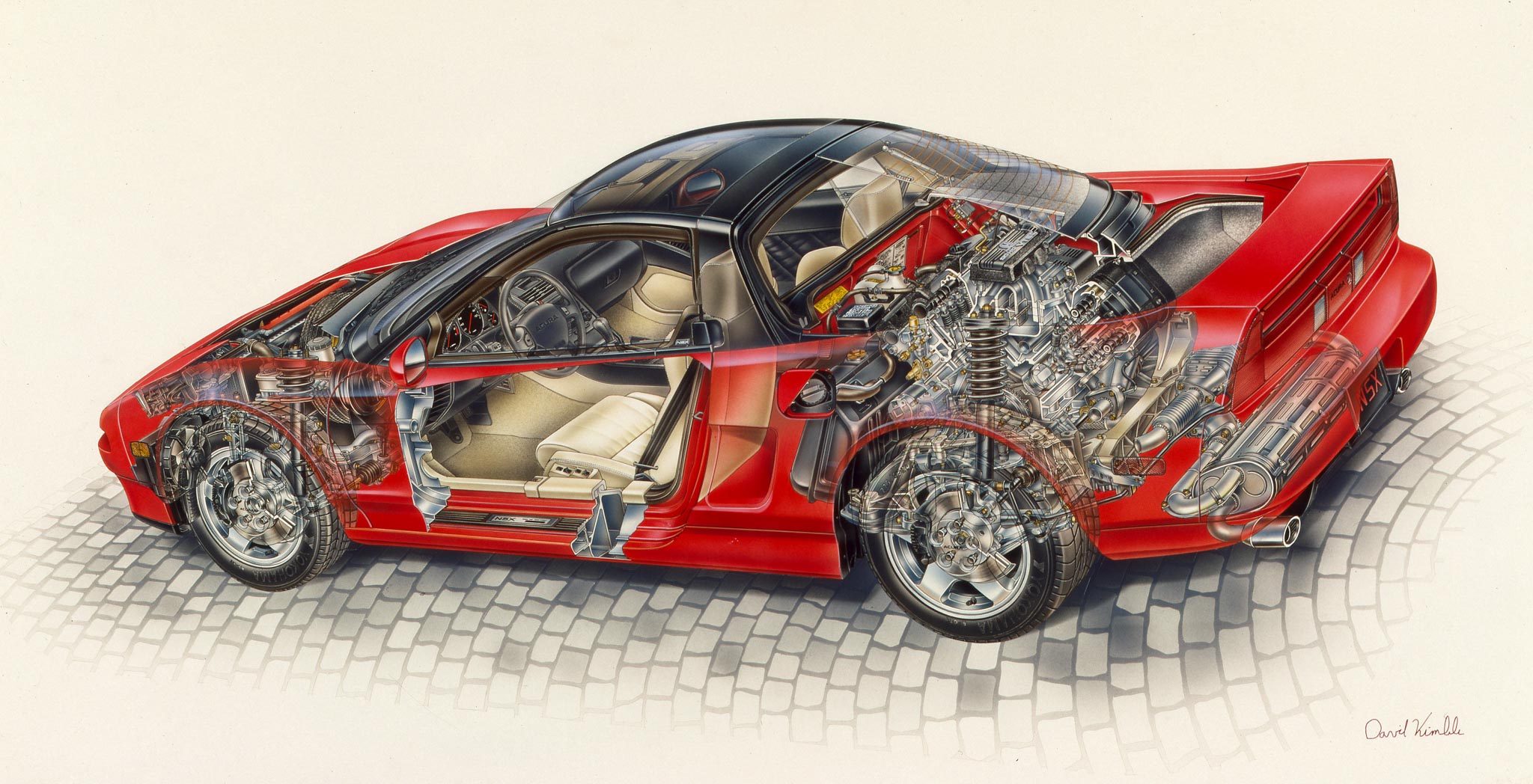
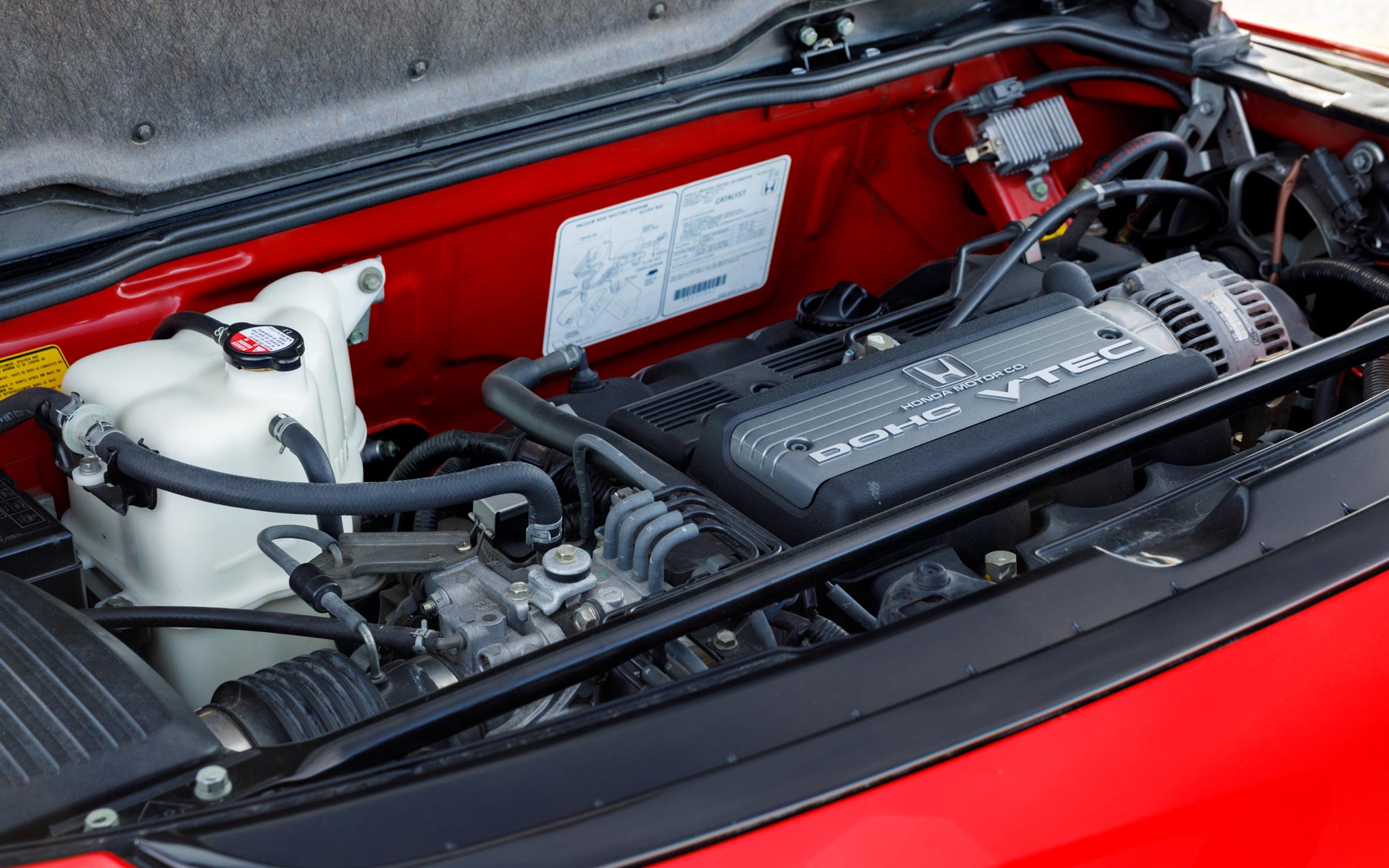
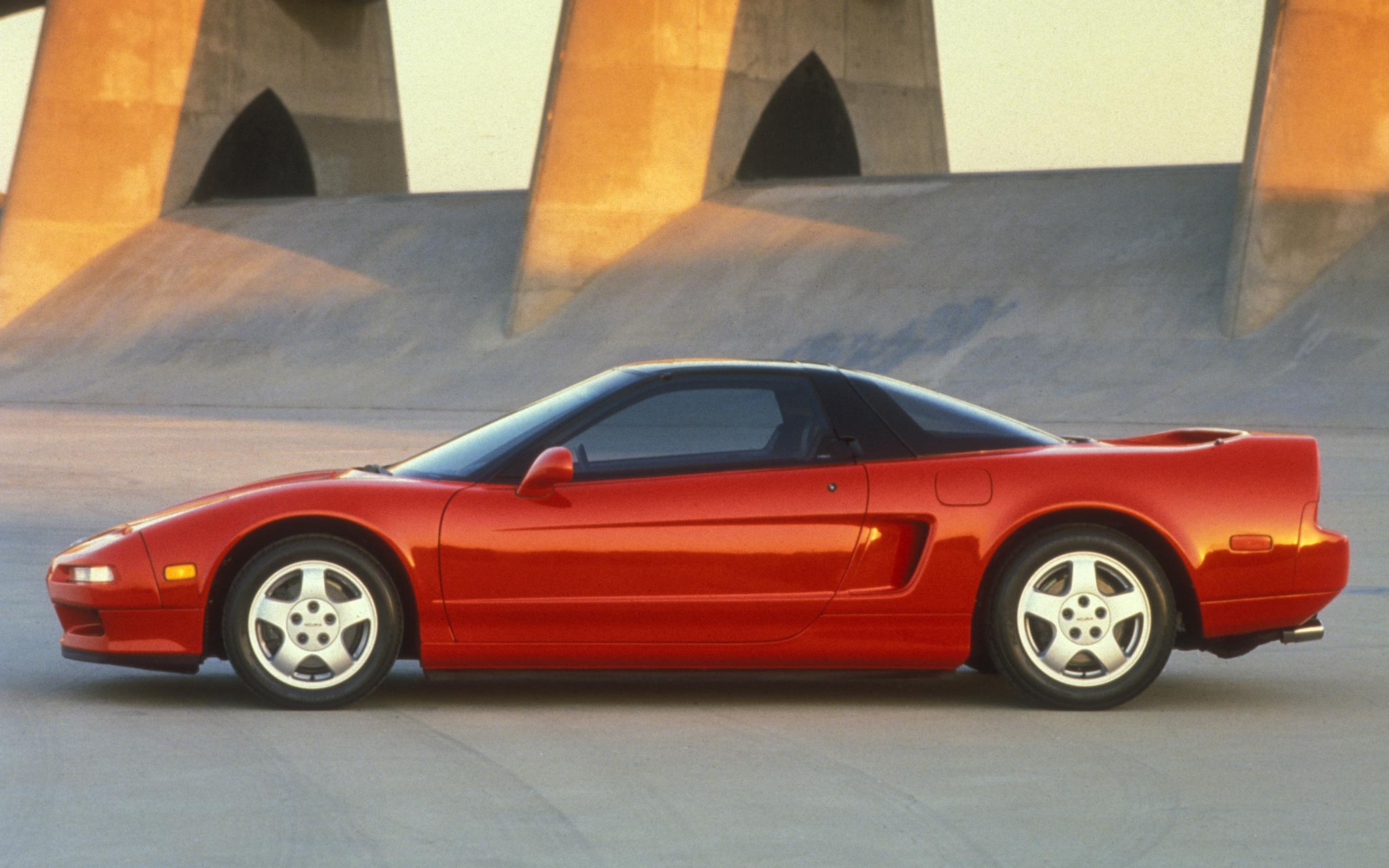
And even though the intensity of Soichiro has become more of a distant memory…
And/or portrait on the wall at modern Honda… MotoGP and IndyCar are still areas where Honda throws punches above its weight. And we still have the Civic Type-R, a practical hatchback possessed by the demon-spirit of a race car. In a way, even the mini Honda Grom has Soichiro’s fingerprints on it. These are echoes of Soichiro’s DNA.
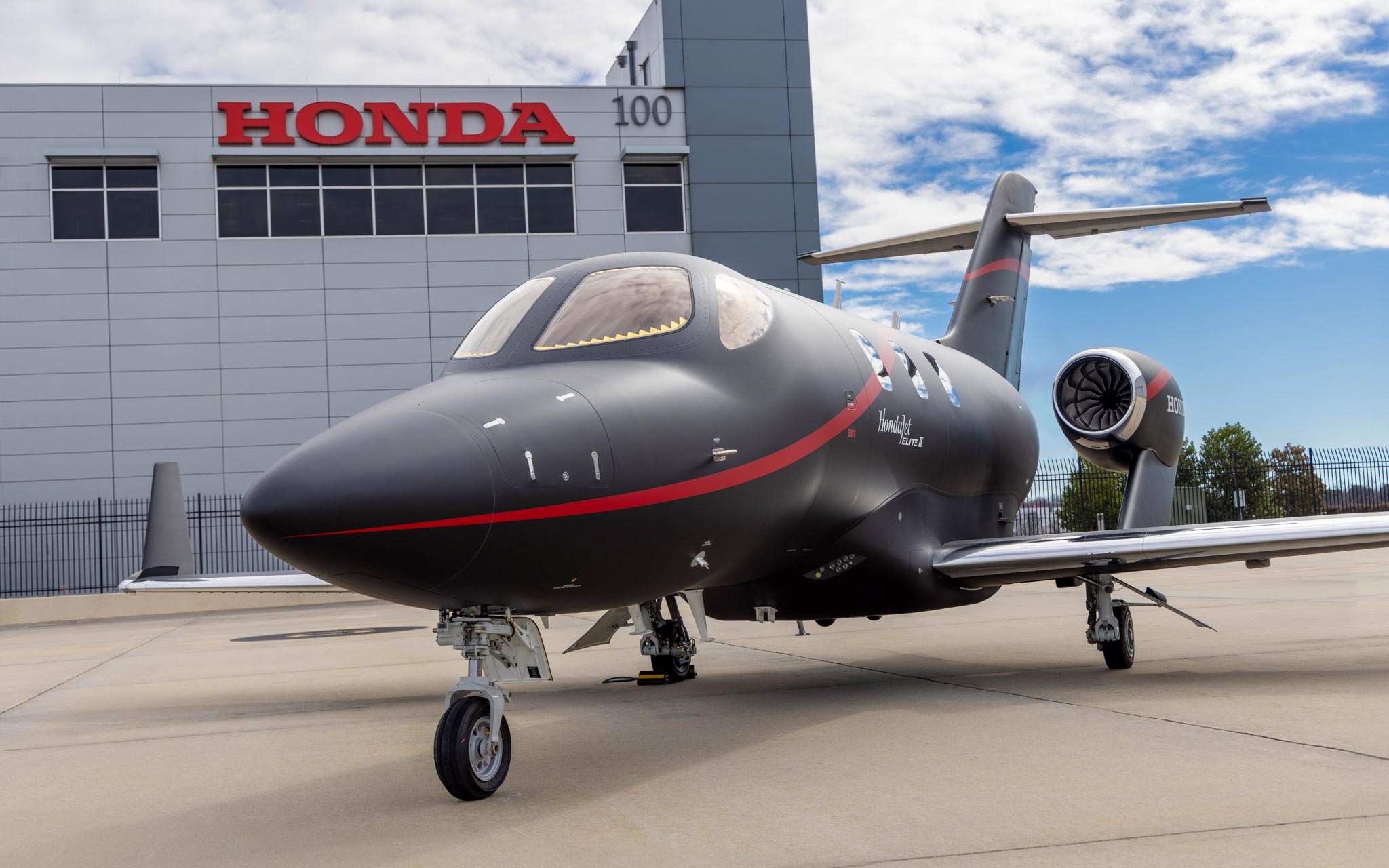
Beyond the engineering, Soichiro Honda was a character…
He loved flying planes, he built furniture… he joked, he laughed, he argued. Soichiro once said the only diploma he was proud of was his elementary school certificate, because it was the only one he actually earned. His life was filled with contradictions – stubborn yet adaptable, & brash yet brilliant. But it was also filled with consistencies – like unfiltered passion & authenticity.
Above all, Soichiro Honda believed in failure…
“Success is 99% failure,” he said. And he meant it. Failure never broke Soichiro. His life was an example of what it means to fall short, dust yourself off, and dare to try it again… until you succeed.
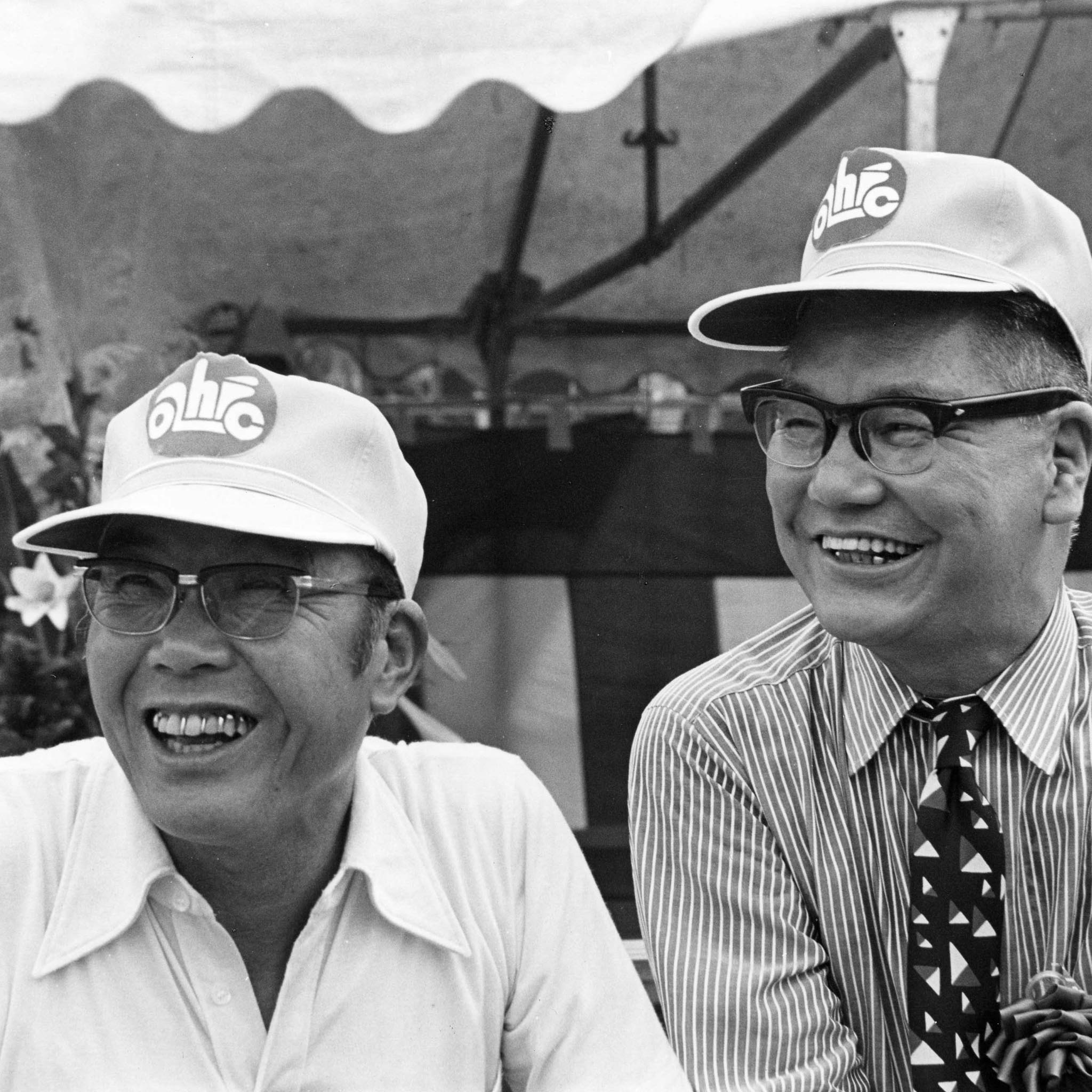

Here’s why Soichiro Honda matters…
Soichiro Honda wasn’t polished. He wasn’t corporate. And he wasn’t easy. But without him, the automotive world would be slower, duller, less accessible, and infinitely more boring. Soichiro Honda died in August of 1991. He lived life at redline, and today’s auto industry just ain’t built like him. But with that said, every time you see a row of golden-era Hondas sitting stout with popped hoods at a car show… or anytime you hear (or feel) VTEC ringing-out through the night air… remember… that’s Soichiro Honda.
Article by David S. Windsor