

There was a time when station wagons were a part of the everyday American backdrop. Before SUVs, crossovers, minivans, and whatever a “coupe-SUV” is supposed to be, station wagons were America’s practical family hauler.
The unsexy Swiss Army Knives of the automotive world…
Station wagons carried kids, dogs, luggage, go-carts, plywood, camping gear, etc. The perfect vehicle for rounding-up the family (and maybe even a friend or two), & heading to Pizza Hut on a Friday night.
If you grew up in the 70s, 80s, or 90s, chances are the station wagon was part of your childhood… whether you liked it or not. The kind with the rear-facing 3rd row, where you waved at the cars behind you… or made unspeakable gestures that got your dad honked at. The ones with fake (maybe peeling) wood paneling… that probably smelled like Sunny D and baseball cleats.
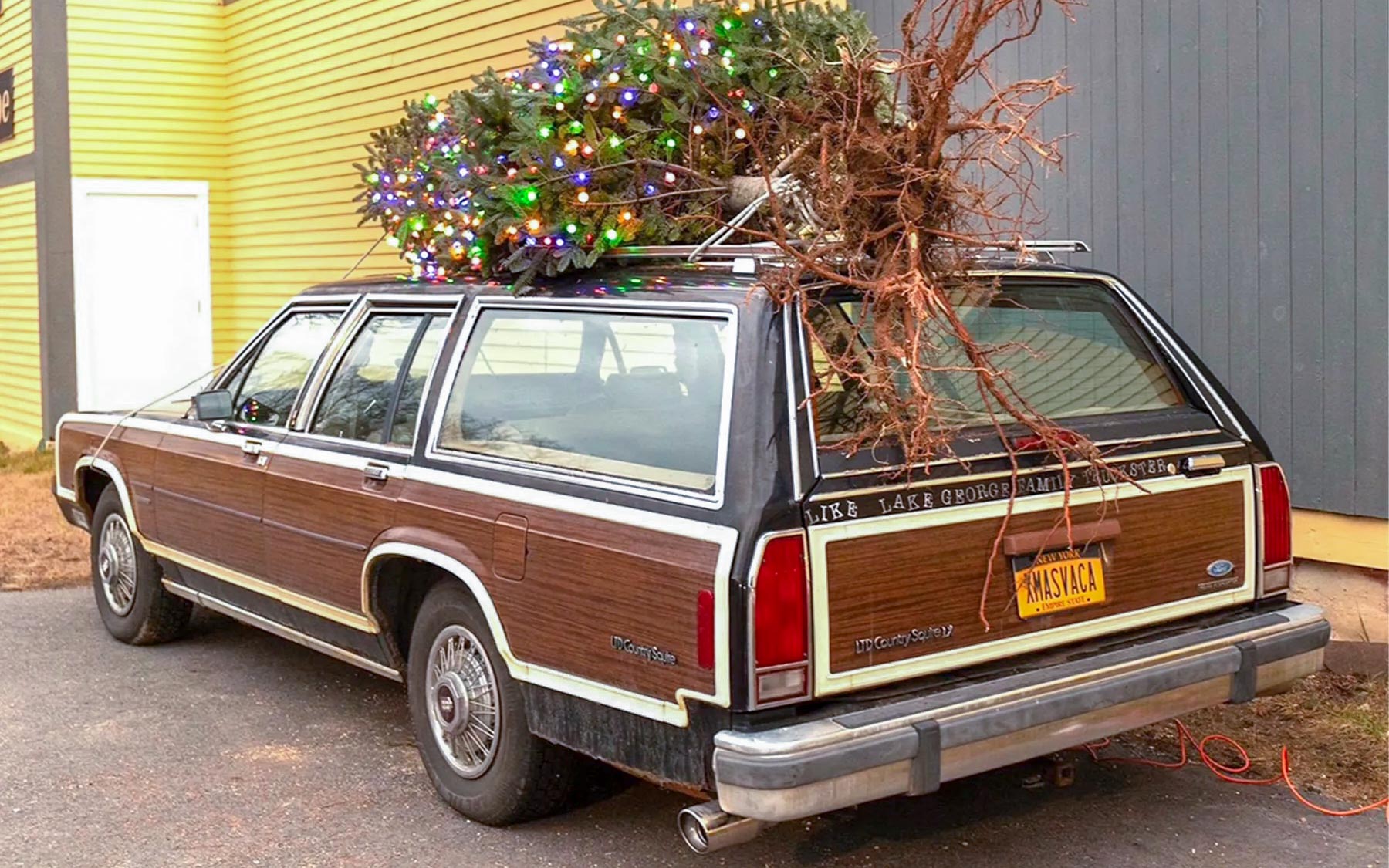

The death of the station wagon wasn’t sudden…
It was a cultural shift more than anything else. In the 80s and early-90s, the SUV started replacing the station wagon in suburban driveways. Vehicles like the Jeep Cherokee, Grand Cherokee, Grand Wagoneer, Ford Explorer, Suburban, and Land Cruiser offered something wagons didn’t: Height, rugged capability, and perceived safety.
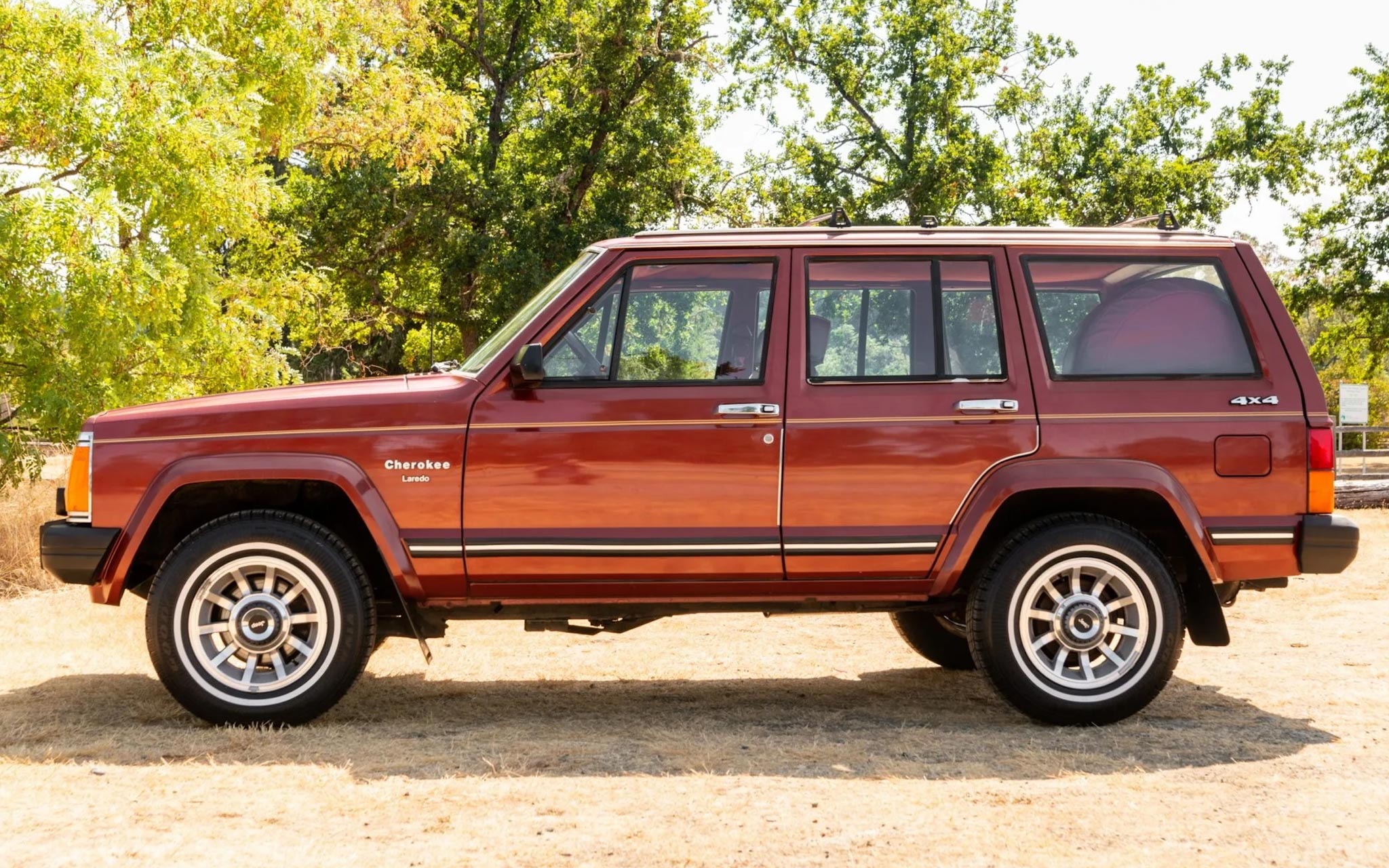

Americans liked sitting higher…
They liked the feeling of being above traffic. And automakers quickly realized something very important: SUVs were WILDLY profitable. Station Wagons had developed a stigma. A stigma of complacency & of being tied down. SUVs, however, came with a new air of explorative, rugged, no-boundaries versatility. It was much more appealing to the American family, and station wagons quietly began to disappear.
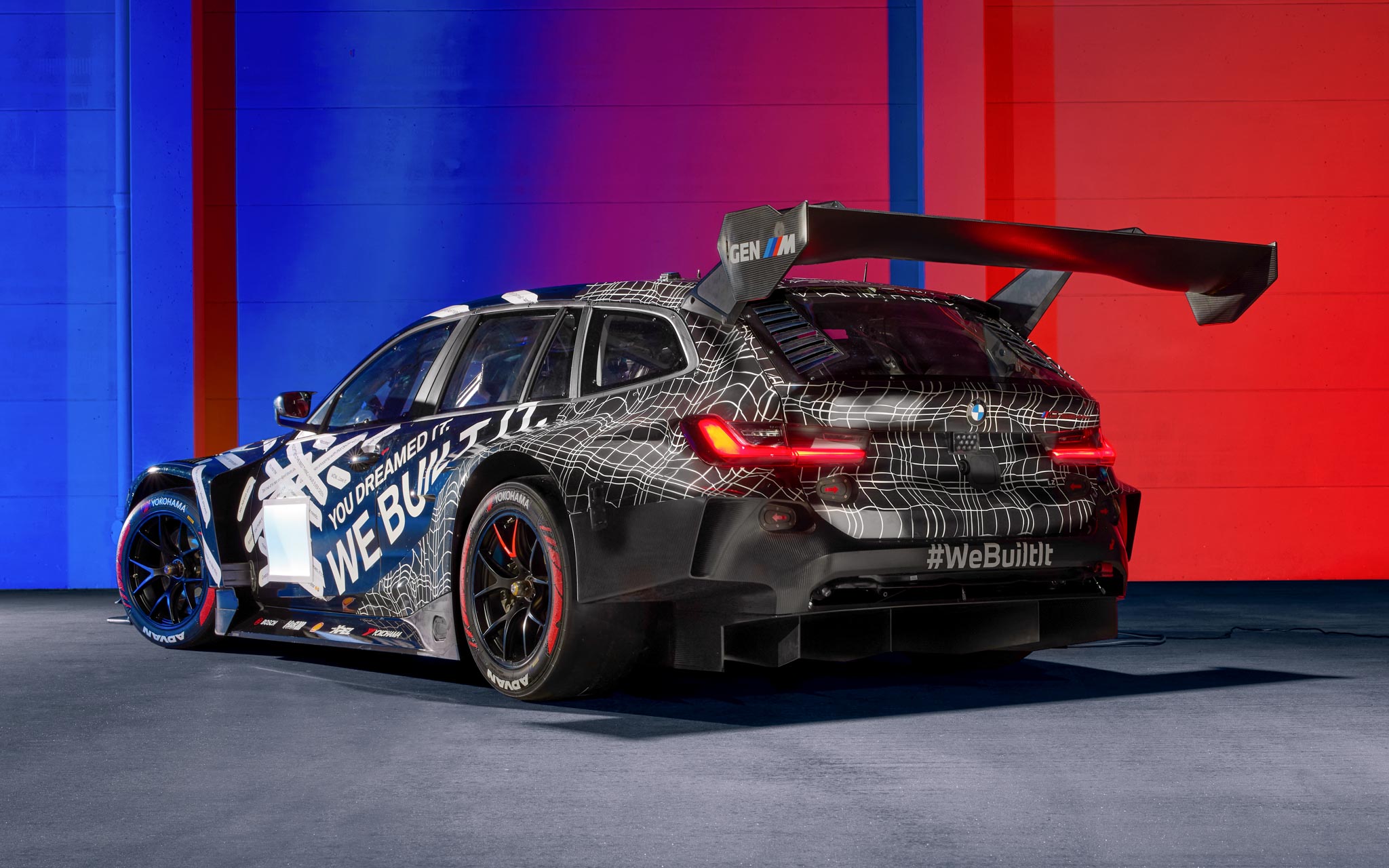
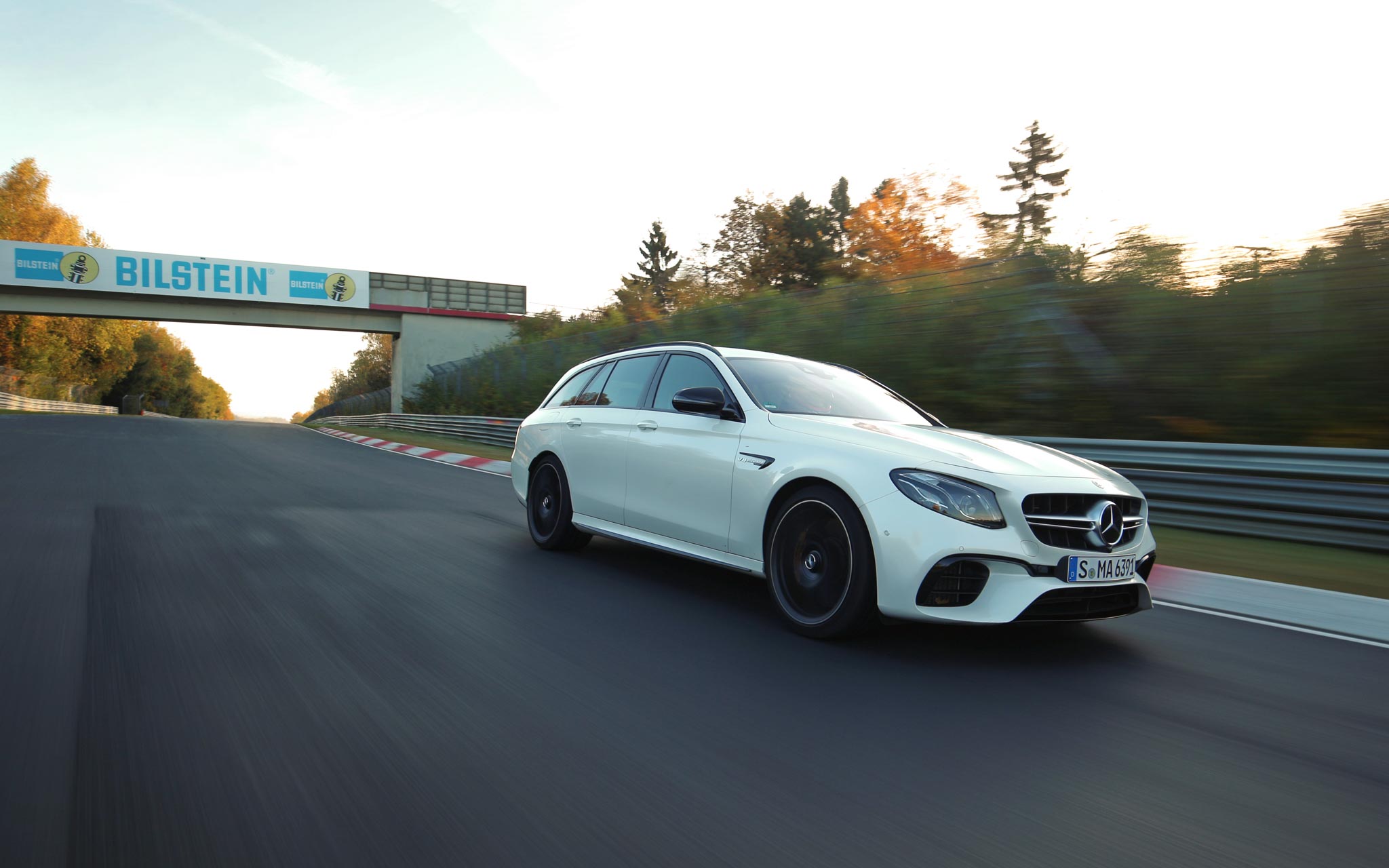
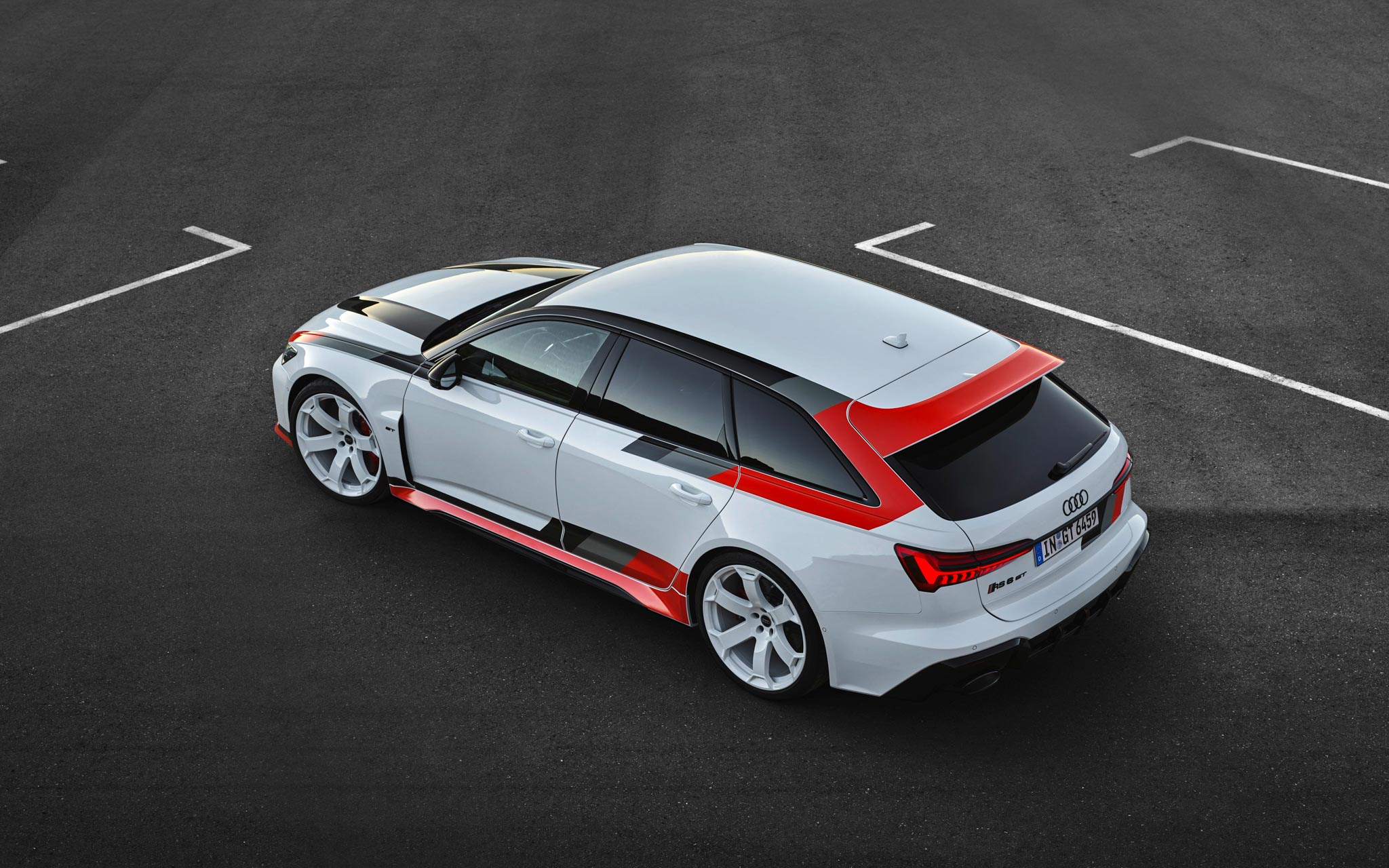

However, across the pond in Europe, things were different…
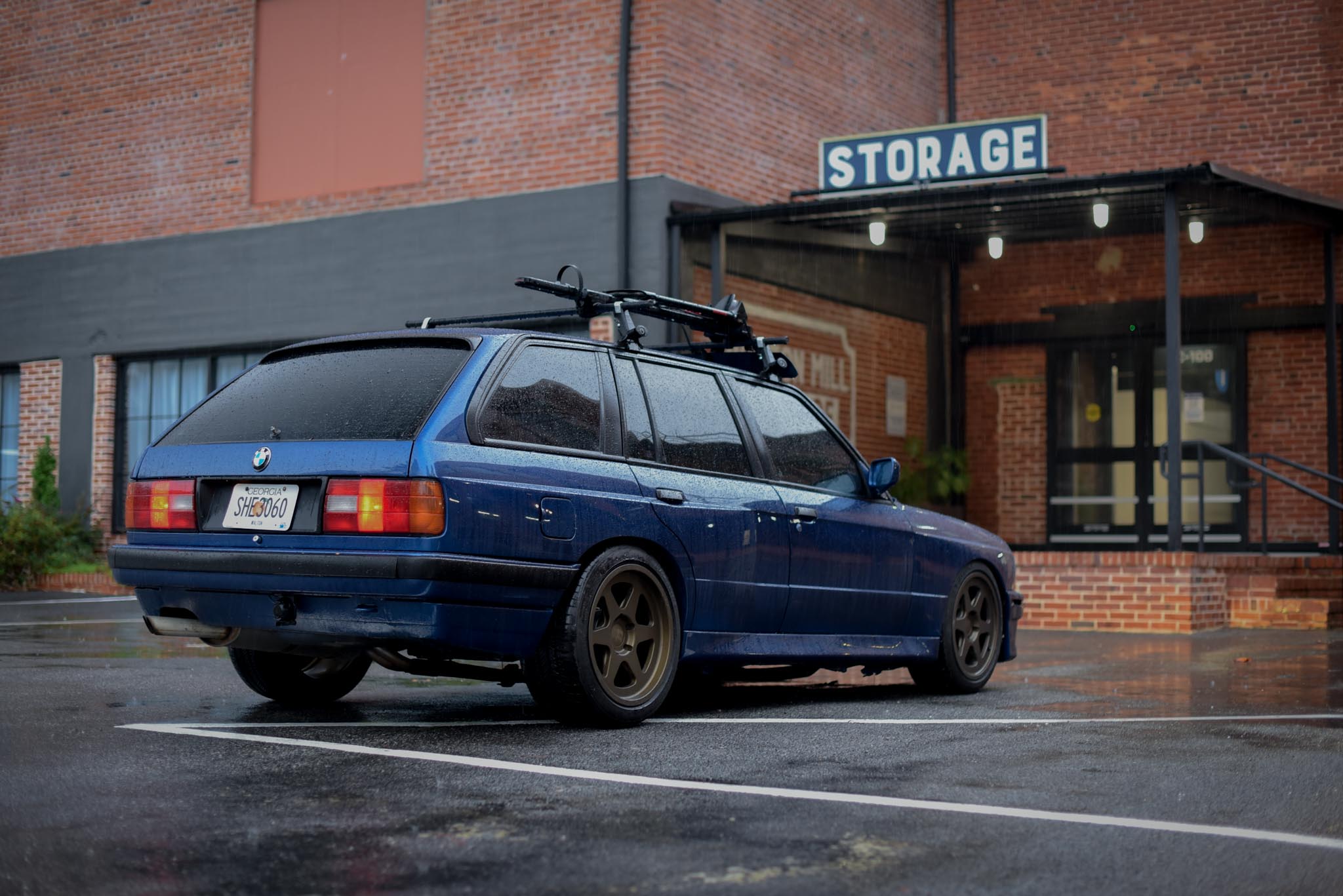
The Sport Wagon arms race took off. You see in Europe, the wagon never died, it evolved. In America, the station wagon was often a floaty/boaty land yacht. But Europeans approached wagons from more of an agility/driver’s perspective. Drop the word ‘station’… use the word sport, touring, or avant. European wagons drove like their cars. Low centers of gravity, sharp handling… but with longer roofs, and a more versatile hatch instead of a trunk (boot). Manufacturers like Mercedes, BMW, and Audi went head-to-head with each other. And vehicles like the Mercedes-Benz E63 AMG Wagon, Audi RS6 Avant, and BMW M5 Touring were long-roof monsters that could run with sports cars, while hauling an entire Costco trip in the back. These weren’t practical cars. They were ridiculous cars that happened to be practical. Sinister… sophisticated… European muscle. Even America got weird for a minute…
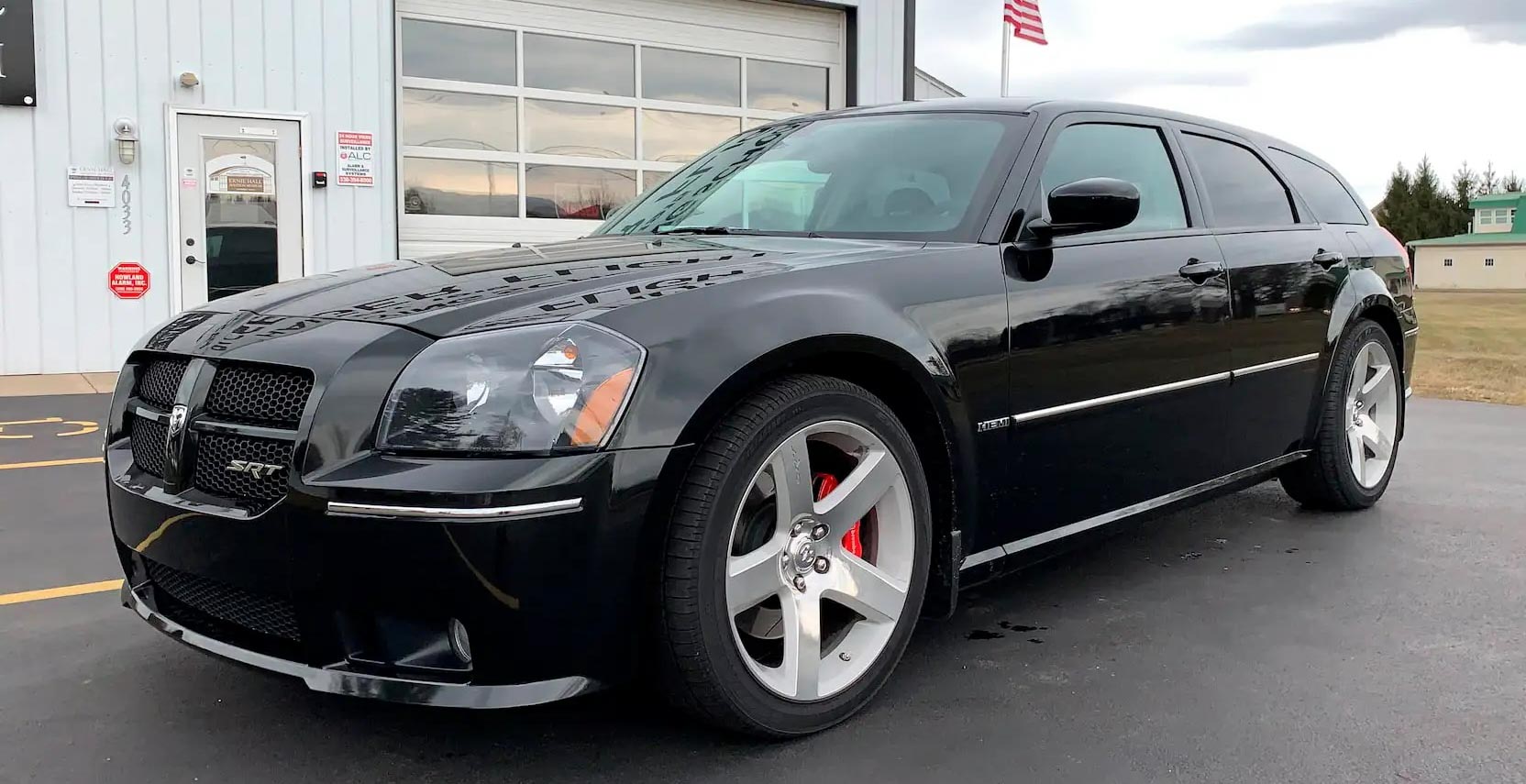
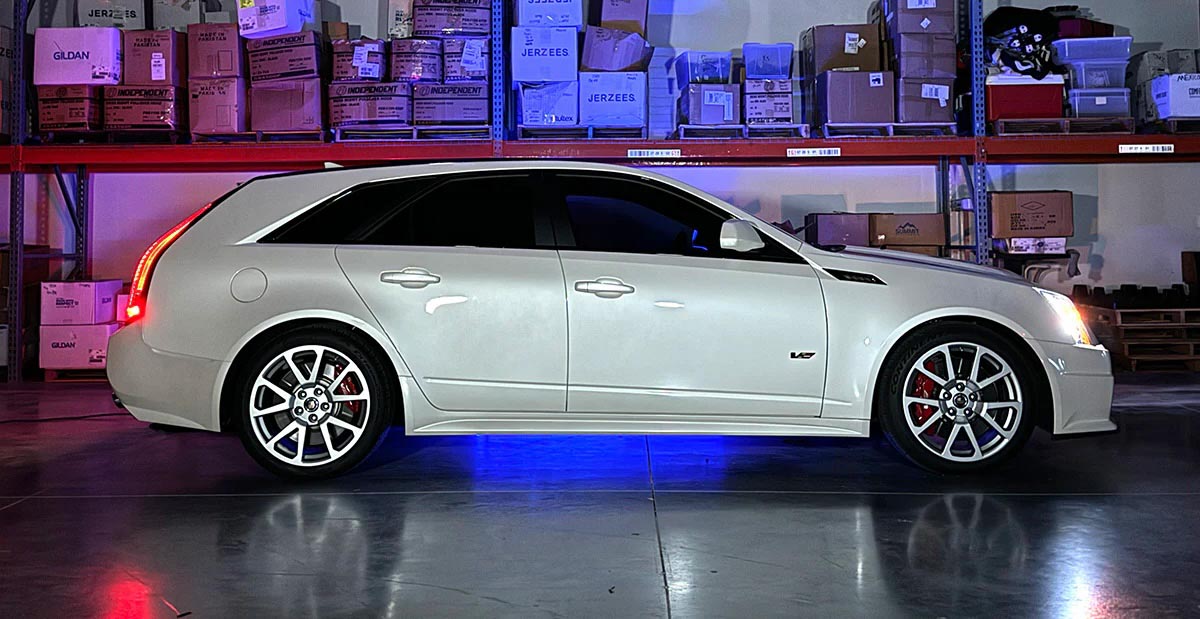
We built super wagons…
Cars that made absolutely no sense on paper, and perfect sense to enthusiasts. Take the Cadillac CTS-V Wagon for example: A supercharged V8, manual transmission (optional)… and enough horsepower/thunder to terrify the entire carpool line. It was basically a Corvette in disguise… with room for groceries and the family dog. Then there was the Dodge Magnum SRT8, which looks like a mafia getaway car designed by ZZ Top. Neither one sold in huge numbers, but they became cult classics… representative of THE BALLS that American car companies can have when they get out of their own way. These cars proved something important: Wagons didn’t disappear because they were bad. They disappeared because they were boring. Which brings me to another point…
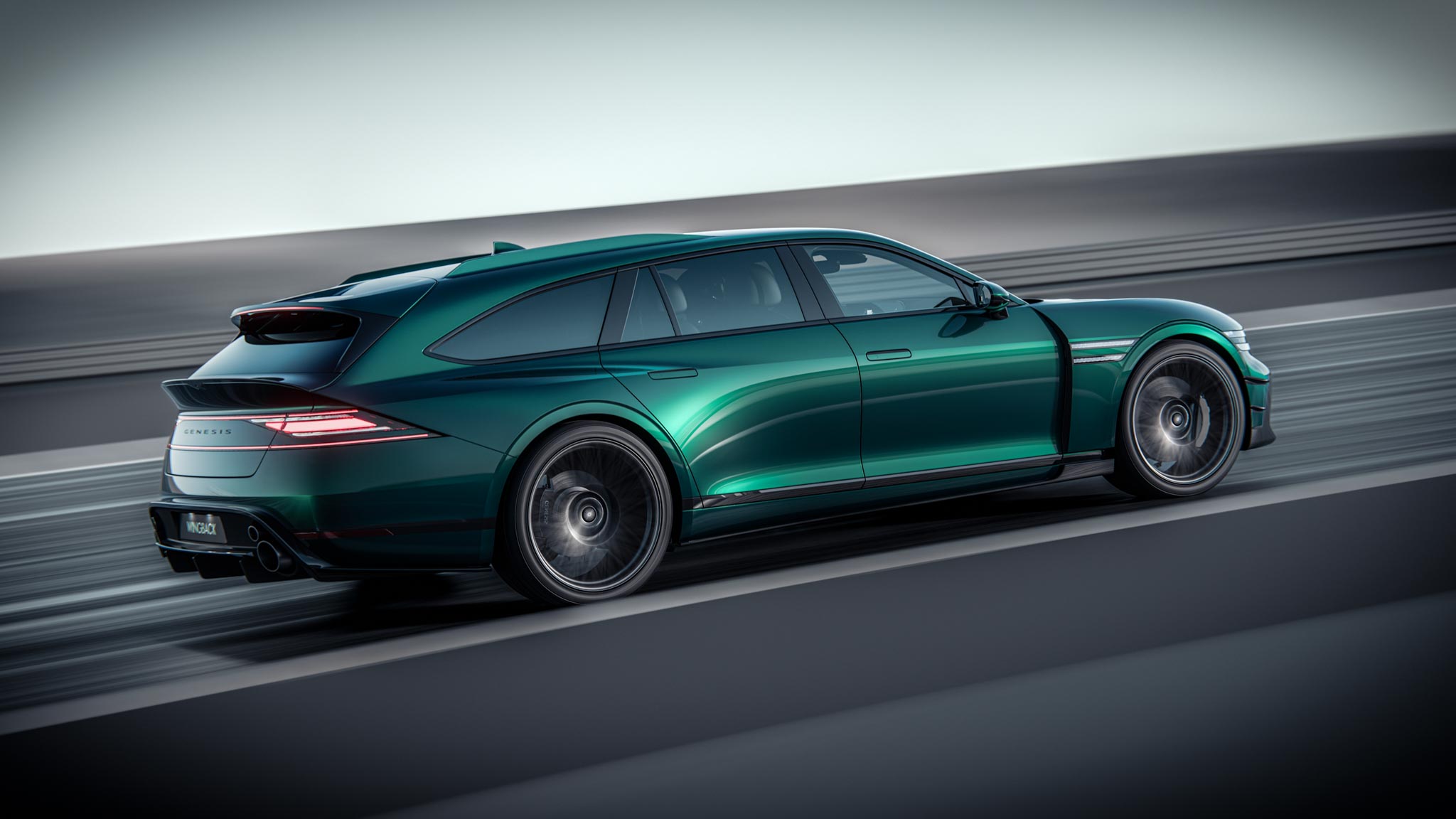
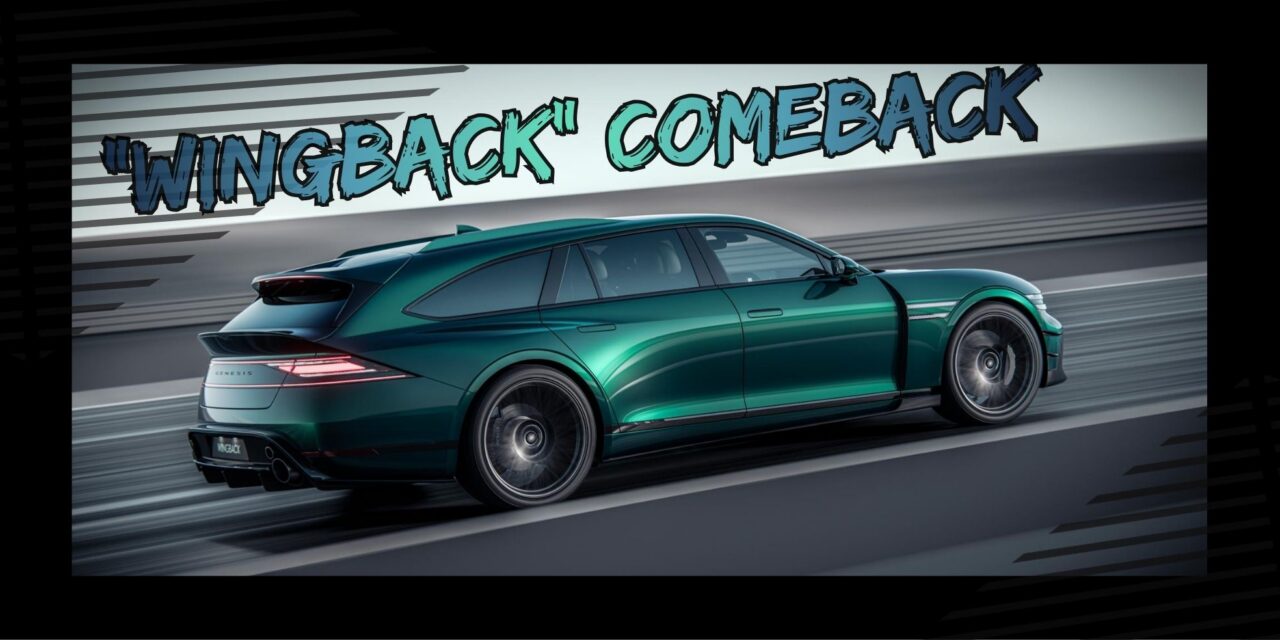
Genesis recently revealed wagon concepts that made enthusiasts double-take…
Genesis… a relatively new company… going back in time to a wagon? Now I’ll be honest, for some reason Genesis has never fully convinced me. I’m not sure why. Maybe it’s just intuitive suspicion. And maybe I need to get over it. Because in their defense – Genesis’s design language on-point. Their interiors are fresh. And every one I’ve driven (with a turbo-6 variant) is surprisingly engaging. Just going off memory, the 3.3T Genesis G70 felt more engaging (and less tech/nanny restrained) than most new sport sedans from any shore.
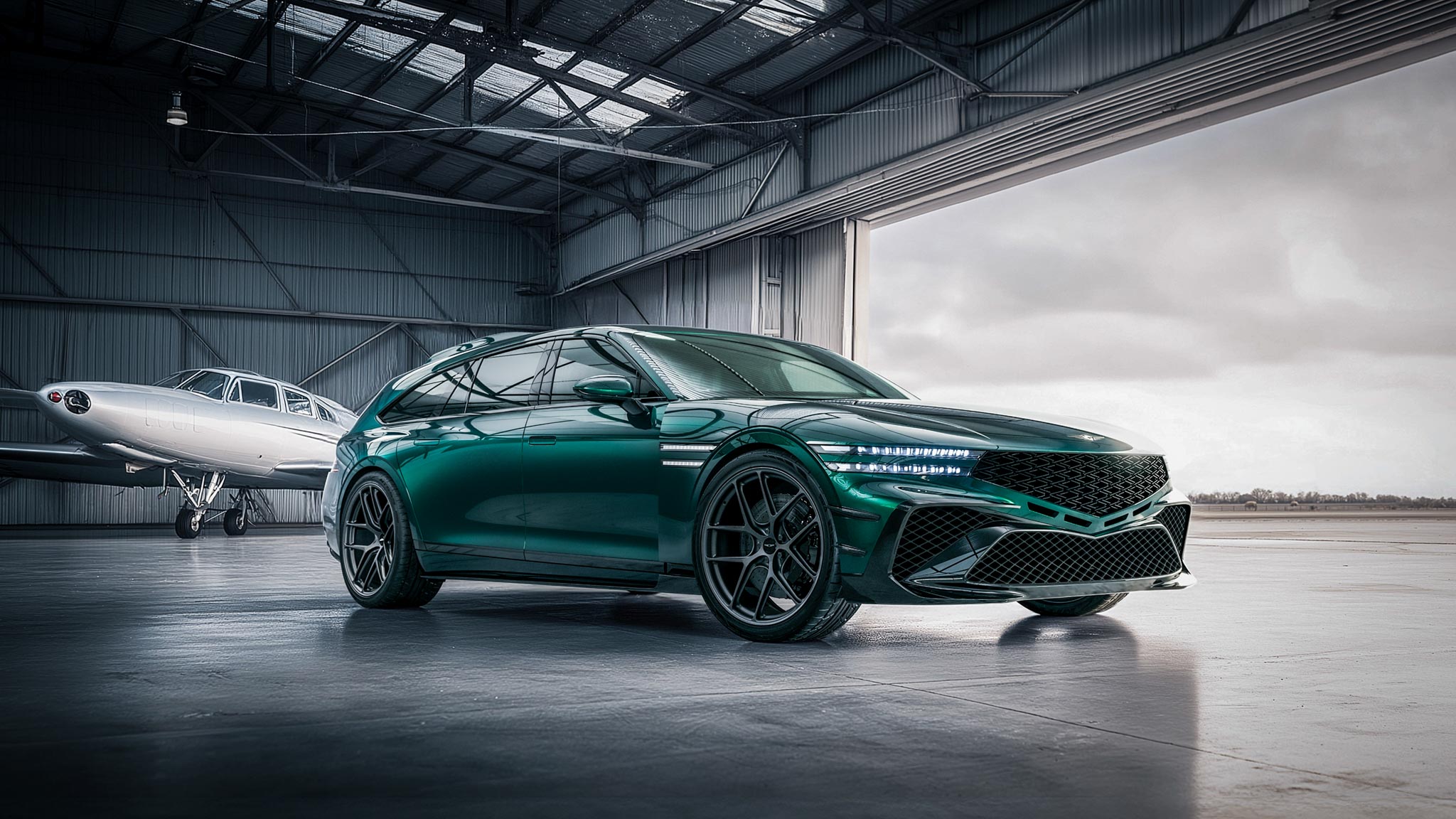
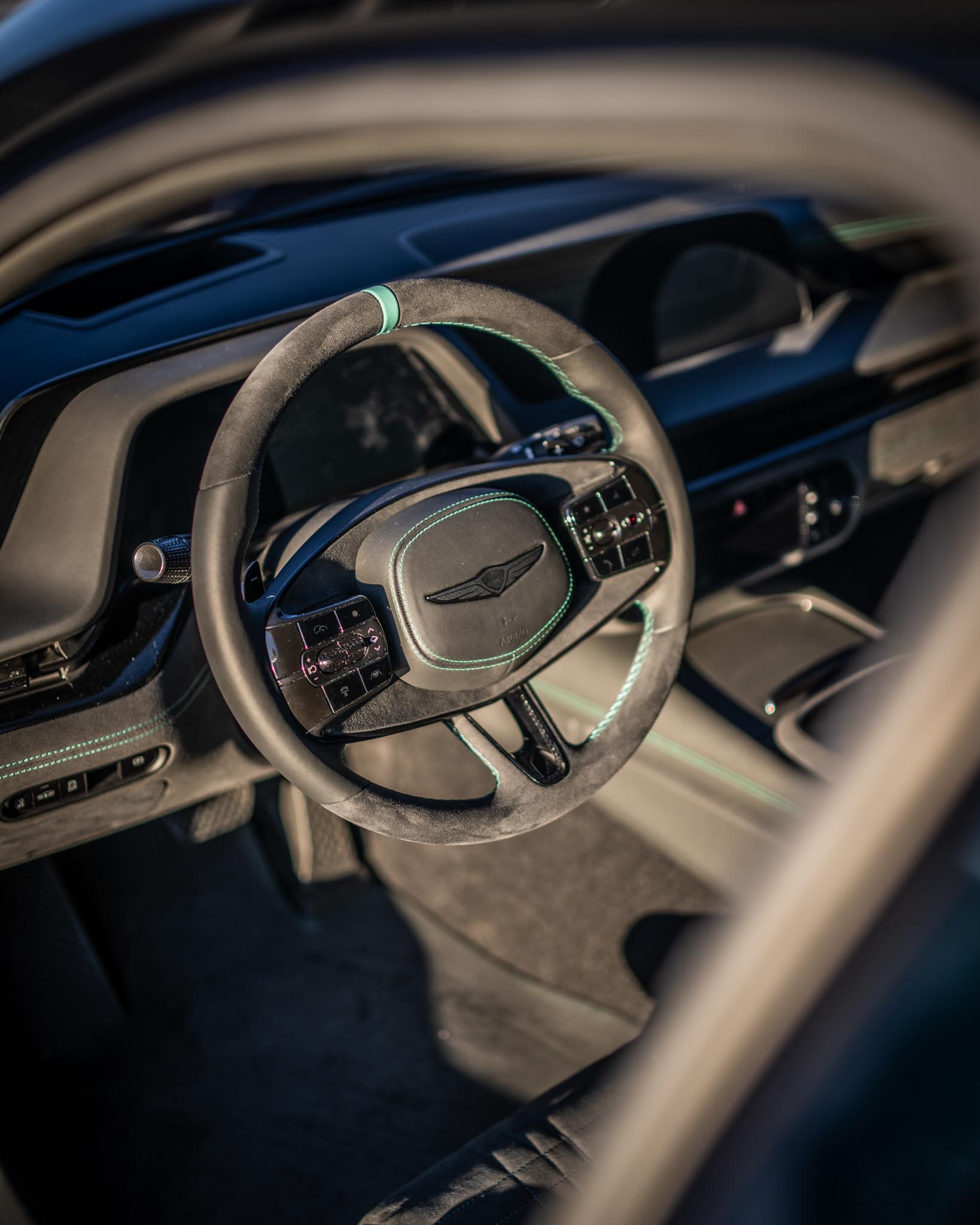
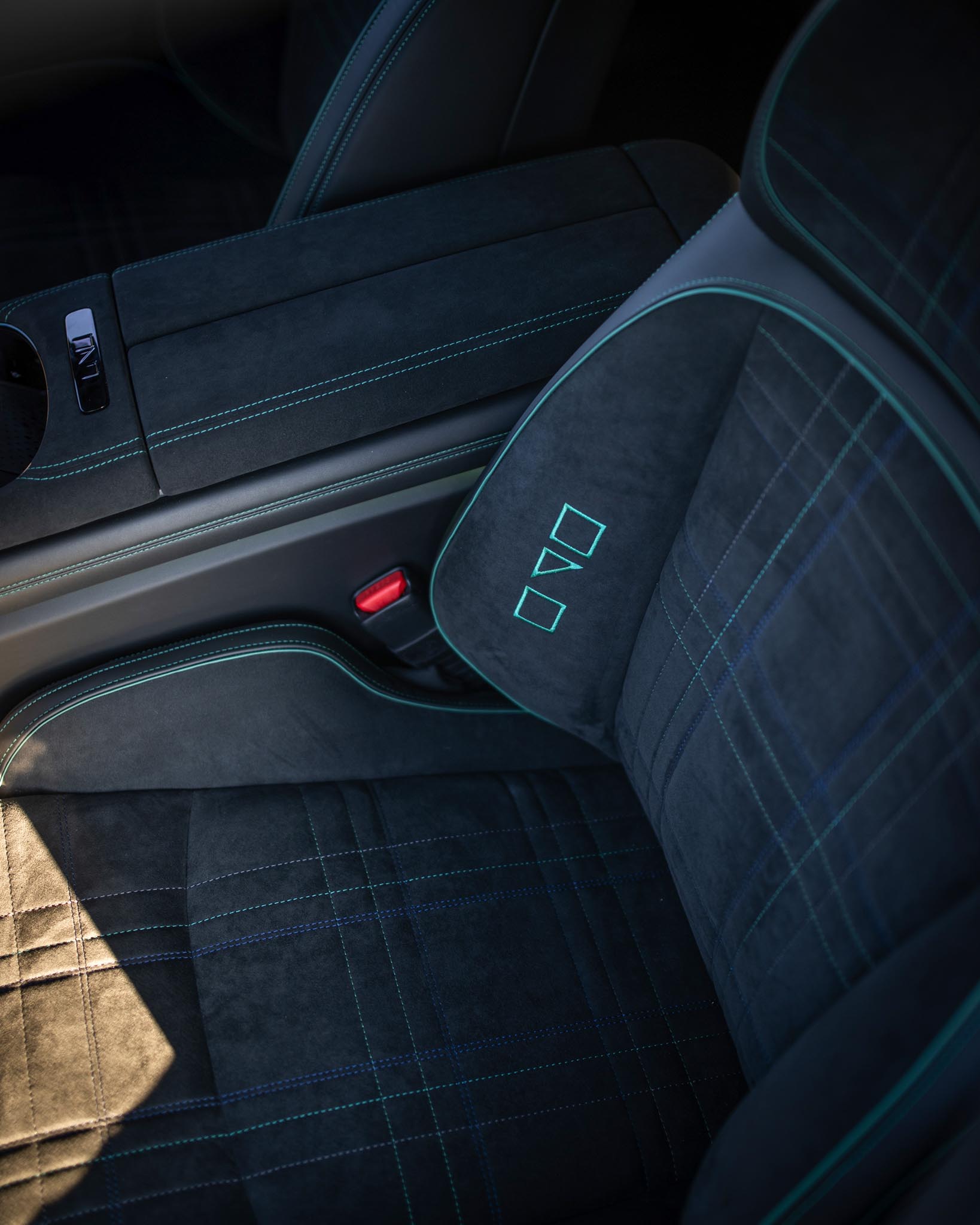
But That Wagon…
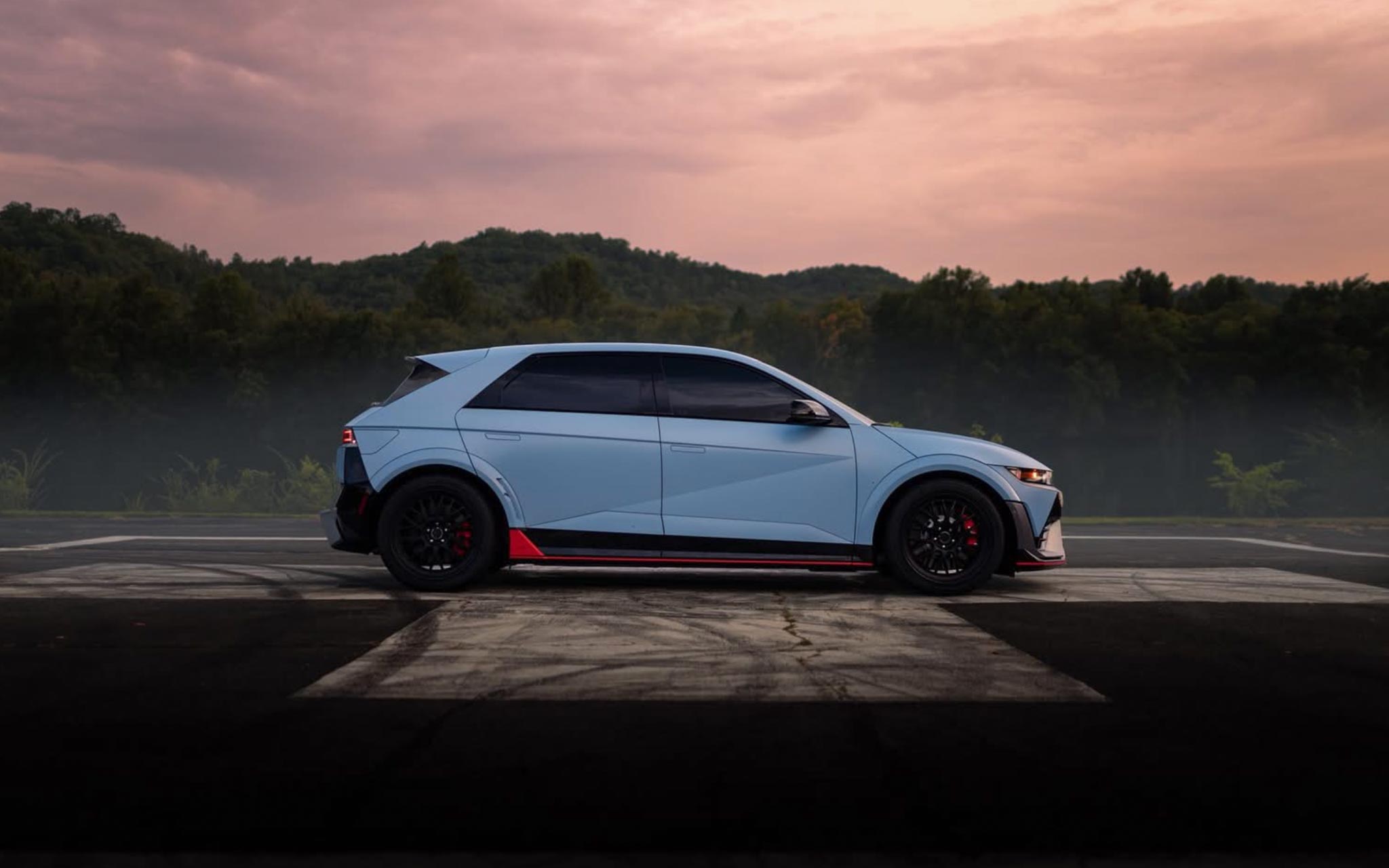
If Genesis actually builds the G90 Wingback concept they’ve teased us with… things could potentially erupt. That is – if we as enthusiasts eventually quit sitting on our wallets, and start putting our money where our mouth is. Regulations & CAFE Standards that favored crossovers & SUVs have been rolled back. Ford’s Jim Farley has publicly recognized that there is demand for sedans again. Funny enough, I’m not sure the demand ever left… or if Ford just abandoned the segment to go up-market. And in doing so, they inadvertantly gave up huge marketshare to Hyundai & Kia. Side note: Hyundai has its own unique design language going with the Ioniq 5: A hot-hatch silhouette with crossover proportions. And the stage is set for Genesis to up the ante & challenge the status-quo. Much like Lexus did in the early-90s. I’ll admit it: I want to see it happen. Because…

Wagons represent a sliver of something the automotive industry desperately needs right now…
And that’s common sense. Common sense in design, in relatability, in cost, and in function. And – a little sizzle never hurt. What we don’t need – is taller, heavier, less inspiring, more expensive, and more complicated mobility devices.

The Crossover Irony…
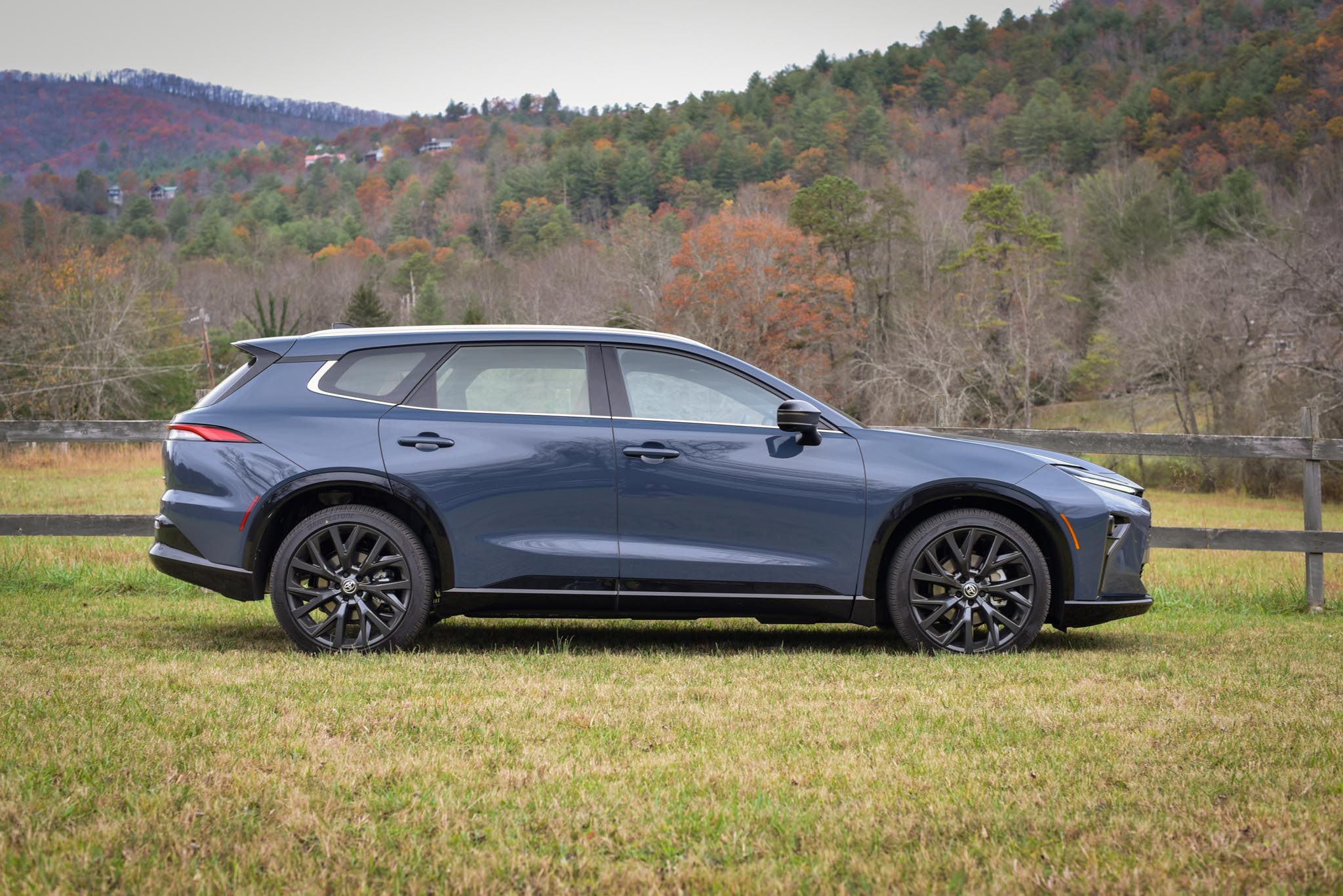
Here’s the funny part. America didn’t stop buying wagons. We just started calling them something else: Crossovers. Unless they’re not body-on-frame – most of today’s SUVs & crossovers are essentially just station wagons with a lift kit. 1) They share the same unibody platforms as sedans. 2) They carry roughly the same cargo. 3) They just sit higher… and are named after someplace out West. The level of poser in the SUV/crossover segments is astounding. Take a wagon, lift it 3-inches, add some black plastic fender trim… and suddenly it’s an “adventure vehicle.”

The Long Roof Deserves a Comeback…
Will wagons ever return to the mainstream? Honestly, I don’t know. I kind of doubt it. Crossovers dominate the market and they’re not going anywhere. But regardless – we need some variety back in the automotive industry. A SENSE OF COMPETITION. Carmakers really need to stop copying each other’s homework. Not every new vehicle needs to be copycat of the last one. That trend has fast-tracked the once alluring auto industry… into an indistinguishable appliance/mobility industry that young people don’t even talk about. Legacy automakers need to get creative & daring again… or it’s over.
Article by David S. Windsor