
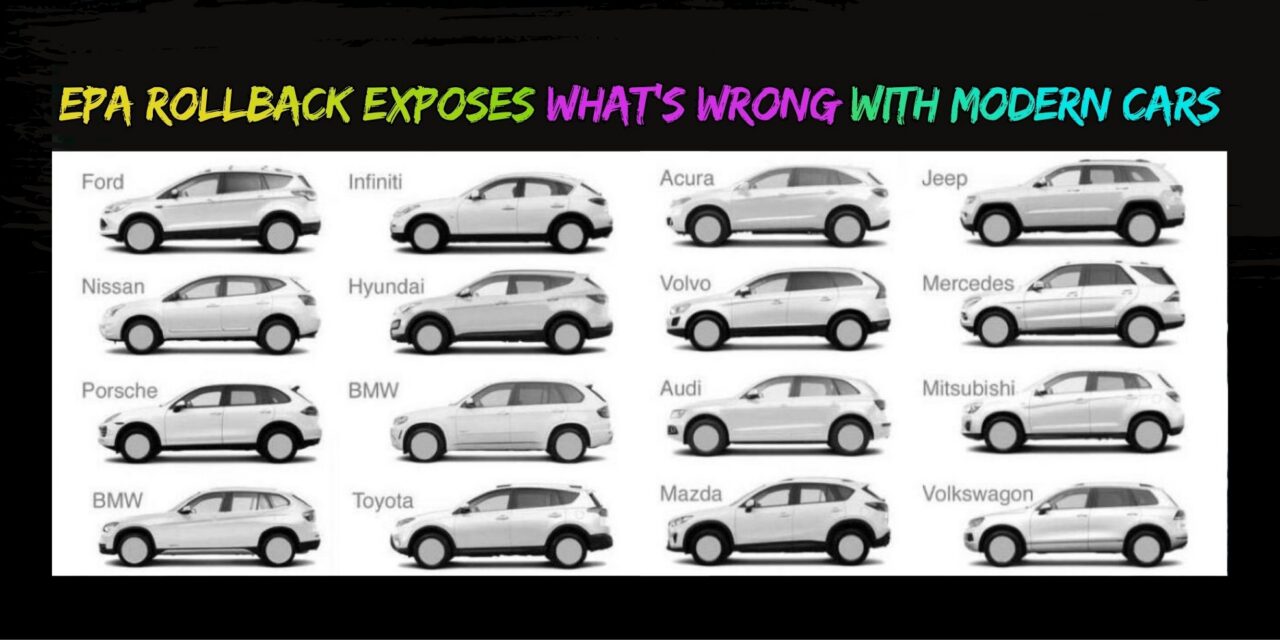

Every so often, a single policy-change pulls at a loose thread. That’s what the Trump administration’s EPA fuel-economy rollback just did. For years now, automakers have been staring-down a mandate that pushed fleet averages to 50+mpgs by the mid-2030s. But now, that target’s been walked-back to the low/mid-30s MPG range… a realistic figure that’s much more manageable. And in reality, it exposes something bigger. Something that really needs to sink in…
The modern car didn’t become expensive, homogenous, and over-complicated because automakers ‘forgot how to build cars’. It became that way because it was legislated there.
Fuel-economy mandates don’t just encourage efficiency. It’s a butterfly effect that ultimately dictates design, forces technology adoption, and stacks costs… whether buyers asked for it or not.
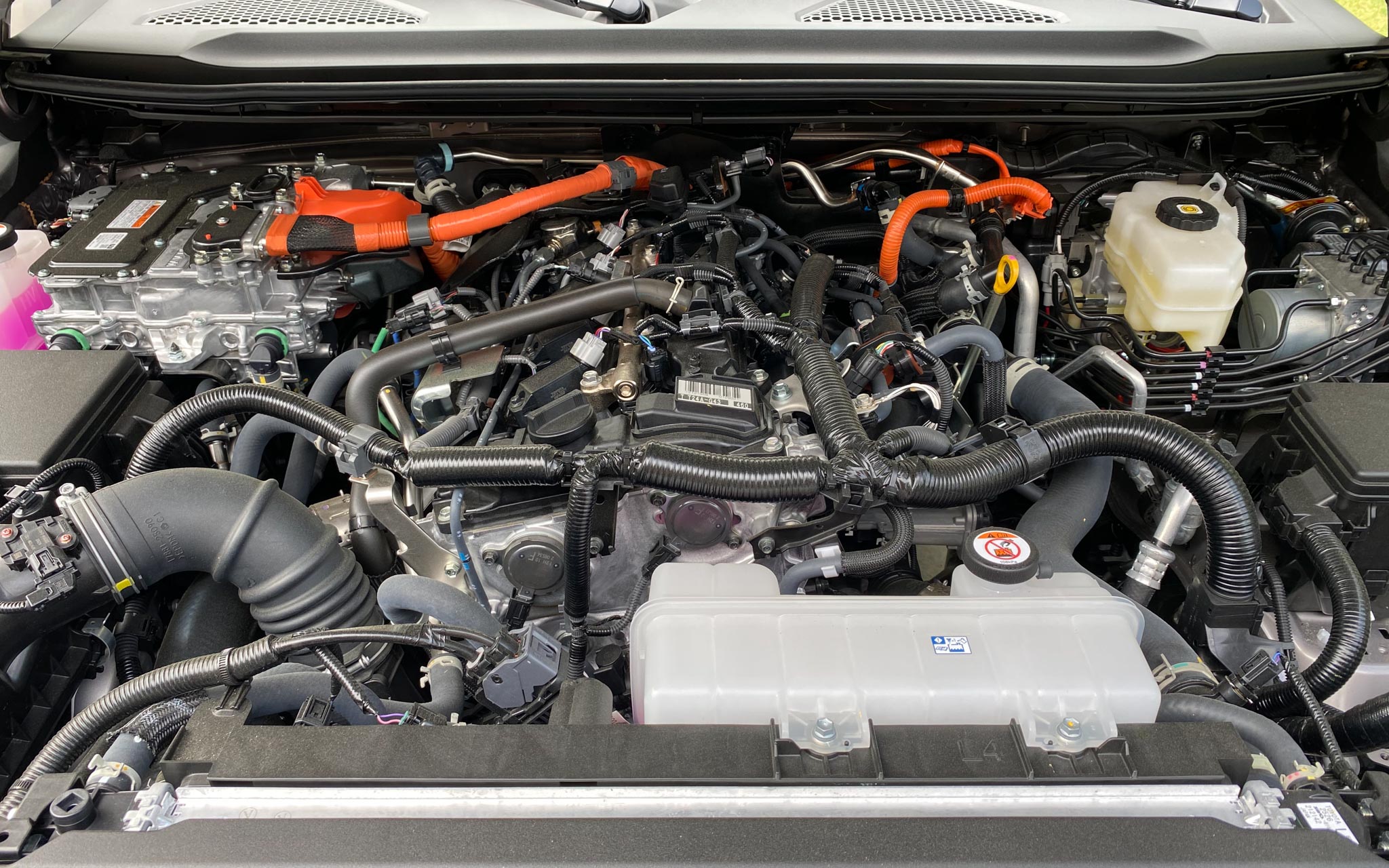
regulation exemplified
Chasing extreme, legislated MPG targets results in:
Smaller stressed engines, more complex transmissions, and complicated hybrid systems. It’s an absolute domino-effect that increases the complexity of components, skyrockets the cost of vehicles, AND the cost of ownership… from servicing to insurance rates. Understand – the true cost of these mandates dig straight into your pocket, and affect nearly every aspect of your ownership experience.
Rolling back the EPA target doesn’t mean dirty cars…
It means less forced complexity… and more room for manufacturers to build common sense vehicles again. Vehicles that work within the needs & budgets of consumers.
It began with CAFE Standards…
The foundation of today’s automotive mess is CAFE — Corporate Average Fuel Economy. The keyword is average. CAFE doesn’t judge vehicles individually. It judges a spreadsheet. One super-efficient model can offset a model that’s bigger, heavier, or more capable. That sounds balanced until you see what it incentivized. Instead of diversity, CAFE rewarded rule-gaming. Small cars didn’t die because buyers hated them. They died because the cost of stacking efficiency tech on low-margin vehicles stopped making financial sense. Manufacturers followed the path that regulations rewarded. And that path led somewhere strange…
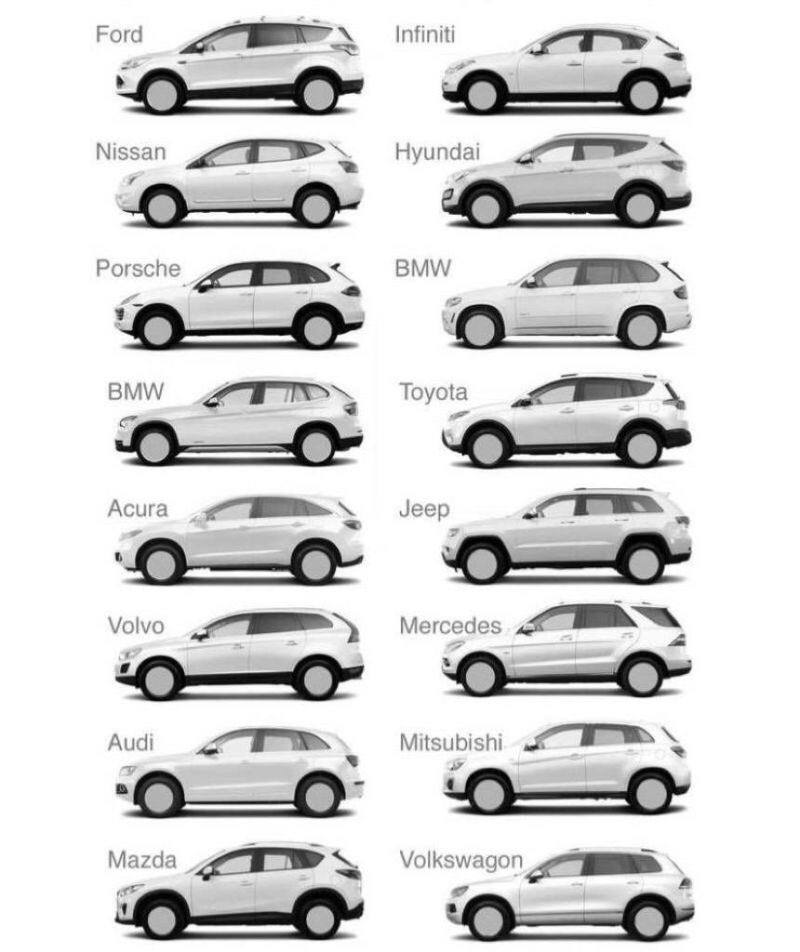
The Footprint Rule: How Cars Got Bigger by Regulation…
Under CAFE’s footprint rule, MPG-targets are tied to a vehicle’s physical size. A bigger footprint = slacker fuel-economy requirement. So instead of shrinking cars, manufacturers made everything bigger. Not because consumers demanded it, or because it was ‘greener’. But because the CAFE math made it easier to survive.
This is why compact cars faded away, midsize trucks grew into yesterday’s full-size trucks, crossovers swallowed-up wagons/hatchbacks/sedans, and vehicle-weights ballooned. It’s why you might have felt like the industry was killing-off all the good cars, only to make more generic, bloated, indistinguishable crossovers/SUVs. And as vehicles get bigger, they become harder to maneuver & do more damage in accidents, so the legislation stacks on, leading to more nanny devices and…
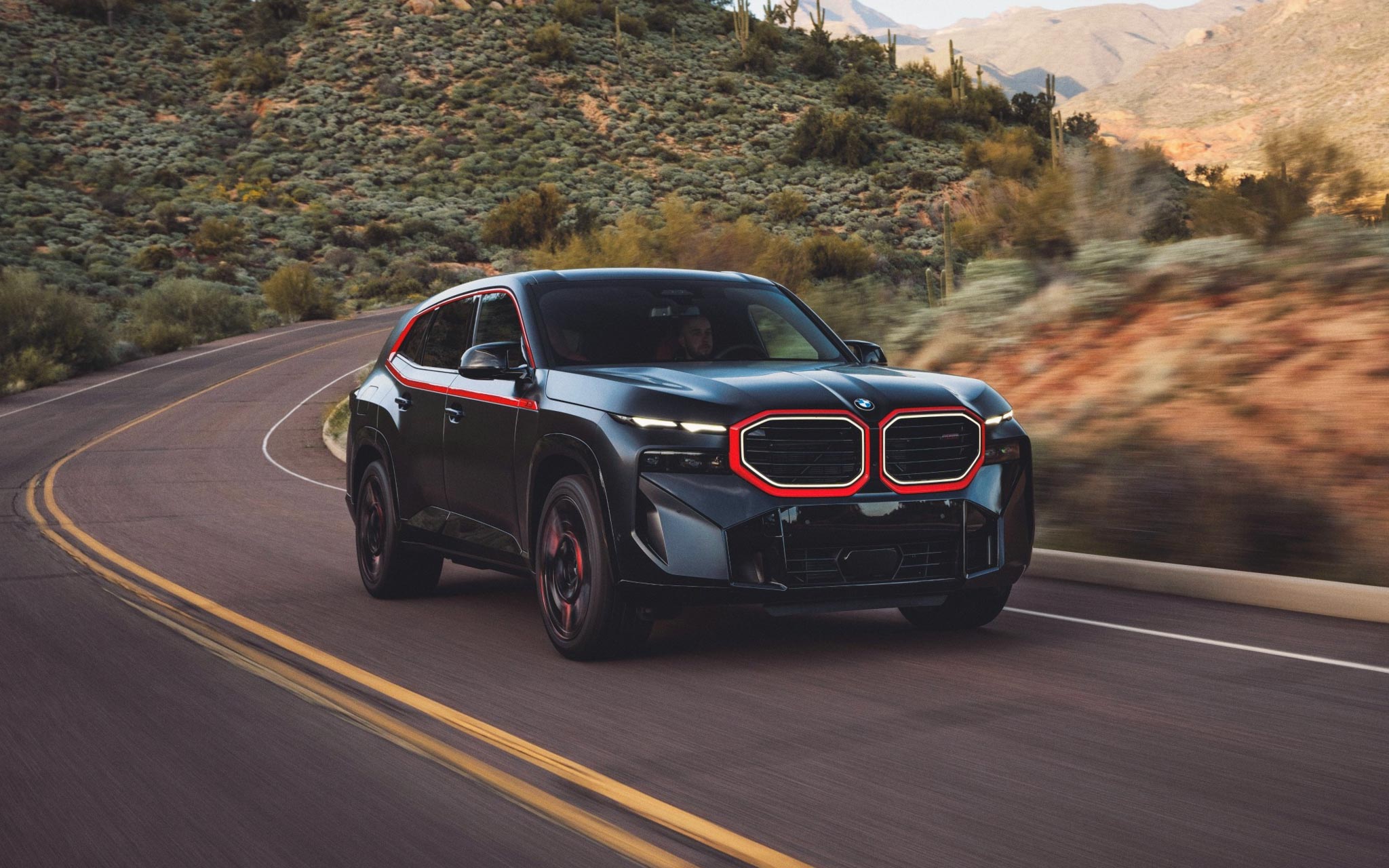
Pedestrian-impact standards…
It’s well-intentioned, of course. But to comply, manufacturers leaned into soft bumper covers, foam structures, plastic energy absorbers – and most significantly – taller/blunter noses. The theory was injury reduction. The real-world outcome? Massive opaque front ends, headlights at eye level, bumper covers that explode at parking-lot speeds, and worse forward visibility than cars built decades ago. Older cars, with lower hoods & clearer sight-lines, were often easier to maneuver safely in urban environments. But visibility doesn’t show up on a compliance test. Foam density does.
The Chicken Tax: A 1960s Grudge That Never Died…
We’ve previously written about the Chicken Tax, but here’s a recap. Born from a 1960s poultry trade dispute, the U.S. slapped a 25% tariff on imported light trucks… and that law never went away. If one policy perfectly represents outdated laws hurting modern consumers… this is it. And because of the Chicken Tax, affordable compact trucks never reached our market. Small diesel workhorses stayed overseas. Foreign competition disappeared. And domestic manufacturers stopped competing in the small-truck space. Instead, America got bloated trucks with bloated price tags. Consumers didn’t choose that outcome. Rather, legislation (perhaps inadvertently) enforced it on us. Therefore…

Toyota Hilux Champ – affordable – functional – not in the U.S.
The EPA Rollback Opens the Conversation…
And shines a light on mandates/legislation that has been compounding on itself for decades. By easing emissions pressure and changing regulatory signals, the door cracks open for something the U.S. market hasn’t had in a long time: True entry-level mobility.
View this post on Instagram
That’s why kei cars and trucks are suddenly relevant to the U.S.
Kei cars/trucks are small, simple, inexpensive, efficient, and easy to maintain. They represent transportation without excess… and mobility without financial trauma. No, they won’t replace full-size trucks or family vehicles. But they will open the door for new segments of more affordable, no-nonsense transportation. And to come back full circle here: Simplicity is a path to efficiency. If a ‘small footprint’ is a goal behind all the legislation… we should be open-minded to small & simple. The idea of full-size, 3-row, 8,000lb, 6-figure ‘green vehicles’… is more of a fantasy marketing gimmick than a viable path toward sustainable transportation.
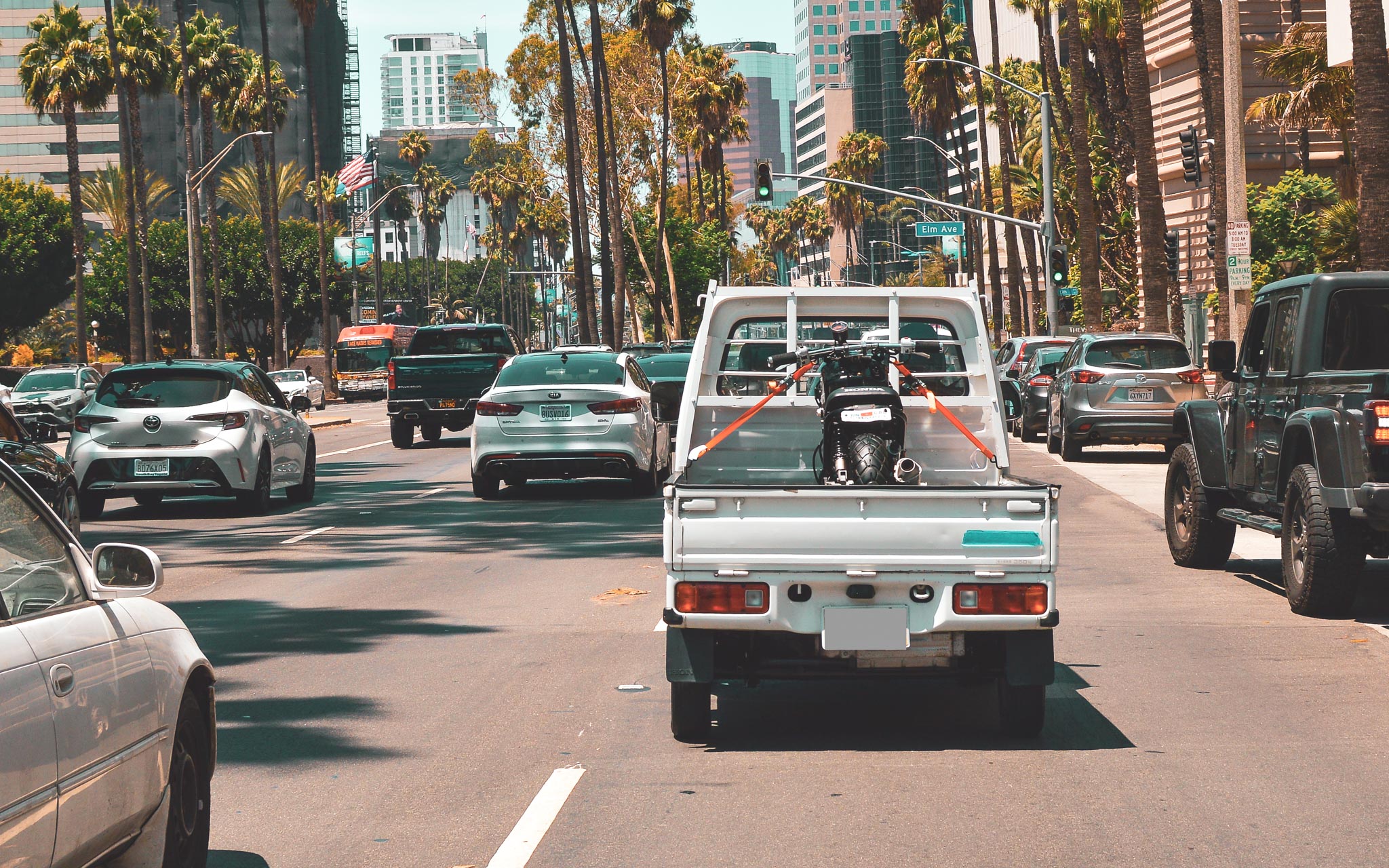
Kei truck
Let’s Be Honest About Size…
Kei vehicles were designed for the Asian market. Americans are taller, broader, and heavier… with further distances to travel. Plenty of people will sit in a kei car/truck and immediately realize it wasn’t built for them. That’s fine. The goal isn’t replacement. The goal is choice.
That’s what policy forgot…
Decades of layered regulations, CAFE averages, footprint math, pedestrian standards, outdated tariffs… they didn’t ultimately protect consumers. Rather, they burdened consumers by narrowing options, raising prices, increasing complexity, and squeezing character/style/viability out of the market. The EPA rollback doesn’t magically fix everything, but it pulls a thread. And once you start pulling that thread, you begin to see the whole weave.

Tom Matano – the heart behind the Miata
Car enthusiasts aren’t anti-progress…
We’re anti being-forced into one narrow, expensive, applianced version of the future. We want balance, variety, and spice/soul in the automotive industry. And we envision a landscape where a new car doesn’t necessitate a 8+ year loan… for mediocrity. Where a work truck doesn’t cost house money. And where we can maintain, service, and customize our own cars if desired. Where vehicles exist because there’s a market for them… not because they survived some bureaucratic compliance math.
The EPA rollback doesn’t solve the automotive world’s problems, but it exposes some of them. And that’s where the real conversation can finally begin.
Article by David S. Windsor