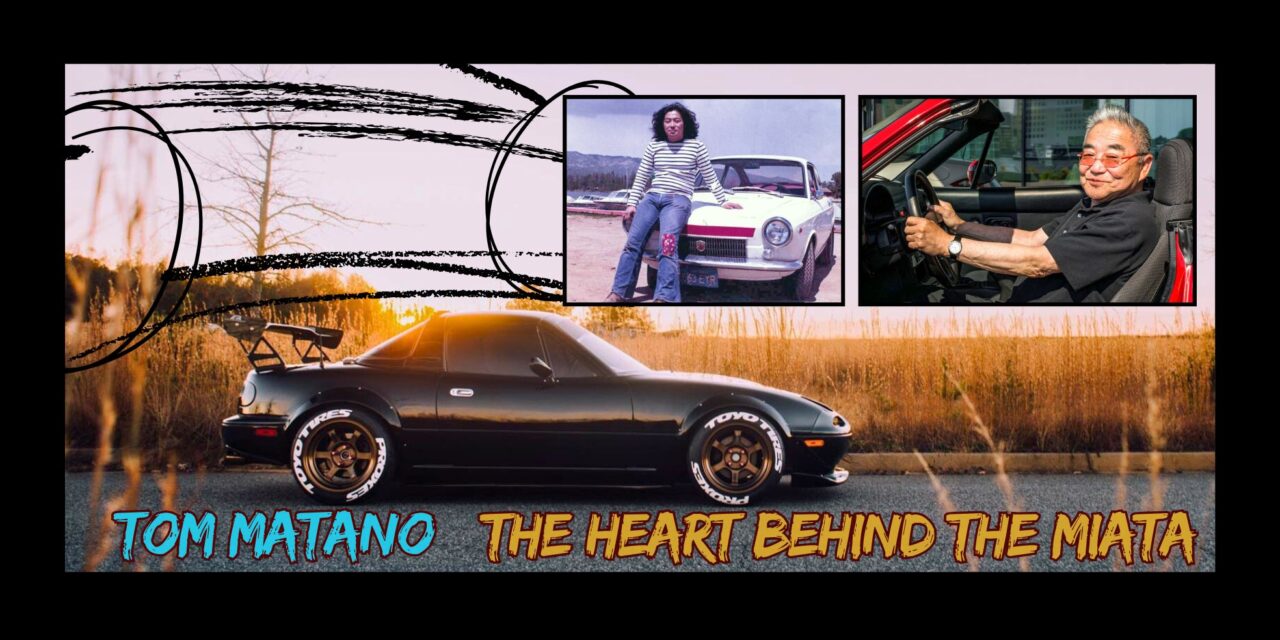

I wasn’t gonna write this one yet, but sometimes the road makes the turn for you. On September 20, 2025, we lost Tom Matano. He is the man most-often credited as The Father of the Mazda Miata. And if you’ve ever grinned your way through a set of corners in a Miata, you’ve felt his spirit. This one’s for him.
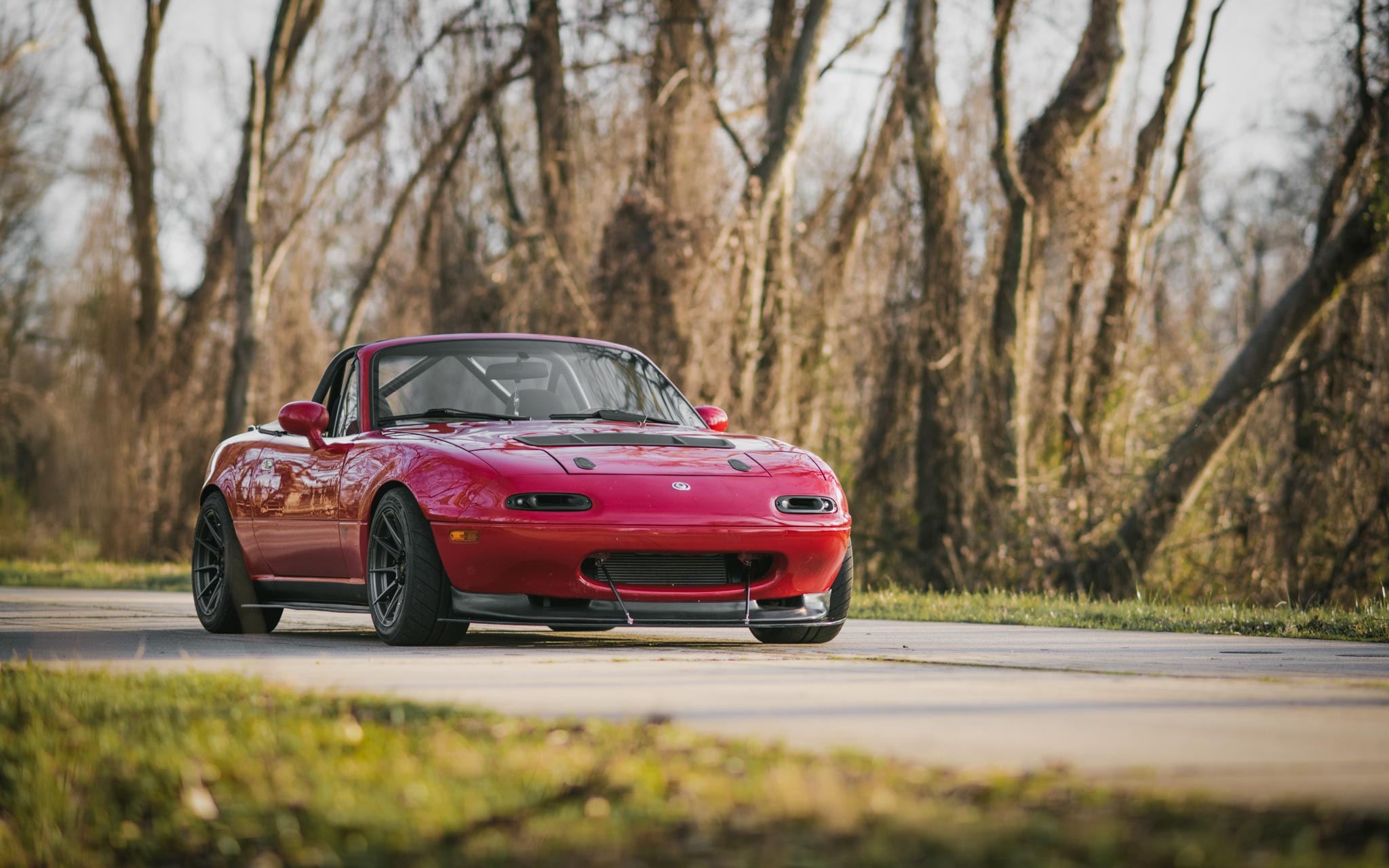
Tom Matano was never a CEO…
Or a loudmouth executive… or the kind of guy who needed his name in headlines. He was quieter than that. Matano was the sculptor in the background, the hand guiding a pencil across a page. He shaped not just metal… but emotion. And he understood something most car companies don’t: A great car isn’t just about speed or specs. It’s about soul.
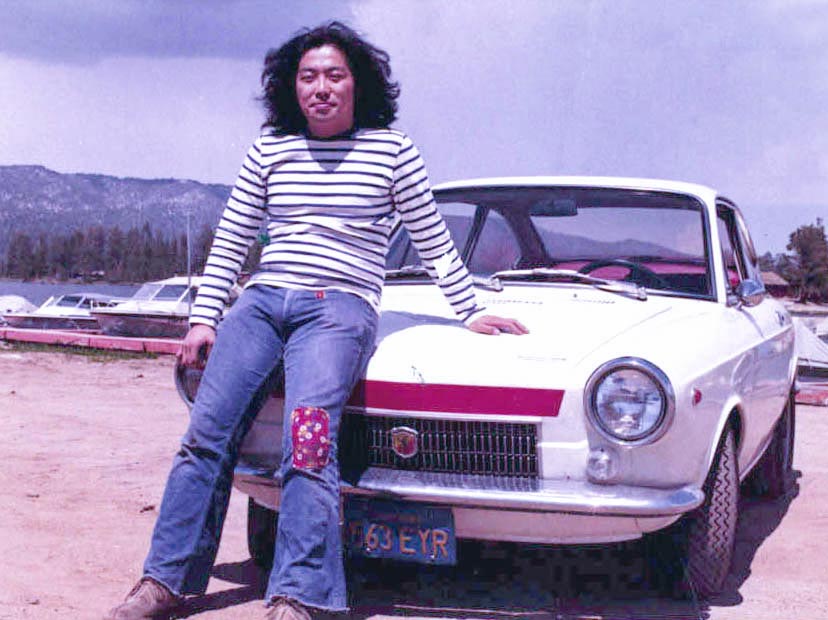
Born Tsutomu Matano in 1947 in Nagasaki, Japan…
Matano was fascinated by machines, but had a knack for design. After studying engineering at Seikei University, he moved to the United States in 1970. Literally hitching a ride on his uncle’s container ship – chasing the dream of becoming a car designer. Tom Matano’s career path zig-zagged with stints at GM, Holden in Australia, and BMW in Munich. And each stop gave him perspective – American boldness, German precision, Australian pragmatism. By the early ‘80s, Tom Matano settled into Mazda in Irvine, California… eventually becoming Chief Designer. And that’s where his legacy begins.

Mazda wanted to do something bold in the ’80s…
They wanted to build a modern-yet-timeless roadster. Not a toy and/or halo car for rich buyers. But instead, something that was affordable, simple, and pure – for everyone! Bob Hall pitched the idea internally & the engineers were cautiously intrigued. But it was going to take a good yet subtly bold design to give the idea a heartbeat.
Three different proposals went on the table…
1) A front-drive convertible. 2) A mid-engine layout. And 3) The front-engine, rear-drive concept that came out of Matano’s U.S. design team. They called it “Duo 101.” Its proportions echoed timeless roadsters (like the Lotus Elan) without copying them – longer hood, shorter deck, lean, and just enough muscle under the curves. The car was nostalgic in spirit, but also freshly modern. Clean, but emotional.


Mazda picked Matano’s vision…
And in 1989, the world got the NA Miata. It wasn’t radical, and it wasn’t a spec-sheet king. But it felt right. And it took the automotive world by storm. The steering, the balance, the way the headlights winked as they popped up – it all worked – because someone cared about the details. Miata had an instant cult following – clubs, camaraderie, the whole 9 yards. Matano didn’t just design a car, he designed a classic.

The Miata may be what Tom Matano is remembered for…
But it wasn’t his only masterpiece. Matano also influenced the FD RX-7 – arguably one of the sexiest Japanese sports cars of all time. Long, low, slick, and curvaceous. The FD RX-7 carried the same design ethos: Motion and emotion in balance.
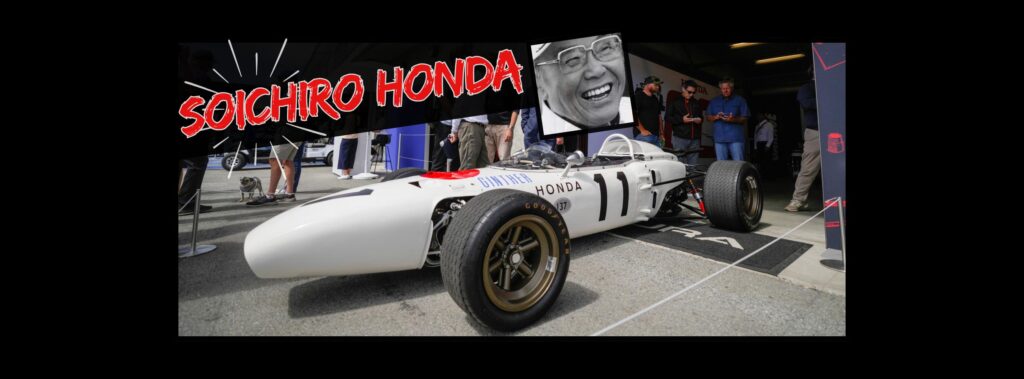
Tom Matano rose through Mazda’s ranks… influencing not just individual cars, but the entire brand’s design DNA. He championed proportion, simplicity, and restraint – principles you can still trace in Mazda’s “Kodo” design language today. Tom Matano wasn’t a bombastic character like Soichiro Honda. He didn’t need to be. Matano’s strength was subtle, The Proportions: He knew instinctively how a car should sit, how the balance of hood, cabin, and deck created beauty before you even looked at details. Elegance within constraints: With regard to the Miata, the car had to be to be affordable, safe, and reliable… and Tom knew how to design joy inside those guardrails. Then there’s the human connection: Tom Matano cared about how cars made people feel… not just how they looked.


But his path wasn’t without friction…
The Miata was a team effort. Mark Jordan, Wu-Huang Chin, Masao Yagi, and others all contributed. Matano himself often downplayed his role, giving credit to the group. That humility sometimes left enthusiasts arguing over how much was his. But maybe that’s the point. Tom Matano never had to be the star. The car was.
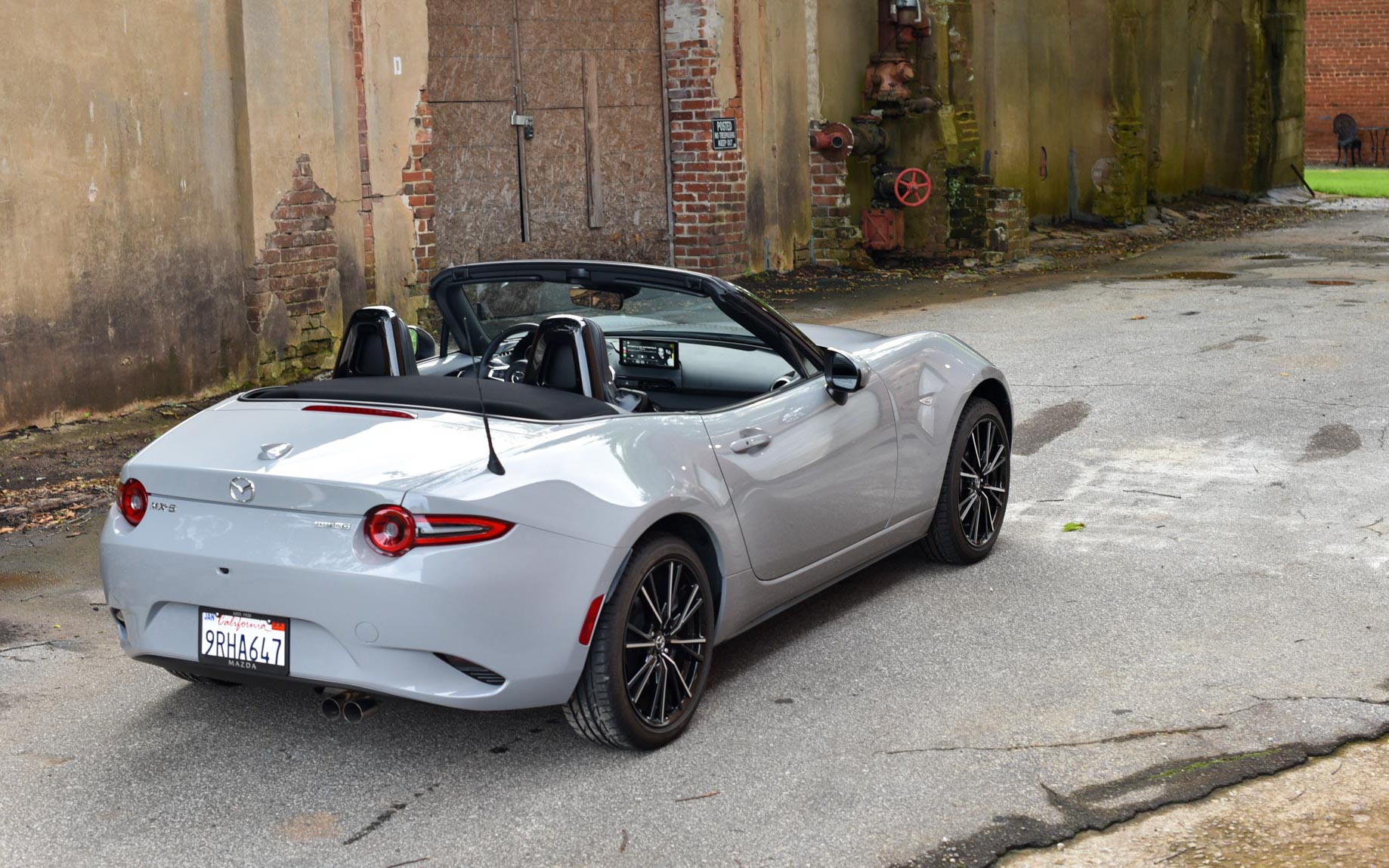
The Mazda Miata has become the benchmark…
And it’s become one of the best-selling roadsters of all time – crossing generations, demographics, and continents. And through every model – NA, NB, NC, ND – Matano’s fingerprints are still there. The playful proportions, the lightness, the balance… it never wavered. Isn’t it interesting that Mazda’s halo car, for decades running, is actually one of their more affordable cars?


It’s why the Mazda Miata survived when so many other sports cars faded out…
The Miata wasn’t designed for mass-markets… it was designed for people. A car company – designing a car – for people who really love to drive cars. It seems like a simple concept, yet it’s anything but. And that’s Tom Matano’s legacy: a car that makes car people smile. Smiles > spreadsheets.
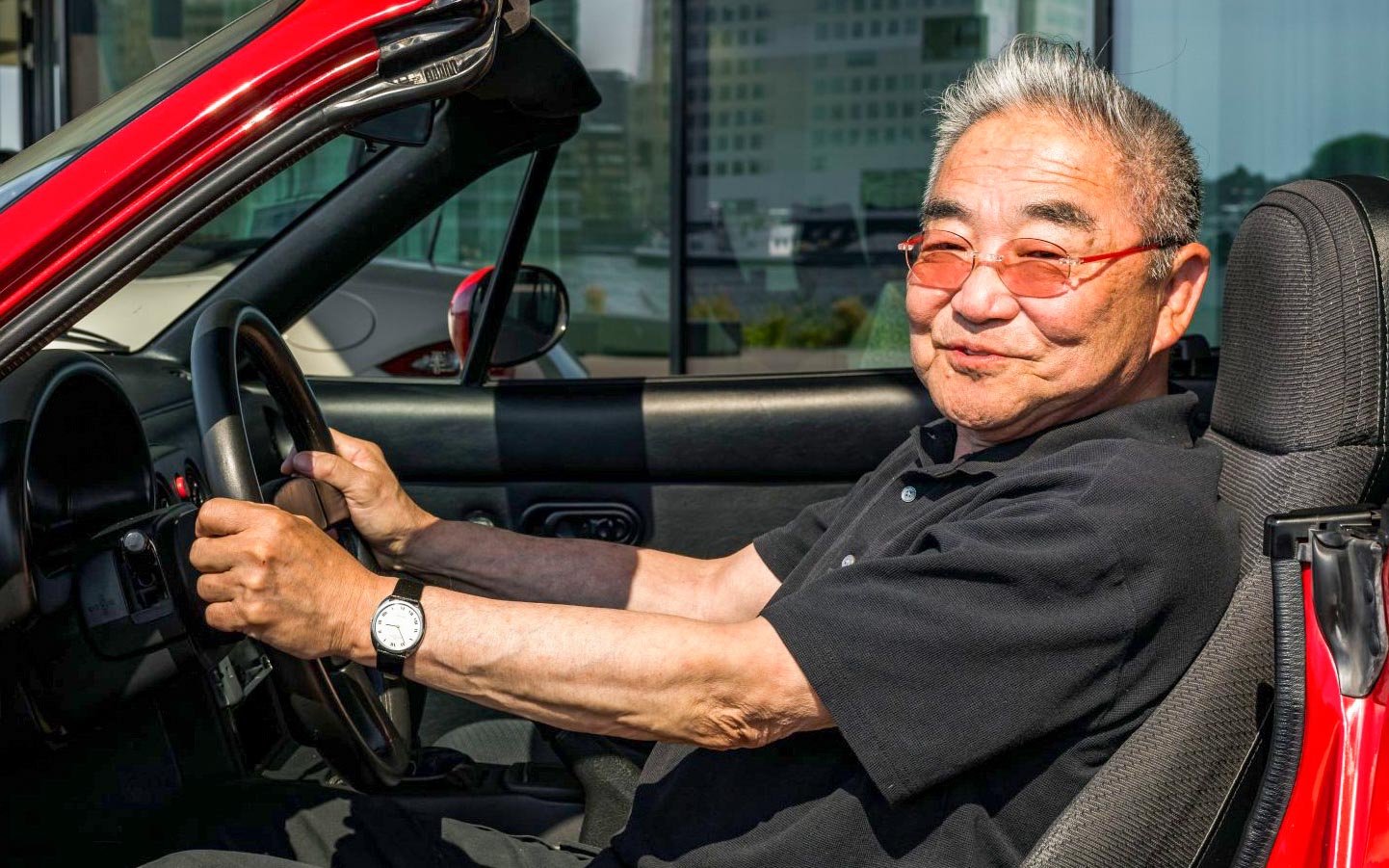
Tom Matano passed away at 77…
Leaving behind a quieter – but no less important – legacy than some of the bigger names in automotive history. He didn’t build empires, and he didn’t pound tables. Rather, Tom Matano sketched joy into the hands of drivers. And he remained connected to the Miata community until the end – signing cars, attending events, and shaking hands with owners. He knew what the car meant.


In a world where driving is transitioning to mobility…
And where cars are getting heavier & less involved. The Miata still stands as a purer alternative to modern complexity. Simple, agile, light, joyful, timeless. And all of that traces back to Tom Matano. So when you see a Miata amongst regular traffic, with the top down, engine buzzing, arm catching the breeze… smile for Tom Matano’s work. That’s his spirit, and that’s his gift to us. And though he’s gone, he’ll always be riding shotgun.
-
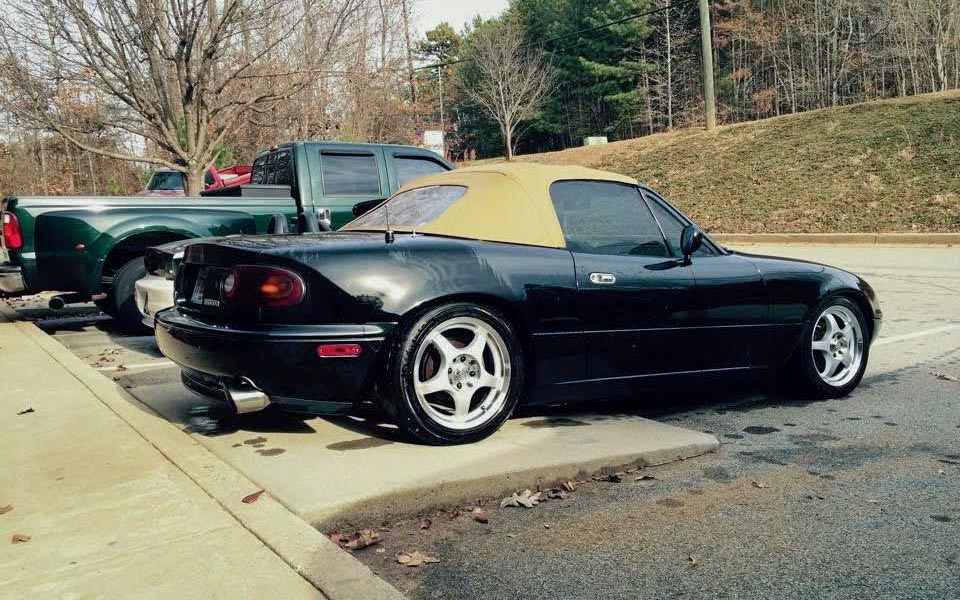
- Where David Windsor’s (author’s) love for the Miata began.
-

- Where David Windsor’s (author’s) love for the Miata began.

Related Articles…