
(Preface by Wooley; article by David Saddlebrook Windsor.) First-off, you can’t put early Porsche history in a neat package. WWII Nazi Germany was a part of it. Nevertheless – not everything can be easily filed into simple black/white… good-vs-evil categories. It was a complicated & difficult time beyond our comprehension. For example, “No Adolf Hitler, I will not build your peoples’ car because I don’t agree with-” BANG. You played your hand right, or you were cancelled. Like… cancelled cancelled. Ferdinand Porsche was a hell of an engineer. He was consumed with innovation. Maybe he was opportunistic… or maybe he saved his own skin. He wasn’t a saint, but maybe not a monster either. Ferdinand Porsche was ‘surviving’… given his time & place in one of the darkest periods in modern history. Ok let’s get to it….
Ferdinand Porsche isn’t a name you can just celebrate without wincing a little…
See, while Porsche the company sits at the very top of the automotive world, the man who started it all came from a time & place cloaked in darkness. Today, the name Porsche is a symbol of craftsmanship so refined it borders on arrogance. But the man behind it? He lived in a time where genius & evil shared the same drawing board. This series is about people from car culture we wish we could meet… but not necessarily in this case. Ferdinand Porsche is not a man I’d gleefully run up to shake hands with. But he’s a man you should know. Because to understand how Porsche became the company it is, you have to understand who built the foundation – and – what he built it on.
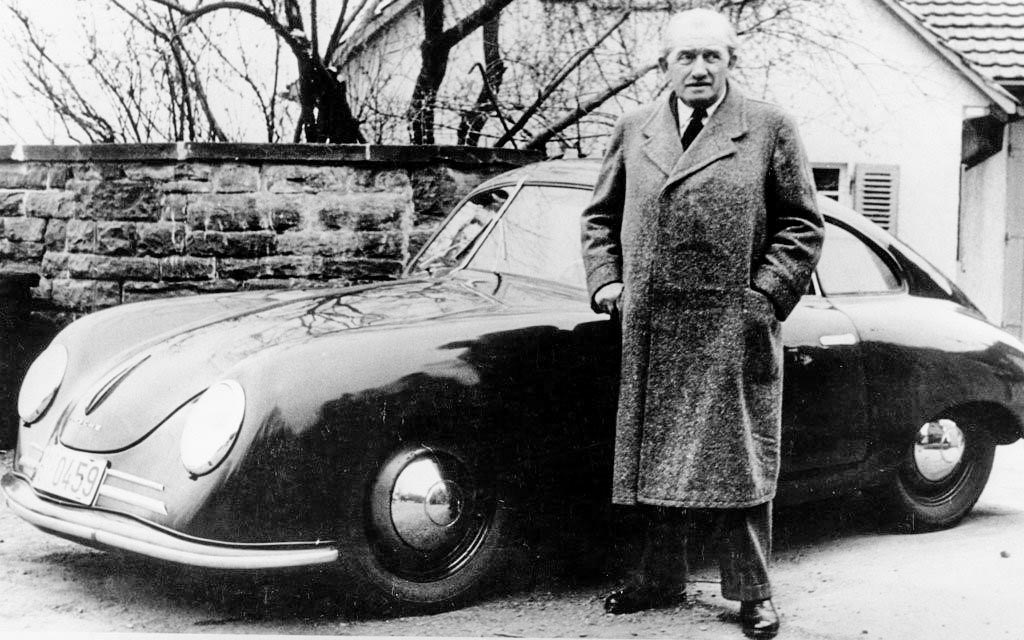
Ferdinand Porsche
Ferdinand Porsche was born in 1875 in what is now the Czech Republic (1875-1951)…
The 3rd of 5 children in a family of modest means, his father was a master panel-beater and metalworker. That meant Ferdinand grew up in an environment surrounded by tools & machinery. He was fascinated by electricity. And by age 13, he had electrified his family’s home. He wasn’t a rebel in the typical sense; he was a rebel against limitations.
By the turn of the 20th century (in his mid-20s)…
Ferdinand Porsche was already a rising star in the European automotive world. He joined Lohner, an Austrian coachbuilder, and designed something unheard of: The Lohner-Porsche Mixte… a hybrid. This was 1900 mind you – and the car had electric hub motors powered by a gasoline engine that acted as a generator. Essentially, it was the first hybrid vehicle ever made. He also experimented with all-wheel drive and regenerative braking. To reiterate – this guy was playing with EV and AWD technology when Henry Ford was still figuring out mass production. The man was generations ahead of his time, and his engineering brilliance was undeniable.

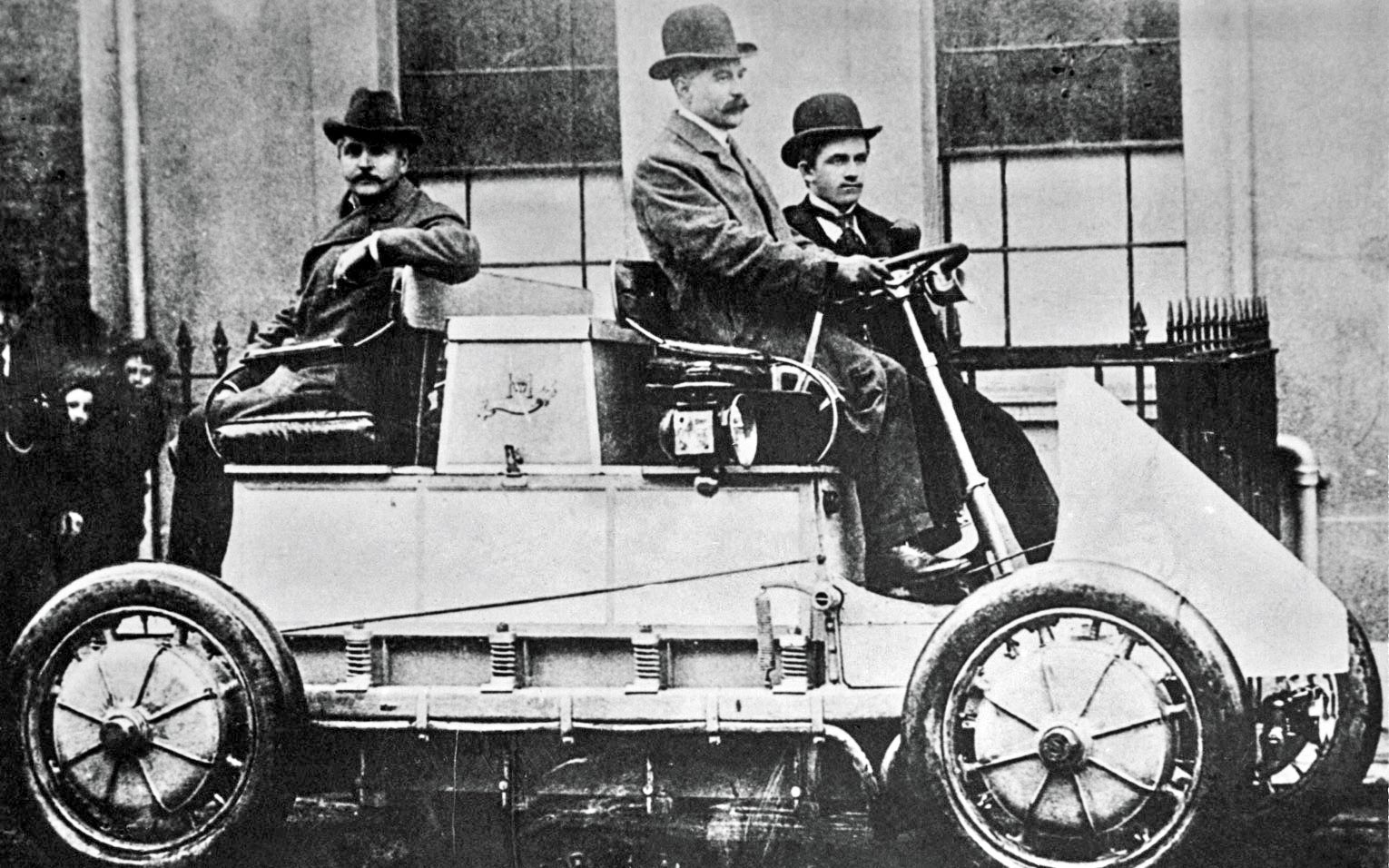
Ferdinand Porsche (front passenger)
Ferdinand Porsche later worked for Daimler and Austro-Daimler…
Designing race cars that dominated European circuits. By the 1920s, he was one of the most respected automotive engineers on the continent. He was known for his brilliance, ego, and a “my way or the highway” mentality that rubbed both bosses & governments the wrong way. (PS: You read that like Fred Durst didn’t you.)
But here’s the dark side to the story… the Shadow of the Reich that can’t be ignored.
By the 1930s, Ferdinand Porsche’s talent caught the eye of Adolf Hitler. The two met in 1934 when Hitler was looking to build a Volkswagen – literally translated, a “people’s car.” Something cheap, simple, reliable, and able to carry a family of four at 60 mph. Hitler wanted it to symbolize Germany’s technological might, and Ferdinand Porsche was the man for the job. Porsche designed what would become the Volkswagen Beetle, a car that would outlive its origins to become one of the most lovable, successful & recognizable cars in history. Make no mistake though, its creation was under the banner of Nazi Germany.
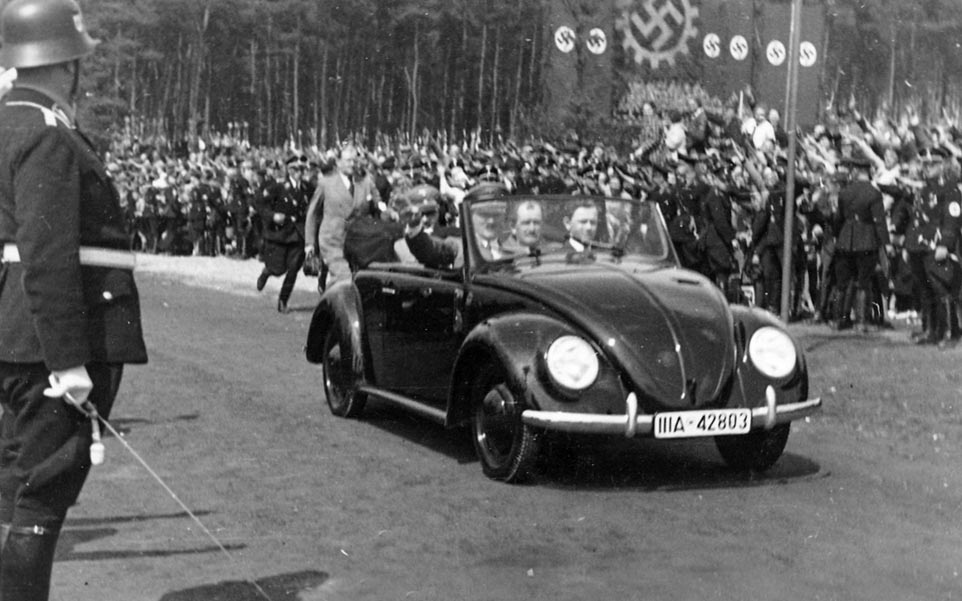
Ferdinand Porsche wasn’t just a bystander in that regime…
He joined the Nazi Party, wore the SS uniform, and his company profited heavily from war contracts. During World War II, Ferdinand Porsche’s designs included tanks like the Tiger and Elefant, which were built using forced concentration-camp labor. Ferdinand Porsche was a genius – but a genius who helped fuel a war-machine that left millions dead. There’s no way to soften that chapter of history. When WWII ended, the world flipped upside down. The Allies seized (and oversaw) Germany’s factories, and Ferdinand Porsche was arrested by French authorities on suspicion of war crimes. He was never formally convicted, but he spent 20 months imprisoned without trial. During that time…

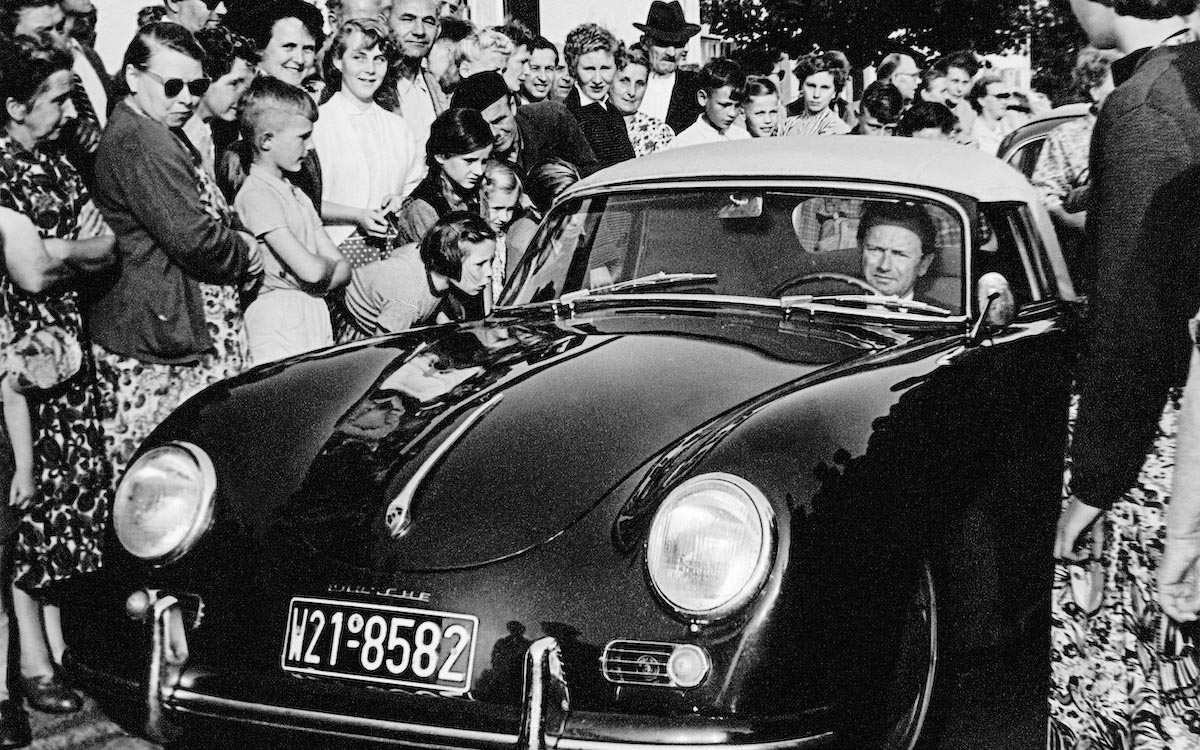
Ferry Porsche in a 356
His son, Ferry Porsche, took over the business…
It was Ferry (Ferdinand Anton Ernst Porsche, 1909-1988) who carried a brighter torch forward. Ferry Porsche designed the first car to bear the Porsche name. That car is known as the Porsche 356. Early iterations were hand-built in a tiny shop in Gmünd, Austria. They were light, agile, pure, durable sports cars… with a rear-mounted boxer engine. The 356 was the spiritual starting-point of everything that makes a Porsche a Porsche.
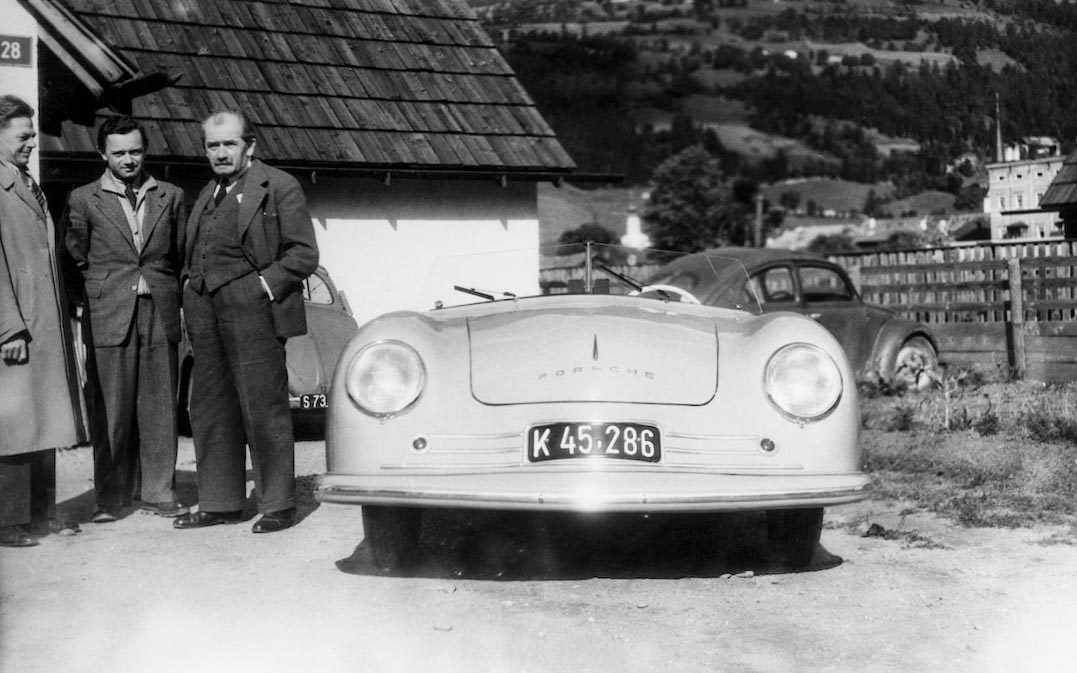
Ferdinand Porsche (above)
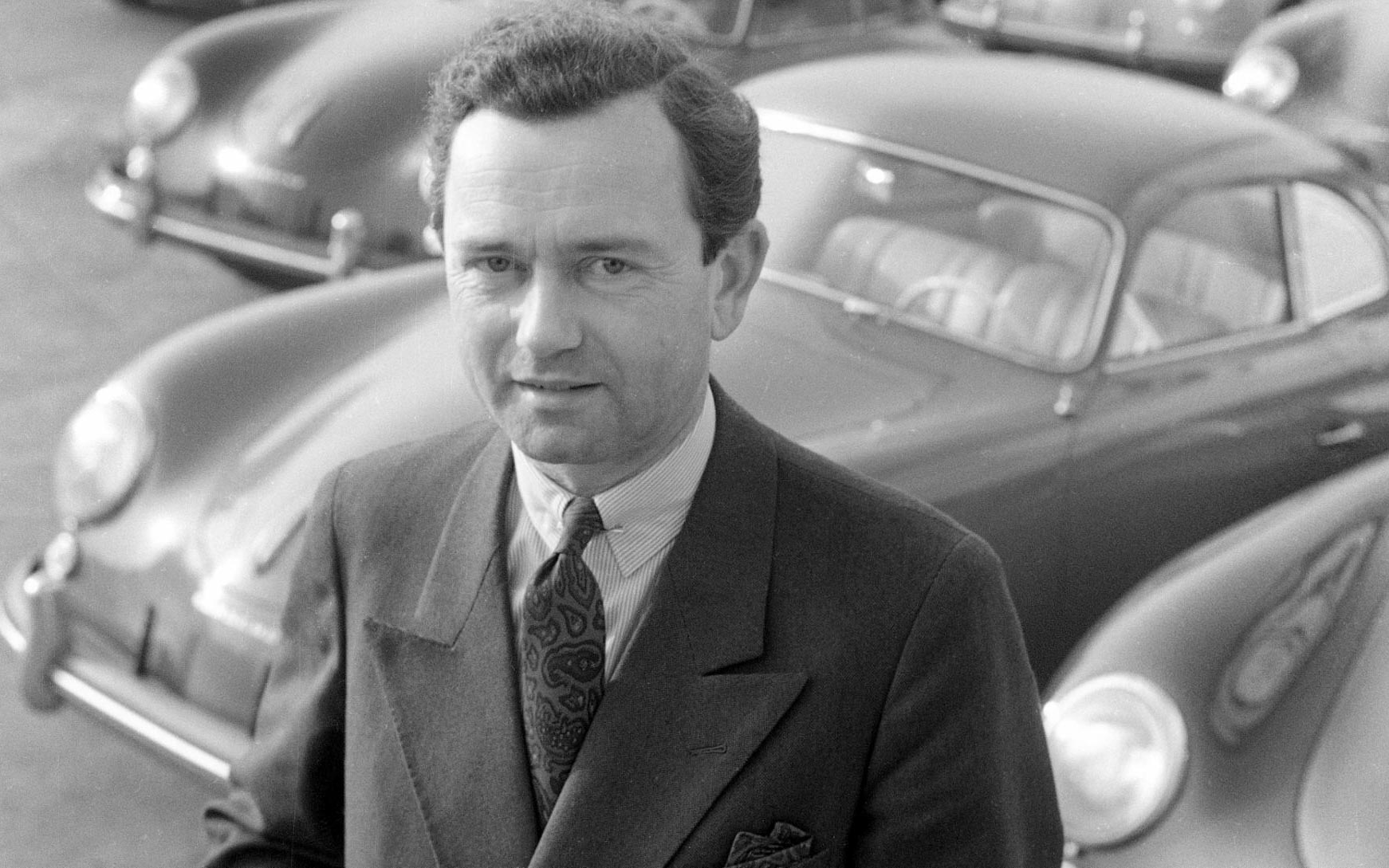
Ferry Porsche
Ferdinand Porsche was released in 1947…
And helped with early 356 projects. A few year later, however, Ferdinand suffered a stroke, and died in early 1951 at 75 years old… before Porsche the company truly found its stride. It’s interesting – because even though Ferdinand Porsche’s personal legacy is complicated, the company that carried his name became extraordinary. Under his son, Ferry Porsche, the Porsche 356 thrived. And it would be Ferry’s son, Ferdinand Alexander Porsche (nicknamed Butzi, 1935-2012), who brought the Porsche 911 to market.

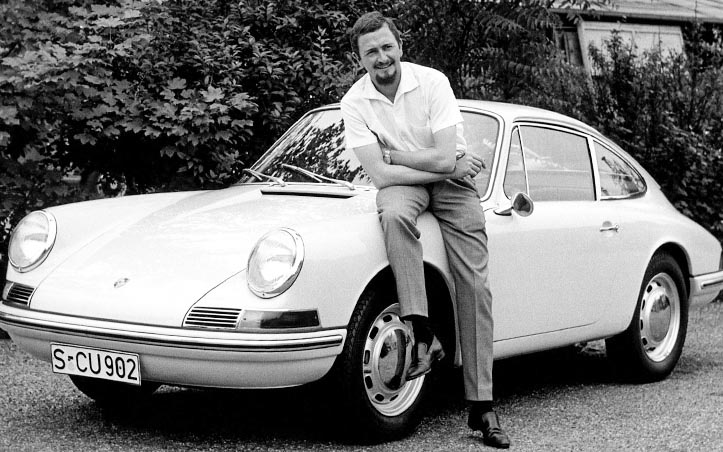
Butzi Porsche
The Porsche 911…
Entered production in 1964, and defined/redefined performance engineering. Its rear-engine layout – once seen as a flawed design – became a trademark of Porsche’s identity. Decade after decade, the 911 evolved… but never lost its essence of precision, balance, and driver-feedback. It’s one of the few cars that can outlive fashion and still be the measuring stick.
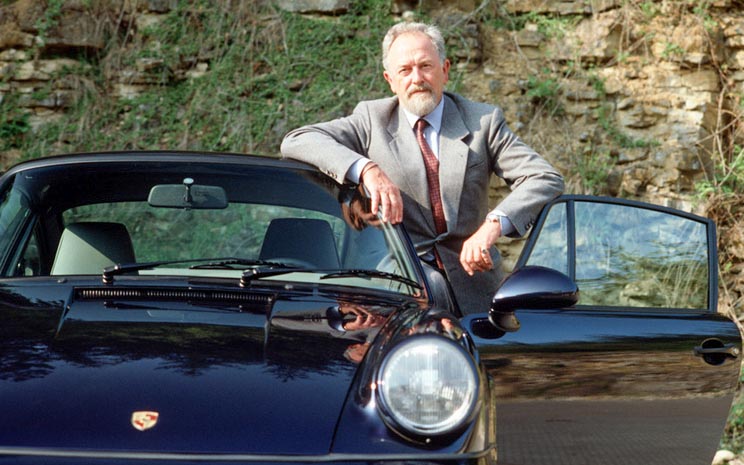
Butzi Porsche
The Porsche 959…
Was a technological marvel that introduced active aerodynamics, variable all-wheel drive, and sequential turbos back in the 1980s. It was a rolling science experiment that influenced supercars for decades.
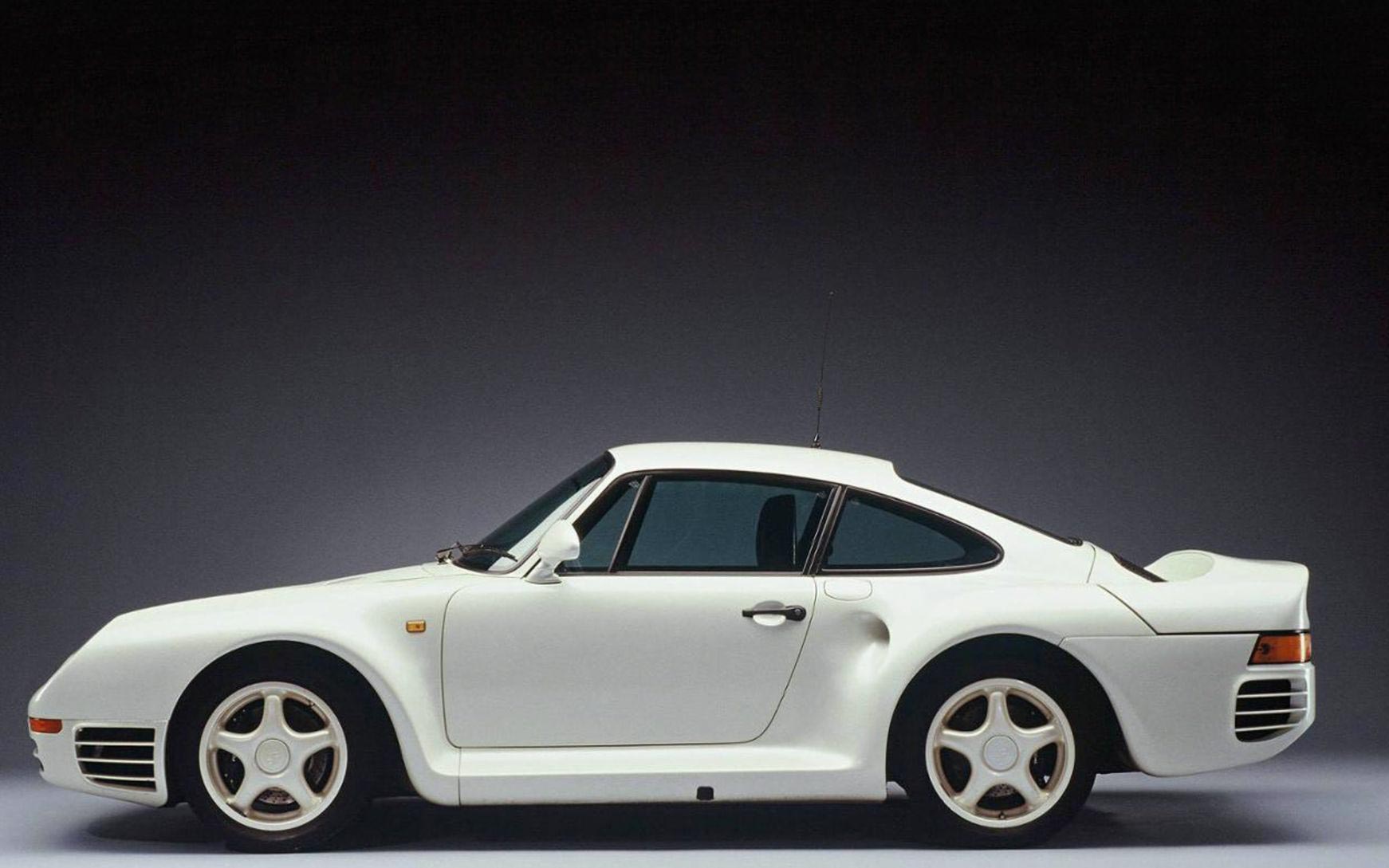
Porsche 959 (above)
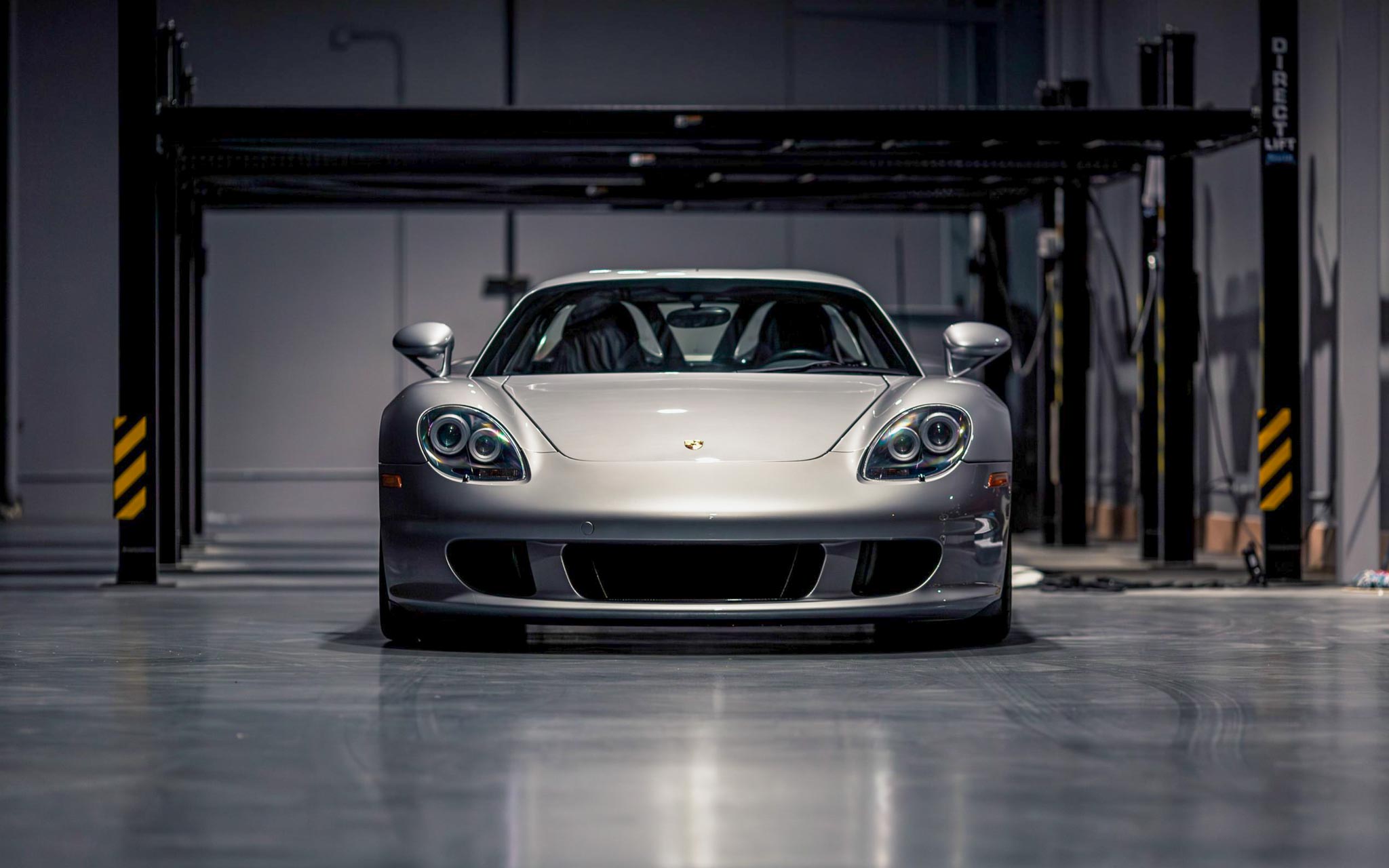
Carrera GT
The Carrera GT…
With its F1-derived V10, proved that Porsche could build something truly terrifying and beautiful. And then the 918 Spyder, which brought hybrid technology full circle – is a modern echo of Ferdinand Porsche’s 1900 Lohner hybrid.
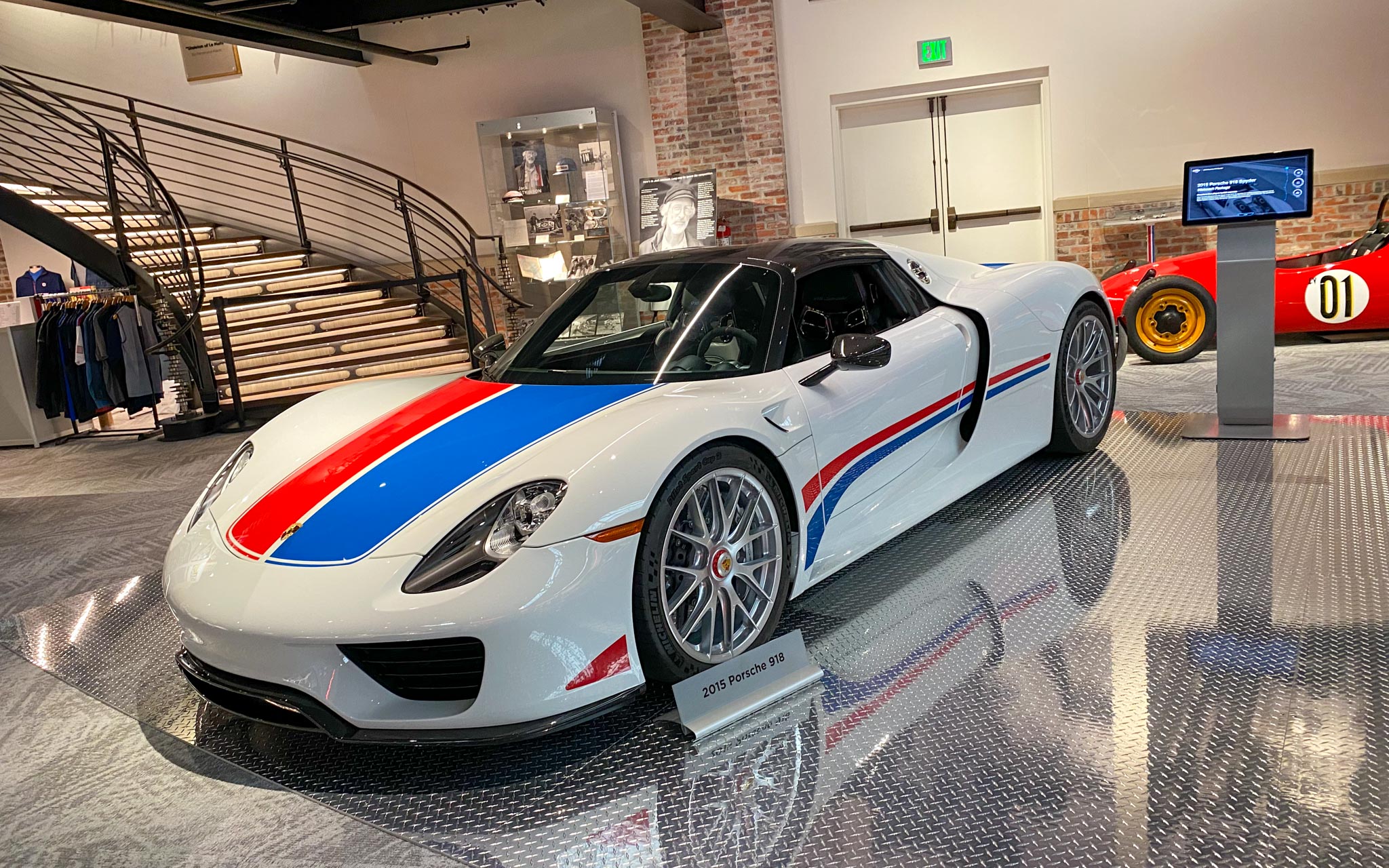
Porsche 918
Today, Porsche dominates not just the road but the racetrack. The 919 Hybrid rewrote endurance racing history, crushing LeMans and proving once again that Porsche engineers live a few years in the future. The 919 Evo even broke the Nürburgring record, once thought unbreakable.
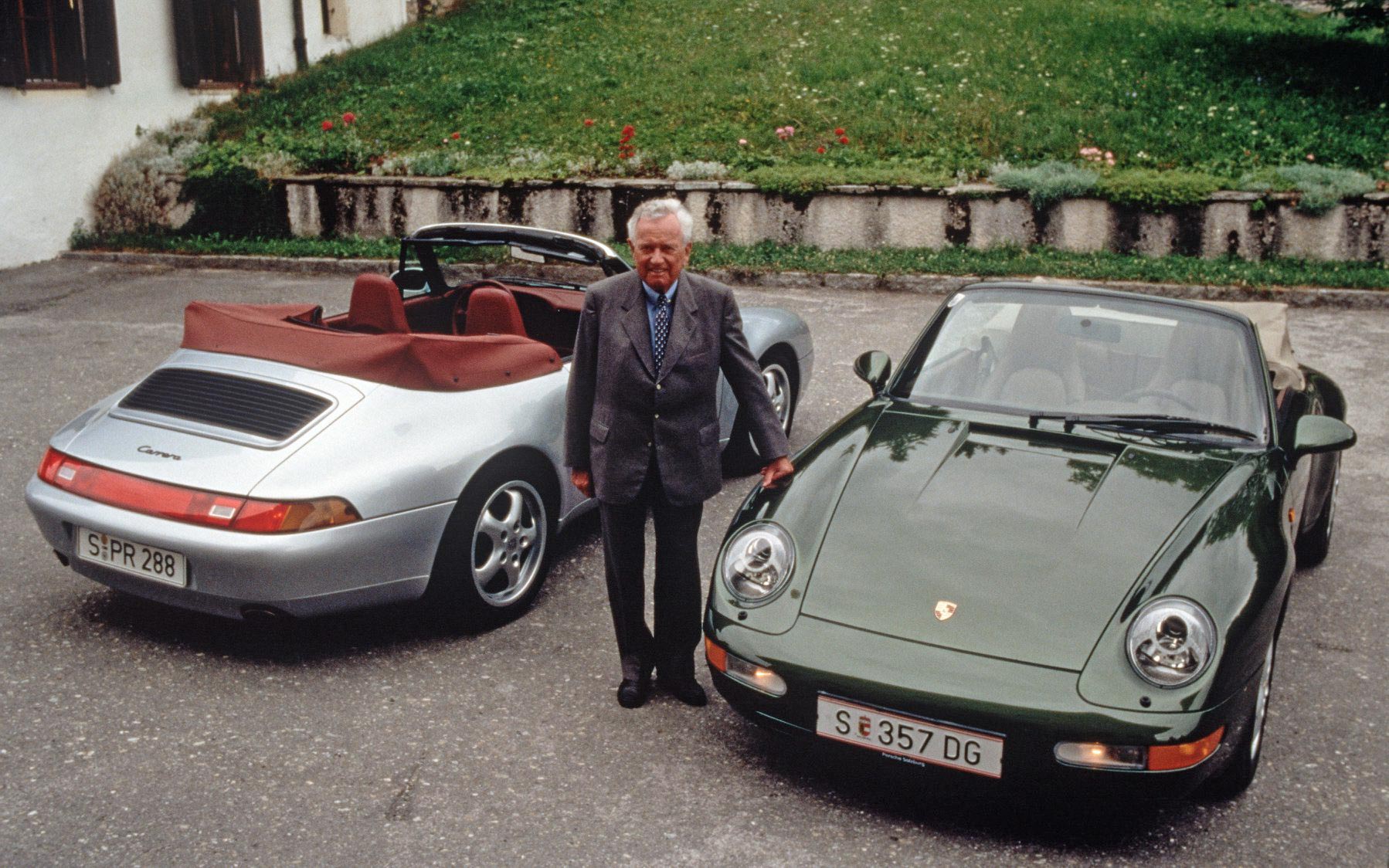
Ferry Porsche in the 1990s
Ask any engineer at Porsche what their mission is, and they’ll likely say something like:
We don’t build cars, we build experiences. Every Porsche is designed with a concept the company calls “Intelligent Performance.” That means: Engineering that pushes physics to its edge without losing balance. Porsche is one of the few brands that can build an electric car, an SUV, and still the 911 (for 60+ years running), and somehow make all 3 feel related. Not just to each other, but to the original as well. That’s legacy. And here’s the paradox…
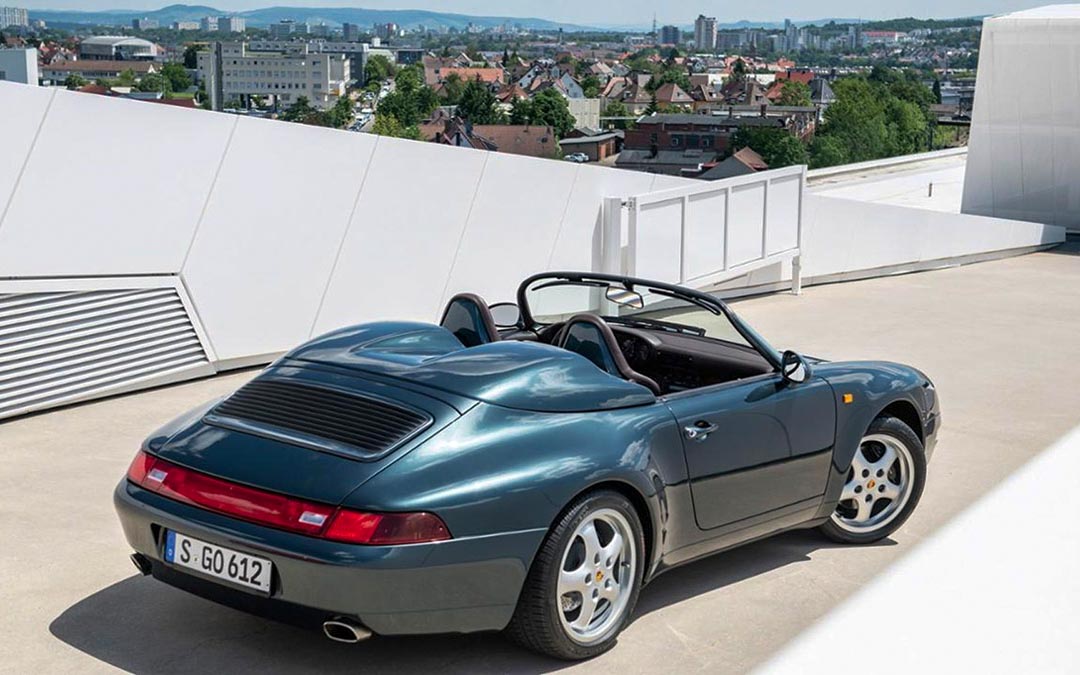
1 of 2 Porsche 993 Speedsters. This one belonged to Butzi, the other was for Jerry Seinfeld.
-
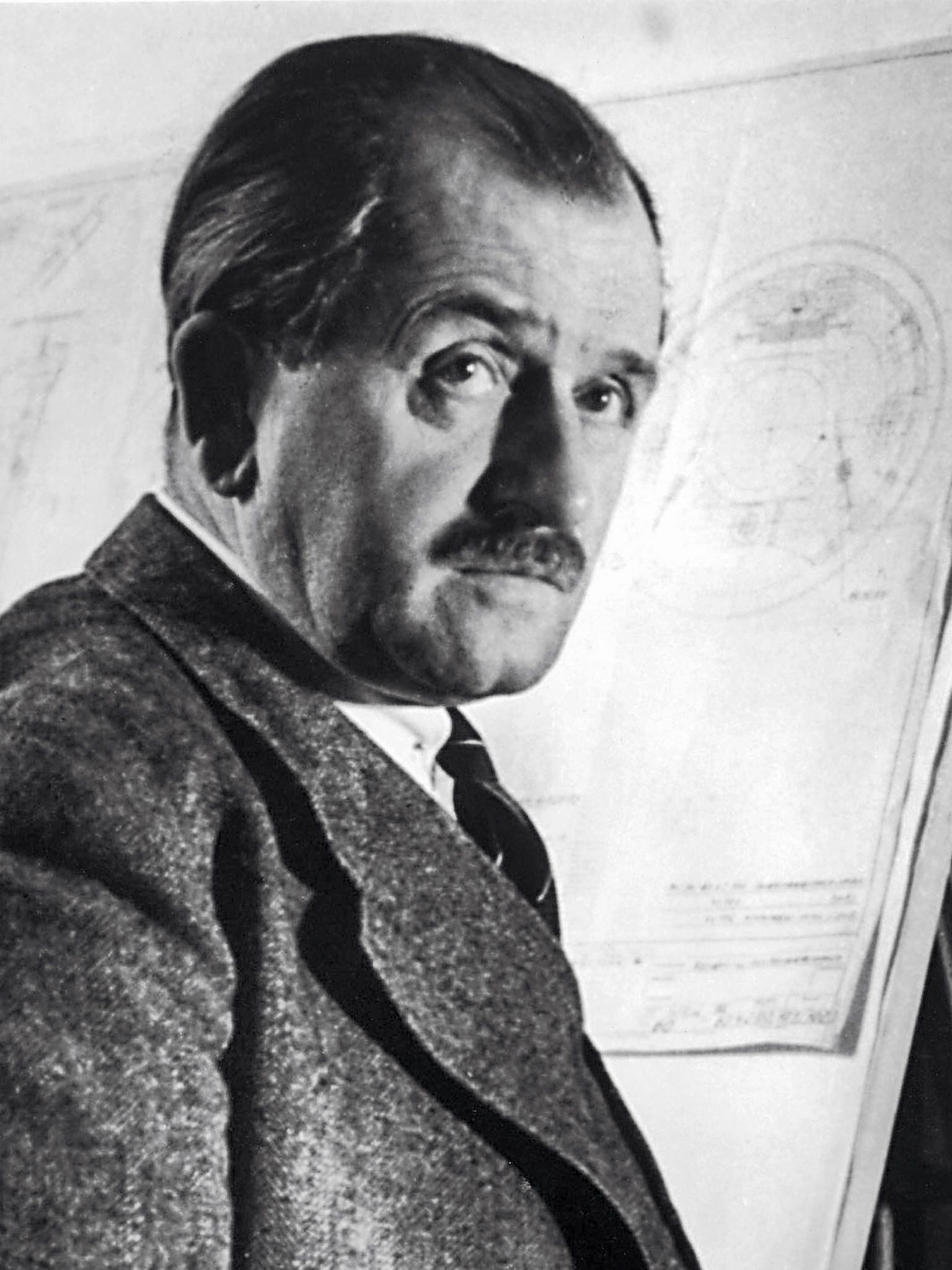
- Ferdinand Porsche
-
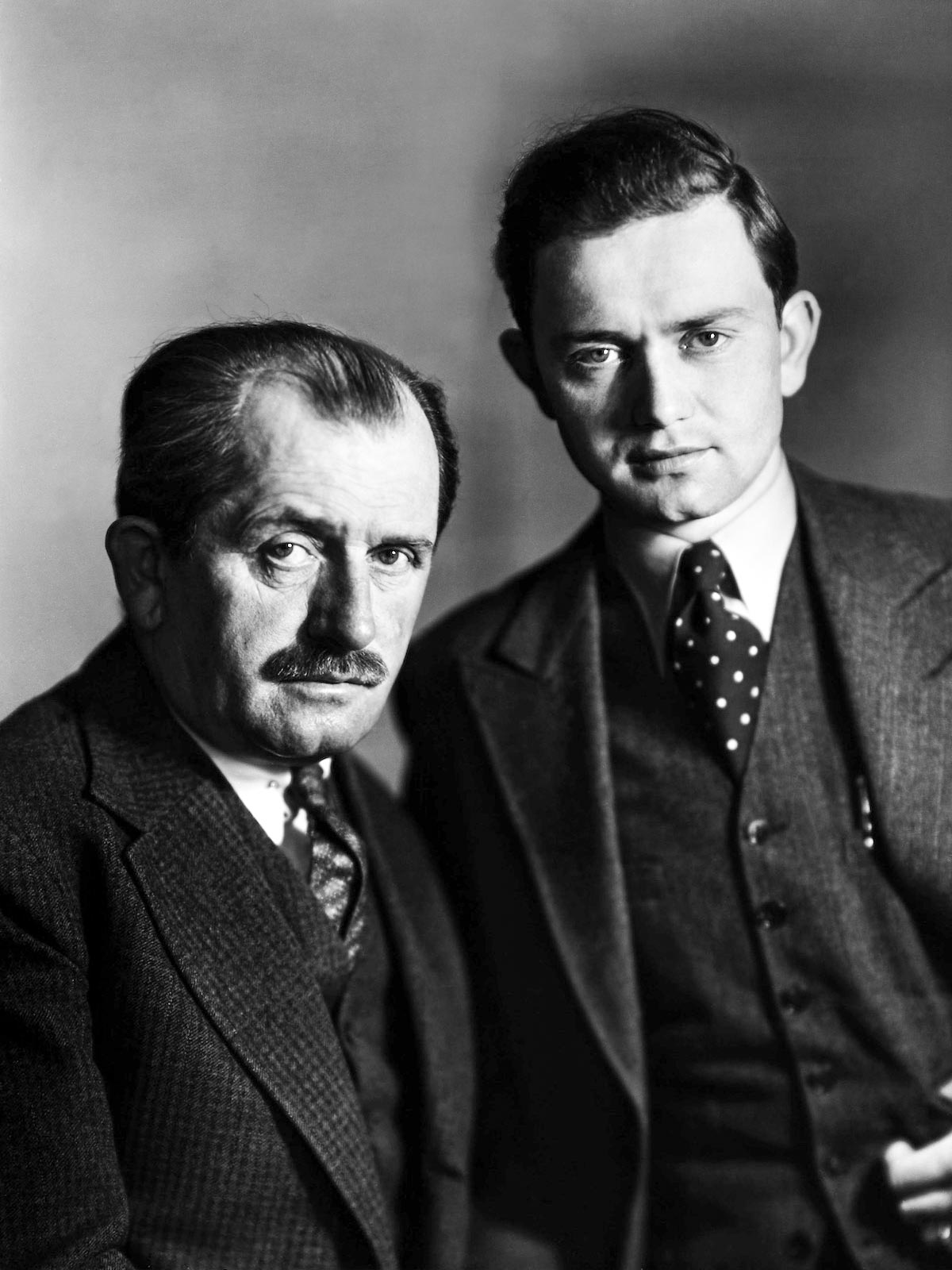
- Ferdinand & Ferry Porsche
Ferdinand Porsche was both one of the greatest minds in automotive history…
And also a man tied to the wrong side of history. You can’t separate the two. But you can recognize that the company carrying his name evolved into something beautiful & inspiring. Porsche the man may have helped build machines of war, but Porsche the company builds sports cars that make people feel alive. That’s the irony… and maybe the redemption. Ferdinand Porsche’s story shows both sides of what human brilliance can create. Beauty & horror – progress & pain. He was a visionary; not a hero. He built incredible machines, at a terrible cost. And yet, from those ashes rose one of the most revered sports car companies in the world. That’s the story & lesson of Ferdinand Porsche.

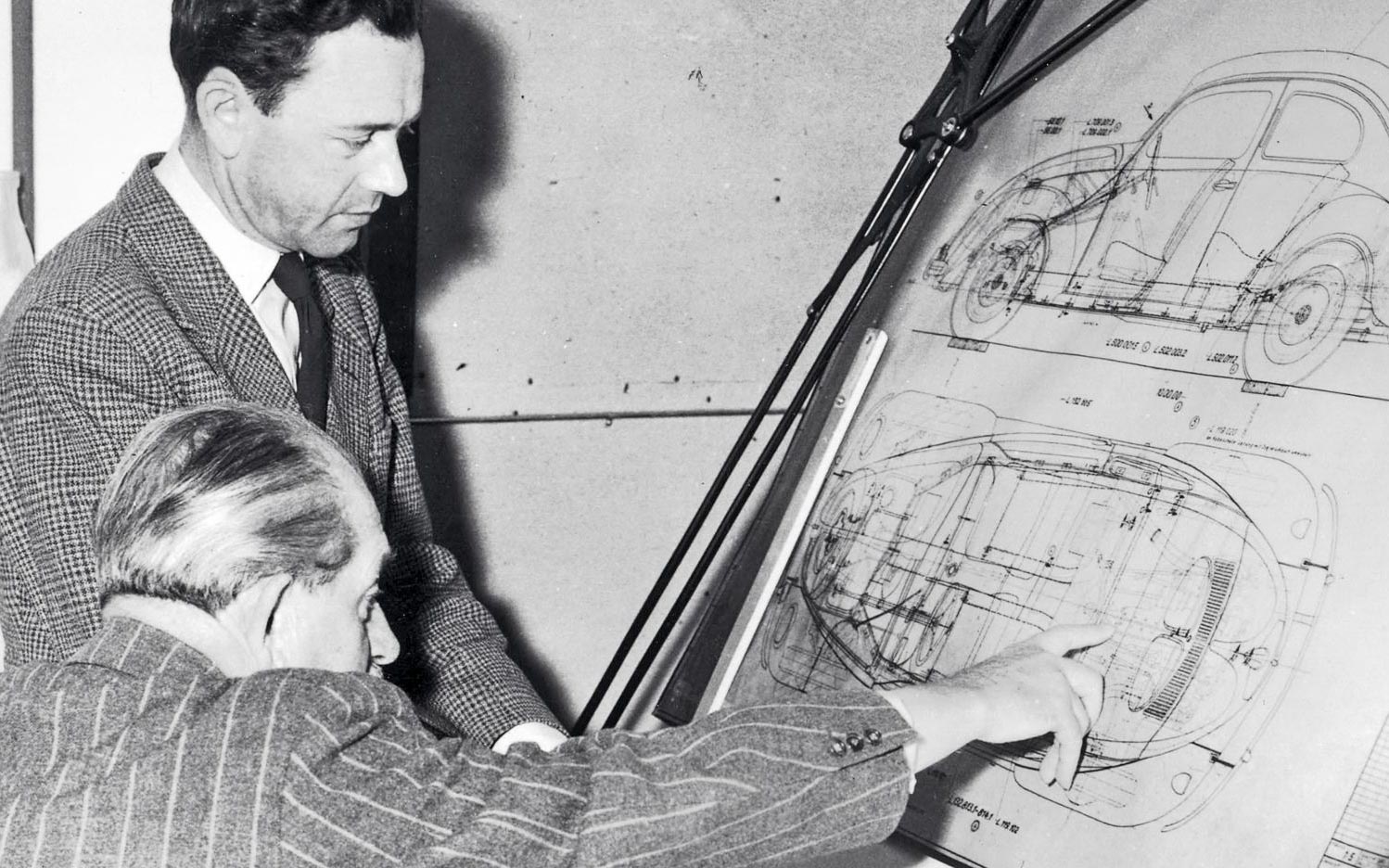
Ferdinand & Ferry Porsche