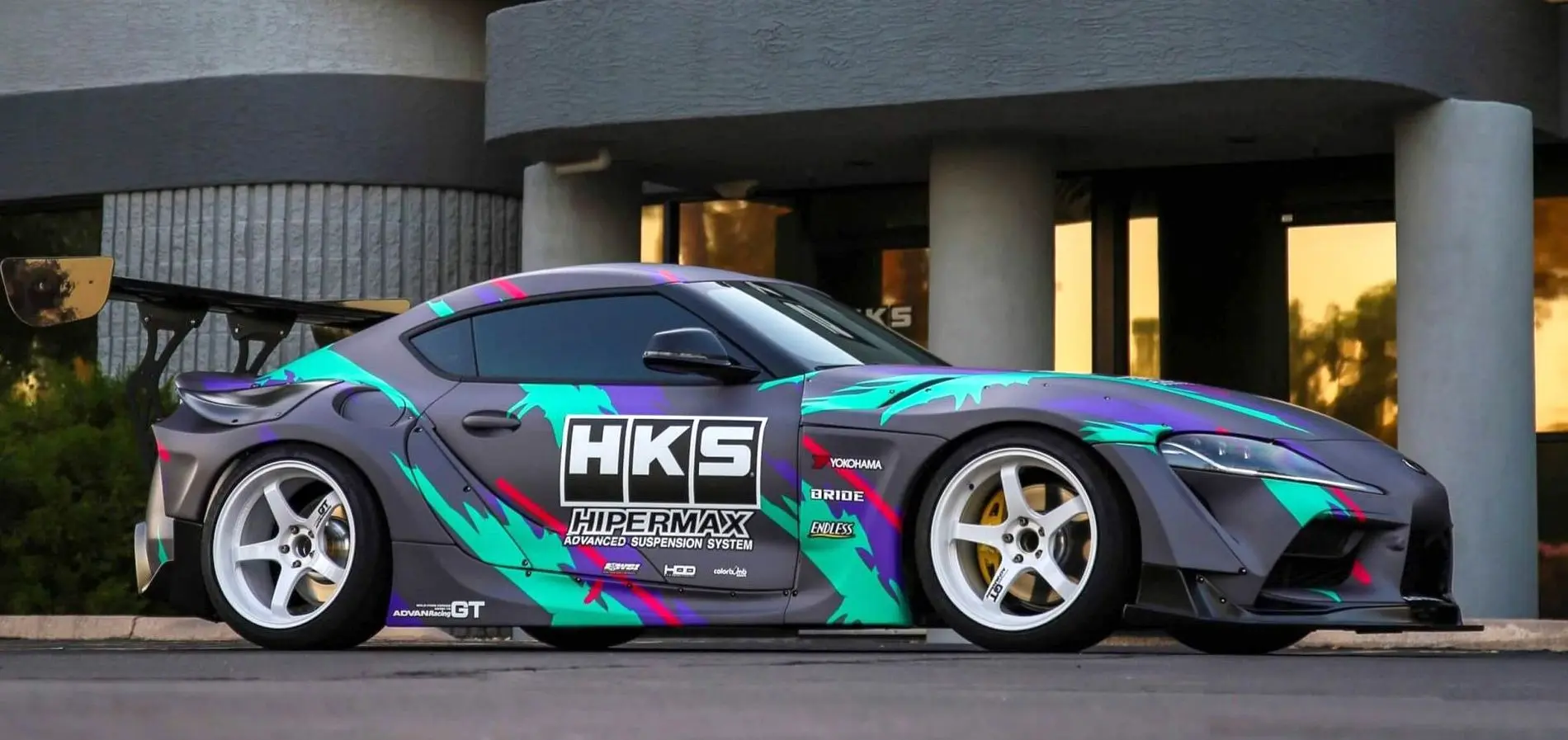
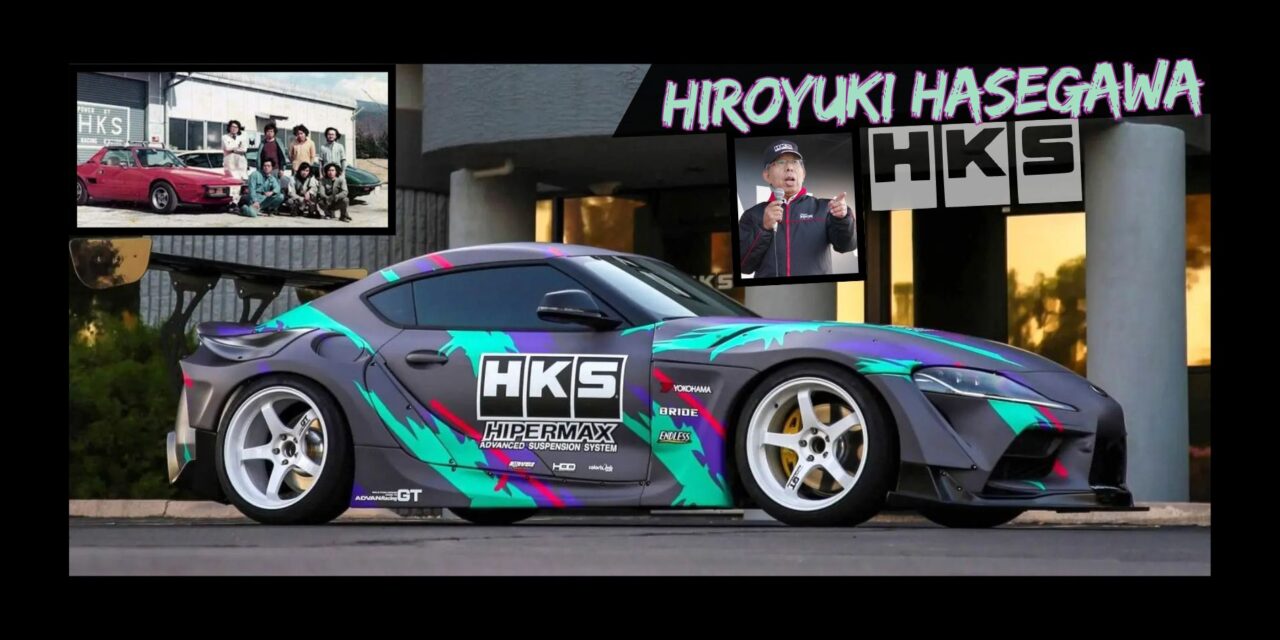

There are names in car culture that carry mythic weight. Shelby. Enzo. Smokey Yunick. But if you grew up in the Japanese tuning world – or even just played Gran Turismo – there’s another name burned into your brain in 3 simple letters: HKS. That purple & green oil-splash logo didn’t just decorate cars; it was a warning label. If you saw it on a Civic, Supra, or Skyline… you knew that thing wasn’t stock. But behind that HKS logo was a man – Hiroyuki Hasegawa. The “H” in HKS. A quiet, stubborn engineer who – quite frankly – helped write the rulebook for modern tuning.
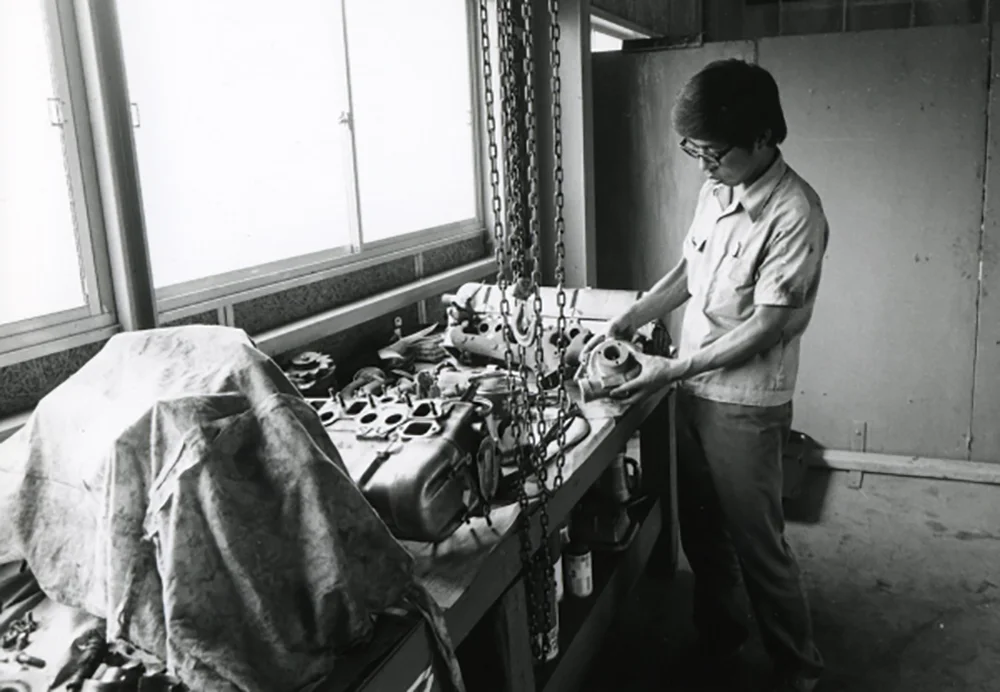
Hiroyuki Hasegawa wasn’t born with global recognition in his sights…
He was an engine engineer at Yamaha in the early 1970s, back when Japan’s automotive scene was exploding with possibility. Nissan had the Z-car. Toyota had the Celica & Corolla. Mazda was playing with rotaries. And the Skyline GT-R was building its legend on the racetrack. But the aftermarket was still the Wild West. If you wanted more power, you either begged the factory… or you bolted-on some sketchy garage-built contraption that might last until lunchtime.

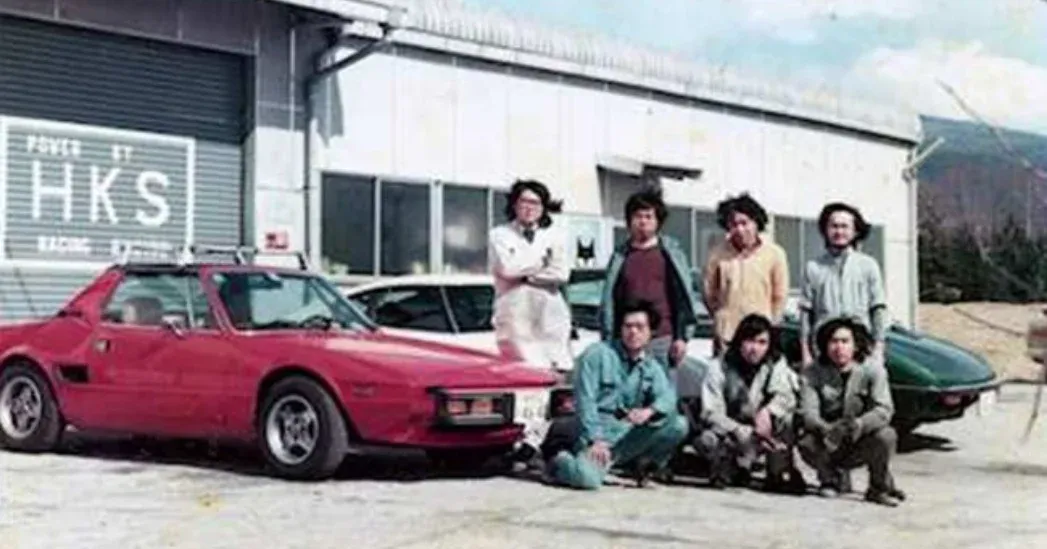
Hiroyuki Hasegawa saw a gap…
People wanted speed, and no one was giving it to them in a reliable, engineered way. So in 1973, Hiroyuki Hasegawa teamed up with his friend Goichi Kitagawa (the “K”) and financial backer Sigma Automotive (the “S”). Together, they started HKS in a shed at the foot of Mt. Fuji. And like all great legends, they started humbly & grassroots. The first HKS product was a turbo kit for the Nissan Skyline L20 engine. Let’s pause here. Because in 1973, “turbo” wasn’t a word you casually dropped at a cars-and-coffee. Turbos were exotic, fragile, and associated more with airplanes than family sedans. Most people thought strapping one to your daily driver was like juggling grenades with the pins half-pulled. But Hasegawa engineered a system that worked. It didn’t blow up. And it didn’t cook itself. Rather, it made reliable, repeatable power. And suddenly, ordinary Japanese cars weren’t just commuters. They were sleeping giants… waiting to be woken up.
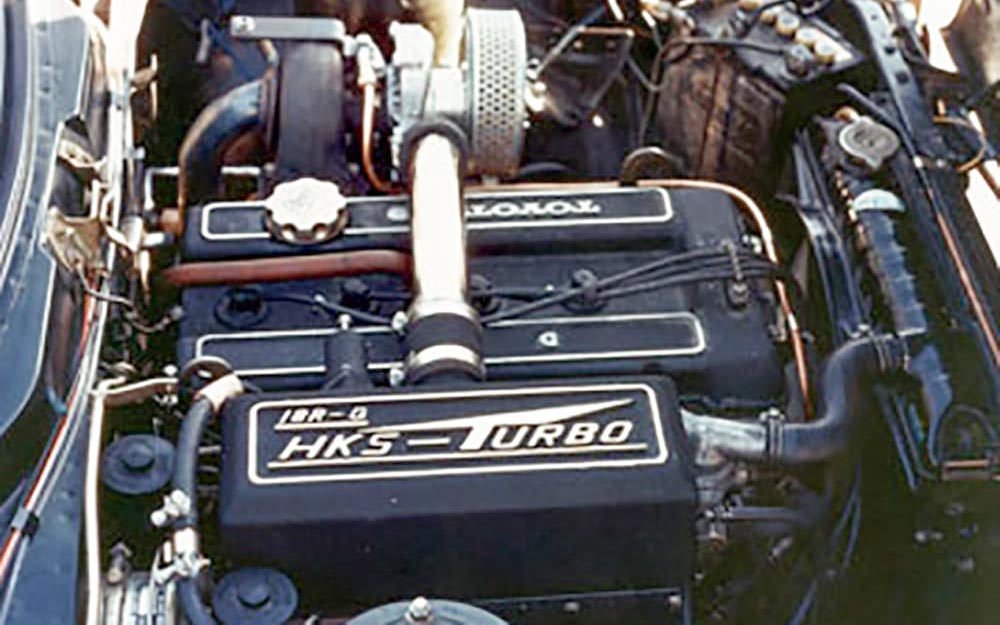
That first HKS turbo kit didn’t just sell parts – it sold possibility.
And in a large part, it kicked the door open for everything that followed. Soon thereafter, HKS became the name in Japanese tuning. If you wanted speed, you wanted HKS. They weren’t just cobbling parts together; Hasegawa demanded OEM-level rigor. Flow benches, metallurgy testing, dyno verification. This wasn’t backyard tinkering, it was engineering with capital letters. HKS pioneered Japan’s first aftermarket turbo kit (that Skyline L20). They also pioneered programmable engine management before “standalone ECU” was common vocabulary. HKS stroker kits and complete race engines were built to handle power-levels that would turn factory blocks into scrap.

-
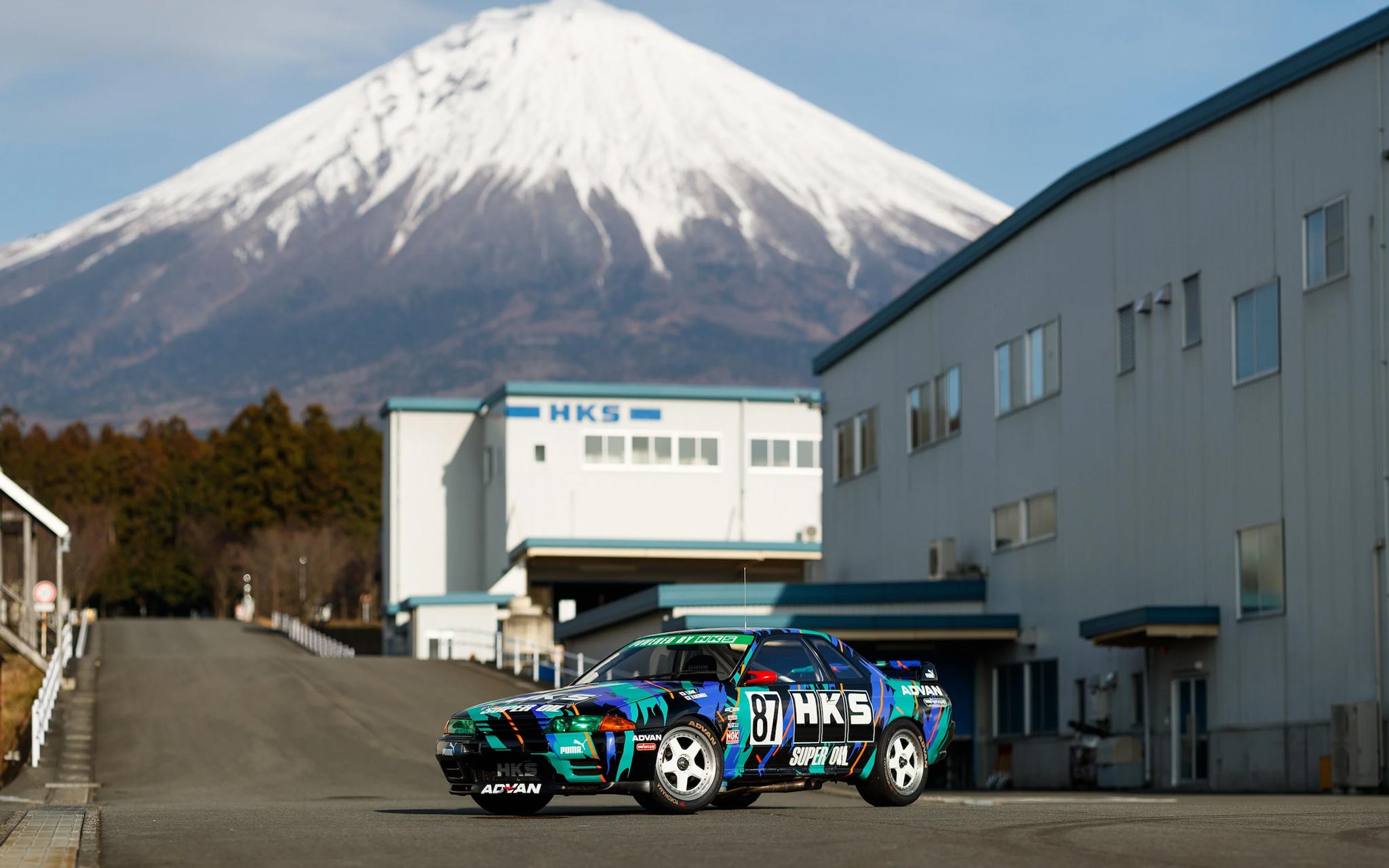
- Photo by Larry Chen
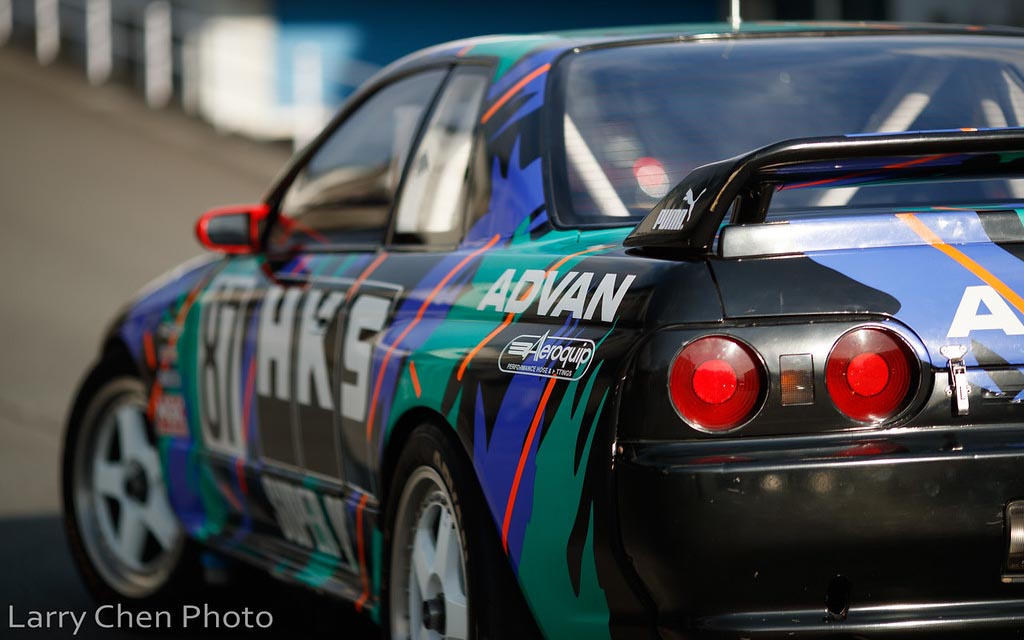
By the ’80s and ’90s, an HKS sticker wasn’t just style & decoration… it was a threat.
Like Soichiro Honda, Hasegawa believed racing was the best test lab. HKS demo cars became legends in their own right. The HKS Drag Supra was one of the first Japanese cars to run 7s in the quarter mile. The HKS R32 Skyline GT-R became a monster, tuned to prove just how far Godzilla could go. Time-attack HKS Silvias and Evos tore apart lap records at Tsukuba and beyond. And these weren’t just marketing tricks. They were torture tests. Hasegawa’s philosophy was simple: If it survives at full-send, it’ll survive on the street. That mindset bled into every part HKS sold. Racers trusted it, tuners swore by it, and kids like us grew up staring at HKS catalogs like they were scripture. (See Larry Chen’s shoot of the HKS R32 Skyline.)
Here’s the contrast with someone like Soichiro Honda:
Hasegawa wasn’t loud or theatrical. He didn’t mock his employees or storm into meetings in oil-stained coveralls. He was quieter. More measured… but no less stubborn. What set him apart was his conviction that the aftermarket deserved the same respect as OEMs. A turbo kit wasn’t just some backyard hack job. It was a piece of engineering that deserved durability testing, proper metallurgy, and design you could trust your engine with. That belief shaped HKS into a company that outlasted almost every other tuner brand of its era. While others came and went, HKS became the standard.
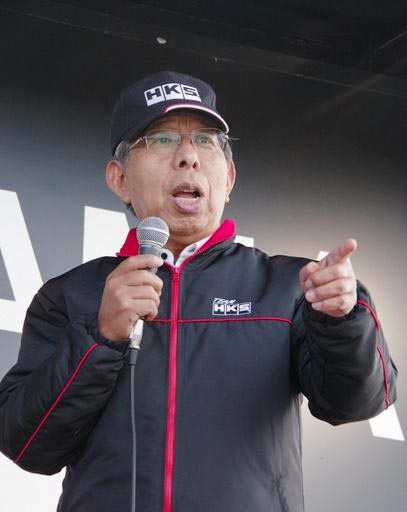

It’s hard to overstate just how deep HKS ran in car culture…
In Japan, HKS became a cornerstone of the tuning scene. Abroad, thanks to video games like Gran Turismo and the explosion of import culture in the ’90s, HKS achieved cult status. That purple-and-green “oil splash” livery became as iconic as Gulf or Martini racing stripes. You didn’t even have to know what HKS stood for – the logo itself carried weight.
Today, HKS is still at it – selling turbos, superchargers, suspension kits, ECUs, even full crate engines. They’ve expanded into everything from drift-support to time-attack to drag racing. And while Hiroyuki Hasegawa isn’t with us anymore (1945-2016), his legacy is everywhere… continuing to inspire us. He proved that “aftermarket” didn’t have to mean “sketchy.” It could mean engineered. Trusted. Respected. He gave tuning legitimacy, both in Japan and worldwide. If Soichiro Honda gave Japan its backbone, then Hiroyuki Hasegawa gave it lungs that could scream. Without him, the tuning culture we love… would never have looked the same.
Article by David S. Windsor