

Buying a car is a big decision. With so many models, trims, and features available, it can get confusing fast. But one thing makes the choice easier: knowing how the car will fit into your life.
Your daily routine should guide your decision. If you drive long distances every day, you’ll want something fuel-efficient and comfortable. If you’re hauling kids, sports gear, or groceries, space becomes a top priority. Even small things like how often you parallel park or how many people ride with you each week can help narrow down your options.
The right car isn’t always about the latest trend or biggest engine. It’s about finding a match for your lifestyle. That way, your vehicle works with you, not against you. In this article, we’ll walk through practical things to think about so you can pick a car that fits your needs, not someone else’s.

Match the Car to Your Everyday Needs
Start by thinking about your regular routine. What does a typical week look like for you? If you have a short daily commute and don’t carry many passengers, a compact vehicle might do the job. If you’re often shuttling kids to practice, picking up bulk groceries, or heading out on road trips, a roomier option makes more sense.
Fuel economy, ride comfort, and interior layout are also important considerations. Some drivers want good mileage above all else. Others need a quiet, smooth ride for long drives or stop-and-go traffic. Then there are drivers who care about storage options and cargo space first.
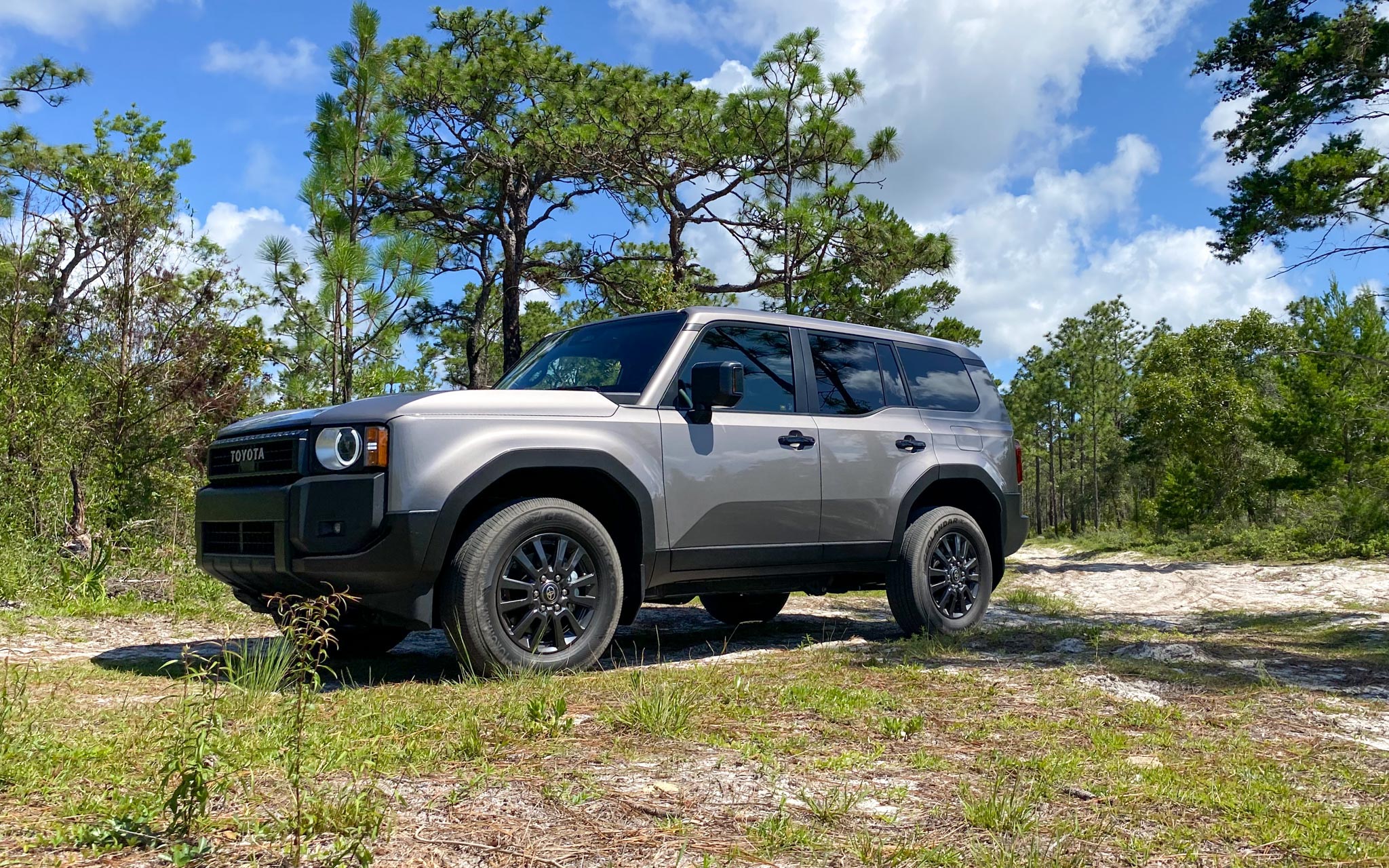
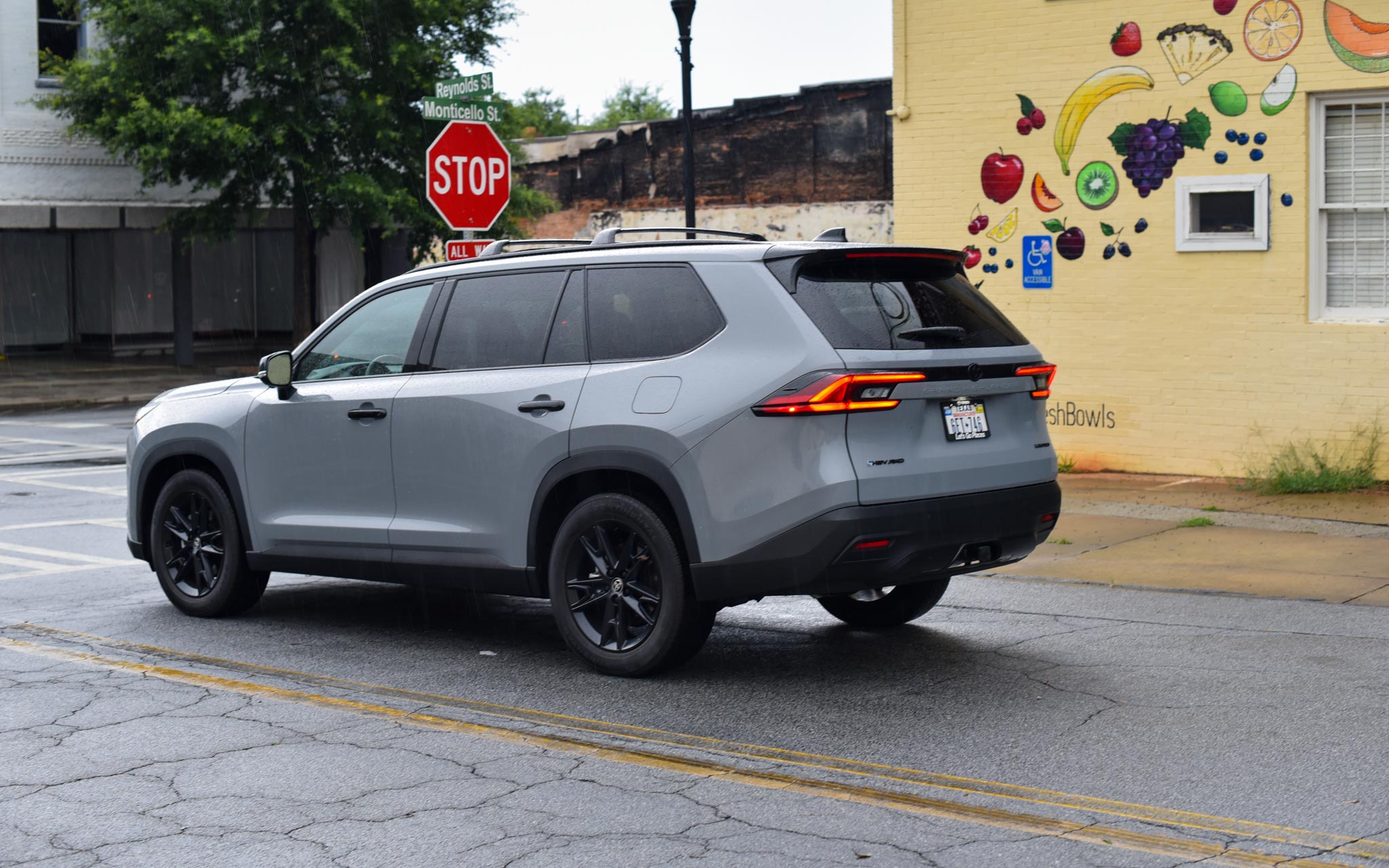
If you’re exploring options that balance comfort, performance, and long-term reliability, it’s worth looking at the variety of new Toyota vehicles designed to meet different needs. Whether you’re commuting daily or need more space for your family, the lineup offers choices that work for real-life situations. You’ll find practical features and well-thought-out design across their range, making it easier to match the car to your lifestyle without giving up comfort or value.

Think About Passenger and Cargo Space
One of the most overlooked things when buying a car is space, both for people and the stuff you carry. It’s easy to underestimate how much room you really need until you find yourself short on it.
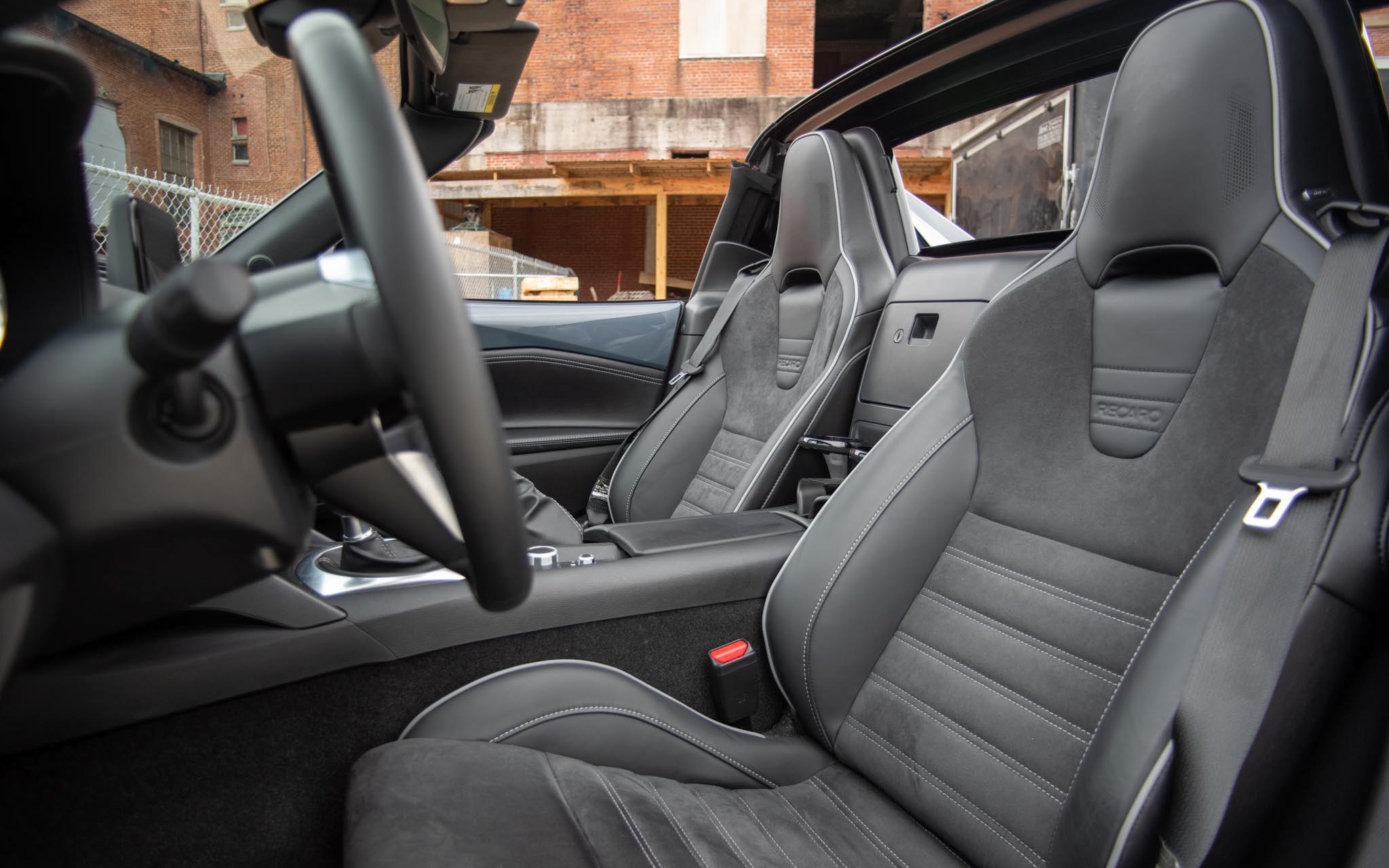
Ask yourself how many passengers you usually have. If it’s just you or one other person, space might not be a big deal. But if you drive with kids, pets, or coworkers, you’ll want enough room for everyone to be comfortable. Legroom in the back, seat height, and how easy it is to get in-and-out all make a difference.
Don’t forget about what you carry. Groceries, sports equipment, luggage, strollers—whatever your regular load is, the car should handle it without squeezing things in or blocking visibility. Fold-down seats, hidden compartments, and low trunk floors can be more helpful than flashy upgrades.

City Driving vs. Weekend Travel
Where you drive plays a big part in what kind of car fits your life. If you live in a busy city, you probably deal with tight parking spots, narrow streets, and traffic. In that case, something compact and easy to maneuver can make your life easier. Look for cars with a smaller turning radius and solid gas mileage. These traits help in daily stop-and-go driving.
On the other hand, if you spend weekends on the highway or take frequent road trips, comfort and long-distance performance matter more. Features like quiet cabins, smoother suspensions, and good fuel range become more important. You’ll want a car that handles well at higher speeds and doesn’t leave you stopping at every gas station.
Some drivers need a balance. They want a car that’s easy to drive in the city but still holds up well for weekend getaways. That’s why test driving different types is so helpful. It gives you a feel for what fits your routine.


Consider Tech, Safety, and Comfort Features
Modern cars come with features that make driving easier, safer, and more pleasant. Some people look for the basics, while others care more about advanced tech. Either way, you should know what matters to you before making a decision.
Safety features are a big deal for many drivers. Tools like blind spot alerts, lane departure warnings, and backup cameras help prevent accidents. If you have young passengers or drive in heavy traffic, those tools can bring peace of mind.
Then there’s comfort. Heated seats, automatic climate control, and good sound systems don’t just sound fancy—they make your drive better. If you spend lots of time in your car, even small things like seat shape and dashboard layout can affect your experience.
Tech matters too. Look for user-friendly touchscreen controls, phone syncing options, and voice command features if that’s something you use often. A cluttered or confusing system can get frustrating fast.
Make a short list of your “must-haves” before visiting a dealership. It’ll help you stay focused on what really fits your needs instead of getting distracted by extras you won’t use.

Budget and Ownership Costs
Price is a big part of the decision, but it’s more than just the sticker. Think about what the car will cost over time. This includes fuel, insurance, maintenance, and even registration fees.
Some cars may cost a bit more upfront, but save money in the long run. Fuel-efficient engines, dependable performance, and lower repair needs can help cut monthly expenses. If you’re looking at financing, keep monthly payments in mind, but don’t forget the full picture.
It’s smart to ask about warranty coverage and any included service plans. Those can help manage costs, especially during the first few years of ownership.
Also, think about resale value. Some vehicles hold their value better than others, which helps if you plan to sell or trade in after a few years. Taking a little time to research before buying can help you avoid regrets later.
Finding the right car doesn’t have to be stressful. When you focus on how you live, drive, and spend your time, the choice becomes clearer. A car that fits your lifestyle will make daily driving feel less like a chore and more like a part of your routine that works. Take your time, ask the right questions, and test drive a few options. The right fit is out there—you just have to look for it with your needs in mind.