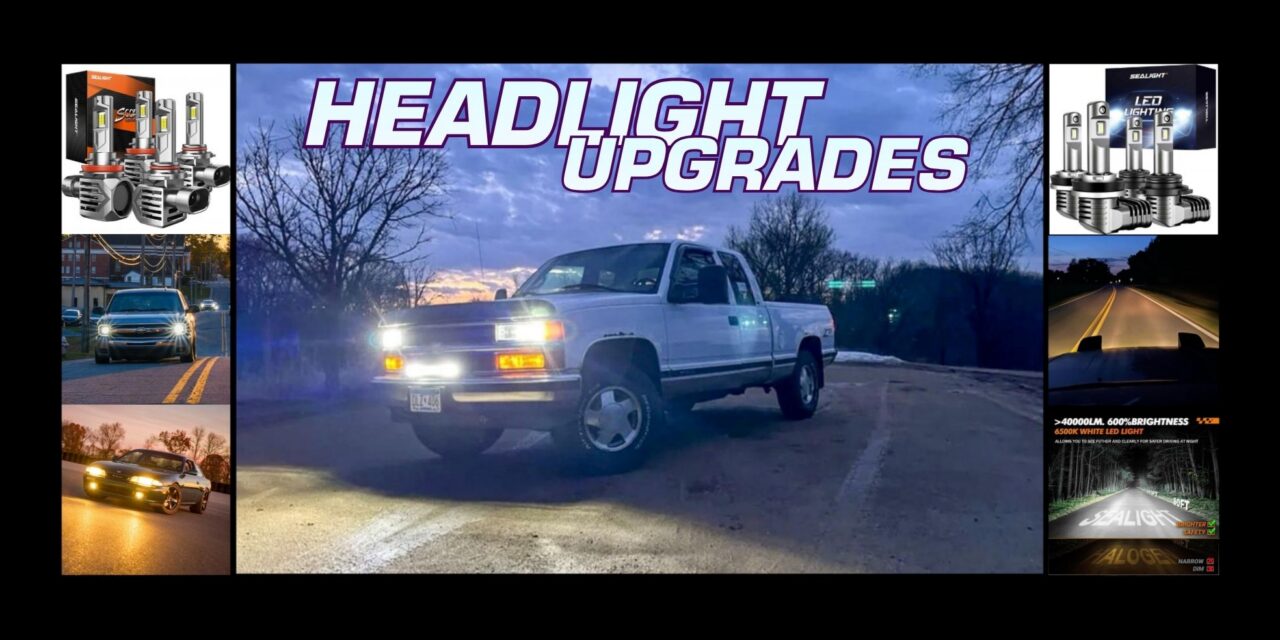

Driving at night changes what you need from your car or truck. Road markings become harder to see, pedestrians can blend into dark backgrounds, and curves or obstacles may appear later than they would during daylight. Your headlights are therefore more than a styling feature – they are an important part of how well you can see and react after sunset.
If your current headlights seem dim, uneven, yellowed, or simply less effective than they used to be, replacing the bulbs may help. But choosing a replacement isn’t as simple as buying the brightest option on the shelf.
Bulb size, headlight housing design, beam pattern, color temperature, electrical compatibility, and proper alignment all affect the result. A bulb that produces a lot of light but distributes it poorly can actually make nighttime driving less comfortable.
Here is what to consider before choosing new headlight bulbs.
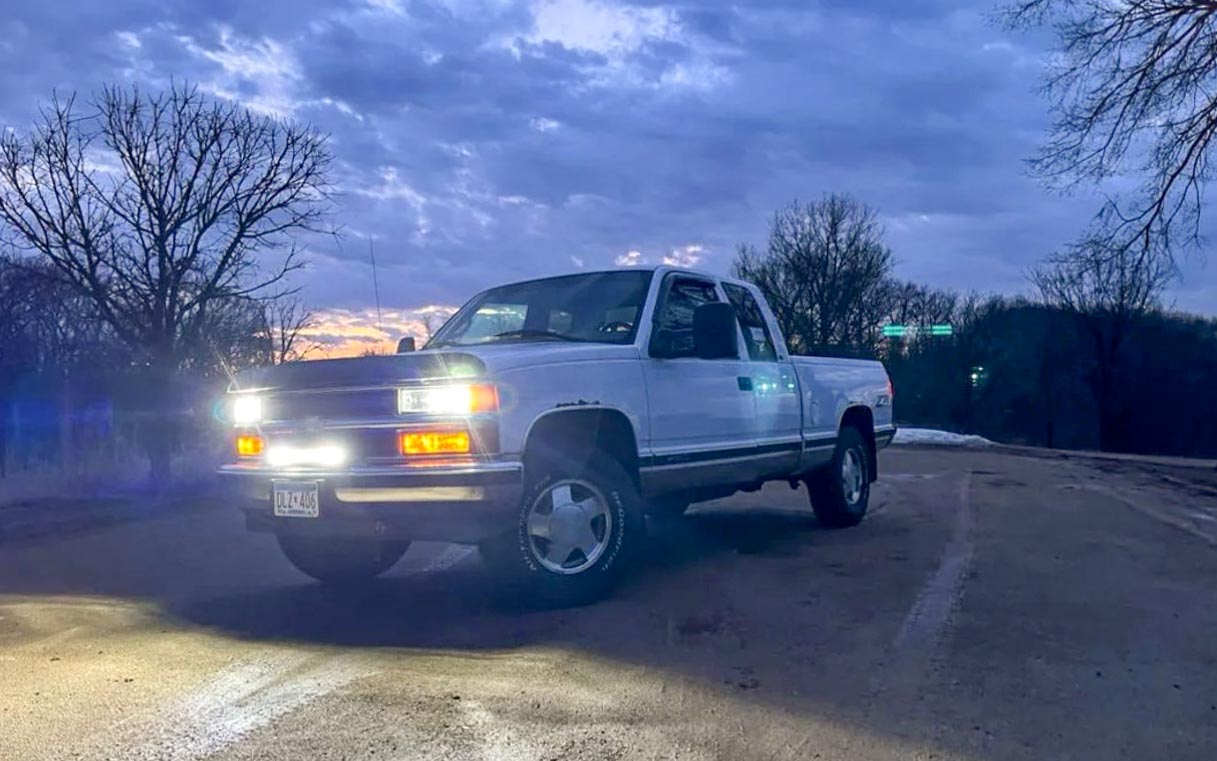
Start With the Correct Bulb Size
Fitment should always come before brightness.
Vehicles use specific bulb sizes for different lighting positions. Common examples include H11, 9005/HB3, 9006/HB4, H7, H4, and 9008/H13. Your vehicle may also use different bulbs for its low beams, high beams, and fog lights.
For example, some vehicles use an H11-style bulb for the low beam and a 9005/HB3 bulb for the high beam. That doesn’t mean every vehicle with an H11 low beam uses a 9005 high beam.
Before ordering anything, confirm the required size using:
- Your vehicle owner’s manual
- The number printed on the existing bulb
- A reliable vehicle bulb finder
- The year, make, model, trim, and factory headlight configuration
Don’t rely on appearance alone. Several bulb bases look similar but have different locking tabs, connectors, or intended applications.
It’s also worth checking whether your vehicle came from the factory with halogen, HID, or integrated LED headlights. A replacement bulb designed for a halogen housing should not automatically be assumed to work in a factory HID or integrated LED system.

Old-school halogen bulbs
Decide Which Headlight Technology Makes Sense
Replacement headlight bulbs generally fall into three categories: Halogen, HID, and LED.
Halogen Bulbs
Halogen bulbs remain common because they are inexpensive, widely available, and straightforward to replace in vehicles designed for them.
Their biggest disadvantages are efficiency and lifespan. They generate considerable heat, and their warmer light may not appear as crisp as newer lighting technologies.
For someone who simply wants to restore a factory halogen system without changing its characteristics, a quality halogen replacement can still make sense.
HID Bulbs
High-Intensity Discharge, or HID headlights produce light using an electrical arc, rather than a traditional filament. Factory HID systems can provide strong illumination, but they require components such as ballasts, and are not interchangeable with ordinary halogen bulbs.
If your car was equipped with HID headlights from the factory, replacement parts should match that system’s specifications.
LED Bulbs
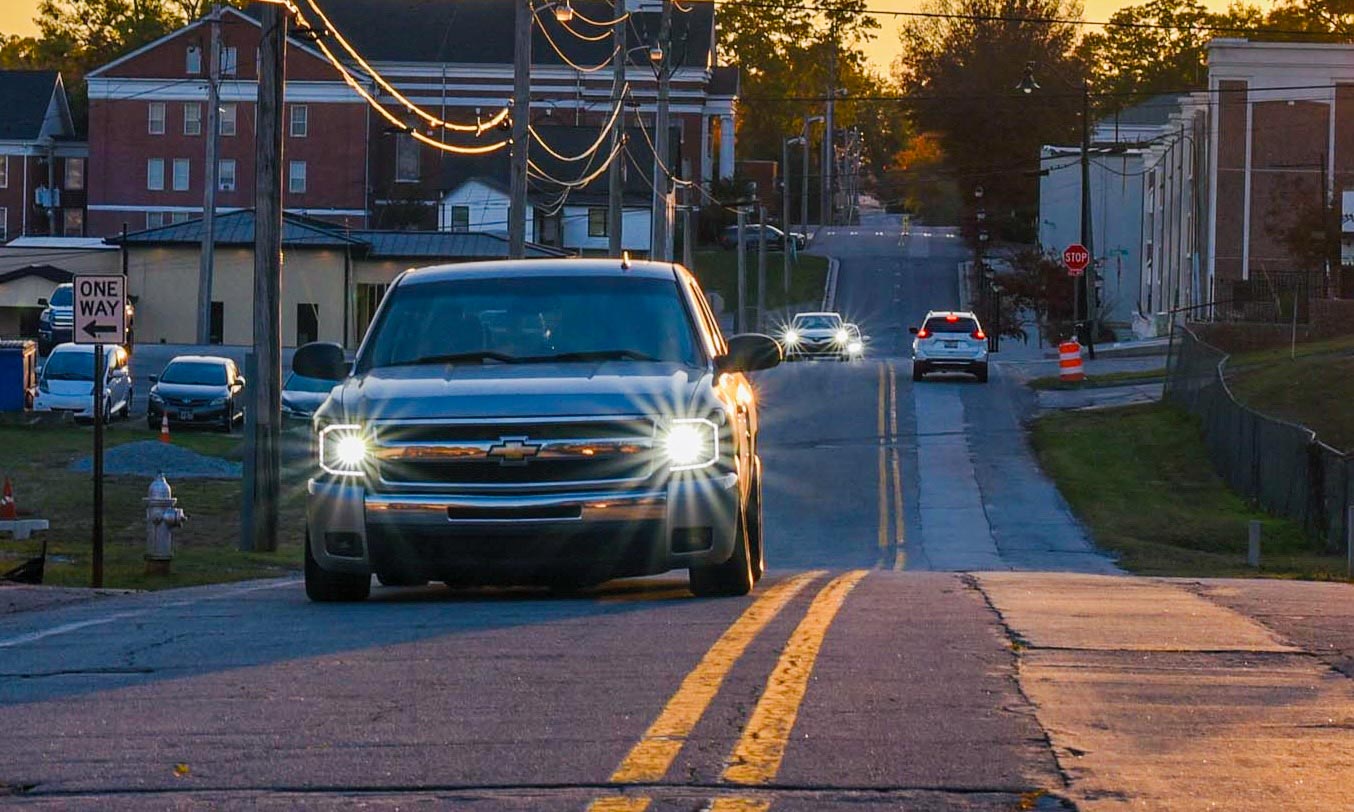
LEDs have become increasingly common in automotive lighting, because they can produce strong illumination while using energy efficiently.
For vehicles with compatible replaceable-bulb housings, properly selected LED headlight bulbs for cars can provide a whiter appearance and fast illumination. However, compatibility with the housing matters just as much as the light source itself.
Changing from halogen to LED does not automatically guarantee better road lighting. The bulb’s LED-chip position and the headlight’s reflector or projector design influence where that light actually goes.
Modern LED bulbs
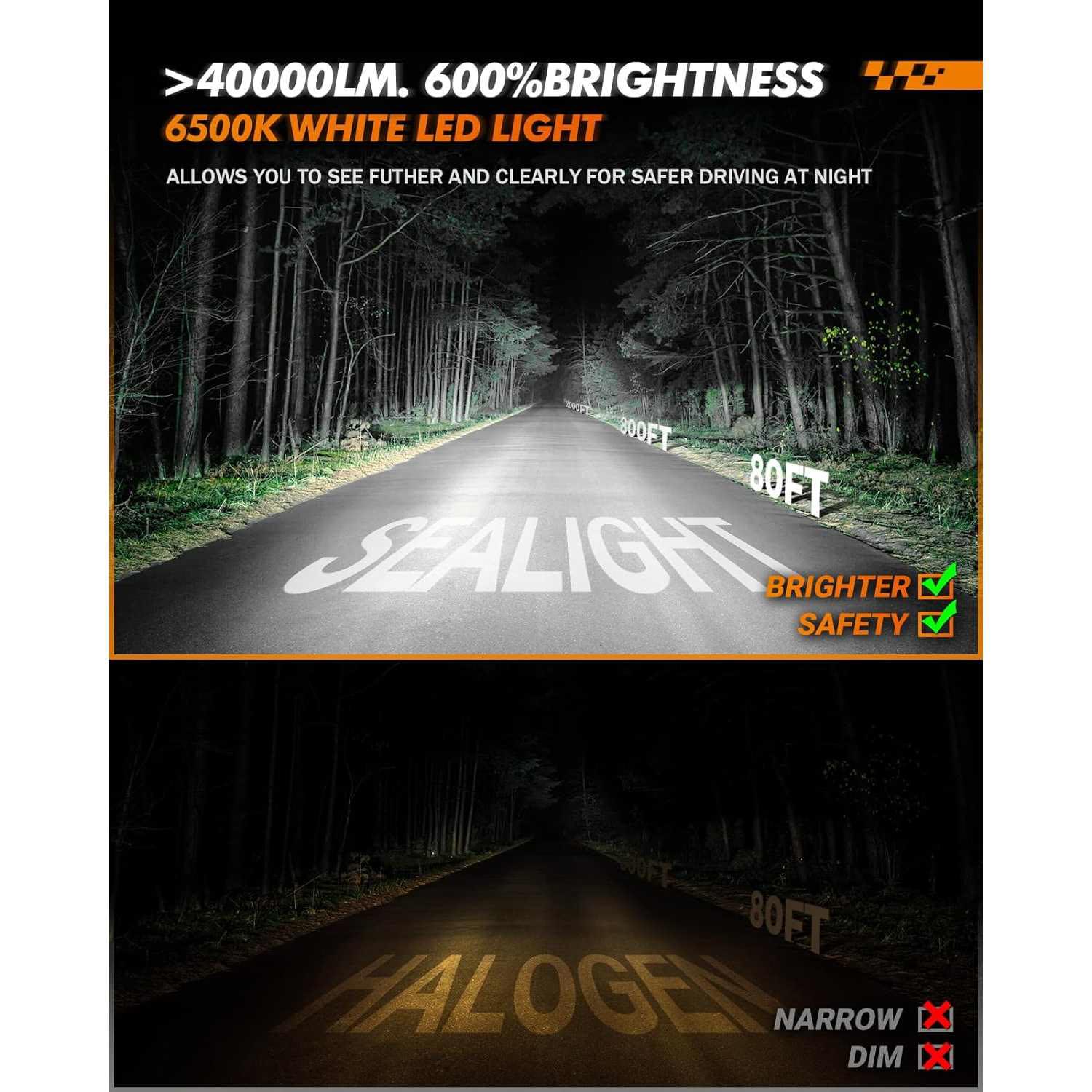
Don’t Judge a Headlight Bulb by Brightness Alone
Large lumen numbers are easy to compare, which is why brightness receives so much attention when shopping for headlights.
But the brightest-looking specification isn’t necessarily the best choice.
What matters to a driver is usable illumination on the road.
A good headlight needs to direct light toward useful areas, without creating excessive glare. If a bulb scatters light above the intended cutoff, or creates unusually bright and dark areas, a high advertised output may not translate into better visibility.
This is why beam pattern should be considered alongside brightness.
A useful low-beam pattern should illuminate the road ahead and roadside areas, while maintaining controlled light distribution. High-beams can project farther because they are intended for situations where they won’t interfere with approaching traffic.
Rather than choosing solely by a lumen figure – consider brightness, optical compatibility, beam shape, and correct installation together.
Pay Attention to Beam Pattern
The headlight housing and bulb work as a system.
A reflector or projector is designed around the location of the original light source. When a replacement bulb places its light-emitting elements in a substantially different position, the housing may no longer distribute the light as intended.
Possible symptoms of a poor bulb-and-housing combination include:
- Scattered light
- Dark spots in the beam
- An unclear cutoff
- Excessive foreground illumination
- Light directed too high
- Increased glare for approaching drivers
This is particularly important when replacing halogen bulbs with LEDs.
Look for LED bulbs with a compact emitter arrangement intended to reproduce the position of the original filament as closely as practical. After installation, inspect the beam against a wall or garage door and check the headlight aim.
The Insurance Institute for Highway Safety notes that properly aimed headlights can illuminate the road while limiting light directed into other drivers’ eyes. Headlight technology alone doesn’t determine performance; design and aim also matter.
Choose a Practical Color Temperature
Color temperature is measured in Kelvin (K), and describes the appearance of the light rather than how much usable light reaches the road.
Traditional halogen bulbs generally have a warmer appearance, while many automotive LEDs produce a cooler white light.
LED replacement bulbs commonly fall around the 6000K–6500K range, producing a clean white appearance. Some drivers prefer this because road markings, signs, and objects can appear more distinct compared with the warmer appearance of aging halogen bulbs.
Going excessively blue, however, is not necessarily an improvement.
When comparing options, prioritize useful illumination and beam quality instead of choosing a bulb simply because it has the coolest-looking color.
Check the Bulb’s Physical Size and Housing Clearance
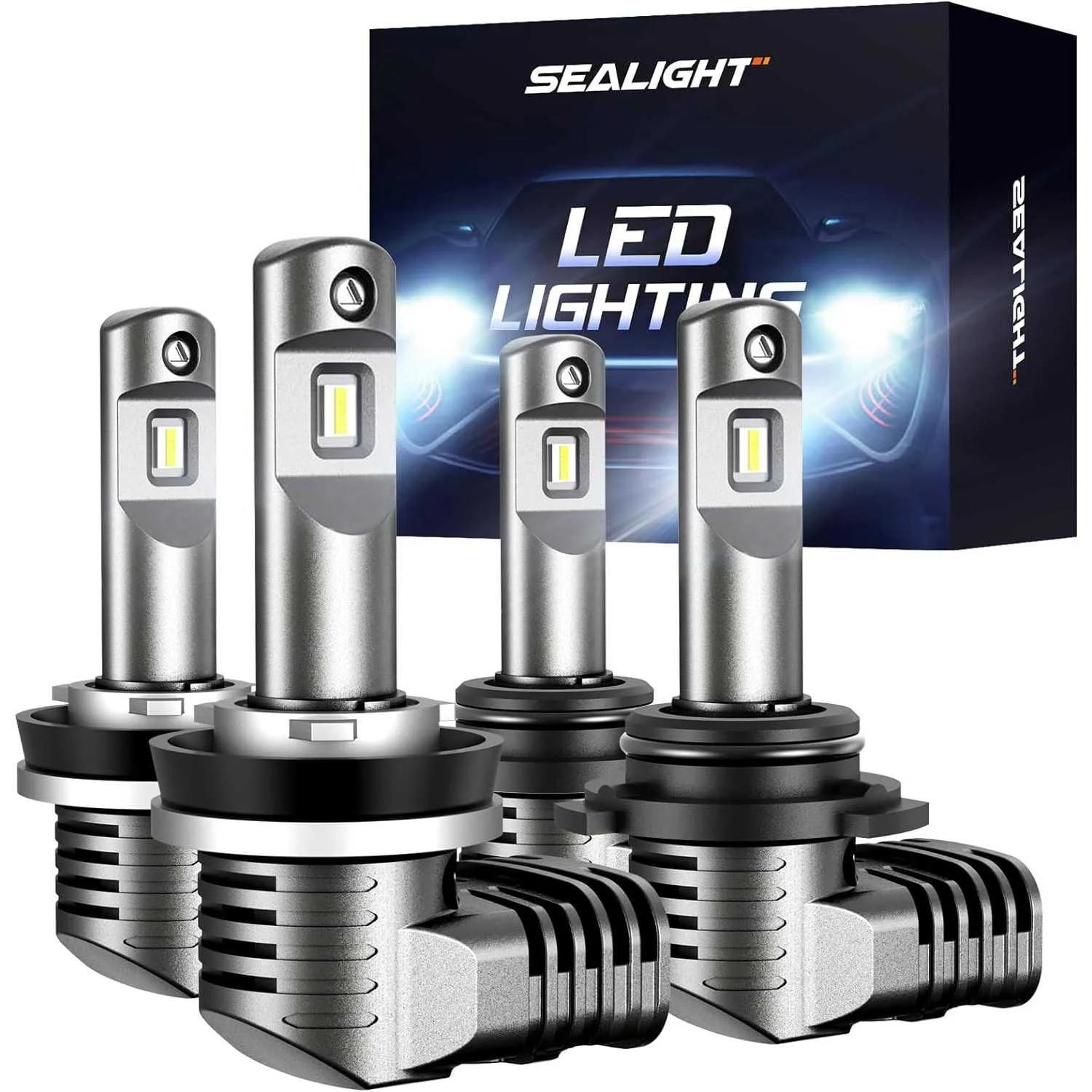
Two bulbs can share the same socket designation but differ considerably in their overall dimensions.
LED bulbs may contain:
- Cooling fans
- Heat sinks
- External drivers
- Larger rear housings
- Additional wiring
That creates a practical fitment issue.
There must be enough space behind the headlight assembly for the bulb and its cooling components. If your headlight uses a dust cover, you should also confirm that it can be reinstalled correctly.
Compact LED bulbs designed closer to the dimensions of factory halogen bulbs can make installation easier in tight housings.
Never force a bulb into place or leave a factory dust cover improperly secured, just to accommodate an oversized replacement.
Consider Heat Management
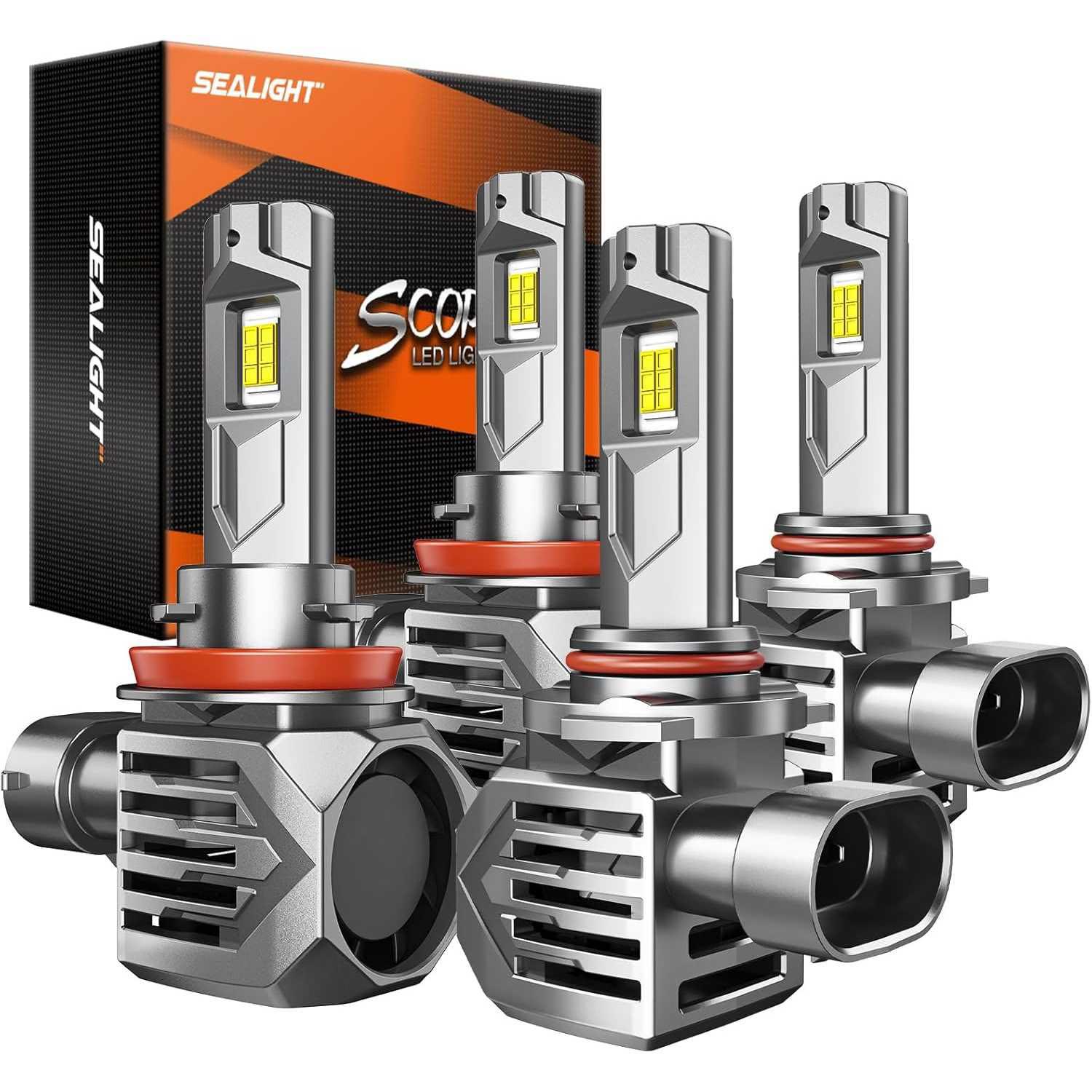
LEDs are efficient, but they still generate heat that needs to be managed.
Unlike a halogen filament, an LED’s electronics and chips can suffer if heat isn’t moved away effectively. Manufacturers typically address this with passive heat sinks, small cooling fans, conductive materials, or a combination of these features.
Cooling matters because excessive operating temperatures can affect light output and component life.
If you’re comparing LED bulbs, look beyond claimed lifespan figures, and examine how the bulb handles heat. A well-designed cooling system is particularly relevant in a confined headlight housing where airflow may be limited.
Think About Rain, Dust, and Everyday Driving Conditions
Headlights operate in a harsh location.
They face vibration, temperature changes, dust, humidity, rain, and road spray. Replacement bulbs therefore need to be designed for automotive conditions, rather than only producing impressive light in ideal circumstances.
Water-resistance ratings such as IP67 or IP68 are commonly advertised on automotive LED bulbs. These ratings can be useful when comparing construction, although the entire headlight assembly also needs intact seals and correctly installed covers to keep moisture out.
If condensation is already appearing inside the housing, investigate the housing seal or venting rather than expecting a new bulb to solve the problem.
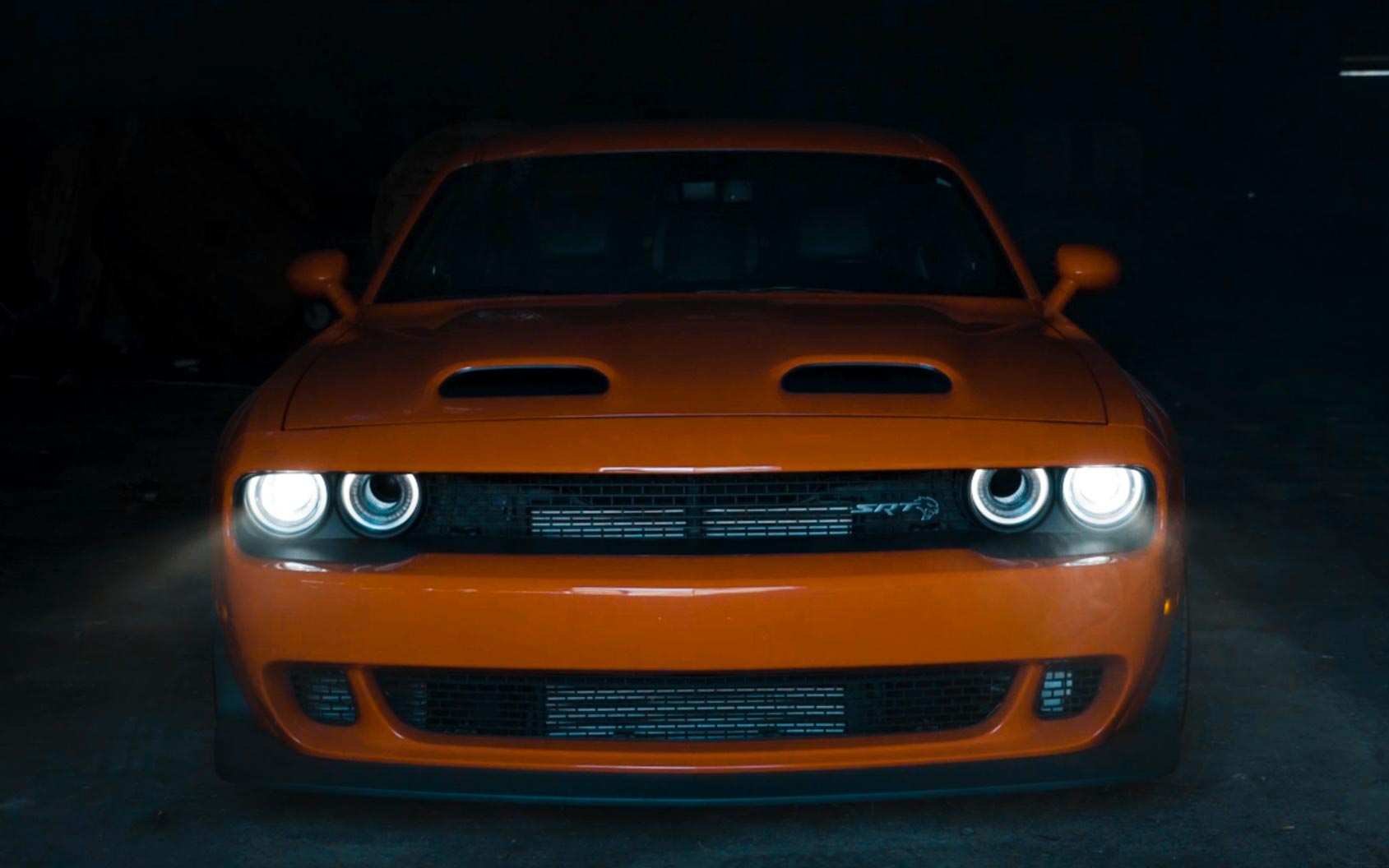
Replacing Multiple Front Bulbs at the Same Time
Sometimes a vehicle uses separate bulbs for low beams, high beams, and fog lights. In that situation, drivers may choose to replace multiple pairs together for more consistent light color and performance.
But first, verify every bulb position separately.
For vehicles that specifically use compatible 9005 and H11-family applications, a bundled option such as the SEALIGHT G2 9005 H11 Headlight Fog Light Bulbs Combo combines bulbs for multiple front-lighting positions. The manufacturer lists the G2 combination with 6500K lighting and a compact design, intended to simplify installation in compatible factory housings.
That does not mean the combination fits every car using one of those bulb numbers. Vehicle year, trim, original lighting configuration, and the specific bulb required for each position should still be verified before purchase.
Buying a complete set can be convenient when all the required sizes match, but compatibility should determine the purchase—not the convenience of the bundle.
Watch for Electrical Compatibility
Modern vehicles often monitor exterior lighting through their electrical systems.
Installing LEDs in a vehicle originally designed for halogen bulbs can occasionally cause symptoms such as:
- Bulb-out warnings
- Dashboard errors
- Flickering
- Lights that fail to switch correctly
Some replacement LEDs incorporate electronics intended to work with vehicle monitoring systems, while certain vehicles may require additional compatible components.
This is one reason vehicle-specific fitment information is more useful than a generic statement such as “fits H11.”
Check compatibility for your exact model and trim before installation, especially if the vehicle uses a CAN bus or bulb-monitoring system.
Replace Headlight Bulbs in Pairs
If one bulb has failed or noticeably dimmed, replacing both left and right bulbs at the same time is usually sensible.
Bulbs of the same age have experienced similar operating hours and conditions. Replacing only one can leave you with mismatched brightness or color from side-to-side.
Pair replacement also gives you a better opportunity to inspect both headlight housings for cloudy lenses, moisture, damaged connectors, or other problems that may be reducing nighttime visibility.
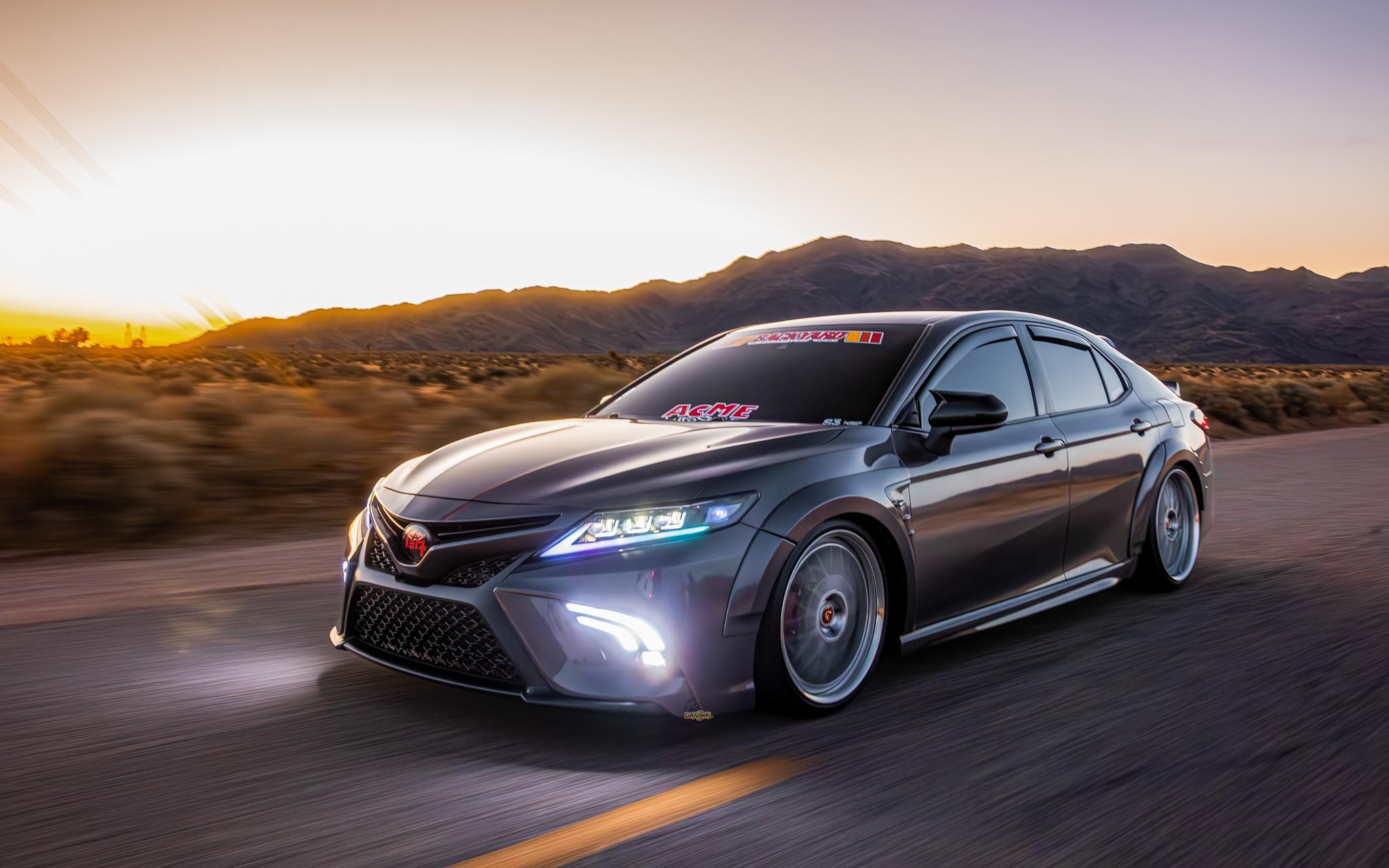
Check Headlight Aim After Installation
Even a good bulb can perform poorly if the headlight is aimed incorrectly.
After replacement, park on level ground facing a flat wall, and inspect the beam pattern. The left and right sides should look consistent, and the low beams shouldn’t suddenly project far higher than they did before.
If the aim appears incorrect, follow the vehicle manufacturer’s adjustment procedure, or have the headlights checked professionally.
Correct aim matters for two reasons: You need enough light where you are actually driving, and other road users shouldn’t be exposed to unnecessary glare.
Remember That the Bulb May Not Be the Real Problem
Dim headlights don’t always mean worn-out bulbs.
Before spending money on an upgrade, inspect the rest of the lighting system. Poor nighttime performance can also result from:
- Cloudy or oxidized headlight lenses
- Moisture inside the housing
- Damaged reflectors
- Poor electrical connections
- Low system voltage
- Incorrect headlight aim
- Dirty exterior lenses
An expensive bulb installed behind a badly oxidized lens may still produce disappointing results.
Restoring cloudy lenses or repairing an electrical problem can sometimes make a bigger difference than simply installing a higher-output bulb.
Final Thoughts
Choosing better headlight bulbs starts with compatibility, not the biggest brightness number on the package.
Confirm the correct bulb size and factory lighting system first. Then compare beam pattern, usable illumination, color temperature, physical dimensions, cooling, weather resistance, and electrical compatibility. If you’re switching from halogen to LED, pay particular attention to how well the replacement bulb works with the original headlight housing.
Finally, inspect the beam and headlight aim after installation.
A well-chosen bulb should do more than make your headlights look brighter. The goal is controlled, useful illumination that helps you see the road, markings, signs, and potential hazards more clearly when driving after dark.