
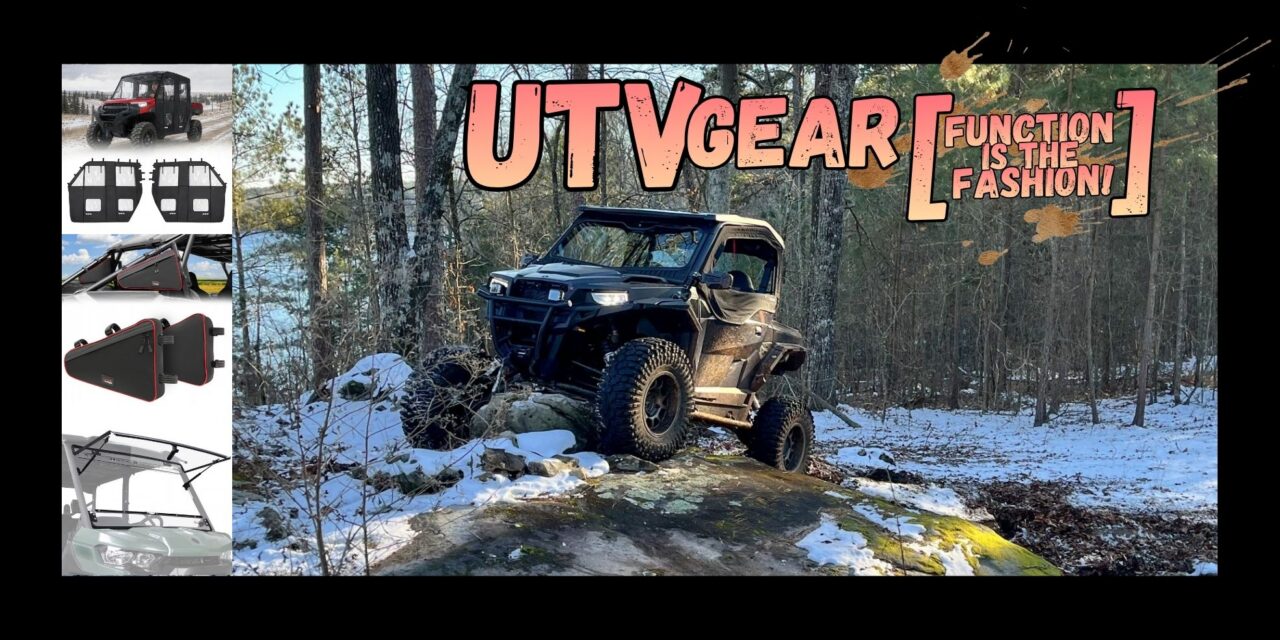

A UTV can handle rough ground straight from the factory, but the stock setup does not always match how the machine is actually used. Trail riders may want better protection from wind and debris. Property owners need secure places for tools. Anyone riding through colder months will quickly notice how much difference a better-protected cab can make.
That’s why choosing off-road UTV accessories should start with the problem you want to solve, not with filling the machine with upgrades. StarknightMT is one of the aftermarket brands offering windshields, doors, storage, cab protection, and other accessories for popular side-by-sides. The useful question for a buyer is simpler: Does the part fit properly, hold up to regular use, and offer enough value for its price?
Here’s what matters when comparing UTV accessories for fitment, installation, protection, comfort, and long-term use.
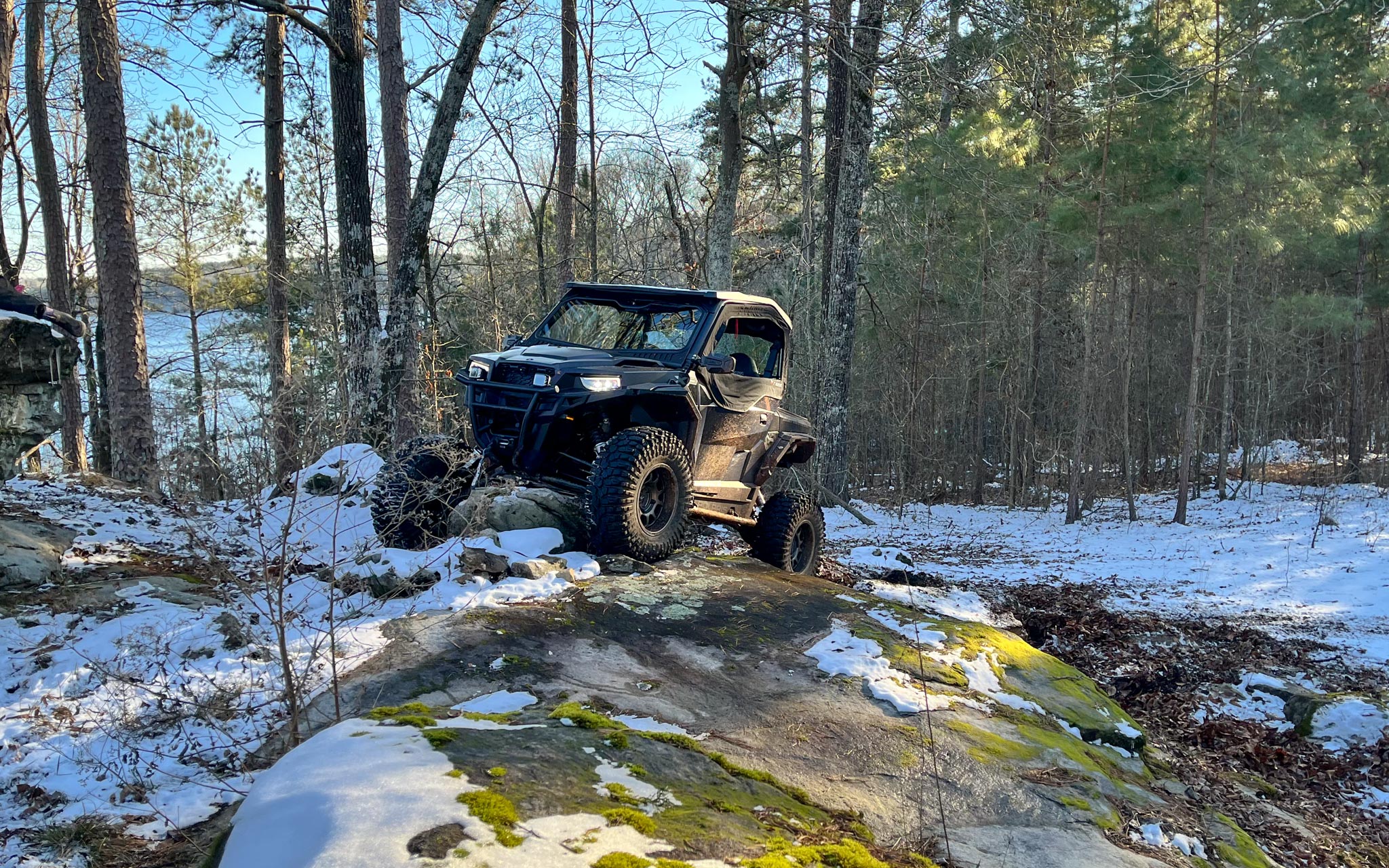
What Actually Makes a Good UTV Accessory?
A higher price does not automatically mean a better product. Likewise, a cheap accessory is not a bargain if it fits poorly or needs replacing after a season.
For most UTV upgrades, four things deserve attention: fitment, materials, installation, and function.
Fitment comes first. Accessories designed around a specific vehicle generally have a better chance of lining up correctly with the cab, roll cage, cargo bed, or factory mounting points. Even then, model year and trim matter. A part made for one version of a Polaris Ranger or Can-Am Defender may not fit another version of the same machine.
Materials come next. Windshields, doors, roofs, and storage boxes spend their lives around sunlight, vibration, mud, rain, and temperature changes. They need to be made for that environment.
Installation matters as well, especially for owners who work on their own machines. Bolt-on hardware and existing factory mounting points can save considerable time compared with accessories that require drilling, cutting, or permanent modifications.
Finally, an accessory should solve a noticeable problem. If it does not improve protection, comfort, storage, visibility, or day-to-day usability, it may not be worth adding.
How to Choose a Durable UTV Windshield
Windshields are among the most useful upgrades for an open-cab UTV. They reduce direct wind and provide a barrier against mud, small trail debris, insects, and bad weather.
But not every rider needs the same windshield.
- A full windshield provides maximum front coverage and can make sense for cold-weather riding or work in muddy conditions. The trade-off is reduced airflow in warmer weather.
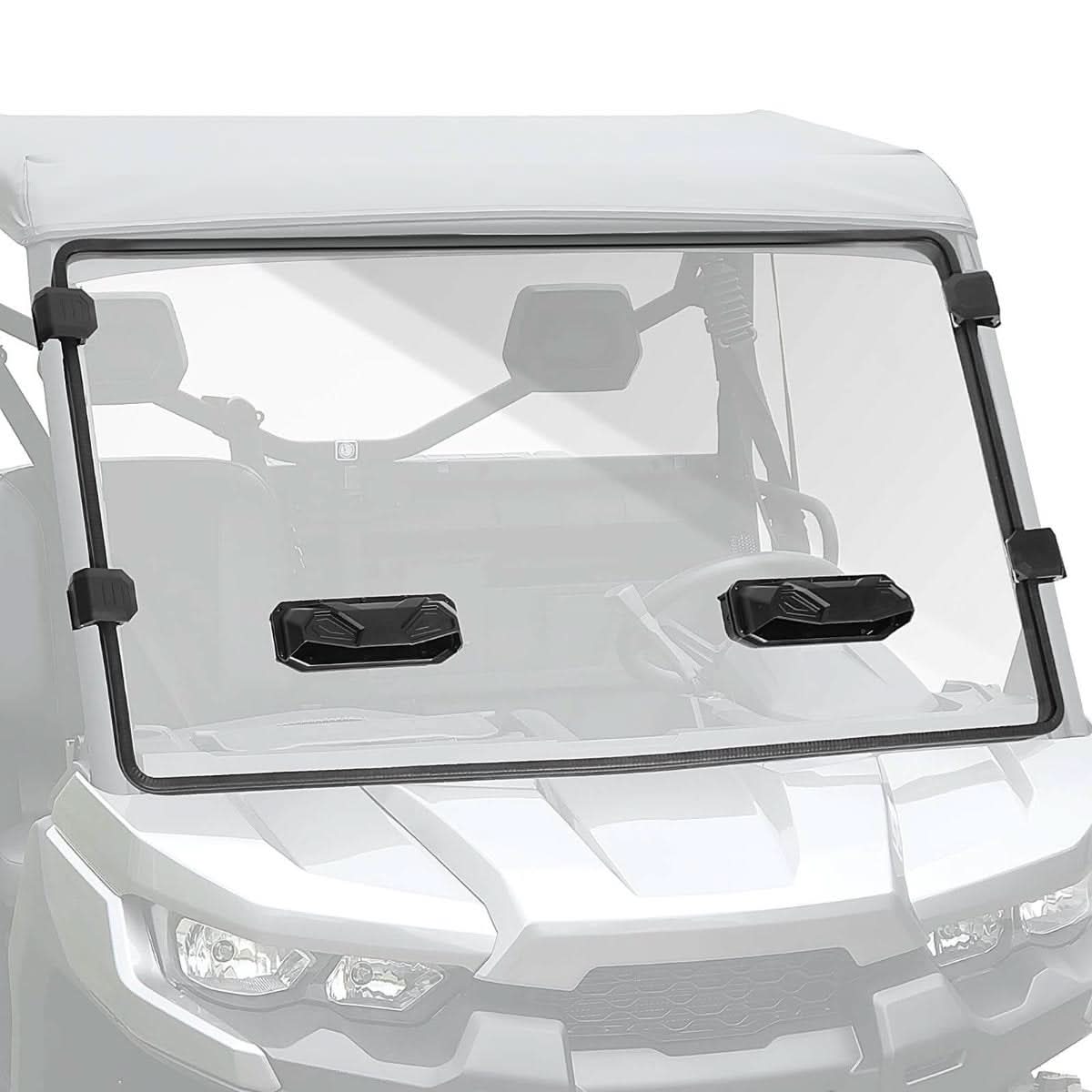
- A vented windshield gives you more control. Opening the vents can bring air into the cab without leaving the entire front exposed.
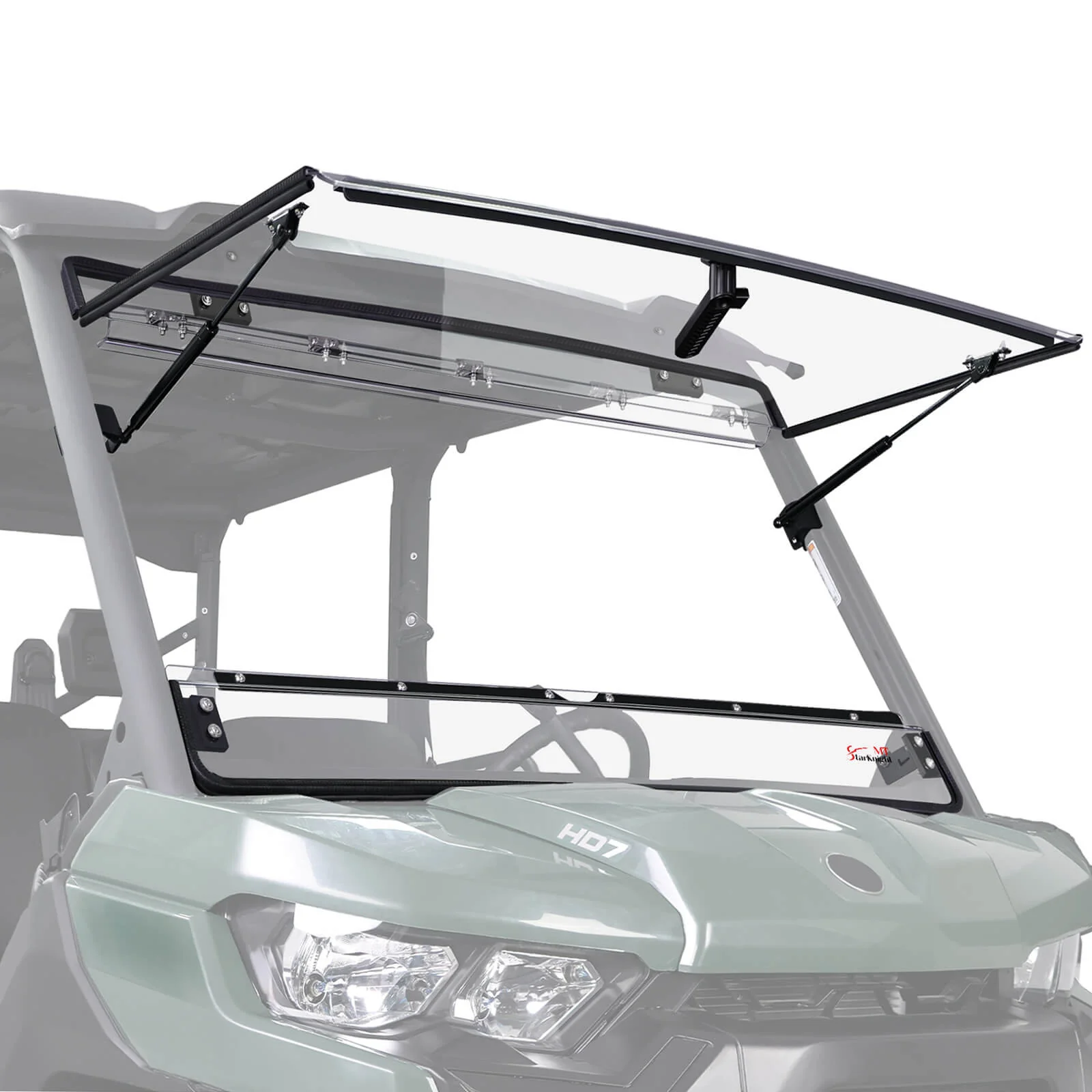
- A flip-up or folding windshield provides even more flexibility when conditions change throughout the year.
Material also matters. Polycarbonate is widely used for UTV windshields because it combines relatively low weight with strong impact resistance. However, buyers should not stop at seeing “polycarbonate” in a product description. Look at material thickness, surface treatment, scratch resistance, mounting hardware, and how well the edges seal against the vehicle.
Visibility deserves equal attention. A windshield that scratches easily or creates distracting distortion can become frustrating, regardless of how strong it is.
Look for Installation Without Unnecessary Modifications
Before buying, check whether the windshield uses factory mounting locations, or requires drilling.
A clean bolt-on installation is generally easier to reverse and avoids making unnecessary permanent changes to the vehicle. It also makes installation more realistic for owners working with ordinary hand tools at home.
Check compatibility with your existing roof, mirrors, wipers, and other cab accessories too. Two individually compatible products are not always compatible with each other.
What Should You Look for in Aftermarket UTV Doors?
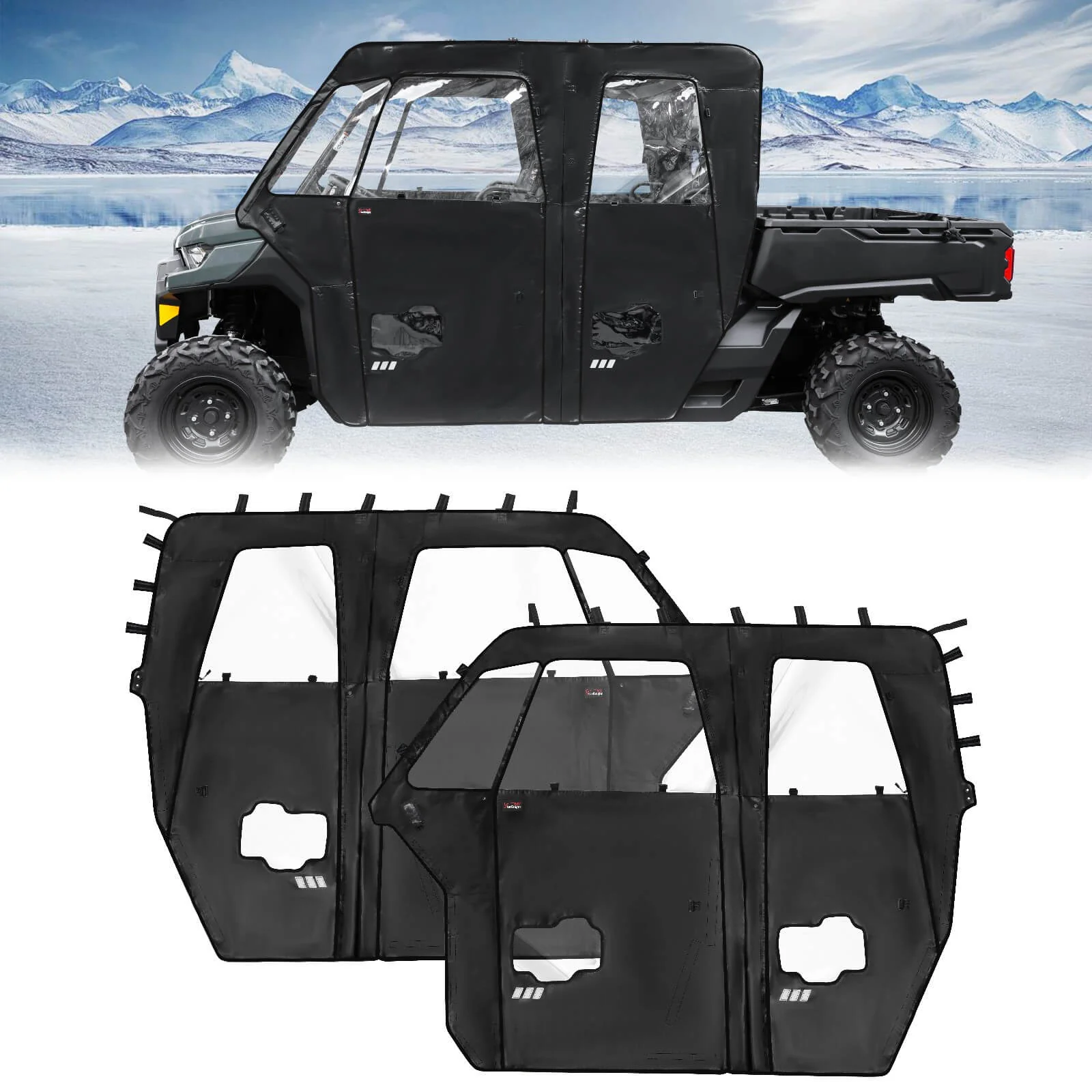
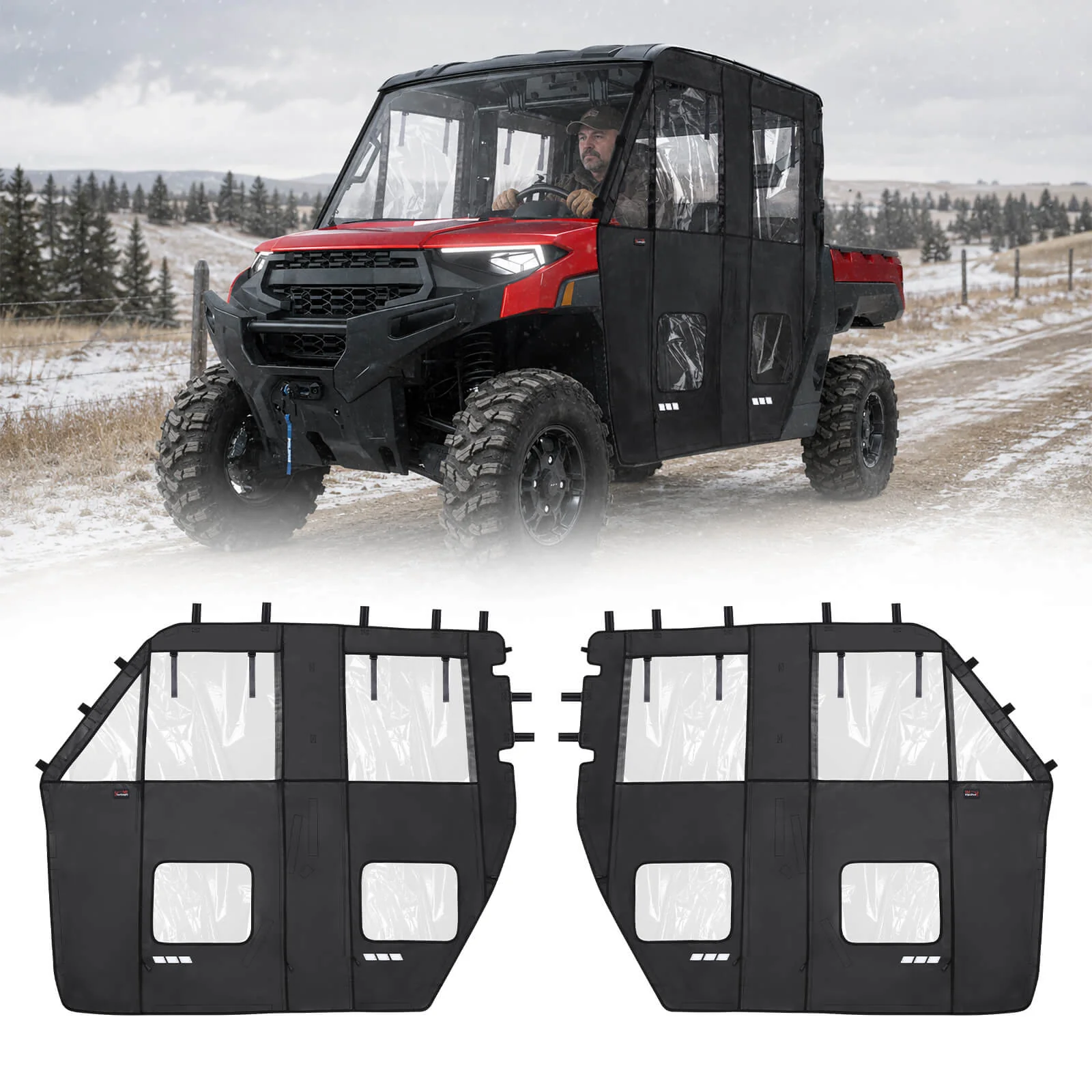
Doors have a harder job than simply covering the side of the cab. They are repeatedly opened and closed, shaken by rough terrain, exposed to mud and dust, and expected to stay secure while the machine moves.
Poor fitment often shows up as rattling.
When comparing UTV doors, pay attention to the hinges, latch mechanism, mounting points, panel rigidity, and weatherstripping. A door should close securely without requiring excessive force, and the latch should remain stable when driving over uneven ground.
Weatherstripping becomes particularly important for riders trying to reduce dust, rain, and cold air inside the cab. Large gaps around a door can defeat much of the reason for installing one.
It’s also worth checking compatibility with an existing windshield and roof before ordering. Cab accessories often meet around the same frame areas, so one component can interfere with another if the combination was not considered during design.
Building a More Comfortable UTV Cab
An all-season cab does not necessarily require installing everything at once.
Start with whatever causes the most discomfort.
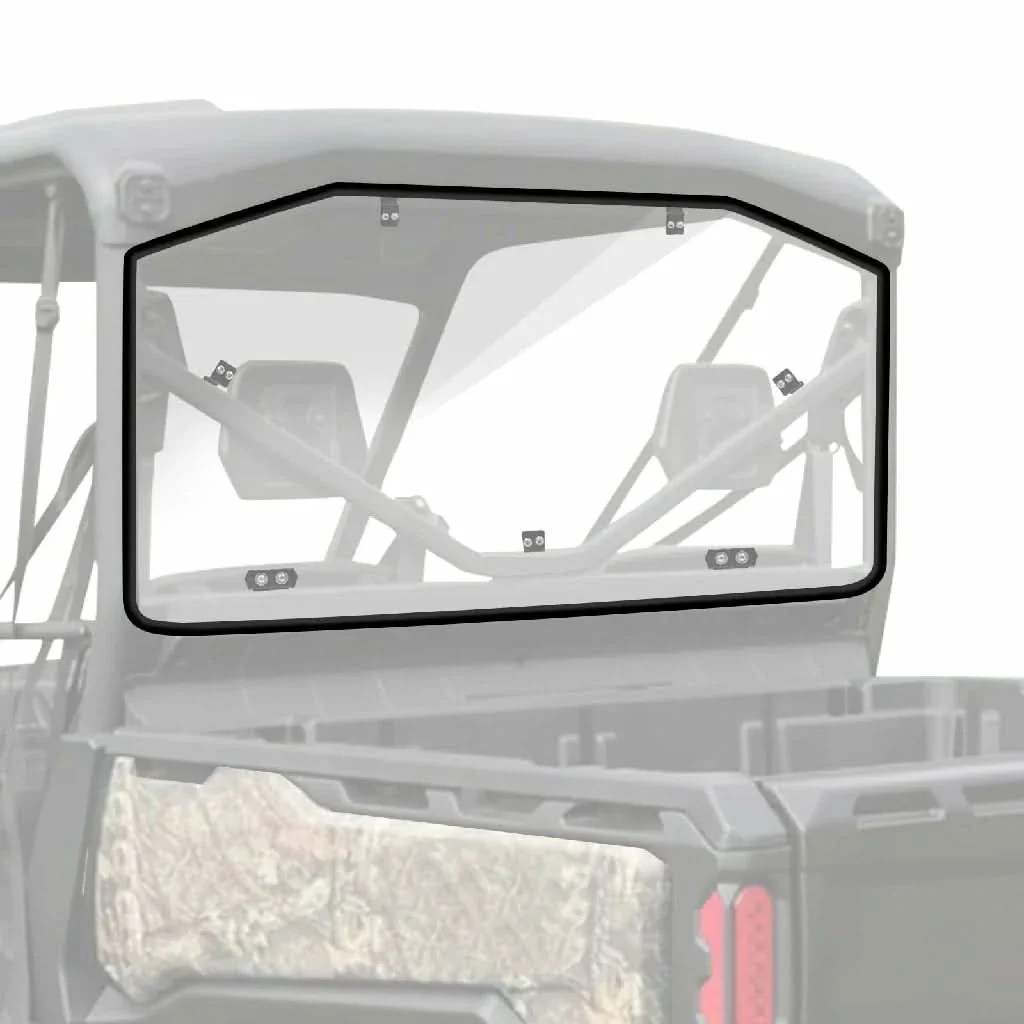
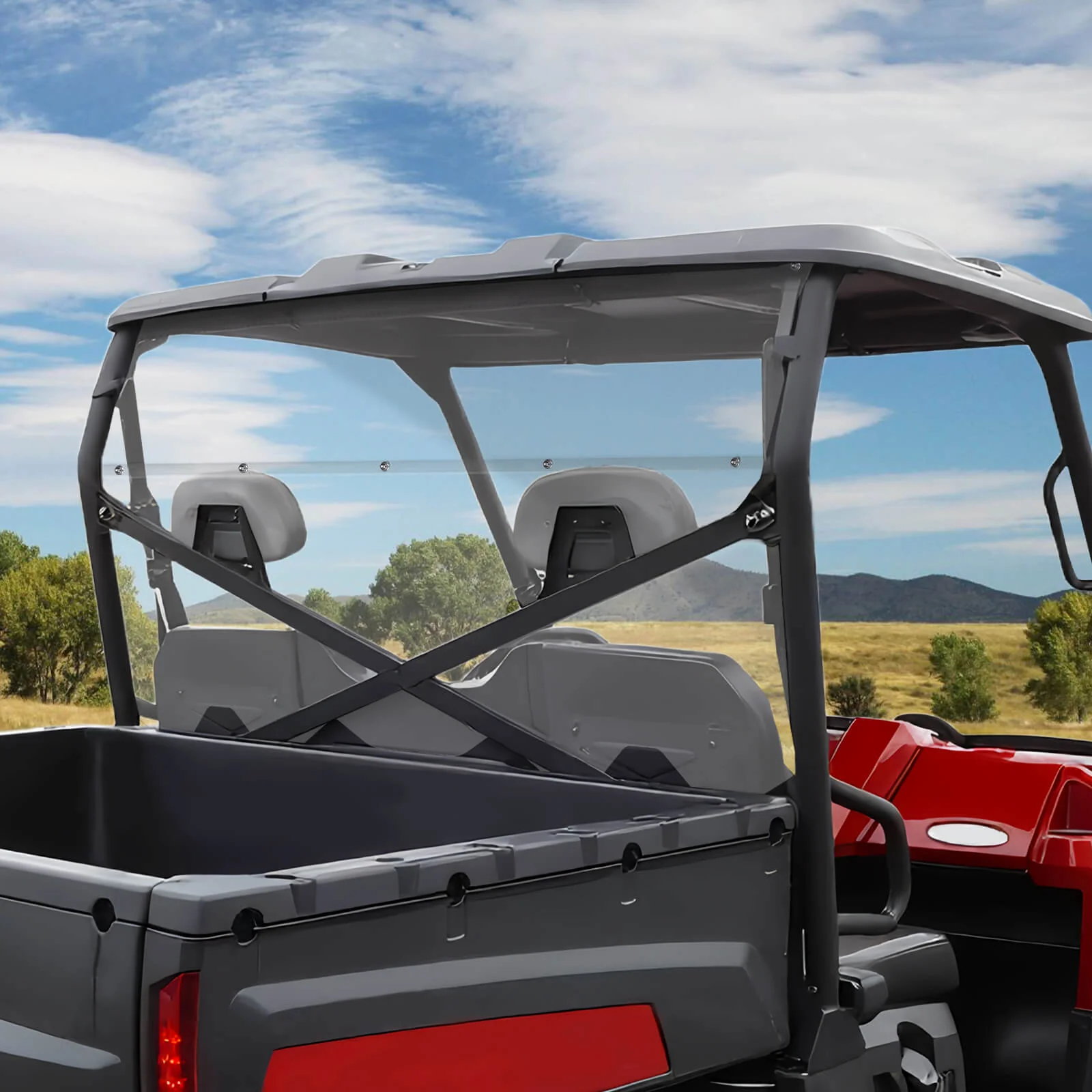
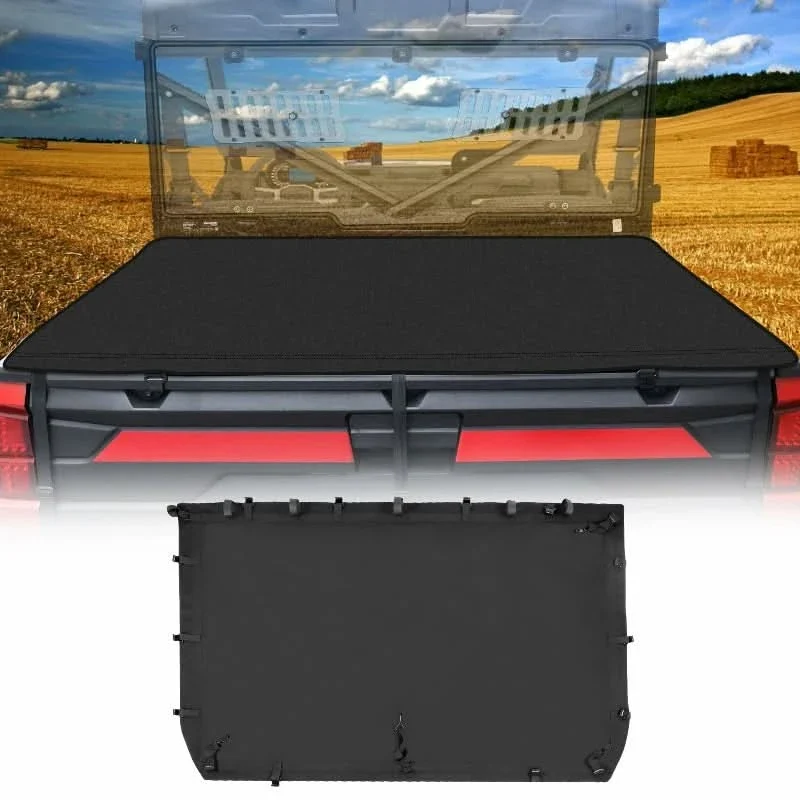
If direct wind and trail debris are the main problems, a front windshield may provide the biggest improvement. If airflow or dust still enters from behind, a rear windshield could be the next logical addition.
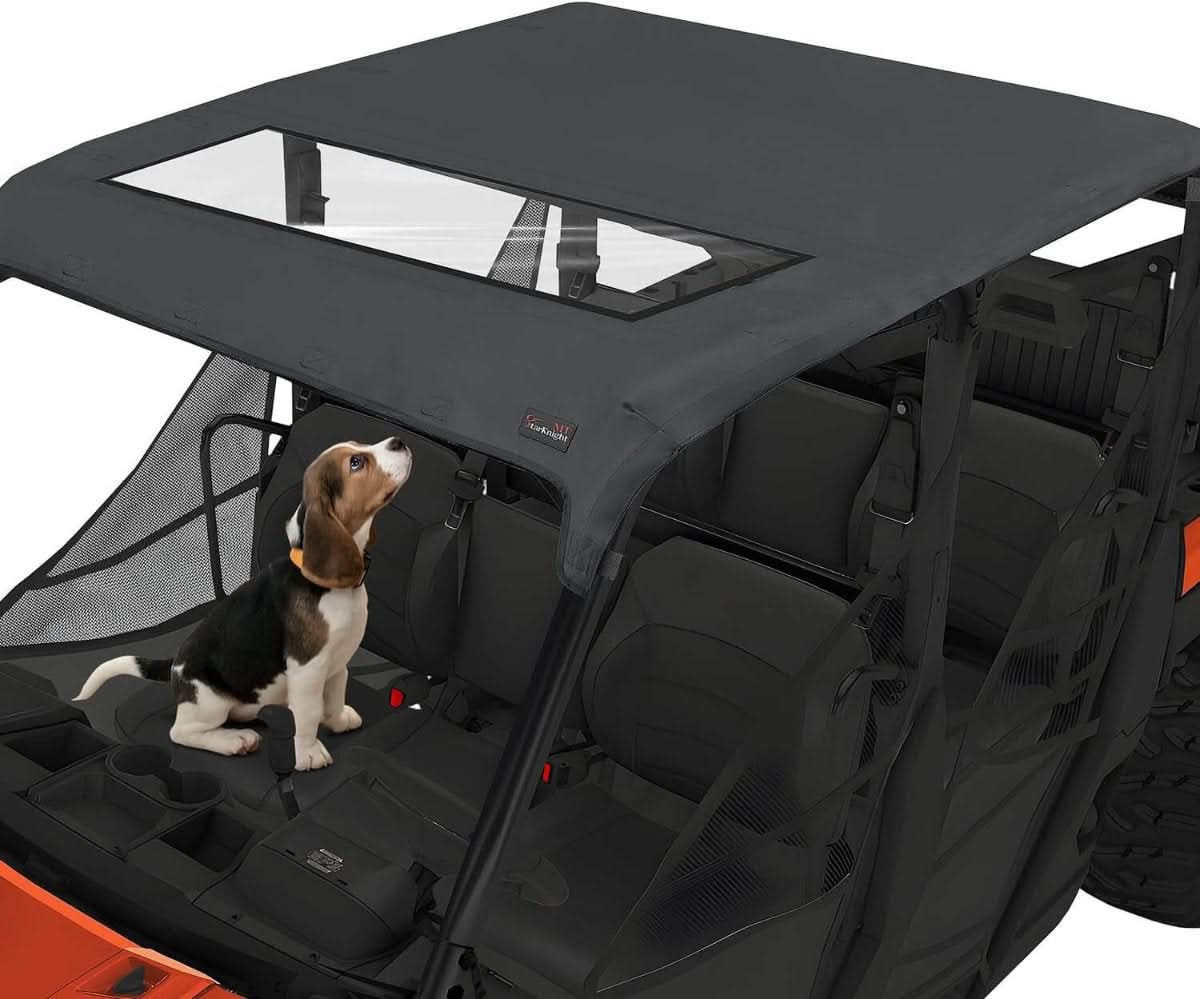
Doors and upper enclosures provide more side protection, while a roof helps with sun and rain. Used together, these parts can turn an exposed cab into a much more comfortable space for cold-weather riding.
Rear windows are particularly easy to overlook. Air moving around the cab can create turbulence and pull dust back toward the occupants. Rear coverage can help manage this effect on some UTV configurations.
For year-round use, flexibility is useful. Removable panels, vents, and adjustable windshields allow the same machine to work in both hot and cold conditions rather than being optimized for only one season.
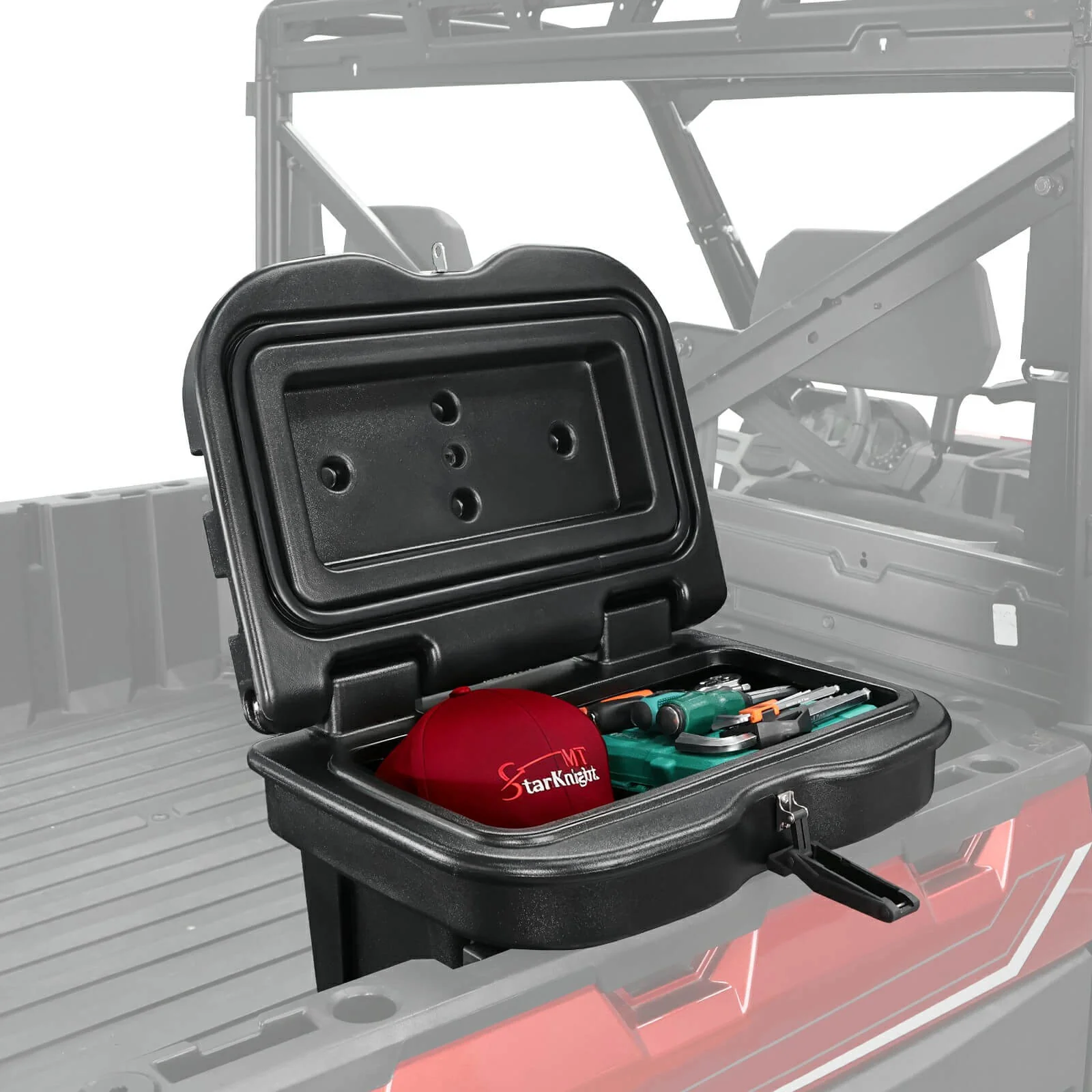
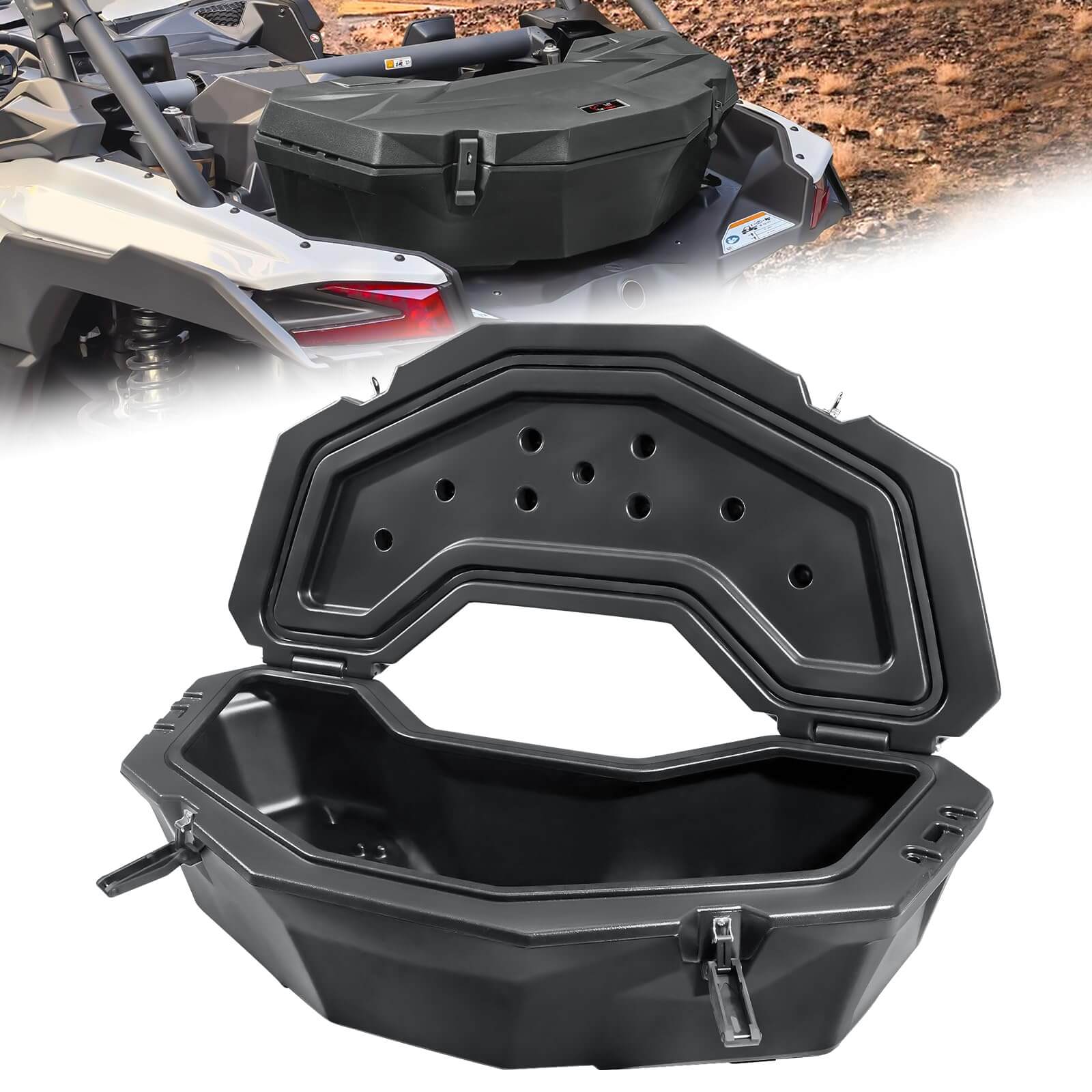
Choosing UTV Storage That Can Handle Real Use
Cargo capacity alone does not tell you whether a UTV storage box is good.
Imagine a toolbox bouncing around a cargo bed for several hours. Now add mud, rain, dust, and repeated washing. That is closer to the environment in which UTV storage needs to work.
A hard storage box should have a secure mounting system and a lid that stays firmly closed. Seals around the opening can help prevent dust and water from reaching tools and other gear.
If security matters, look for a proper locking mechanism, rather than assuming a closed lid is enough. This can be useful for tools and equipment that may remain in the vehicle while it’s parked.
Pay attention to the shape as well. A huge box is not automatically better. It can consume cargo-bed space that might be needed for larger equipment.
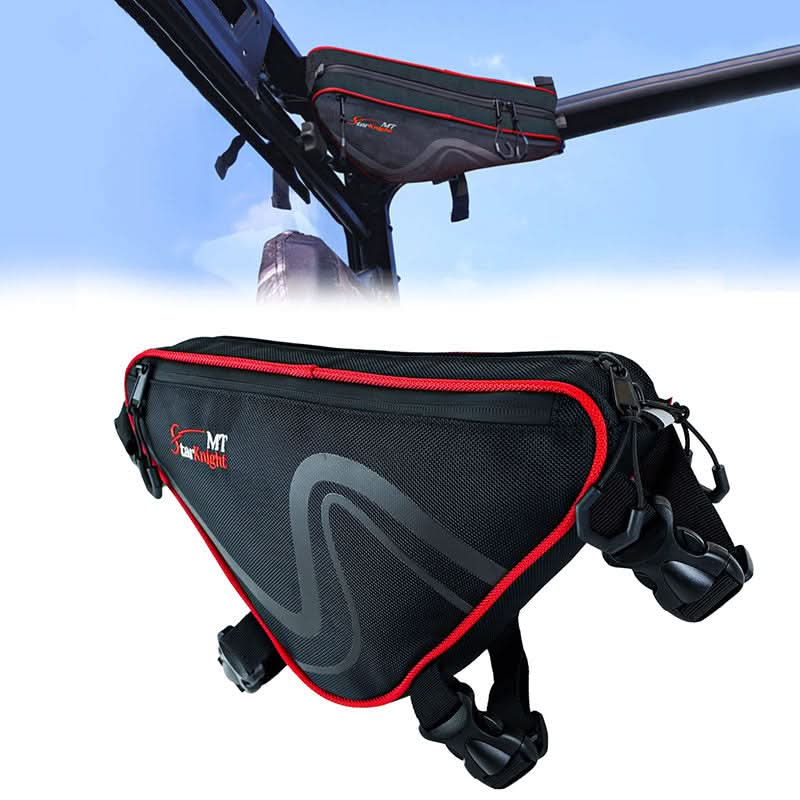
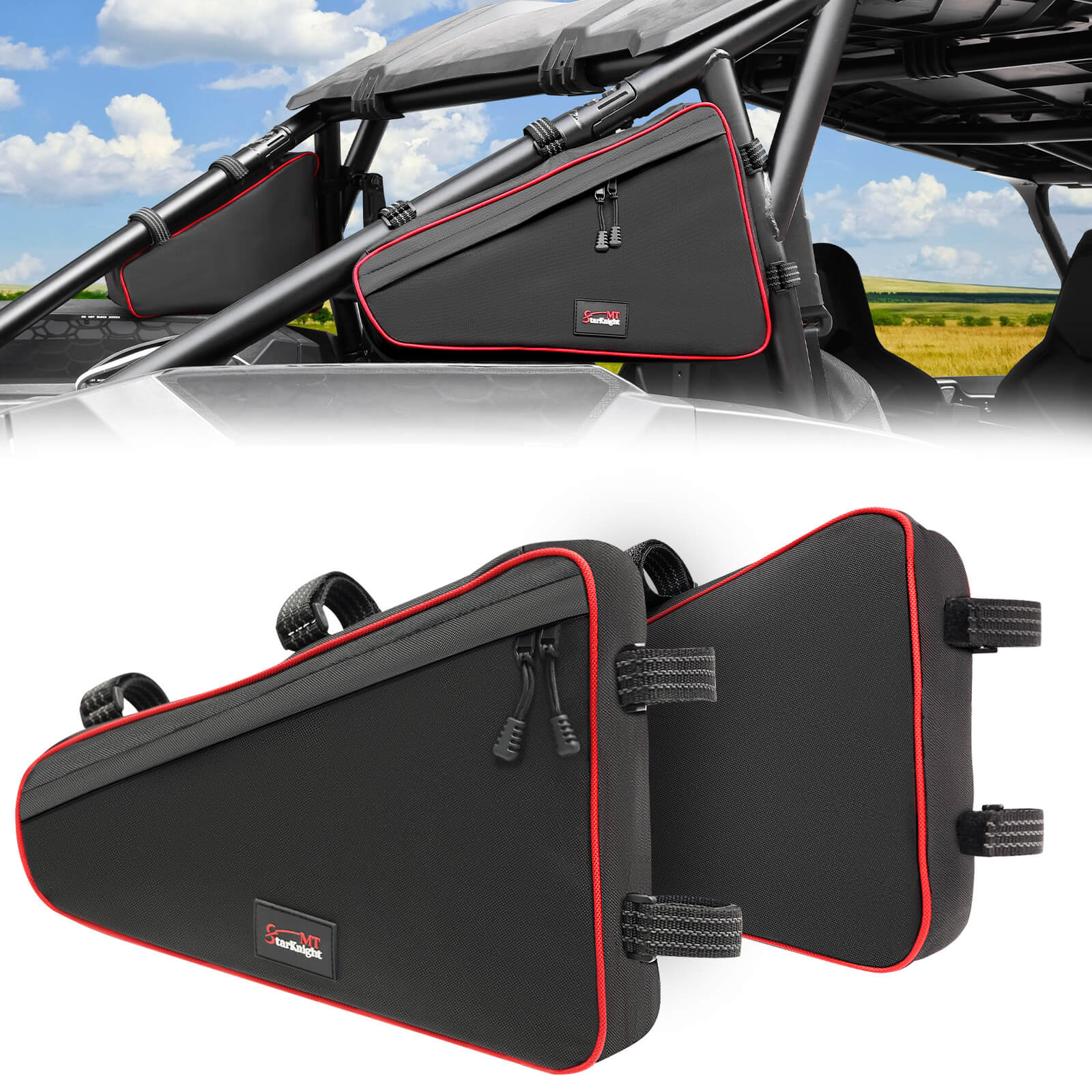
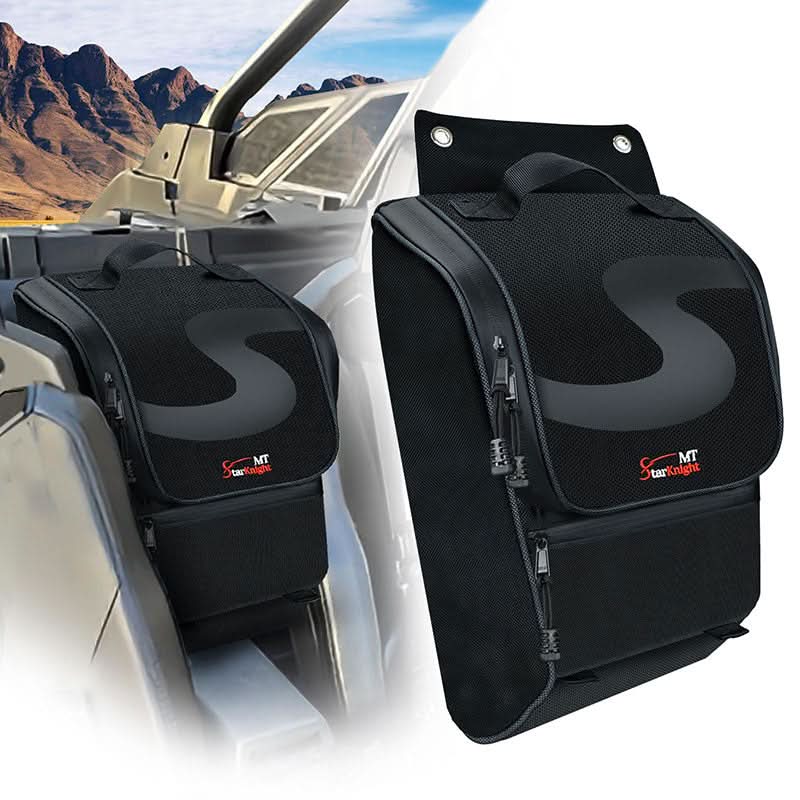
Soft storage bags have their place too. They can use otherwise wasted space around seats, doors, or the roll cage and are convenient for smaller items. Hard boxes make more sense when impact protection, security, or weather resistance is the priority.
How Weather-Resistant Should UTV Storage Be?
Terms such as “weather-resistant” and “waterproof” should not be treated as interchangeable.
A weather-resistant box may cope well with rain, mud splashes, and normal outdoor use – without being designed for complete submersion or direct high-pressure water aimed at every seal.
If you regularly pressure-wash your UTV, inspect the manufacturer’s guidance before spraying directly around storage-box seals, hinges, and latches.
For valuable or moisture-sensitive gear, it is also sensible to use additional protection inside the box. Even good seals can wear, become dirty, or stop seating correctly over time.
Regularly cleaning and inspecting the gasket is a small job that can prevent bigger problems later.
How to Compare UTV Accessory Brands for Value
UTV accessories occupy a wide price range, and comparing them by price alone rarely gives the full picture.
Instead, ask what you receive for the money.
Start with fitment. Is the accessory specifically designed for your model and year? Then check materials and included hardware. Look at whether installation requires permanent modification, and whether the part works with accessories already on the machine.
Warranty and replacement-parts availability can matter too. Hinges, latches, clamps, seals, and mounting hardware experience wear. Being able to replace a small component is better than replacing an entire accessory.
Customer reviews are useful when they discuss a buyer’s exact UTV model and product. Pay particular attention to comments made after several months of use, rather than reviews based only on unpacking and installation.
When evaluating options such as StarknightMT UTV accessories, use the same criteria you would for any other aftermarket manufacturer. Look at the individual product’s compatibility, construction, hardware, installation requirements, warranty, and suitability for your riding conditions, rather than choosing solely because of the logo on the product.
Premium Materials Don’t Have to Mean the Highest Price
“Premium” has become a loose term in the UTV market.
For a trail rider, premium might mean a windshield that remains clear and secure after repeated use. For a property owner, it could mean a storage box that keeps expensive tools protected. Someone riding in winter may care far more about tight seals and cab coverage.
Those needs are different, which makes a single definition of premium fairly useless.
Instead, look for evidence that money has been spent where it matters: appropriate materials, sturdy hardware, sensible mounting points, good seals, and thoughtful vehicle-specific design.
Extra features only add value when you use them.
A simple, well-fitting accessory can therefore be a better purchase than a more expensive alternative loaded with features that do not suit your riding.
Which UTV Upgrade Should You Buy First?
There is no universal upgrade order because UTVs do very different jobs.
For recreational trail riding, a windshield may be the most noticeable first addition, because it changes the amount of wind and debris reaching the cab.
For farm, ranch, or property work, secure storage may provide more everyday value. Tools, straps, gloves, and other equipment are easier to manage when they have a fixed place.
Cold-weather riders may benefit most from gradually improving cab coverage with a windshield, rear window, doors, and roof.
Before buying anything, spend a few rides paying attention to what actually annoys you. Wind? Dust? Lack of storage? Cold air? Loose equipment?
Solve that problem first.
Final Thoughts
Good UTV accessories do not need to make a machine look heavily modified. Their value becomes obvious when they fit without constant adjustment, stay quiet over rough terrain, protect occupants and equipment, and continue doing their job after repeated use.
Fitment should therefore come before appearance. Check the exact model and year, confirm compatibility with existing parts, examine the materials and hardware, and understand what installation involves. For storage, think about weather protection and security. For cab upgrades, consider how the windshield, rear window, roof, and doors will work together rather than treating each piece separately.
StarknightMT has shown an understanding of the practical things UTV riders look for, including straightforward fitment, useful protection, accessible upgrades, and value for money. That makes the brand one option worth comparing, but the final decision should still come down to the individual product and how well it suits your machine and riding conditions.
The best accessory is usually not the one with the longest feature list. It is the one you install, use regularly, and rarely have to think about again.