

For years – enthusiasts, technicians, and independent shops have all been saying the same thing: Modern cars are getting harder to work on for no good reason. Not better. Not safer. Just harder. It comes down to support & serviceability… vs control. And what’s interesting now – is that two German manufacturers, historically cut from similar cloth, appear to be moving in completely opposite directions.
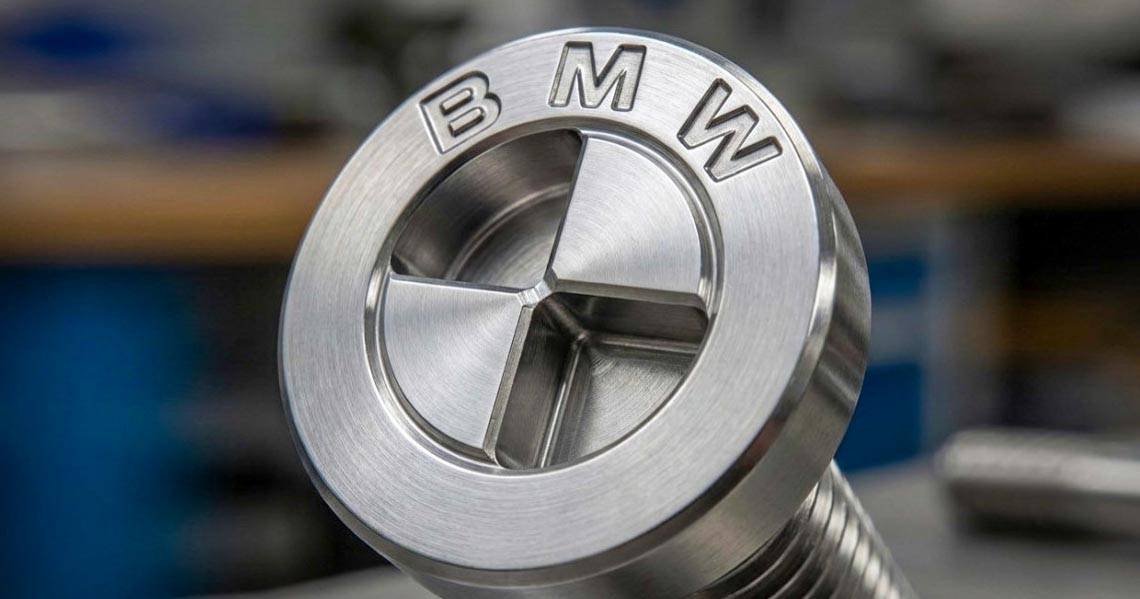
Mercedes-Benz is openly talking about making cars easier to service. BMW, meanwhile, just patented a proprietary, logo-branded bolt/fastener that requires a special tool only they control. That contrast says a lot about where each brand thinks the future is headed… more than any marketing slogan ever could.

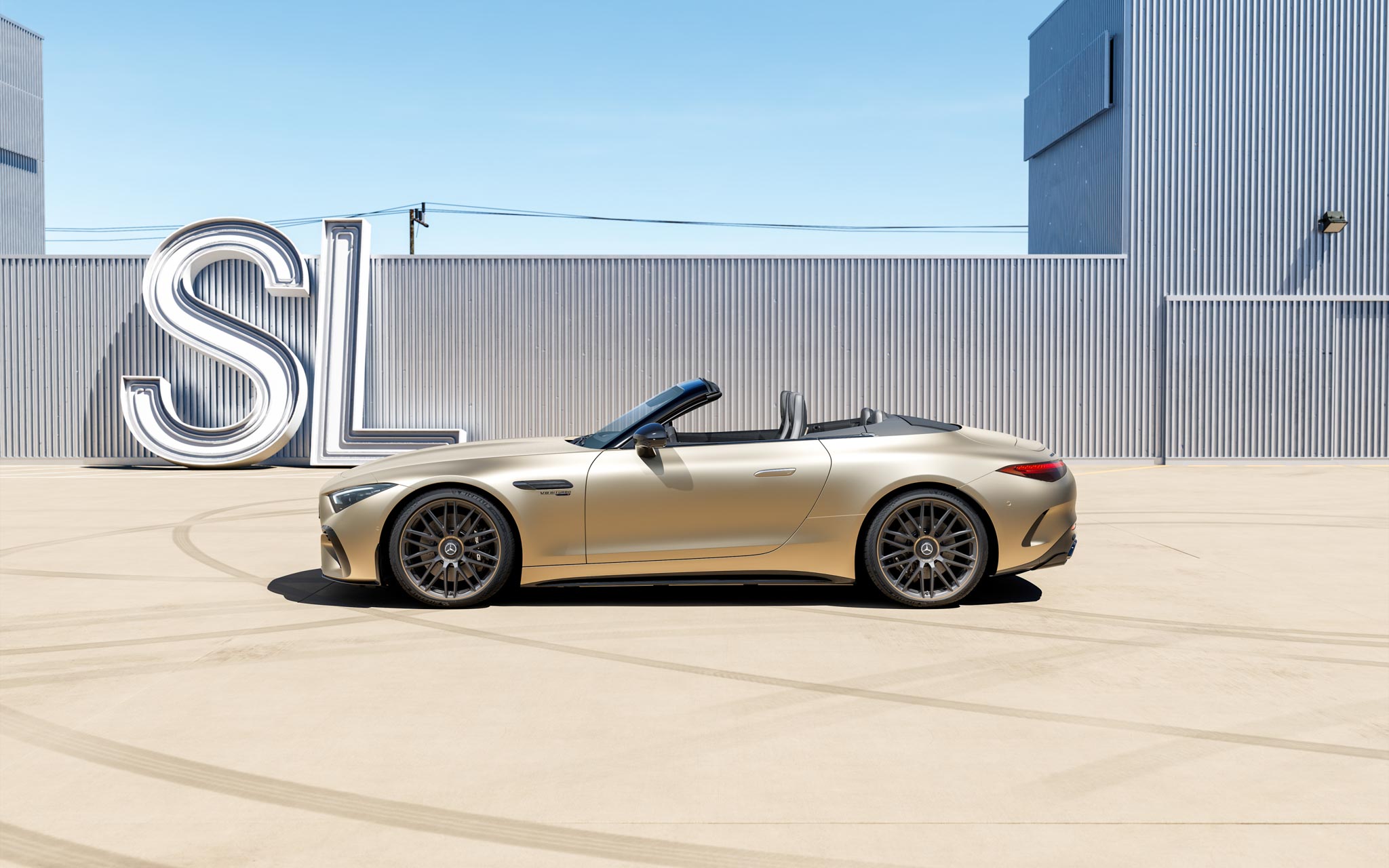
You see, Mercedes-Benz is admitting the problem exists by saying the quiet part out loud… without actually saying it.
Mercedes acknowledges that modern vehicles have become too complex, and that’s a bigger deal than it sounds. It’s an admission that even their own technicians are losing time to unnecessary design decisions.
When a manufacturer says they want to make cars easier to work on, what they’re really talking about is reducing labor time, improving diagnostic efficiency, cutting warranty costs, and retaining technicians in a shrinking labor pool.
That last one matters more than most people realize. The industry is bleeding experienced techs, and cars that are miserable to service don’t help.
And historically, when cars become easier to service, a few things tend to follow: Parts availability improves, the repair costs stabilize, programming steps become less ridiculous, and ownership becomes less intimidating. Not overnight, but over time. This isn’t Mercedes being generous. It’s Mercedes being practical.
Quite honestly, this is how progress used to work. Early automotive innovation didn’t spread because companies were nice – it spread because good ideas worked… and made good cars.
Ford didn’t invent the automobile, but the assembly line changed everything. Other manufacturers adopted it, improved it, and set new standards. The same thing happened later with standardized fasteners, modular platforms, and shared service logic. One company would simplify something… and another would refine it. And eventually, the whole industry benefitted.
That’s the hope with Mercedes’ direction. Not that they suddenly become “easy”… but that they stop being needlessly difficult. And that others will take notice.
However with BMW’s Patent: This Feels Different, Bad Different.
BMW’s newly patented fastener doesn’t really fit into that historical pattern. We’ve talked before about defensive patents – ideas that companies lock down so someone else can’t abuse them. This doesn’t look like that.
A logo-branded bolt requiring a proprietary tool doesn’t do anything beneficial. Not in safety, not in maintenance and definitely not in engineering. What it does do is control access. Control over who can work on the car, the tools available, approved shops, and most importantly – the money.
That’s not innovation. That’s ecosystem lock-in. It’s reminiscent of what people feel with Apple, but at least with Apple I can use other brands with my device.
And when you zoom out – it fits neatly alongside serialized parts, locked ECUs, dealer-only programming, and subscription features that used to be options. It’s not subtle – and it’s not consumer-friendly.
Right-to-Repair Didn’t Appear Out of Thin Air.
Right-to-Repair legislation exists because the market stopped correcting itself. When manufacturers control software, tools, and parts access after the sale, ownership becomes conditional.
Mercedes making cars easier to service works with the spirit of Right-to-Repair – even if they never say the words out loud.
BMW’s approach does the opposite. It all but invites more aggressive regulation, which historically never ends the way manufacturers hope it will.
The irony is that companies willing to cooperate early often help shape the rules. Whereas the ones that resist usually get boxed-in by them.




Ownership Has Changed – OEMs Need to Catch Up.
Between inflation, interest rates, vehicle pricing, and distrust in many out-of touch OEMs… people are holding onto cars longer than ever. The average age of cars in the US reached a record high of 12.8 years in 2025.
When vehicles become harder to repair, independent shops stop recommending them… and even turn away some vehicles. The cost of insurance goes up due to repair cost, long-term value plummets, and people begin to walk away from their favorite brands. Loyalty erodes.
Hardcore, on-the-pulse enthusiasts are usually the first to walk… and they’re also the ones who convince friends & family what to buy.
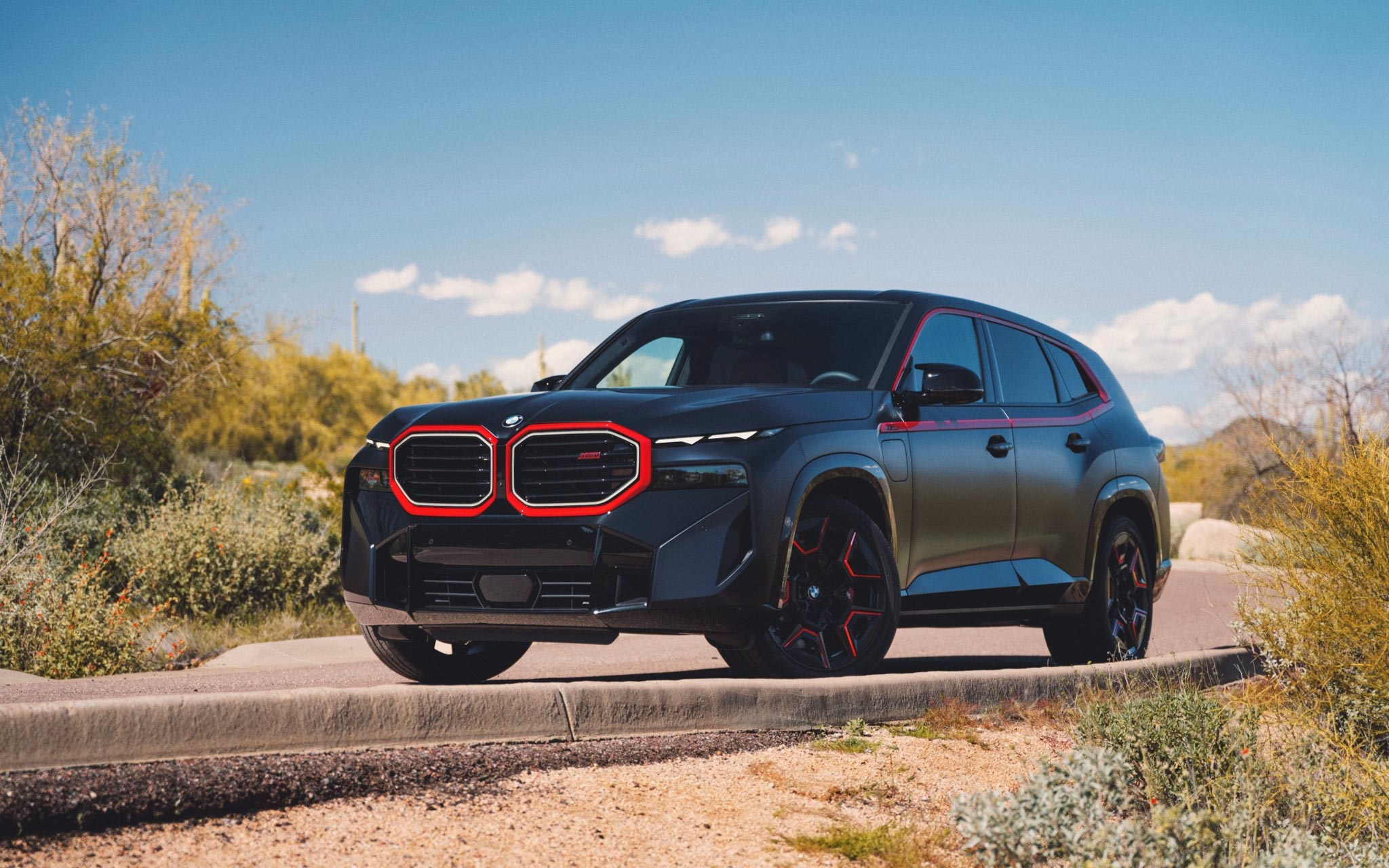
Mercedes seems to understand the reality, while BMW seems to be arrogantly betting against it. Using new technologies to ‘trap customers’ seems to be a pattern with BMW. Remember when they tried to enact a monthly subscription to use your heated seats?


That Jim Farley Energy. I know, but….
There’s something oddly familiar about BMW’s apparent direction. The hyper-control. The locked systems. The belief that ownership should stay permanently tethered to the manufacturer.
It feels like a Jim Farley fever dream. If that’s the future BMW wants to chase, fine – but maybe Farley should explore that over there and leave Ford alone. Domestics built their reputations on being serviceable, rebuildable, and human. Losing that would be a mistake, especially when Chinese car manufacturers are knocking on the door.
Two Philosophies; one Fork in the Road…
At its core, this isn’t about brand loyalty, it’s about mindset. One approach asks: “How do we build cars people can live with?” The other asks: “How do we make sure they never leave?”
History has shown which one ages better. Let’s hope Mercedes sticks to its word. And let’s hope BMW rethinks where this path leads. Cars became great not by being locked down – but by being understood, improved, and shared.
Article by David S. Windsor