
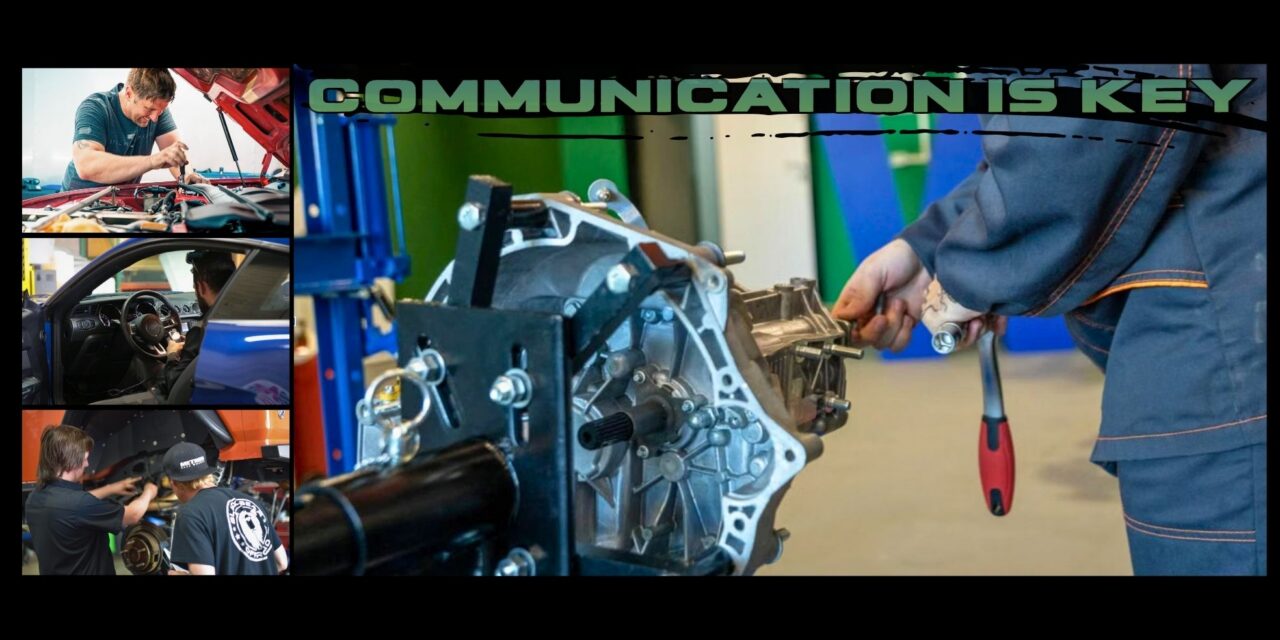

Automotive education is often associated with engines, diagnostics, electronics, design, and practical workshop experience. Yet technical ability alone is rarely enough for long-term success.
Students must also explain what they tested, why they chose a method, and what their results mean. Clear writing turns practical knowledge into information that instructors, engineers, and future employers can understand.
For automotive students, strong communication skills are therefore part of technical competence. Reports, research assignments, project documentation, and presentations all require precise language alongside engineering knowledge.
Automotive Engineering Is More Than Hands-On Work
Working on a vehicle can teach lessons that are difficult to reproduce in a classroom. Students learn how components interact and how small changes affect performance, reliability, or safety.
However, practical work usually needs to be documented. An instructor may ask students to describe a diagnostic procedure, compare components, or justify a repair decision.
A student might correctly identify a failing fuel injector, but struggle to explain the evidence. Another may design a strong suspension setup, yet produce a confusing project report.
Writing connects those practical decisions to engineering reasoning. It shows not only what happened, but also how the student reached a conclusion.
Technical Reports Require Clear Thinking
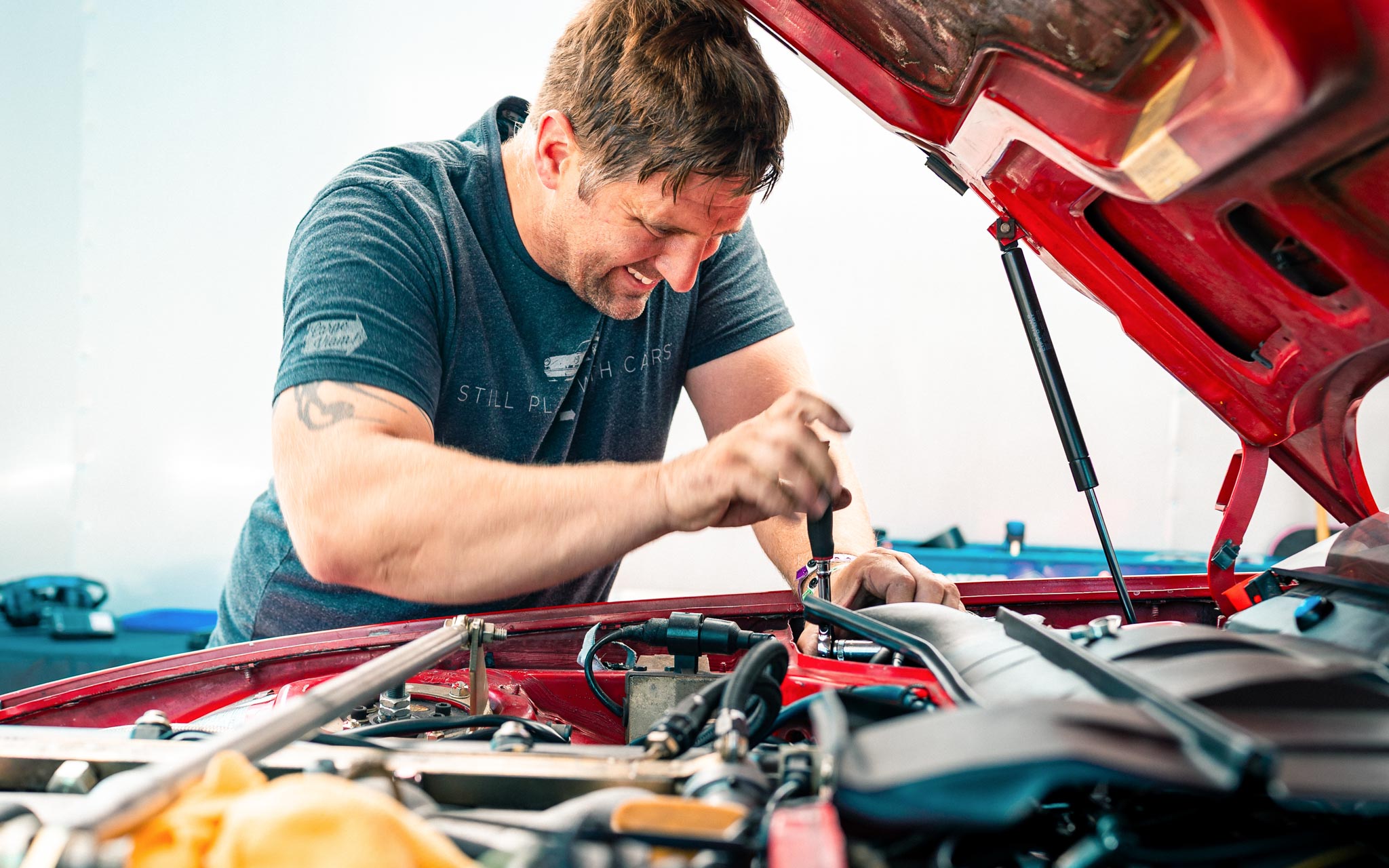
A good automotive report is not simply a longer version of workshop notes. It should present information in a logical order, and separate observations from assumptions.
Students may need to describe:
- diagnostic procedures and test conditions;
- vehicle symptoms and measured values;
- component specifications and technical limitations;
- calculations, findings, and engineering conclusions;
- recommendations for further testing or repair.
These details help readers follow the reasoning behind a technical decision. They also make the work easier to review, reproduce, and assess.
Weak explanations can hide good technical work. Clear documentation, by contrast, demonstrates that the student understands both the process and the result.
Academic Writing Builds Research Skills
Automotive technology changes quickly. Modern students study electric powertrains, advanced driver assistance systems, vehicle networks, battery management, and increasingly complex electronics.
Finding information is easy. Deciding which information deserves trust is much harder.
Research assignments teach students to compare technical sources, question unsupported claims, and separate reliable data from online opinion. Those habits become valuable far beyond university.
A student researching engine modifications, for example, may encounter forum discussions, marketing claims, manufacturer specifications, and independent testing. Each source serves a different purpose.
Academic writing forces the researcher to evaluate those differences before presenting a conclusion.


Managing Technical Courses and Written Assignments
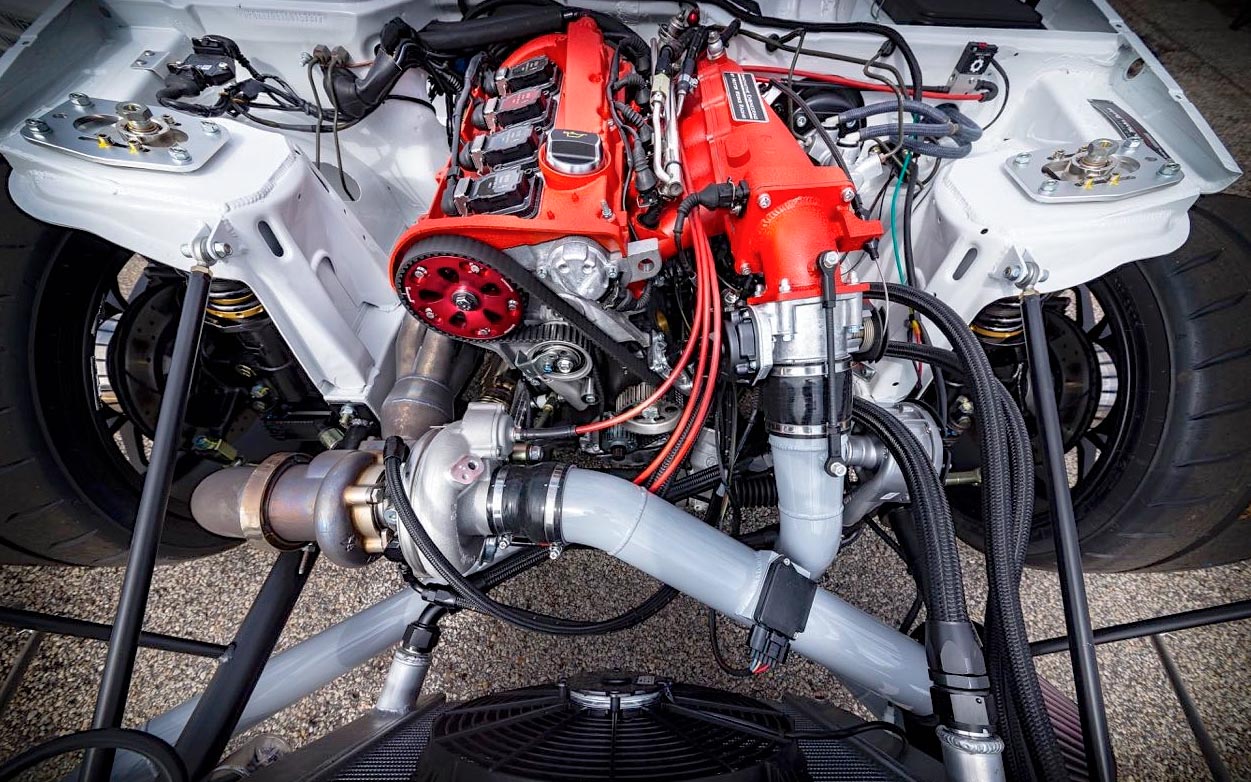
Engineering programs can also create demanding workloads. Workshop sessions, mathematics, design projects, laboratory work, and written assignments often compete for the same limited time.
Engineering students often balance practical training with demanding academic assignments. Research papers, technical reports, and coursework can require significant time and attention. When managing several deadlines, some students look for additional academic guidance, including services such as those that write custom essays with EduBirdie. Such resources can help students better understand academic structure and writing expectations.
Any outside support should still be used responsibly. Students gain the most value when guidance helps them understand structure, research, argumentation, and academic expectations rather than replacing learning.
Strong writing becomes easier when students treat it as another technical skill. Improvement comes through practice, feedback, revision, and attention to detail.
Good Documentation Matters in Real Automotive Careers
Written communication does not disappear after graduation. In many automotive roles, it becomes even more important.
A technician may need to record diagnostic findings for another employee. An engineer might prepare testing documentation for a design team. A motorsport specialist could analyze performance data before discussing setup changes.
Even routine workshop communication depends on accuracy. A vague note can create confusion, wasted time, or unnecessary work when another person takes over the vehicle.

Different Roles Require Different Forms of Writing
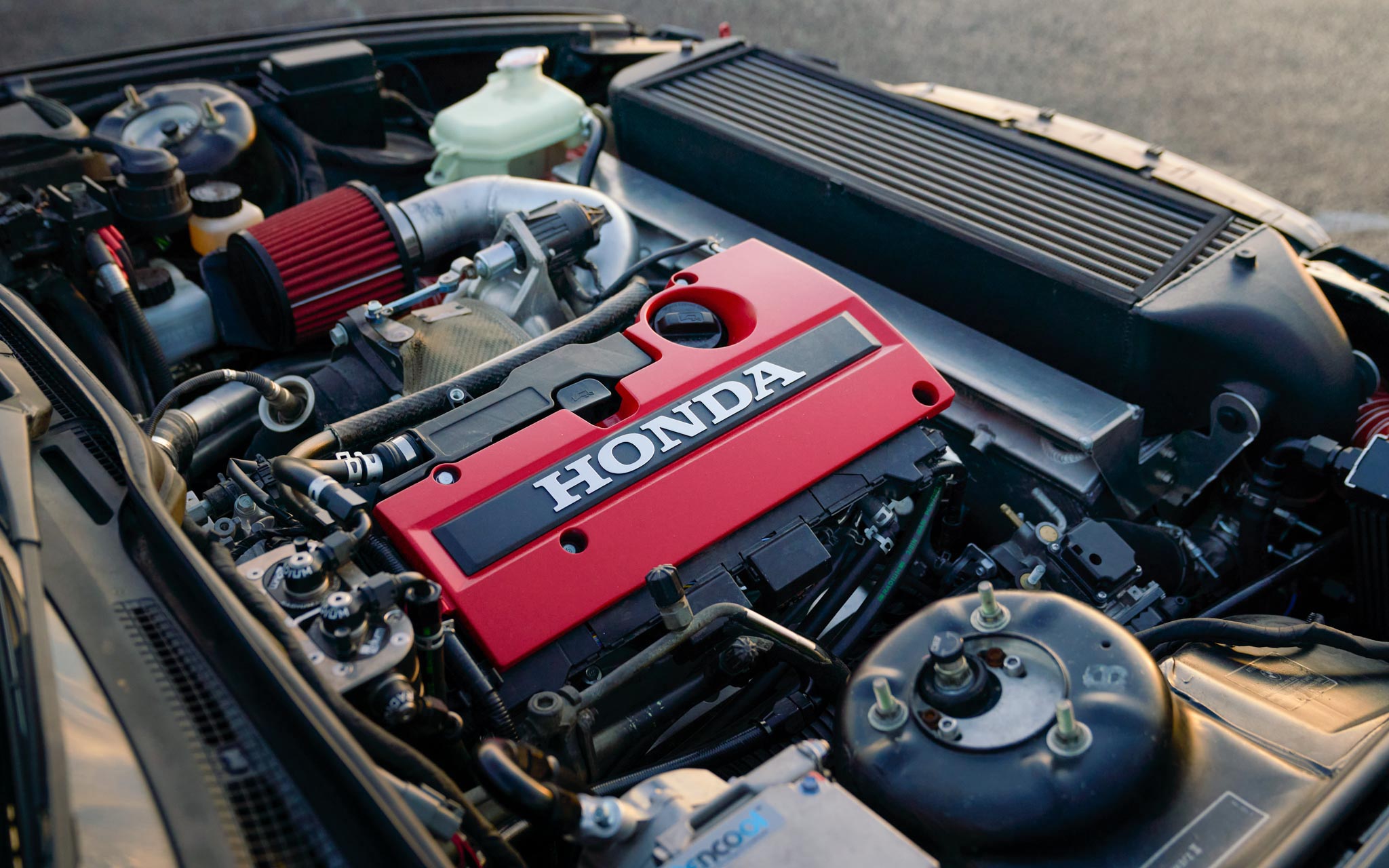
The automotive industry includes far more than mechanical repair. Students may eventually work in engineering, manufacturing, motorsport, testing, software, aftermarket development, or technical support.
Each area creates its own communication demands.
Engineering teams use reports to explain design decisions. Test departments document procedures and results. Service professionals record faults, repairs, and recommendations.
Technical writers may prepare manuals, while project managers communicate schedules, risks, and requirements across several departments.
The format changes, but the underlying skill remains similar. Professionals must turn complicated information into language that other people can use.
Writing Can Improve Diagnostic Reasoning
Writing is often treated as a way to present completed work. In reality, it can also improve the thinking process itself.
Imagine that a student must explain why an engine loses power under load. Writing the diagnostic sequence forces that person to arrange evidence logically.
Was fuel pressure tested first? Were ignition faults ruled out? Did scan data reveal abnormal sensor readings?
Putting those steps into words can reveal missing evidence or weak assumptions. A conclusion that sounds convincing in conversation may seem less certain when written down.
This process closely resembles structured troubleshooting. Both require evidence, sequence, comparison, and a defensible conclusion.

Precision Matters in Both Writing and Engineering
Automotive work leaves little room for ambiguous measurements or unclear instructions. The same principle applies to technical communication.
Saying that a component is “bad” provides little useful information. Explaining that its measured resistance falls outside the manufacturer’s specified range gives the reader evidence.
Specific language also makes reports easier to evaluate. Instead of writing that a vehicle “performed better,” students can describe measurable changes in temperature, braking distance, fuel consumption, or output.
The goal is not to make the language complicated. Good technical writing usually makes complicated ideas simpler.
Communication Strengthens Teamwork
Modern vehicles are developed and maintained by teams. Mechanical specialists, electronics technicians, software engineers, designers, and managers frequently work on the same project.
Communication gaps can create problems even when every individual understands their own task.
A well-written project update helps teammates see what has already been tested, and what remains unresolved. Accurate notes also prevent the same diagnostic steps from being repeated unnecessarily.
Students who practice documentation during their education are better prepared for this collaborative environment. They learn to communicate beyond their own area of expertise.

How Automotive Students Can Improve Their Writing
Developing strong writing skills takes regular practice. Automotive students should focus on presenting technical information clearly, organizing their ideas, and supporting conclusions with evidence. These skills are useful in both academic assignments and future engineering roles.
Effective study techniques can make this process easier. Students can divide large assignments into smaller tasks, create a study schedule, and review technical concepts regularly. Taking structured notes during lectures and practical sessions also helps organize information before writing reports.
Another important step is to consider the intended reader. An instructor may expect detailed explanations of calculations and testing procedures. A workshop colleague, however, may need short and precise instructions. Adjusting the level of detail helps make technical documents more useful.
Revision is equally important. After completing a first draft, students should check whether each section follows a logical order. They should also review technical terms, measurements, calculations, and conclusions. Reading the text aloud can help identify unclear sentences and unnecessary repetition.
Finally, students can learn from professional materials. Service manuals, engineering reports, and technical publications provide examples of accurate language and clear explanations. Studying these formats helps students understand how to communicate complex automotive information in a professional way.
Final Thoughts
Automotive students need practical ability, curiosity, and strong technical foundations. Yet those skills become more valuable when students can explain their reasoning clearly.
Writing supports research, diagnostic thinking, teamwork, documentation, and professional communication. It also helps students prove that they understand the decisions behind their work.
Cars may be built from mechanical, electrical, and digital systems, but the automotive industry still depends heavily on people sharing information. Students who can both solve technical problems and communicate their solutions enter that industry with a broader set of useful skills.