


The automotive world rewards curiosity. Whether someone studies engineering, builds project cars, works in a garage, or follows motorsport, good decisions depend on reliable information.
Cars are complex systems where mechanical, electrical, and digital technologies interact. One incorrect assumption about a component, modification, or diagnostic result – can lead to wasted money or poor performance.
Research skills help students and enthusiasts move beyond guesswork. They make it easier to compare evidence, understand technical data, and choose solutions based on facts – rather than online opinions.
Automotive Knowledge Requires More Than a Quick Search
The internet contains an enormous amount of automotive information. Drivers can find forum discussions, videos, technical manuals, product reviews, and manufacturer specifications within minutes.
The problem is not finding information. The real challenge is deciding what deserves trust.
A forum post may describe a successful turbo setup, while another driver reports engine failure with similar parts. Both experiences can be genuine, yet neither tells the complete story.
Variables matter. Fuel quality, engine condition, tuning, climate, driving style, and installation methods can produce very different outcomes.
Learning to research teaches people to look beyond one source, and compare the wider context.

Reliable Sources Make Better Decisions Possible
Good automotive research usually combines several types of evidence. Each source offers a different perspective.
Useful sources may include:
- manufacturer service manuals and technical bulletins;
- peer-reviewed engineering studies and academic journals;
- independent vehicle tests and performance measurements;
- professional diagnostic information and repair databases;
- experienced specialists who explain their methods clearly.
No single source answers every question. Comparing several forms of evidence provides a stronger foundation for technical decisions.
Students also learn to check publication dates, authorship, testing conditions, and methodology. Those habits are useful when evaluating everything from brake upgrades to battery technology.

Research Helps Students Understand How Cars Actually Work
Memorizing specifications is not the same as understanding a vehicle.
An automotive engineering student may know the compression ratio of an engine. Research becomes valuable when that student asks why the ratio matters under different operating conditions.
The same principle applies to suspension geometry, aerodynamics, cooling systems, electric motors, and vehicle electronics.
Research encourages deeper questions. Instead of asking which modification is best, students learn to ask what problem the modification should solve.
That shift produces better technical thinking.

Academic Research Builds Practical Skills
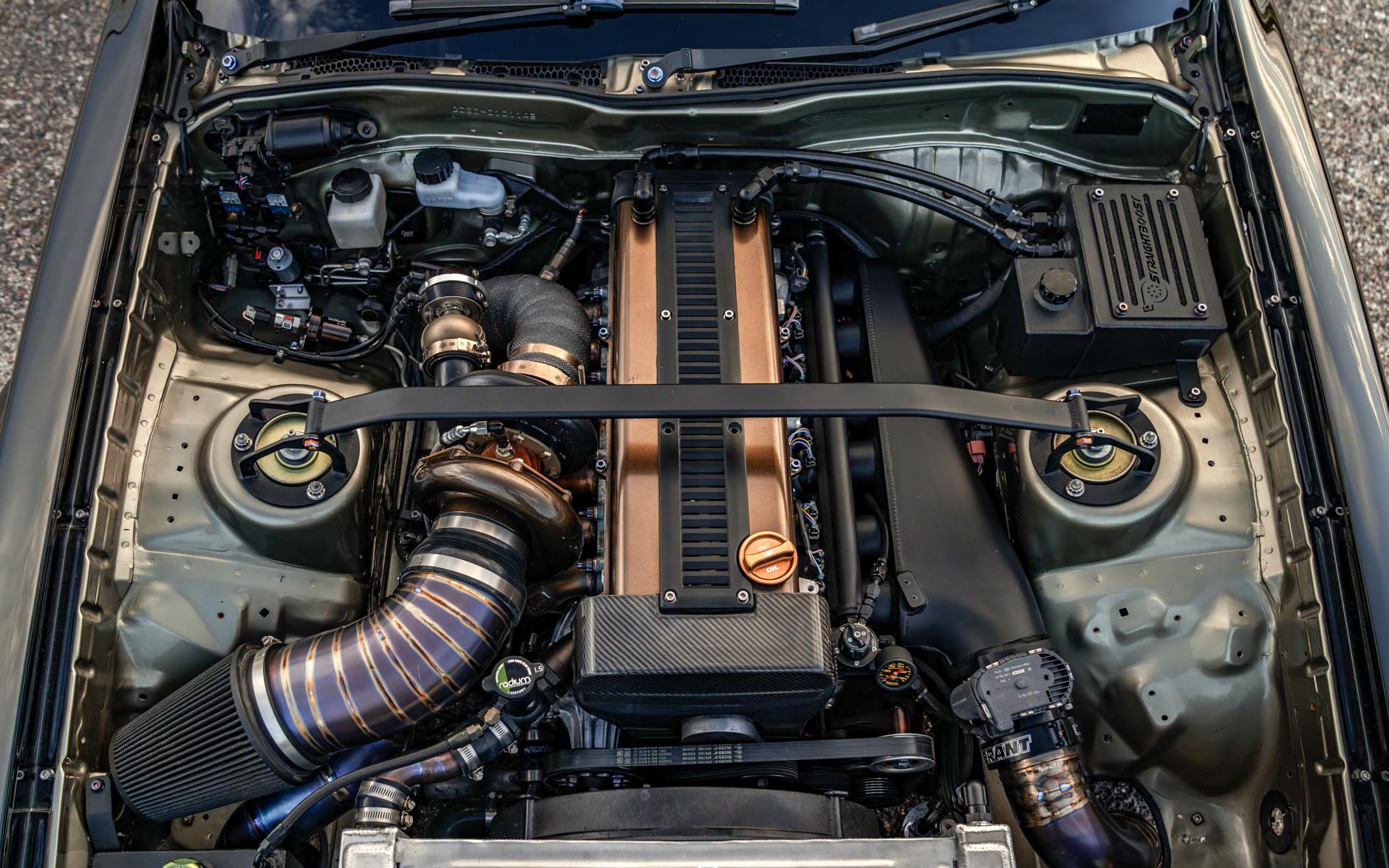
Research papers may seem distant from practical workshop experience. However, the two are closely connected in automotive education.
A student might examine how tire pressure affects rolling resistance, or how brake temperature influences stopping performance. Such projects combine technical knowledge, published research, and practical testing. They also teach students to support their conclusions with reliable evidence.
Automotive engineering students often balance research assignments with laboratory sessions and hands-on training. When several deadlines overlap, managing this workload can become challenging. Some students explore additional academic resources, including services that allow them to buy research papers. However, external support should complement the learning process rather than replace it.
Understanding how research works remains essential. Students need to evaluate sources, compare technical findings, and understand the arguments behind their conclusions. These skills become even more valuable when theoretical knowledge is applied to real vehicles.


Research Can Prevent Expensive Modification Mistakes
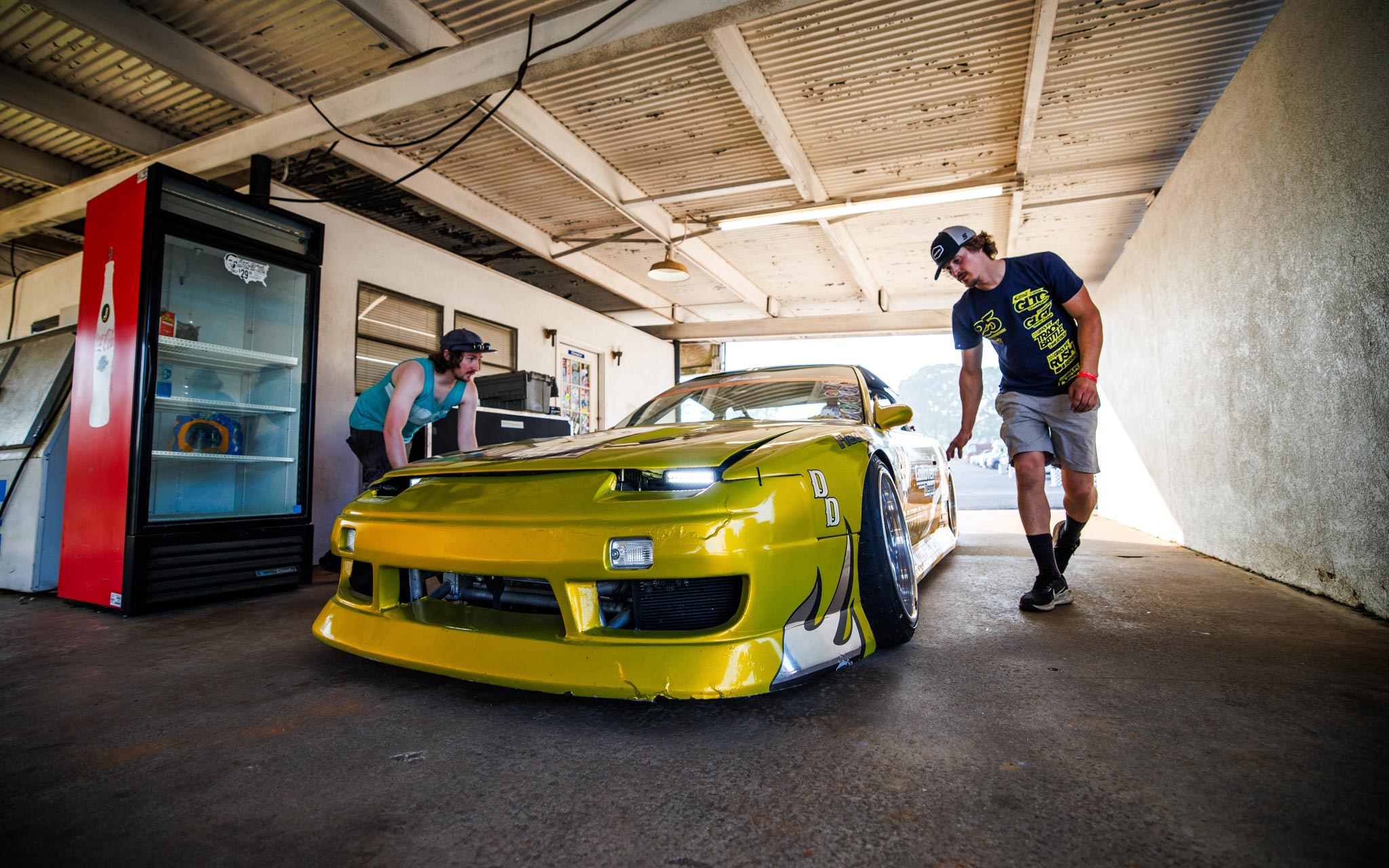
Car enthusiasts often learn through experimentation. That’s part of what makes project cars enjoyable.
However, trial and error becomes expensive when every mistake requires new parts.
Imagine someone wants to lower a street car. Choosing springs based only on appearance may create poor suspension geometry, reduced travel, or excessive tire wear.
Better preparation starts with specific questions:
- Determine how the vehicle is currently used.
- Check suspension geometry and factory specifications.
- Compare spring rates and damper compatibility.
- Research alignment requirements after lowering.
- Review real-world results from comparable builds.
The final choice becomes easier once the problem is clearly defined.
Research does not remove experimentation from car culture. Instead, it helps enthusiasts experiment with better expectations and fewer avoidable mistakes.
Technical Claims Need Evidence
Automotive marketing is full of impressive numbers.
A product may promise more horsepower, lower temperatures, improved fuel economy, or better handling. Those claims deserve examination before they influence a purchase.
Dyno results, for example, only become useful when testing conditions are understood. Temperature, fuel, correction factors, vehicle condition, and tuning can all affect the numbers.
The same applies to acceleration tests and braking distances. A headline figure rarely tells the entire story.
Students who develop strong research habits learn to ask where a number came from and how it was measured.



Good Research Separates Data From Opinion
Personal experience has value in automotive culture, but experience and evidence are not identical.
A driver may genuinely feel that a new intake improves throttle response. Measuring airflow or acceleration could show whether that impression reflects a measurable change.
Neither perspective needs to be dismissed. The goal is to understand what each type of information can prove.
That distinction becomes especially important in engineering, diagnostics, and product development.
Research Skills Improve Automotive Diagnostics
Modern diagnostics involves far more than reading an error code.
A trouble code identifies where the control system detected a problem. It does not always identify the failed component.
Replacing parts immediately can therefore become expensive.
A better diagnostic process combines service information, wiring diagrams, sensor data, test results, and known failure patterns. Research supports every stage of that process.
Technicians who know how to locate accurate technical information can test a theory before replacing a component. They also avoid relying entirely on assumptions based on previous repairs.
The same mindset benefits students learning fault finding in laboratories or workshops.
The Automotive Industry Keeps Changing
Research skills become even more valuable as vehicles evolve.
Electric powertrains, advanced driver assistance systems, software-defined features, connected vehicles, and new battery technologies are changing automotive engineering.
Knowledge gained several years ago may no longer cover every system found in a modern car.
Professionals therefore need to keep learning throughout their careers. Knowing how to research makes that process faster and more reliable.
Someone who understands how to evaluate evidence can adapt when new technology appears. That ability may prove more valuable than memorizing one generation of hardware.
Final Thoughts
Automotive culture has always encouraged people to learn by doing. Research adds another layer to that practical approach.
It helps students understand engineering concepts, improves diagnostics, reduces costly modification mistakes, and makes technical claims easier to evaluate.
Good research does not mean trusting every chart, paper, or expert. It means asking better questions, and comparing evidence before reaching a conclusion.
For automotive students and enthusiasts, that habit supports better projects today, and stronger technical judgment in the future.