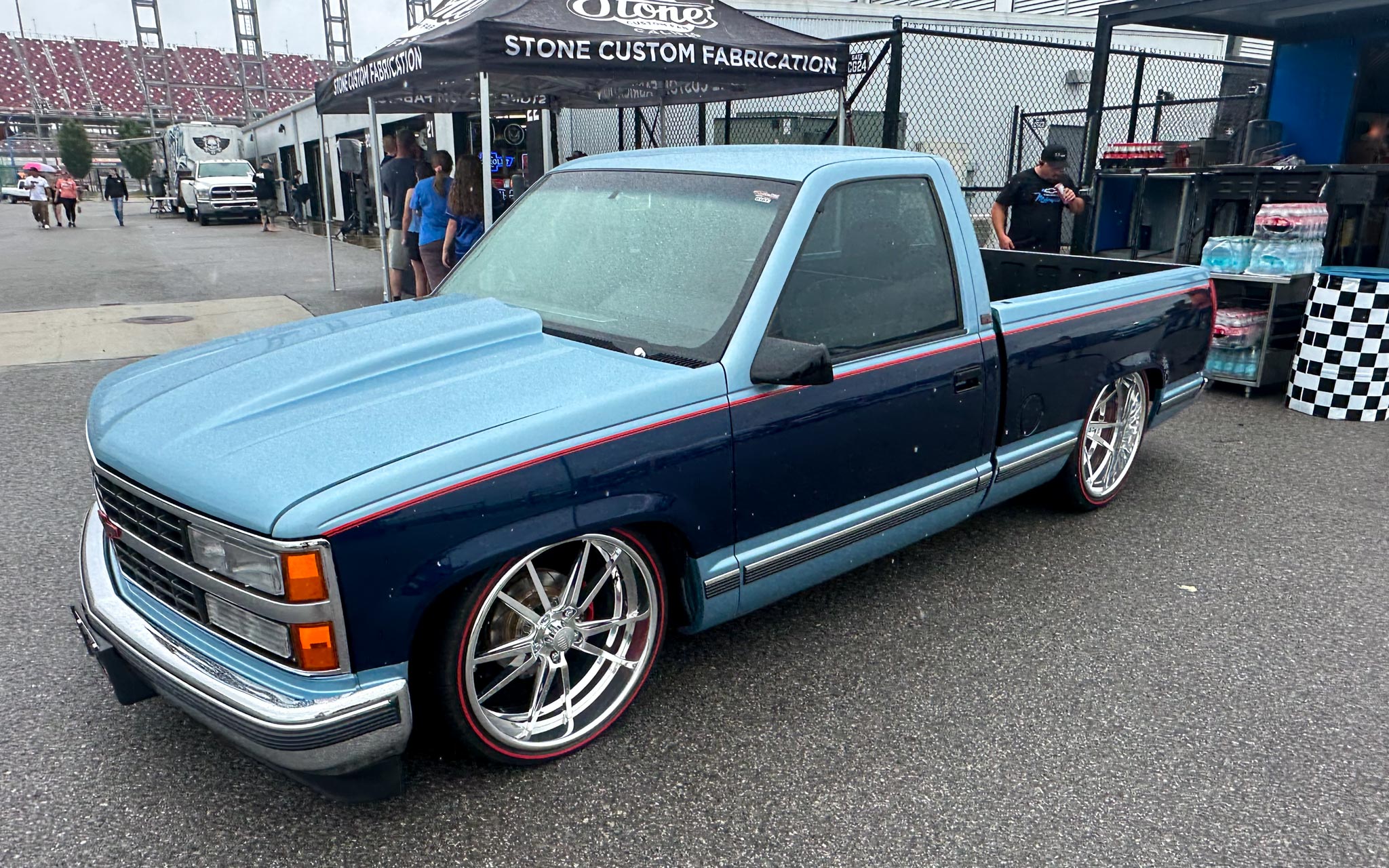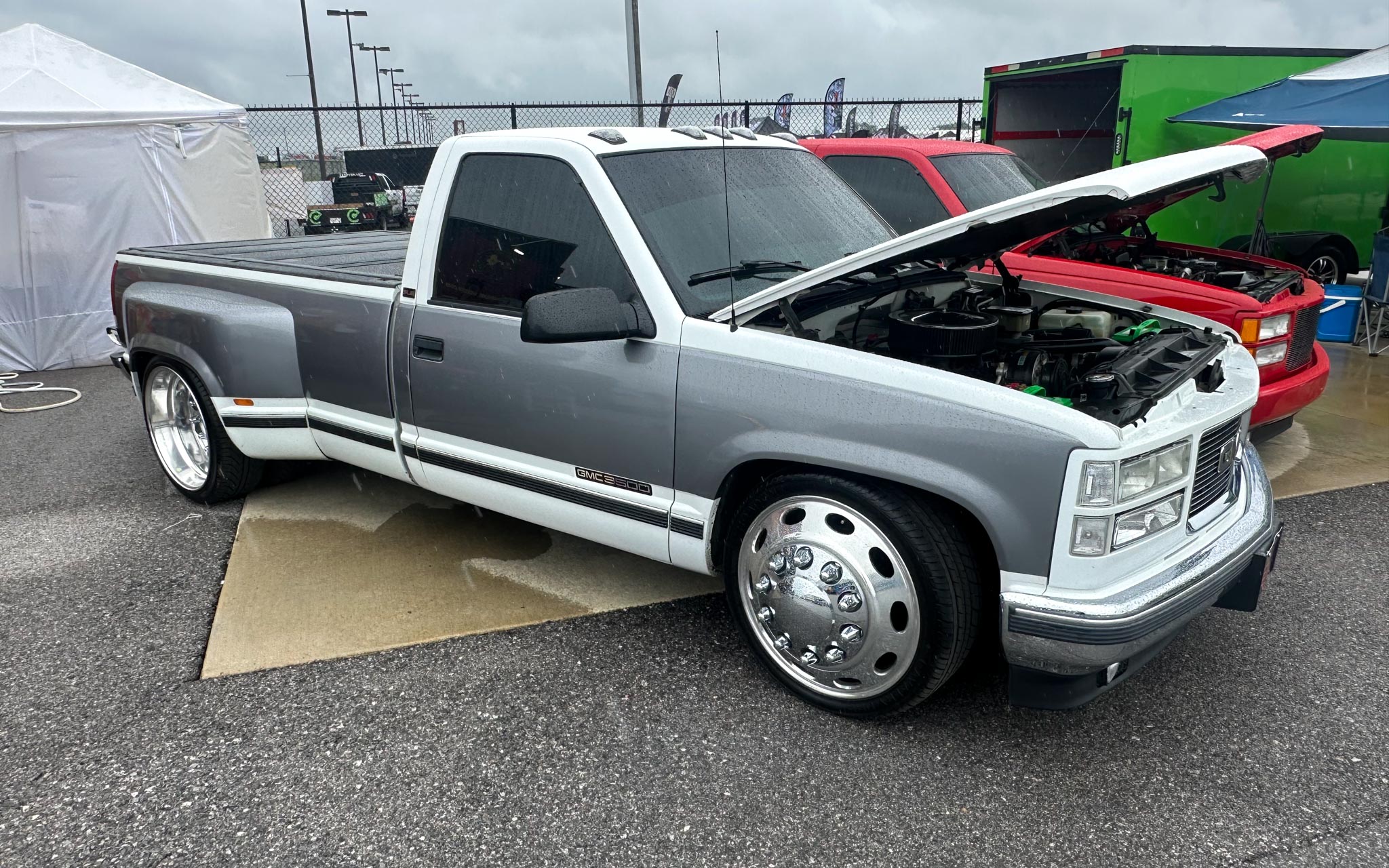

Time has proven OBS trucks right. They’ve hung around long enough for the world to get bloated, over-designed, overcomplicated, and out of touch. And while nostalgia is a part of it, people aren’t buying OBS trucks just for nostalgia. It’s more of… a correction. A reminder. And a big, steel middle finger to the idea that newer automatically & unquestionably means better.

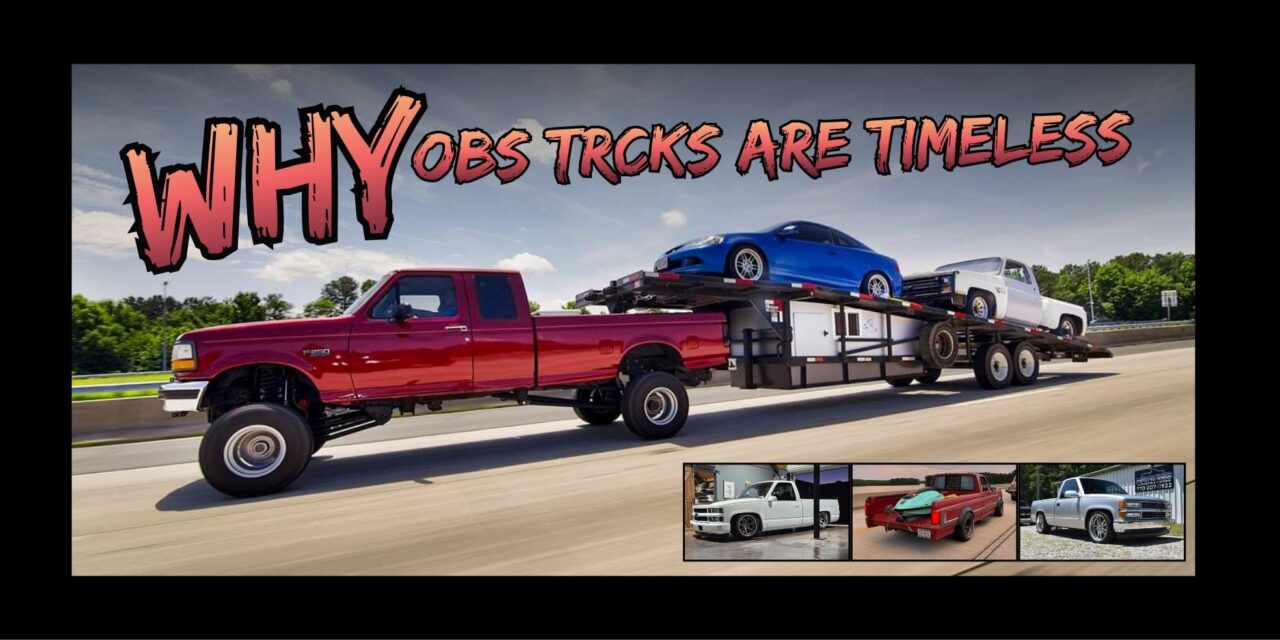
What makes OBS trucks timeless…
It’s not just the shape, although that sure as hell helps. OBS trucks came out of a very specific sweet-spot in truck history. By the late ’80s and early ’90s, The Big Three (Ford, GM, and Mopar) had figured out that trucks could be more livable, more aerodynamic, and more refined without completely sanding off their backbone. Chevrolet’s all-new 1988 full-size pickup bragged about its “efficient, new aerodynamic shape,” with smooth lines and rounded contours. Ford’s 1992 truck literature said the F-Series front-end had been redesigned for a more aerodynamic look & paired that with a more driver-friendly, more “car-like” interior. Read that again. Even back then, carmakers knew truck buyers wanted more comfort. The difference is – these trucks got comfortable without turning into rolling iPads, bedazzled in sensors & apps, wearing designer work boots.
“Chevys are better… just sayin.” – Josh Haywood
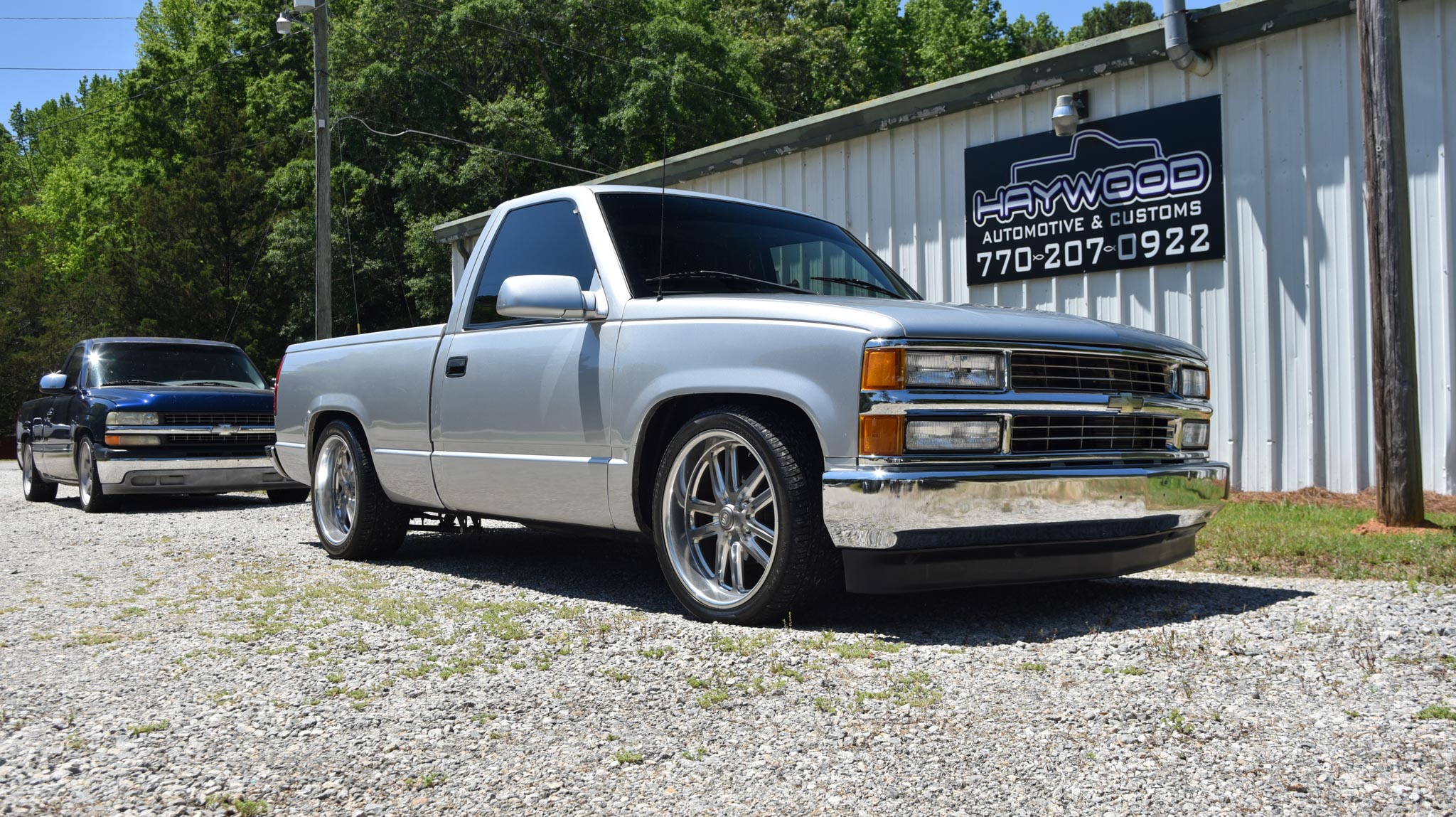

Authenticity is a main factor in the OBS truck magic…
OBS trucks look honest. They still look like trucks. They’re cleaner than the squarebodies that came before them, but they hadn’t yet fallen into the melted-plastic, oddly/over-designed cues that characterize modern pickups. The OBS generation has definition. Straightforward sheetmetal & real proportions… that still feel like they were drawn by someone with a ruler. They’re aerodynamic enough to feel modern & refreshing for their time, but not so softened that they lost their identity. That balance is exactly why they haven’t aged out. They were modernized just enough, then exited stage-left before the industry disappeared up its own backside.
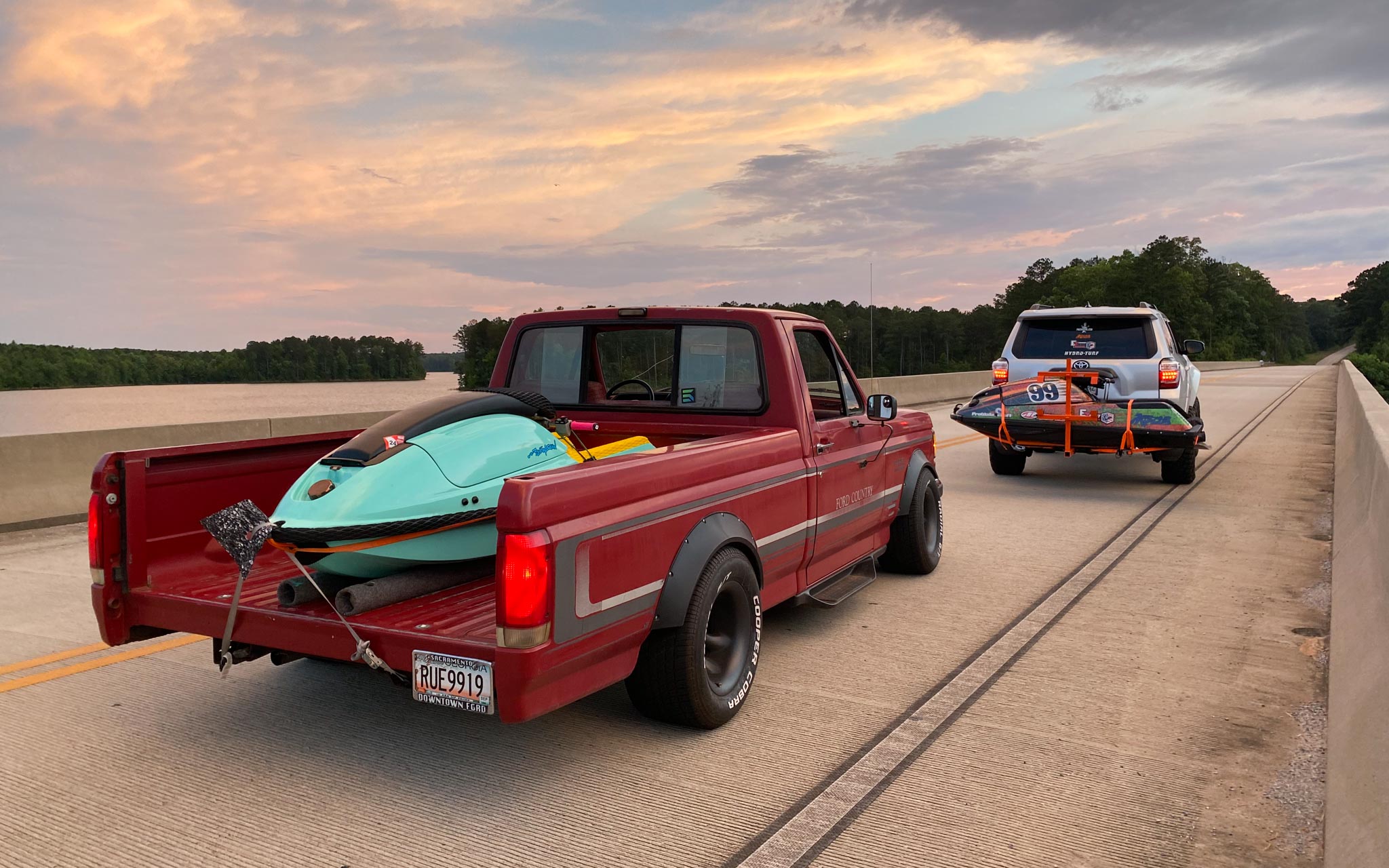

Then there’s the mechanical side of OBS trucks…
They’re not just cool… but useful. OBS trucks landed in that wonderful in-between era – where you could get the benefits of electronic fuel injection & improved drivability… without burying the whole vehicle under layers of digital nonsense. Ford’s late OBS-era brochures leaned heavily on EFI and even called the 7.3L direct-injection turbo diesel its most advanced diesel engine ever in a pickup. GM’s later GMT400 material pushed the breadth of its Vortec lineup & the long-service reputation of those engines. That means these trucks were old-school in the right ways… not the annoying ways. They’ll fire up, run clean, take abuse, and usually let a competent owner fix a lot of their problems without a software engineer having to standby.
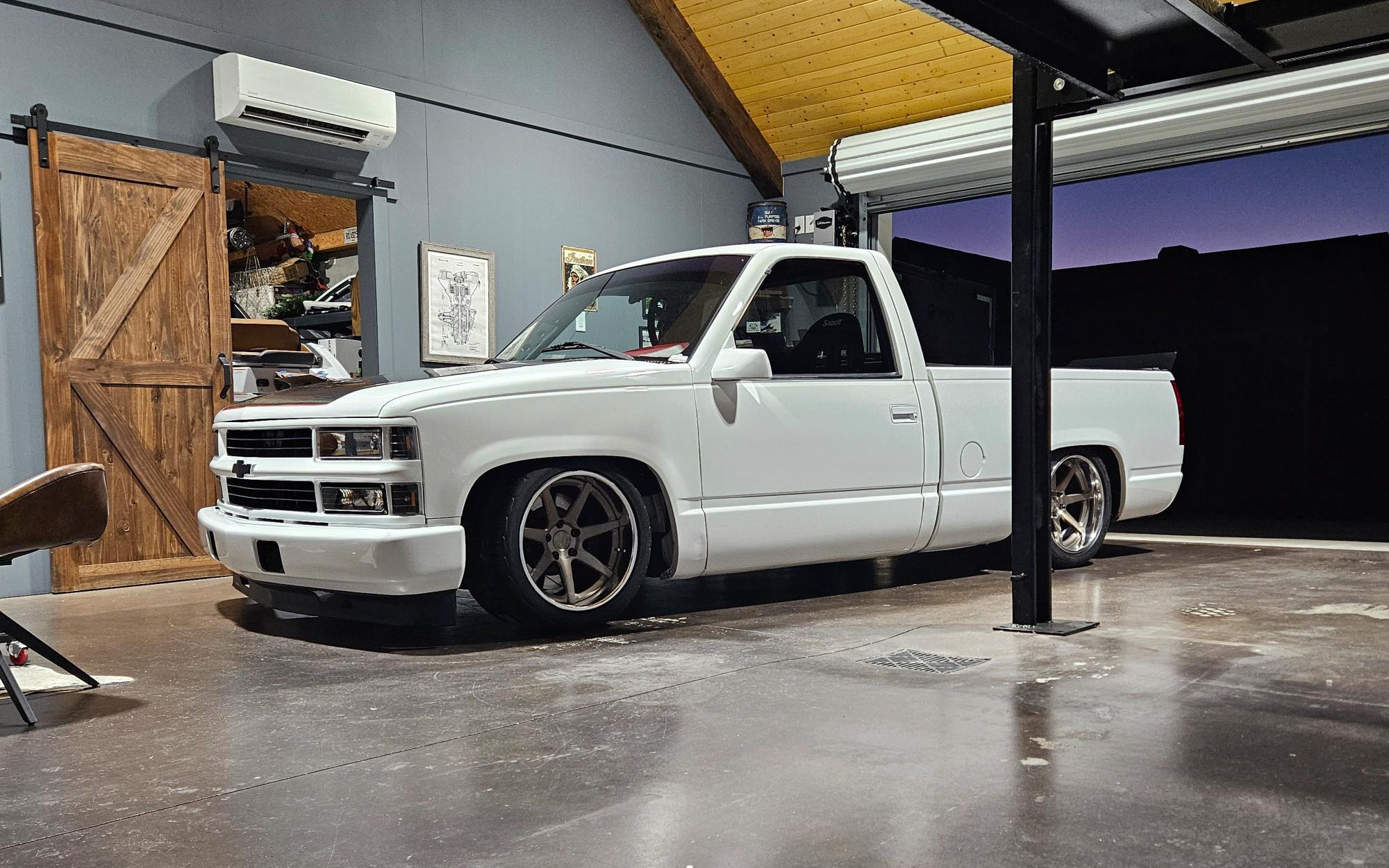
That mechanical simplicity is one of the biggest reasons OBS trucks remain desirable now…
Modern pickups may tow the moon, park themselves, and beep at you every time a leaf blows across a lane marker. But they also come with enough complexity to make ownership feel like a subscription service. OBS trucks still feel like something you own, not something you lease. Something you fix… not something you take to the dealer. They’re simple enough to wrench on, modern enough to live with, and rugged enough that people trust them. That’s become a rare combination. And whenever something becomes rare (and authentic) in the modern vehicle world, enthusiasts start hunting for it like it’s contraband.
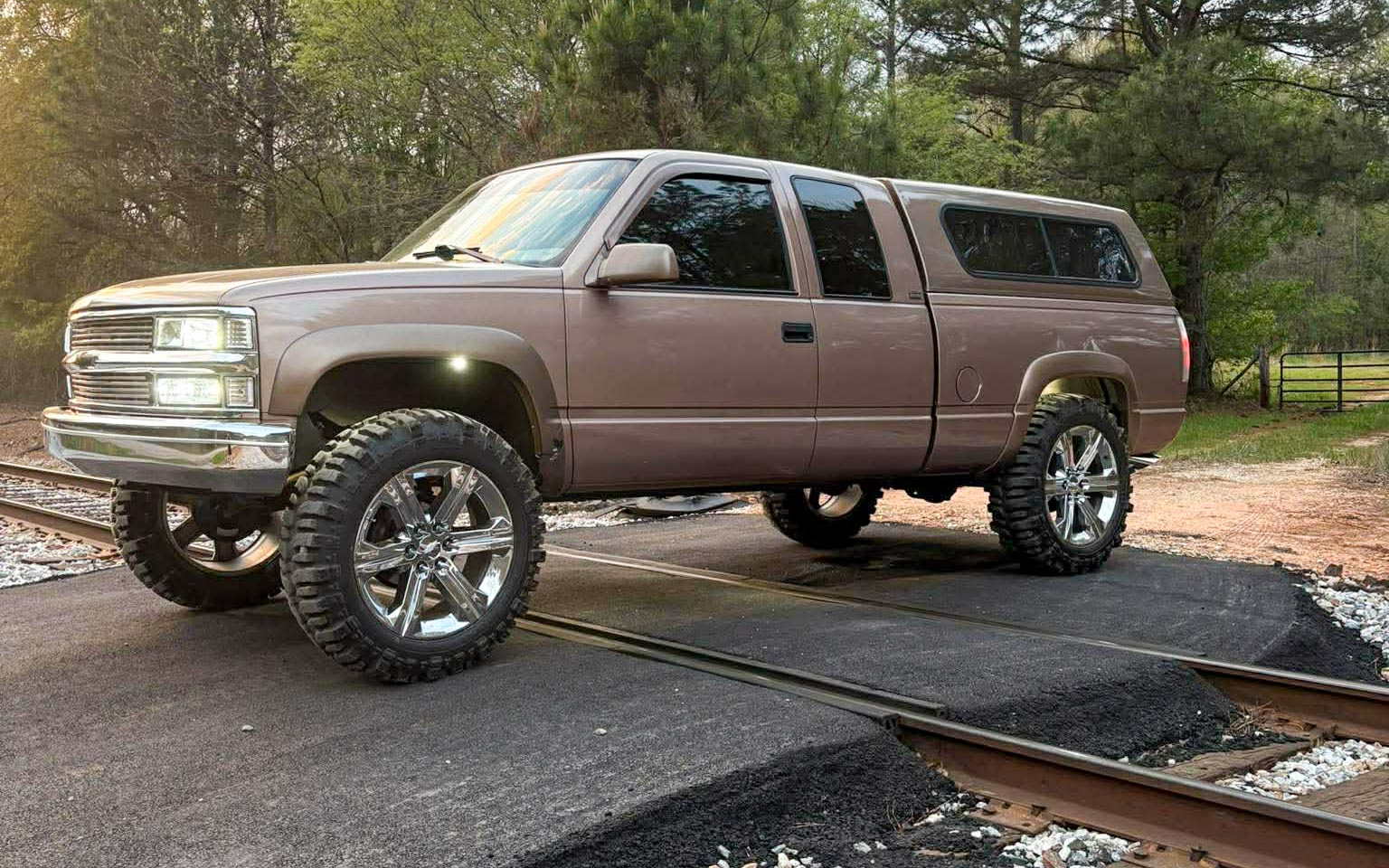
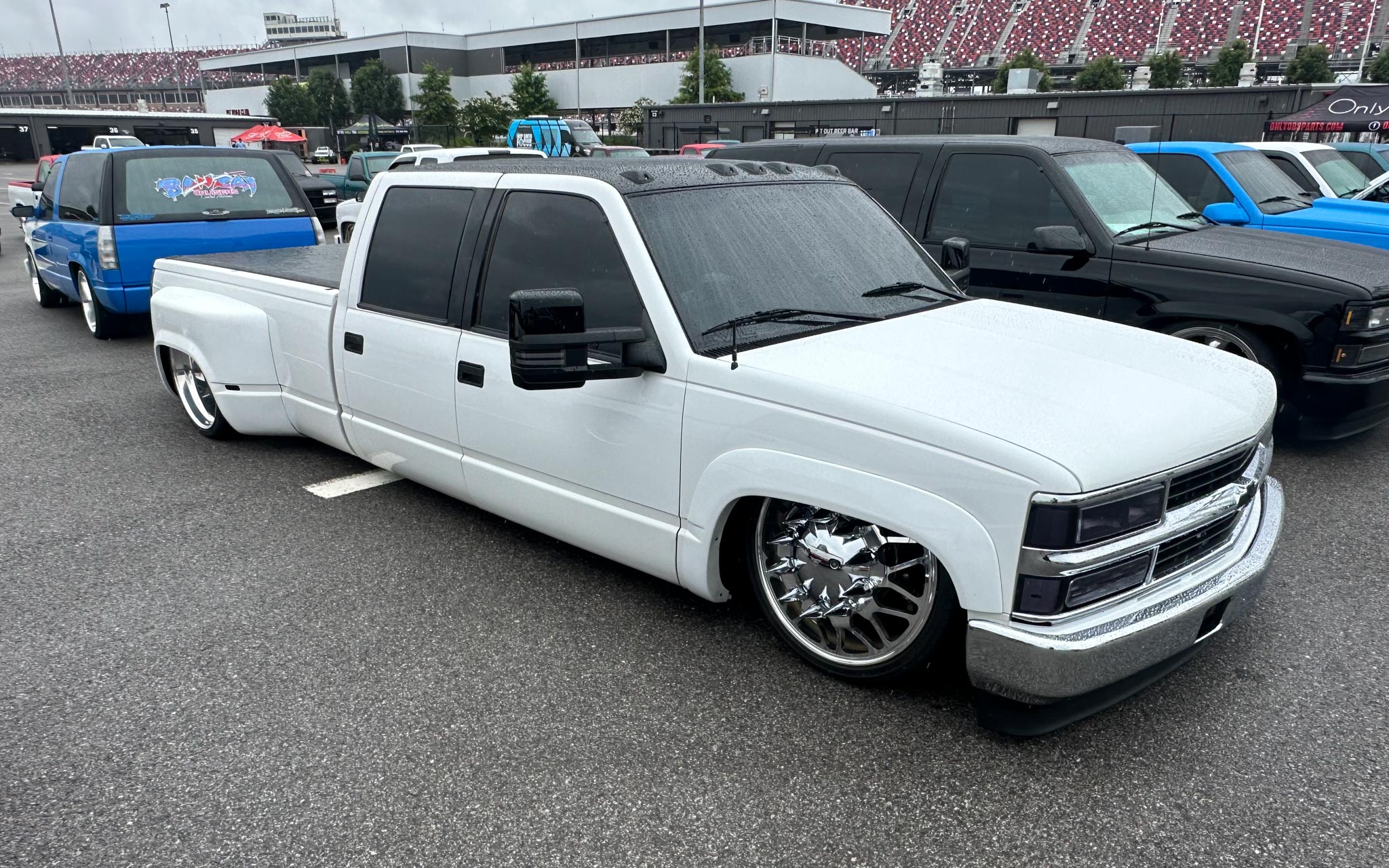
The surge in popularity…
Part of it is the standard enthusiast life cycle. The kids who grew up staring out the window of an OBS Chevy, or riding in their dad’s/granddad’s two-tone Ford, are now old enough to buy one back. Hagerty has been very clear that the vintage truck market has grown massively in recent years, and it specifically noted that OBS trucks would have their day too. Classic.com’s current market tracking backs up the broader resurgence. The average sale price for a ninth-generation Ford F-Series sits a little over $21,700, while fourth-generation Chevrolet C/K values are around $20,500 overall, with C1500s averaging a little over $21,300. Those are not “old cheap truck” numbers anymore. Those are “people have decided this stuff matters” numbers.
And once the market starts moving, the best examples drag the whole conversation upward. A clean 47k-mile 1995 Ford F-150 XLT 4×4 5-speed brought $31,500 on Bring a Trailer in November 2025. Even more ordinary, driver-grade examples are no longer just disposable workhorses. They’re being presented, photographed, bid on, preserved, and discussed the way muscle cars were years ago. Meanwhile, certain special trims and halo trucks have already gone fully collectible, with Classic.com showing high-water marks like $96,000 for a ninth-gen F-Series… and six-figure results for GMT400-based performance variants like the 454 SS. Once that starts happening, the hobby changes. People stop seeing “old truck” and start seeing “platform.”
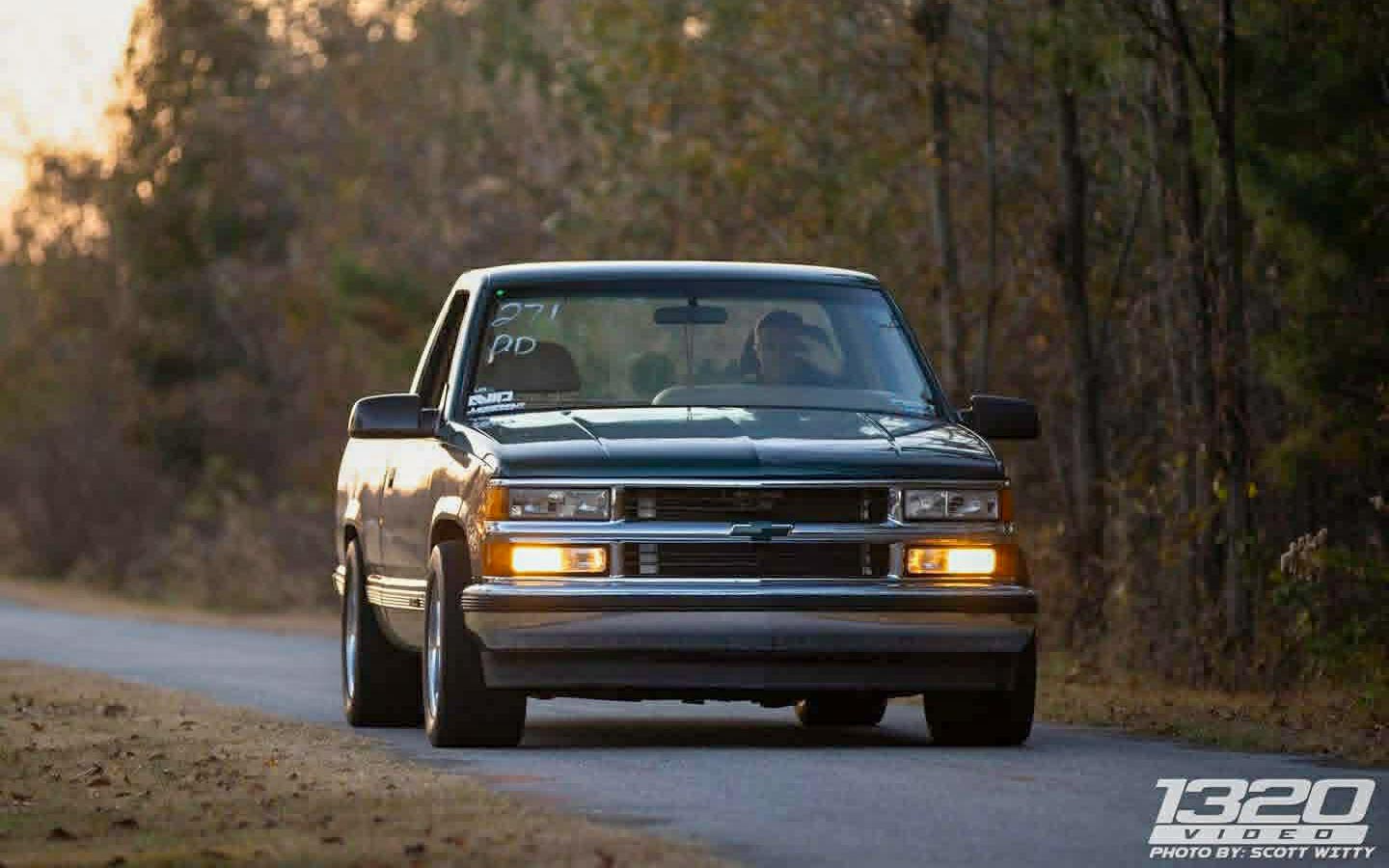

But values alone do not create a movement…
Ease of customization does. And this is where OBS trucks absolutely clean house. They are one of the best blank canvases in the entire automotive world, partly because the aftermarket never really abandoned them. LMC Truck still carries huge restoration & upgrade catalogs for both 1988–1998 Chevy/GMC trucks and classic Ford truck lines… right down to body components, trim/interior pieces, suspension parts – and all the little stuff that turns a project into a finished truck instead of a lawn ornament. The fact that these parts ecosystems are still thriving says everything. You don’t get that level of support unless demand has stayed strong and broad.
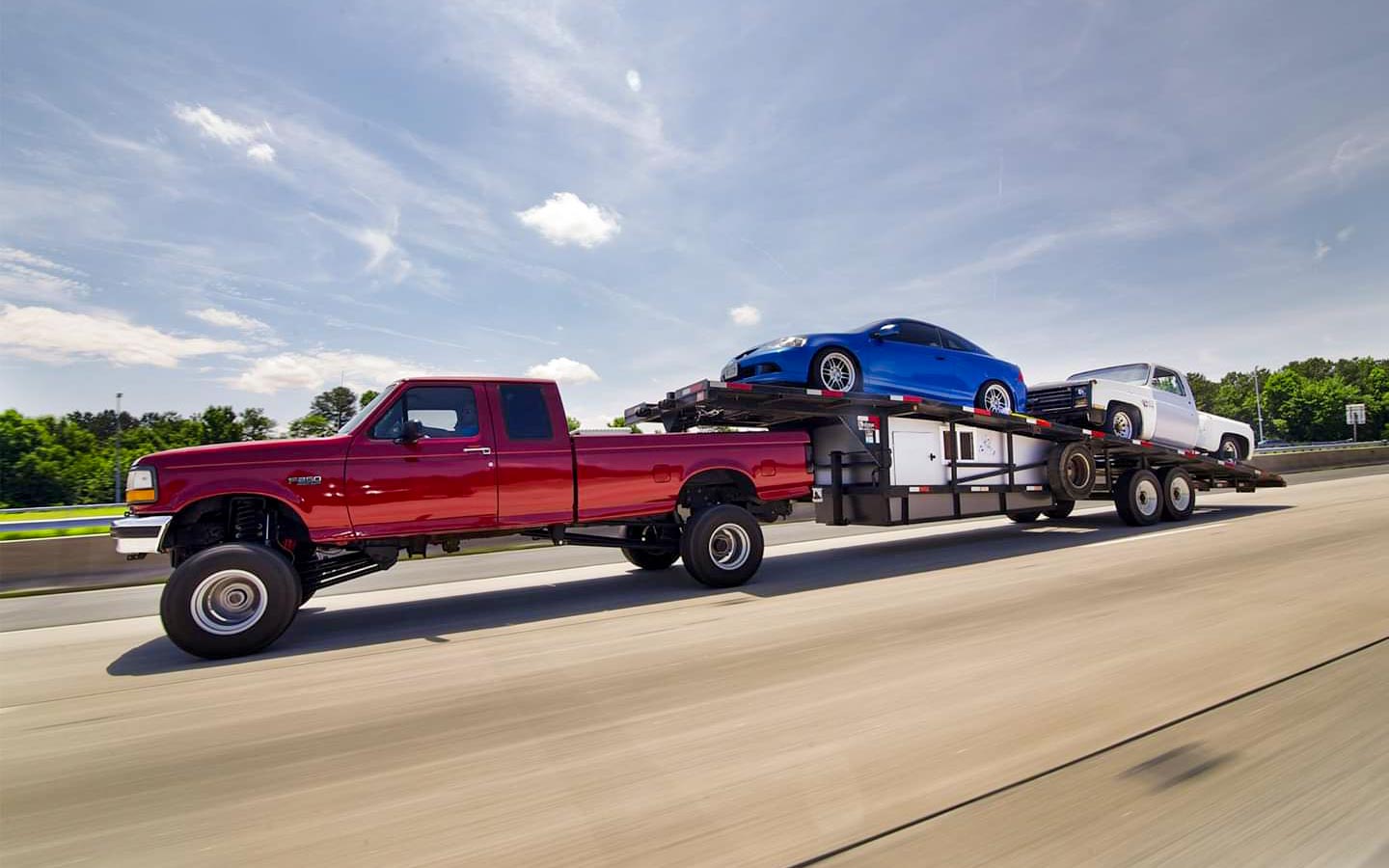
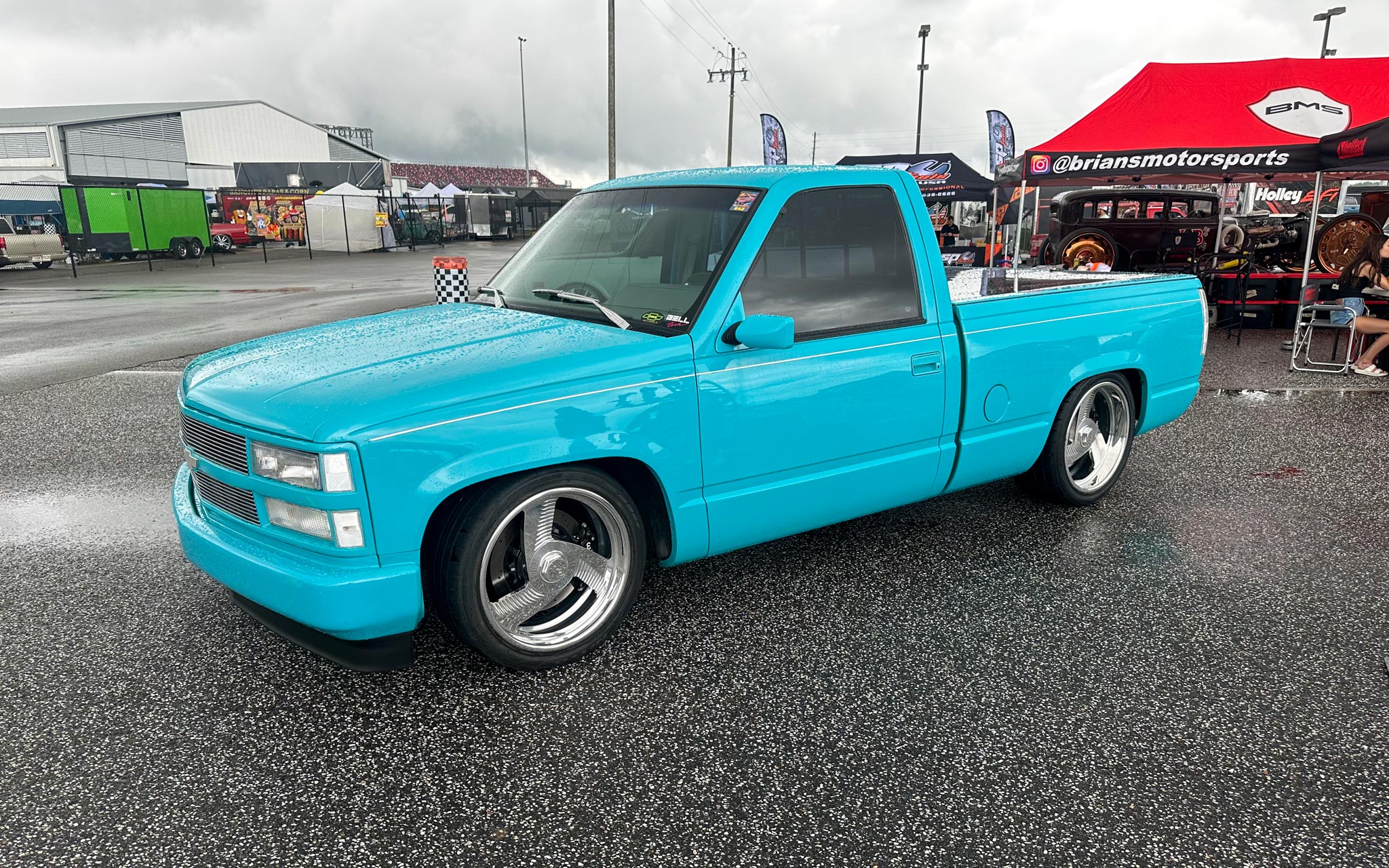
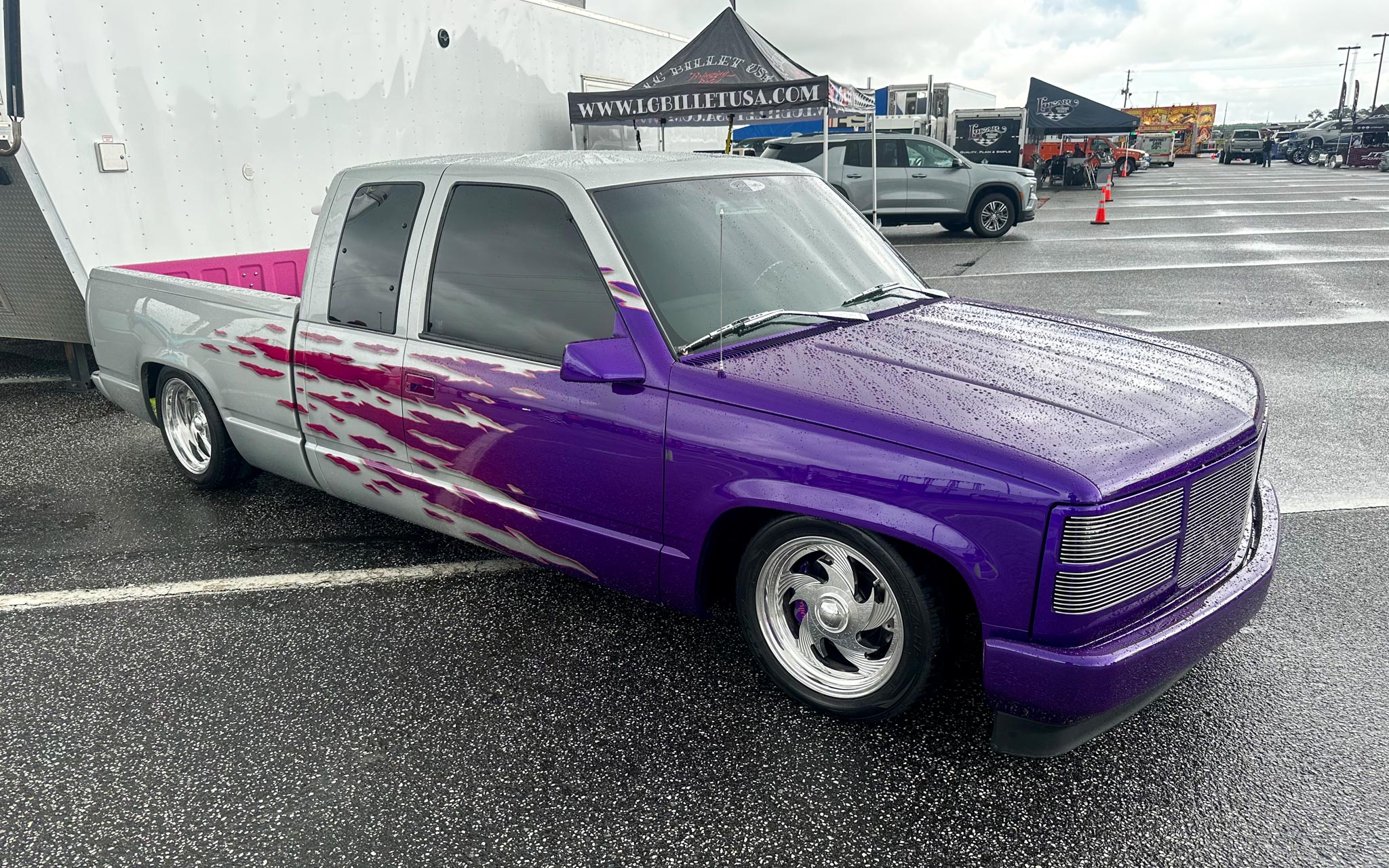
And because the OBS bones are so straightforward, people can take these trucks in almost any direction they want. You can restore one to factory spec. You can lower it, lift it, swap it, smooth it, boost it – make a clean street truck, a trail truck, a tow pig. OR a polished restomod with big brakes, updated suspension, custom audio, LED lighting, and enough subtle tech to make it modern without ruining the whole point. There’s a reason the OBS world has become such a crossover hit between old-school truck guys, mini-truck guys, diesel guys, street truck guys, and even the younger generation who want something legit & Americana without the pain-in-the-neck ownership experience of much older iron. The platform welcomes all of them.
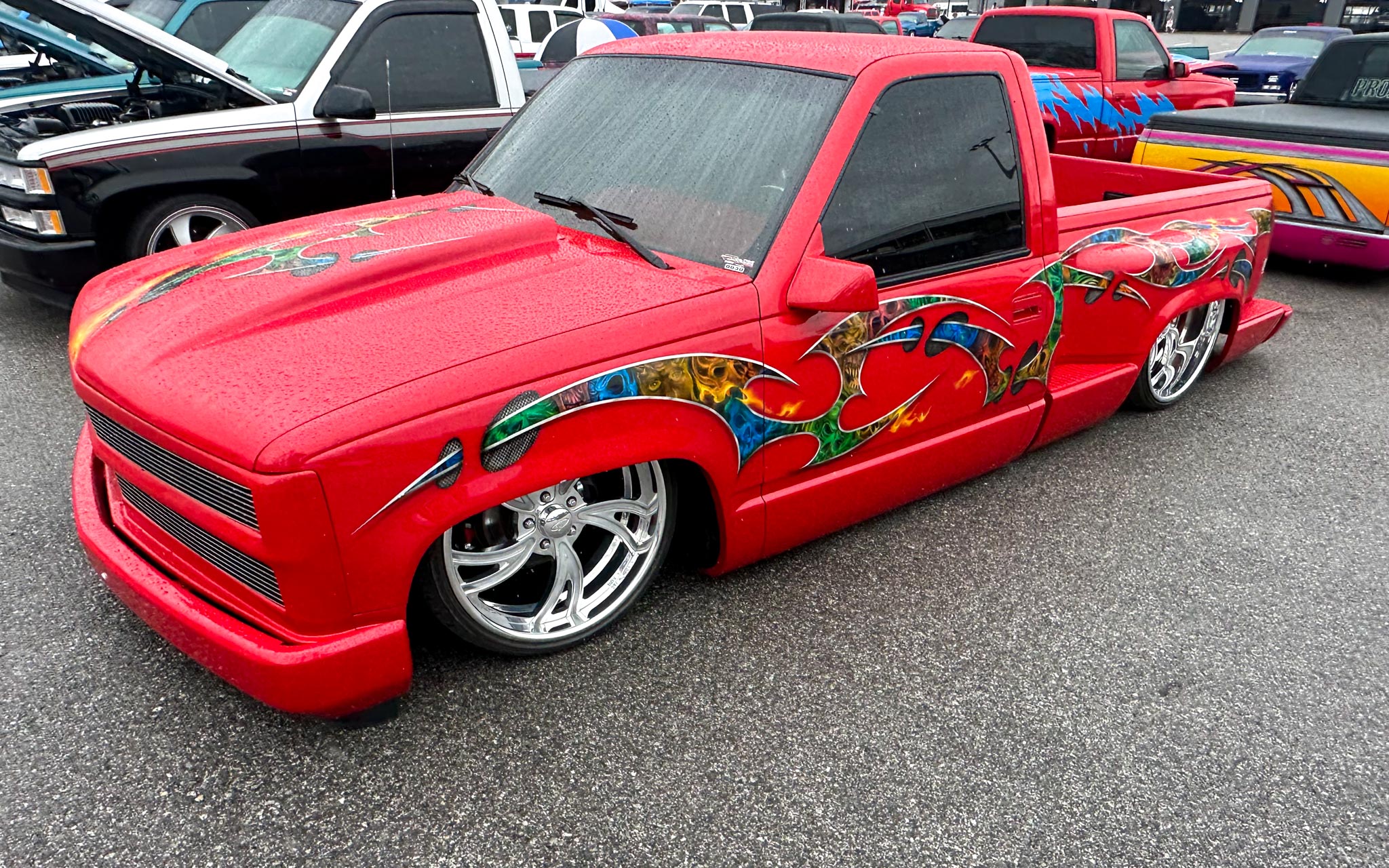
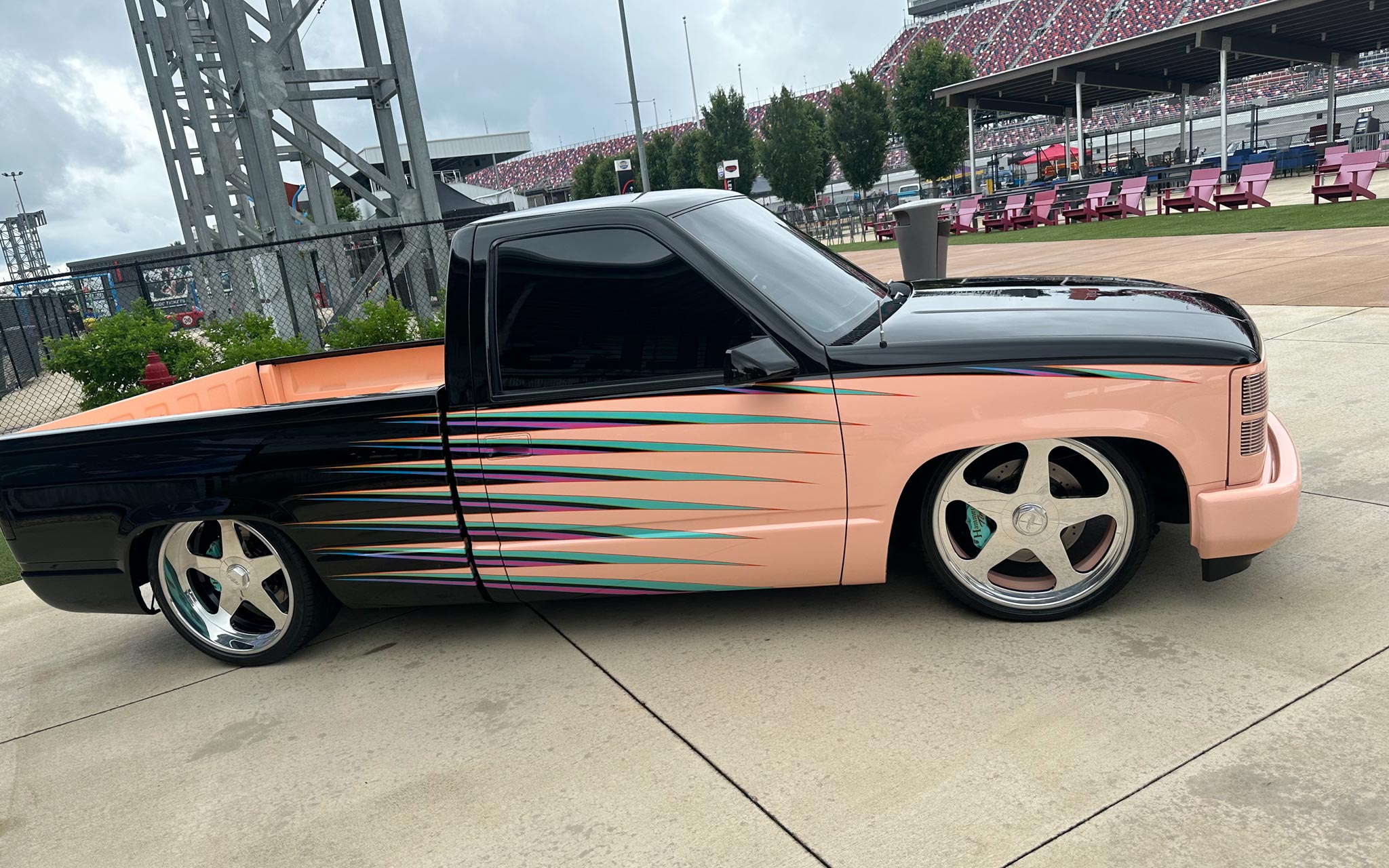

That modernization piece matters more than people admit…
OBS trucks are easy to improve because they’re not yet trapped in the electronic hostage situation that modern vehicles call ‘integration’. You can improve the lighting, refresh the gauges, rework the seats, add drivability, and even chase serious power without the truck acting like you violated terms & conditions. That kind of freedom is intoxicating! Modern trucks often feel sealed shut. OBS trucks still feel open. They invite you in. They almost expect you to leave fingerprints on them.
And maybe that’s the real reason they’ve stuck around. They feel human. OBS trucks don’t isolate you from the experience. They don’t try to interpret driving on your behalf. These trucks were built in an era when manufacturers were beginning to care more about comfort and usability, but hadn’t yet fully committed to turning every pickup into a luxury lounge or ‘mobile office’ for people who think mulch is a personality trait. OBS trucks still have that faint scent of utility about them. Even the nice ones. Especially the nice ones.
The OBS surge is likely not some random social-media phase. It’s not just because a few clean examples started popping up online with polished Alcoas and fresh paint. Rather, it’s a response – because these trucks sit at the intersection of style, simplicity, usability, and nostalgia. They’re a breath of fresh air – of what trucks used to be – before the industry wandered off into a maze of over-complication and fake toughness. OBS trucks are timeless because they’re honest & authentic. Built in the best interest of their user. And honest/authentic has a way of surviving long after trends, gimmicks, and giant touchscreen dashboards start looking stupid.
Article by David S. Windsor