
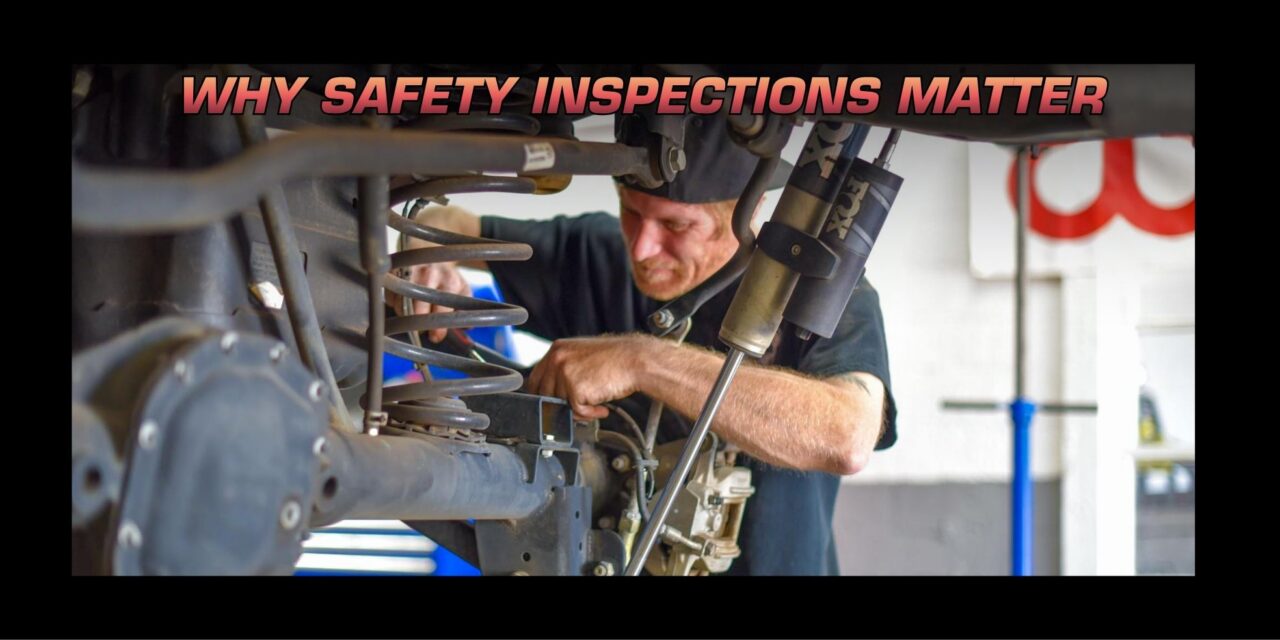

Safety inspections are a critical part of our mechanical and technological world. With so much of how we work, travel, and play involving automated machinery, it’s crucial that these systems work correctly. That’s why manufacturers spend lots of time and money conducting safety inspections before their products hit the market.
But an automobile is a bit different in that it will likely require several safety inspections over the course of its life. Specifically, vehicles require safety inspections after auto body repair. But why? And how does this process work?
What is a vehicle safety inspection?
A safety inspection is a mandatory check conducted by licensed auto repair technicians to ensure a vehicle meets safety standards for roadworthiness. These inspections examine critical components, such as brakes, lights, steering, suspension, and tires, to verify they possess the requisite structural integrity. This inspection is usually required when buying, selling, or registering a used vehicle. And sometimes, a safety check is needed, or is at least best practice, after a collision repair.
What components do auto body repair technicians inspect?
Techs may focus on specific components if conducting an examination after a collision repair. However, they often check the whole vehicle because it’s possible for a repair on one end of a car to affect another. After all, automobiles comprise a series of interconnected parts, so a problem with one component often affects another.
A thorough inspection typically covers the following areas and parts:
- Brakes: Including pads, rotors, drums, calipers, and brake lines.
- Exhaust: Assessing potential leaks, damage, and emissions compliance.
- Lights: Examining headlights, brake lights, turn signals, and hazard lights.
- Safety equipment: Such as seatbelts, horns, mirrors, and windshield wipers.
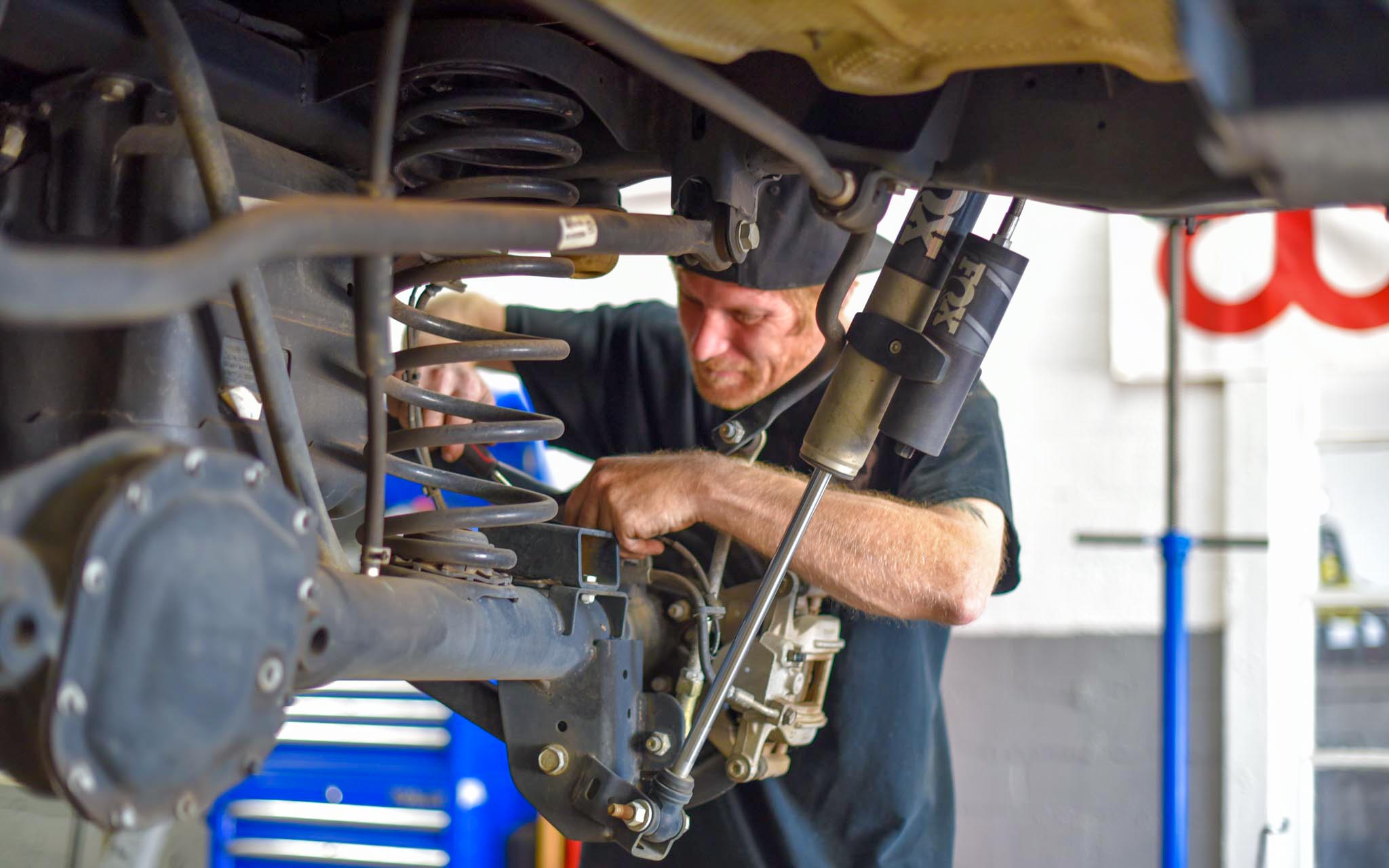
- Steering and suspension: Checking tie rods, shocks, struts, and ball joints.
- Structural integrity: Examining the body, frame, and undercarriage for rust or damage.
- Tires and wheels: Assessing tread depth, tire condition, inflation, and potentially cracked or damaged rims.
When do auto repair technicians conduct safety inspections?
It won’t surprise you to learn that not every auto service requires a subsequent full-vehicle safety inspection. Auto body repair shops generally don’t bother with safety checks if they’ve only replaced a taillight or fixed a chipped windshield. However, there are numerous occasions when an inspection is warranted. These include:
Routine and scheduled inspections
Sometimes technicians will perform an inspection not because of a heavy-duty collision repair, but just as a matter of course. During scheduled maintenance visits for services such as oil changes and tire rotations, some auto body repair shops do a complimentary multi-point inspection to flag any developing issues.
Wondering if your vehicle is due for a routine inspection? It’s good practice to have these inspections done annually or at mileage milestones such as every 60,000–90,000 kilometers.
Government-mandated safety inspections
In many jurisdictions, a Safety Standards Certificate (SSC) inspection is required when a used vehicle is sold or transferred, or when re-registering a vehicle that has been off the road. This is a comprehensive, regulated inspection examining brakes, steering, suspension, lights, tires, and more. So, if you’ve just bought or inherited a vehicle, you likely need an SSC inspection to register it, and an auto body repair shop can perform this for you.
Pre-purchase inspections
You don’t have to wait until after you’ve purchased a vehicle to have an auto body repair shop do a safety check on it. In fact, a buyer can request a full inspection of a used vehicle before purchasing it. This is a common and recommended practice.
After specific safety-critical repairs
Some collision repairs are more relevant to safety than others. Experienced technicians know when an auto repair or the collision that necessitated it may require broader safety checks. In such situations, techs will typically verify, and sometimes re-inspect, the affected system after repairs involving:
- Brakes: They will test drive the vehicle and assess brake function after work on pads, rotors, and calipers.
- Engine and drivetrain: Auto repair shop staff will perform operational checks after major work to confirm there are no leaks or warning lights.
- Lighting systems: Techs will do a functional test after bulb or wiring repairs.
- Steering and suspension: Professionals will check the vehicle’s alignment and do a road test after steering and suspension-related repairs
- Tires and wheels: They will perform a torque check and pressure verification after mounting and/or rotation
After major or complex repairs
The bigger or more intricate the repair is, the more valuable a safety inspection is afterwards. For example, following significant work like an engine replacement, transmission rebuild, or a significant collision repair, a broader inspection is standard practice. These checks verify that the auto repair technicians reassembled and installed all parts correctly.
Why it matters?
When looking at post-collision repair inspections, it’s important to understand that these aren’t just perfunctory checks that make sure the technicians did their job properly. A safety-minded verification that repairs are done right is valuable and helpful; but there’s more at work here.
Modern automobiles are complex machines. Different systems and components interact and affect each other in numerous ways, some of which aren’t obvious. When you work on the suspension, you might affect the steering. When you replace a windshield or car panel, you may affect advanced driver assistance system (ADAS) cameras and sensors.
Furthermore, for collision repair, the initial impact may have left hidden damage. The takeaway? A shop that takes the extra time and effort to perform a post-collision repair safety check is an auto body repair business you can trust.