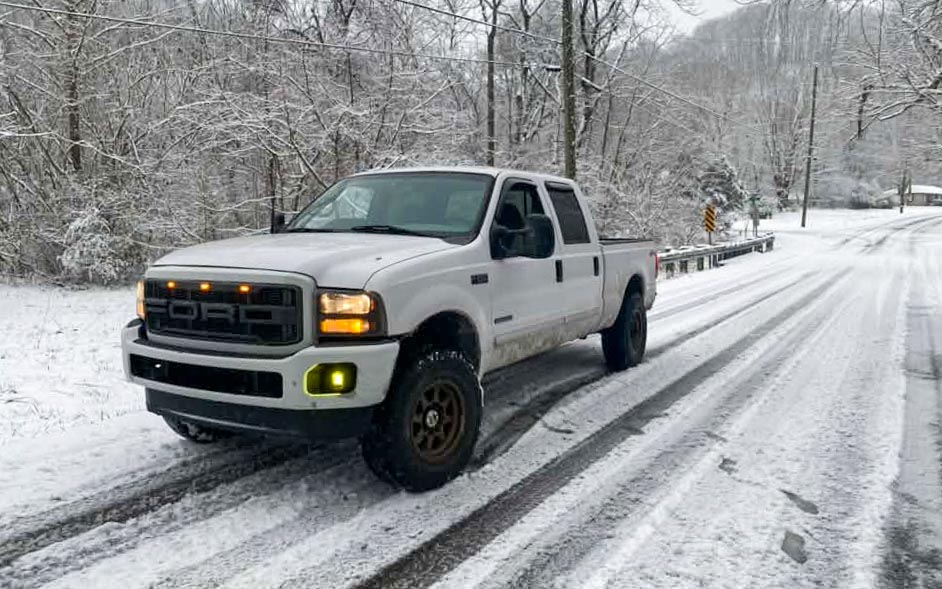


A diesel truck can make impressive torque straight from the factory, but horsepower & torque figures tell only part of the story. A truck that pulls hard for a few seconds is one thing. A truck that can tow a heavy trailer through summer heat, climb long grades without overheating, start reliably in cold weather, and accumulate serious mileage is something else entirely.
Building a better diesel truck is therefore less about chasing the biggest dyno number, and more about strengthening the systems that work hardest: cooling, airflow, fuel delivery, transmission, exhaust aftertreatment, monitoring, and routine maintenance.
Ford Power Stroke, Ram Cummins, and GM Duramax platforms each have different weak points, but the basic approach remains the same. Fix existing problems first, monitor what the engine is doing, and only then consider modifications.
Start With a Healthy Truck, Not a Parts List
Performance parts cannot compensate for neglected maintenance. Before changing anything, establish the mechanical condition of the truck. Check for stored diagnostic trouble codes, fluid leaks, unusual exhaust behavior, boost leaks, worn belts, damaged hoses, and overdue filters.
Pay particular attention to:
- Engine oil and filter condition
- Fuel filters
- Coolant level and condition
- Transmission fluid
- Charge-air boots and clamps
- Air filter restriction
- Battery and charging-system health
- Turbocharger operation
- DPF and emissions-system warnings
- Differential and transfer-case fluids
This baseline matters even more on a used truck. If you don’t know its maintenance history, assume nothing. A slightly restricted fuel filter, leaking intercooler boot, contaminated sensor, or weak battery may not seem dramatic during normal driving. Put the same truck under a heavy trailer on a steep grade, however, and small problems can become obvious quickly.
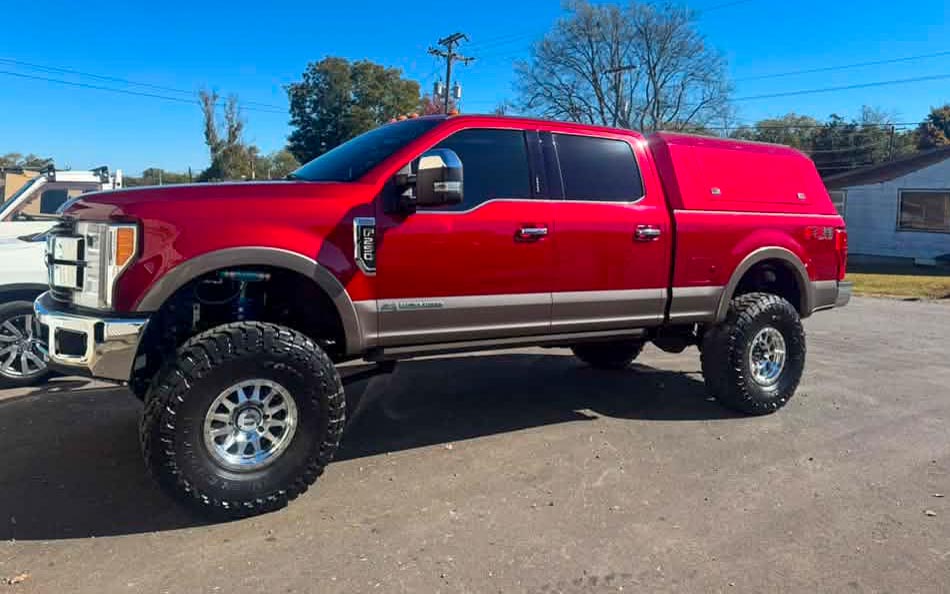
Control Heat Before Adding Power
Heat is one of the biggest enemies of a working diesel. A tuned truck may produce more torque, but extra fueling and load can also increase the amount of heat that the cooling system, turbocharger, transmission, and exhaust system must handle. That makes thermal management one of the smartest places to begin.
Engine Cooling
Inspect the radiator, coolant hoses, thermostat, fan or fan clutch, water pump, and coolant reservoir before assuming the truck needs aftermarket hardware.
The front cooling stack also needs airflow. Bugs, dirt, mud, and debris trapped between cooling components can reduce heat rejection, particularly during towing.
A truck that runs comfortably empty may behave very differently with several thousand pounds behind it.
Charge-Air Cooling
Turbocharged diesels compress intake air, which raises its temperature. The intercooler removes part of that heat before the air reaches the engine.
Damaged intercooler boots, loose clamps, cracked charge pipes, or a contaminated intercooler can compromise the system.
A boost leak may show up as reduced response, unusual turbo behavior, or poor performance under load. Inspect the entire charge-air path before spending money elsewhere.
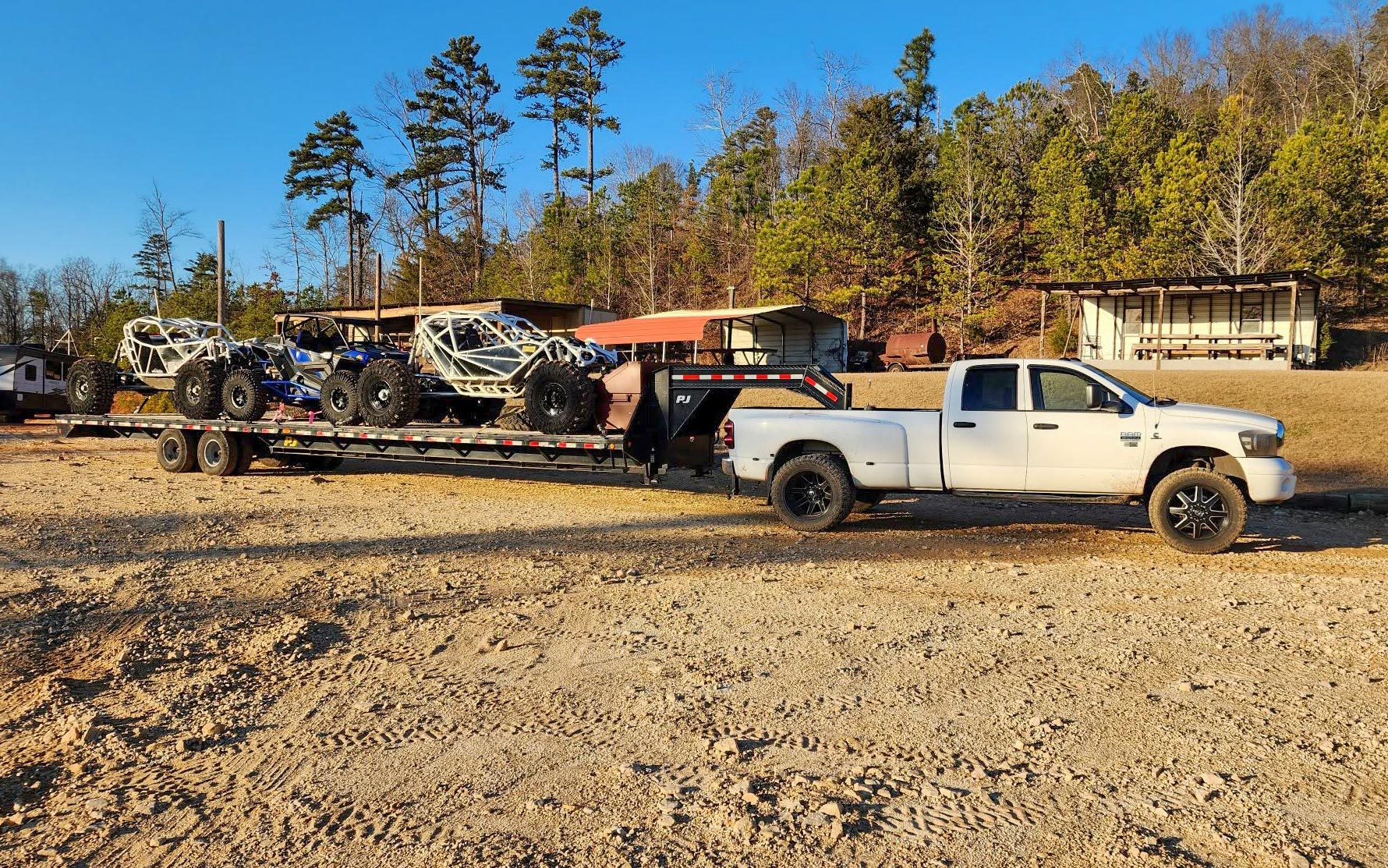
Monitor the Truck Under Real Load
Factory gauges give drivers basic information, but a heavily worked diesel benefits from closer monitoring. The parameters worth watching depend on the truck, but commonly useful information includes:
| Parameter | Why It Matters |
| Engine coolant temperature | Shows cooling-system behavior under load |
| Engine oil temperature | Helps identify sustained thermal stress |
| Transmission temperature | Important during towing and slow-speed work |
| Exhaust gas temperature | Provides insight into exhaust-side heat |
| Boost pressure | Can expose charge-air leaks or abnormal turbo behavior |
| Fuel pressure | Helps identify fuel-delivery problems |
| DPF status | Useful for understanding regeneration behavior |
| Diagnostic trouble codes | Gives early warning of developing faults |
Don’t become obsessed with a single number. What matters is understanding what is normal for your specific engine, and noticing meaningful changes. If transmission temperature, for example, consistently rises much higher on a familiar towing route than it did previously, investigate why rather than simply accepting the new behavior.

Keep the Fuel System Clean
Modern common-rail diesel injection systems operate at extremely high pressures and depend on clean fuel. That makes fuel-filter maintenance cheap insurance. Use the correct replacement interval for the truck and operating conditions, and don’t ignore water-separator maintenance where applicable. Trucks exposed to questionable fuel quality or severe service may require closer attention.
Hard starting, hesitation, unusual rail-pressure behavior, or a sudden loss of power should be diagnosed instead of immediately blamed on the turbocharger. Injectors are precision components. Protecting them begins long before an injector fails.
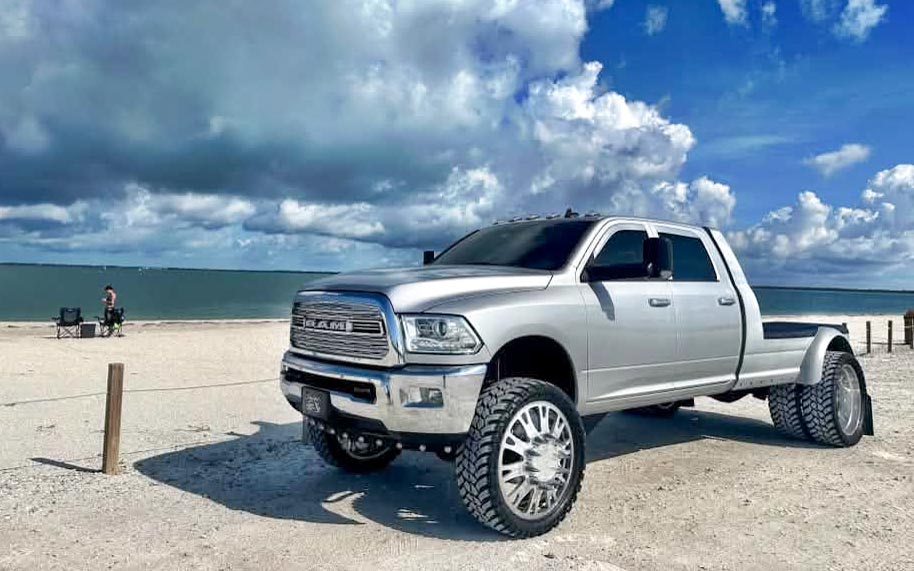
Understand the Factory Emissions System
Modern diesel emissions equipment is integrated into engine management, rather than being an isolated collection of exhaust parts.
Depending on model year and application, the system can include exhaust gas recirculation (EGR), a diesel oxidation catalyst (DOC), diesel particulate filter (DPF), selective catalytic reduction (SCR), diesel exhaust fluid (DEF) equipment, temperature sensors, pressure sensors, NOx sensors, and onboard diagnostics.
The DPF captures particulate matter, and periodically undergoes regeneration to deal with accumulated soot. SCR systems use DEF as part of controlling nitrogen oxide emissions.
EPA notes that most U.S. on-road diesel trucks since 2010 have used DEF-based SCR systems, while DPFs became common on newer diesel trucks beginning earlier.
When one part of this system develops a fault, proper diagnosis matters. A warning associated with the DPF doesn’t automatically mean the filter itself is the root cause. Sensors, operating conditions, engine faults, or other components can contribute to aftertreatment problems.
Where Diesel Delete Hardware Fits Into the Conversation
Owners researching modified competition or dedicated off-road diesel builds will inevitably encounter emissions-delete hardware.
A Diesel delete kit generally refers to a collection of aftermarket components associated with changing or removing portions of a factory emissions system. Products vary by engine family, model year, and intended application, so the phrase doesn’t describe one universal package.
Similarly, a DPF delete kit commonly refers to aftermarket exhaust hardware associated with replacing or bypassing the factory DPF section.
This is an area where intended use and local law cannot be separated from the hardware decision.
In the United States, EPA states that the Clean Air Act prohibits tampering with required vehicle emissions controls and prohibits aftermarket devices that disable, bypass, or reduce their effectiveness. EPA enforcement materials also report substantial increases in NOx and particulate emissions from tampered diesel pickups.
For a road-going truck, the better reliability strategy is therefore to diagnose and repair emissions-system faults using compliant parts and approved procedures. Competition-only, or other specialized applications, need to be considered separately according to the rules governing where and how the vehicle is operated.
SuncentAuto carries diesel exhaust and related components for several popular truck platforms. For buyers researching products, fitment should always be checked against the exact engine, model year, configuration, and permitted application – rather than assuming that parts are interchangeable between Power Stroke, Cummins, and Duramax trucks.
Current promotion supplied by SuncentAuto: For a limited time, buy a DPF and receive an EGR at 50% off using code NHRDA50. Check the retailer’s current terms and product eligibility before ordering.
Give the Transmission the Same Attention as the Engine
Diesel builds often concentrate on engine output, while forgetting the component responsible for transferring all that torque to the wheels.
The transmission deserves equal attention.
Towing, oversized tires, added vehicle weight, steep terrain, and increased engine output all increase the transmission workload.
Before adding power, inspect fluid condition, look for leaks, check service history, and watch operating temperature.
If the truck regularly tows, transmission cooling becomes especially important. Excessive heat accelerates fluid degradation and can shorten component life.
More power isn’t much use if the transmission cannot manage it consistently.
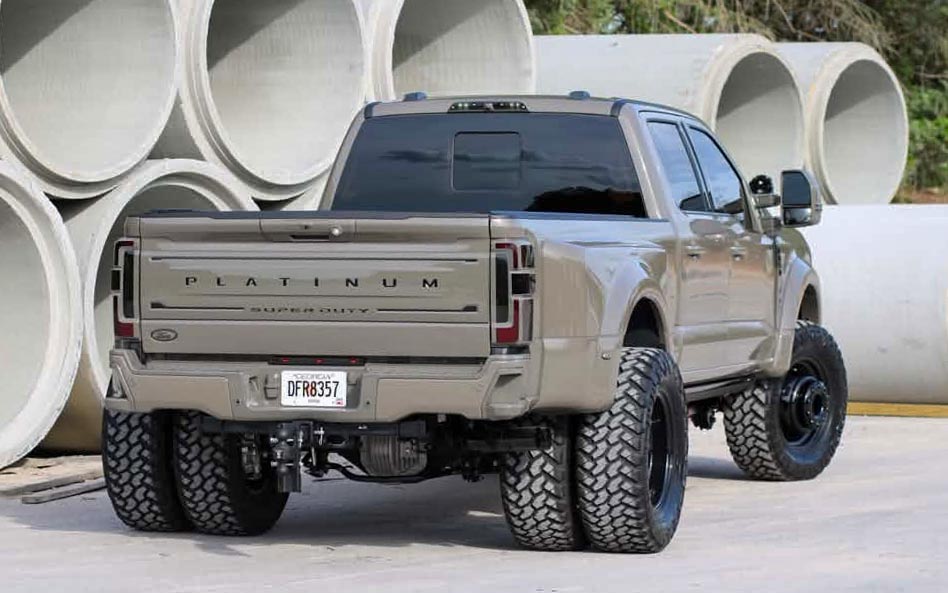
Don’t Ignore Gearing and Tire Size
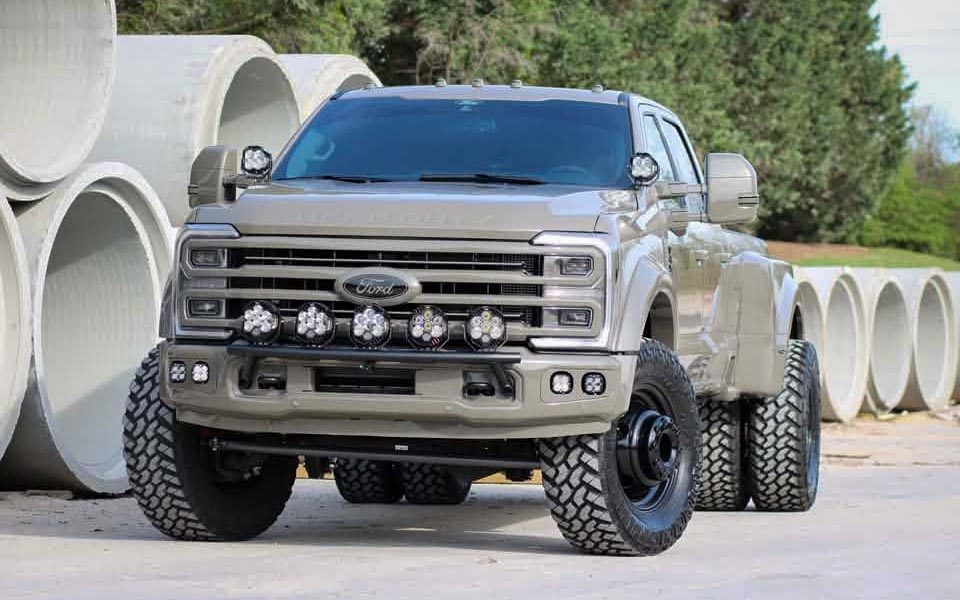
Large tires can completely change how a diesel truck feels. Moving from the factory tire diameter to substantially larger tires changes effective gearing. The engine and transmission now have to work differently to produce the same acceleration and maintain speed under load.
This can affect:
- Throttle response
- Transmission shift behavior
- Towing performance
- Engine load
- Braking feel
- Speedometer accuracy
- Fuel consumption
For trucks built primarily for towing and long-distance use, bigger isn’t automatically better. Choose tires around the truck’s actual job, and never sacrifice adequate load capacity simply for appearance.
Build the Suspension Around the Payload
A reliable work truck needs predictable handling when loaded.
If the rear suspension sags badly with a trailer attached, simply adding engine power won’t make the truck better. Springs, shocks, tires, wheels, brakes, and hitch equipment all need to suit the load.
Start with actual axle and vehicle weights rather than guessing.
A trip across a certified scale can tell you far more about the truck than looking at suspension height in the driveway. Compare measured weights with the vehicle’s GVWR, GAWR, tire ratings, and towing specifications.
No suspension accessory increases the manufacturer’s legal payload or axle rating.

Keep Intake and Exhaust Modifications Sensible
Diesel owners often replace intake and exhaust components hoping for immediate performance gains.
Treat airflow as a complete system.
An intake should provide adequate clean air without compromising filtration. Exhaust components should be chosen around the intended and legally permitted application. Charge pipes should seal correctly and tolerate boost pressure without repeatedly working loose. The goal isn’t to install the largest pipe available. It’s to maintain predictable airflow and reduce genuine restrictions, without introducing new reliability problems. On a working truck, consistency matters more than noise.
Tune Conservatively
Engine calibration can change throttle response, fueling, boost control, transmission behavior, and torque delivery.
That makes tuning powerful – but it also means calibration should never be treated casually.
The more torque an engine produces, the more load is transferred through the transmission, driveshaft, U-joints, differential, axles, cooling system, and tires.
A truck used for towing needs a different mindset from one built solely for short competition runs.
For a dependable tow or work build, retain appropriate safety margins and use calibrations that preserve required emissions functions on road-going vehicles.

Build Around the Truck’s Actual Job
There is no single perfect diesel build. A truck pulling a fifth-wheel trailer across the country has different requirements from a farm truck, an off-road vehicle, or a lightly loaded daily driver.
For a towing truck, prioritize cooling, brakes, tires, transmission health, and monitoring.
For a daily driver, concentrate on maintenance, ride quality, fuel-system health, and dependable cold starts.
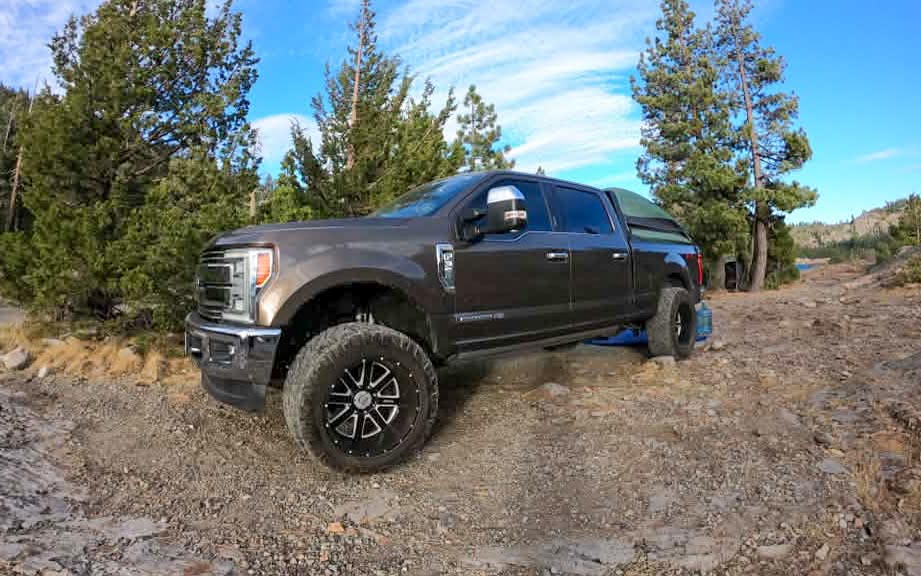
For a dedicated off-road build, protection, recovery equipment, cooling, gearing, and suspension travel may matter more.
Every modification should answer one question: What problem does this solve? If there isn’t a clear answer, the truck may not need the modification.
A Practical Reliability Checklist
Before spending heavily on performance hardware, work through the basics:
- Scan the truck for stored and pending diagnostic codes.
- Bring all fluids and filters up to date.
- Inspect intercooler boots, charge pipes, hoses, and clamps.
- Verify that the cooling system operates correctly.
- Check batteries and charging voltage.
- Inspect the turbocharger and intake path for obvious problems.
- Confirm that the emissions system operates correctly on road-going trucks.
- Check transmission condition and temperature under load.
- Verify tire pressure, condition, and load rating.
- Establish baseline temperatures and operating data before modifying the truck.
That baseline gives you something valuable: a known-good starting point.
Final Thoughts
A better diesel truck isn’t necessarily the one with the longest modification list.
The strongest builds are usually the ones where the owner understands how the whole vehicle works together. Cooling supports the engine. The fuel system supports combustion. The turbo and charge-air system manage airflow. The transmission handles torque. Tires, brakes, suspension, and gearing determine how effectively that torque can actually be used.
Start with maintenance. Monitor the truck under the conditions in which you actually use it. Fix weak points before adding power, and choose modifications because they solve a real problem, rather than because they promise the largest number on a product page.
Build that way, and performance becomes part of reliability… instead of coming at its expense.