
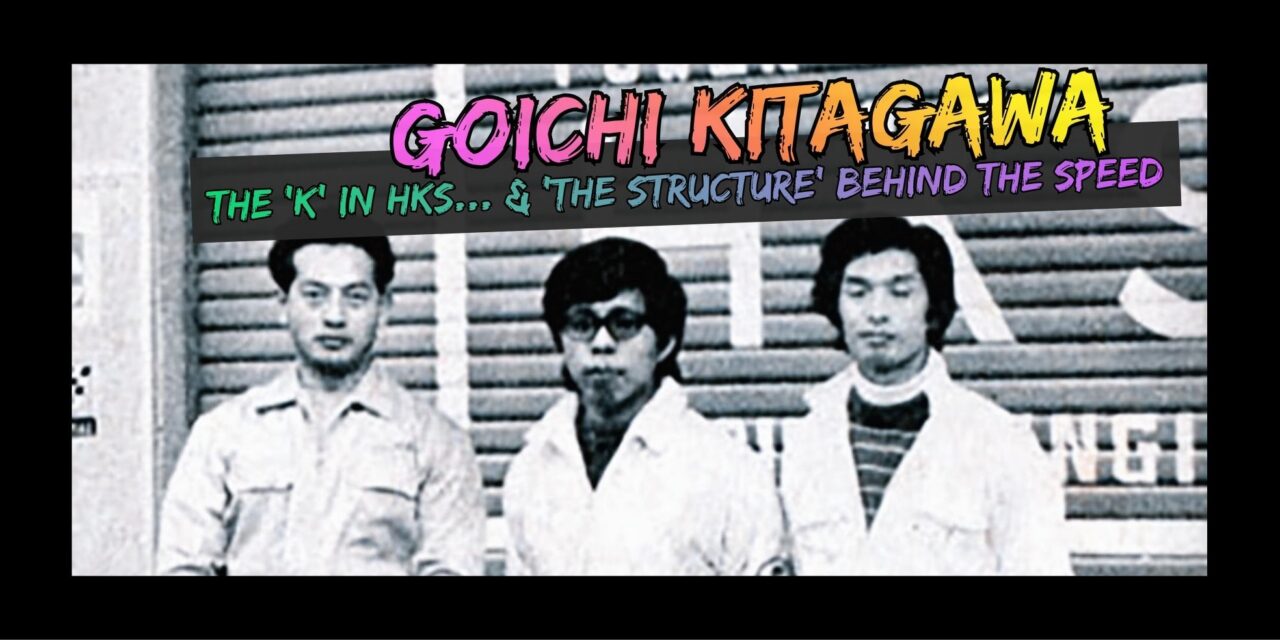

When people talk about HKS, they talk about boost. They talk about Supras, Skylines, dyno sheets, and that iconic purple-&-green logo that basically means – Not Stock. What they don’t talk about enough… is how it came to be. Because behind every mad scientist – there’s somebody making sure the dream doesn’t collapse under its own chaos. In the case of HKS, that somebody was the “K”, more specifically Goichi Kitagawa. And without him, there’s a good chance HKS would’ve been nothing more than a brilliant idea that burned bright… and burnt out just as fast.
Post-war Japan didn’t produce many reckless dreamers, it produced builders…
Born into a country still recovering, Goichi Kitagawa came up in an environment where stability mattered. Structure mattered. If something was worth doing, it had to last. And that mindset molded Kitagawa. It shaped how he thought, how he moved, and what he valued.
So while other kids might’ve been fascinated by speed or racing, Kitagawa was more likely paying attention to how things fit together. Not just engines, but entire systems – from their processes to their outcomes.
Cars were part of Kitagawa’s picture…
Japan’s automotive scene was waking up, and you couldn’t ignore it. But where others saw excitement, Goichi Kitagawa likely saw responsibility. Because while power is somewhat easy, consistency is hard. And that idea defines Kitagawa’s role in HKS.
Kitagawa Meets Hasegawa — The Needed Balance
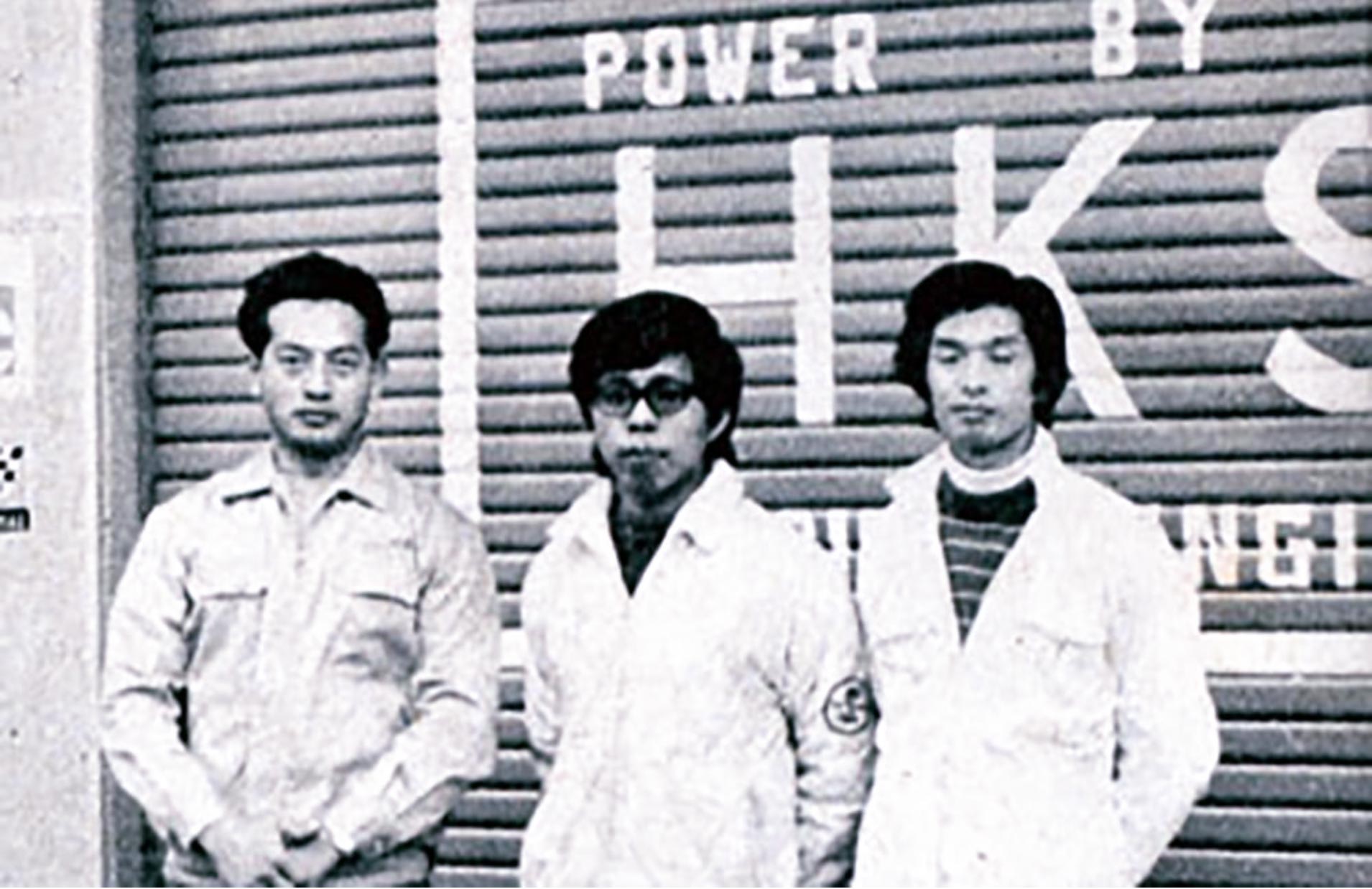
At some point in the early ’70s, Kitagawa crossed paths with Hiroyuki Hasegawa, the “H” in HKS. And that’s when the equation finally balanced. Because Hasegawa was the spark. The guy asking, “What if we push this further?” Meanwhile Kitagawa was the anchor. The guy answering, “Okay… but how do we make it work every time?” And that difference/balance is everything. You see it in every great company, vision vs execution, creativity vs control, and speed vs stability. HKS didn’t just have one side of the equation, it was built on both.

1973 — Starting Something That Could Survive…
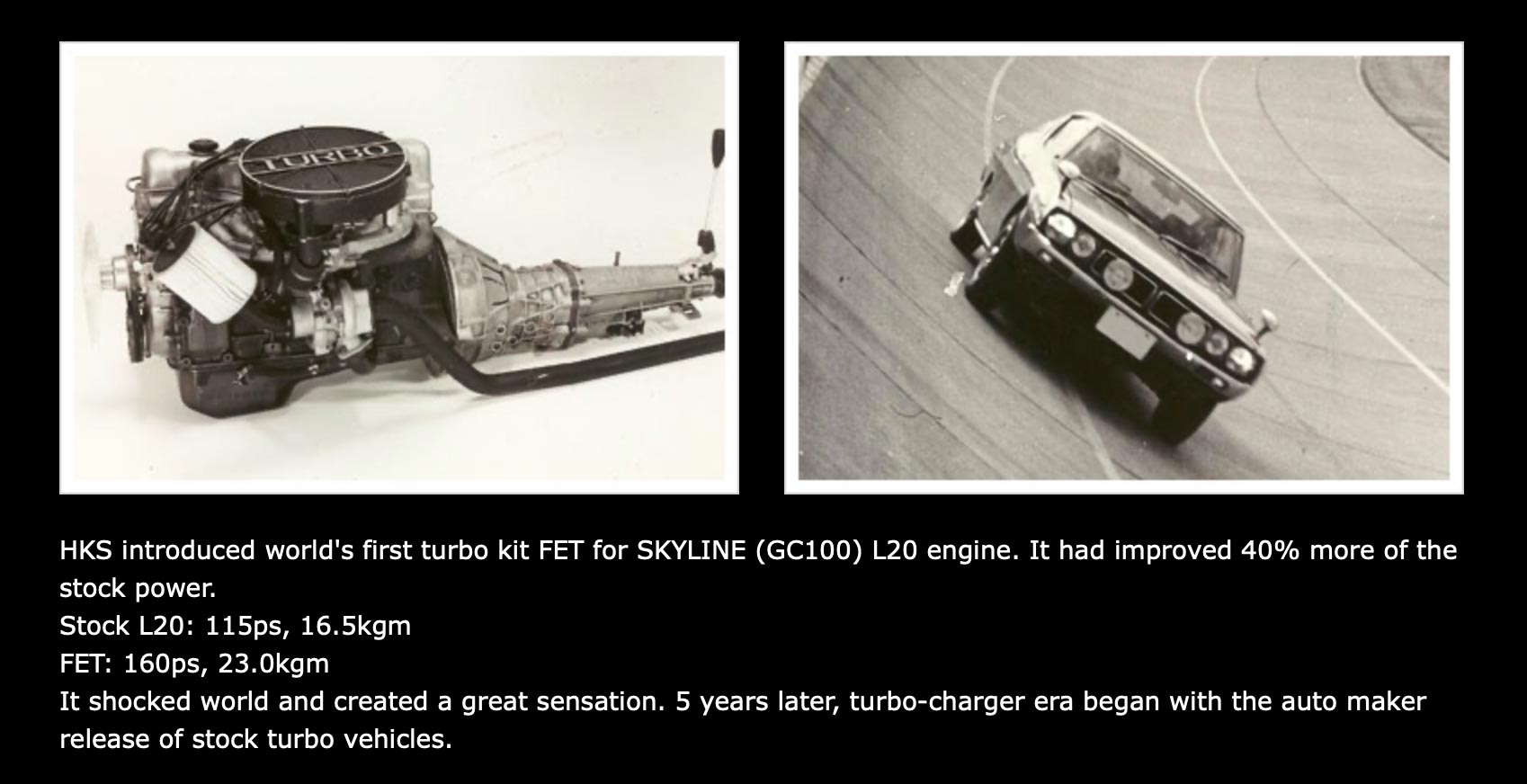
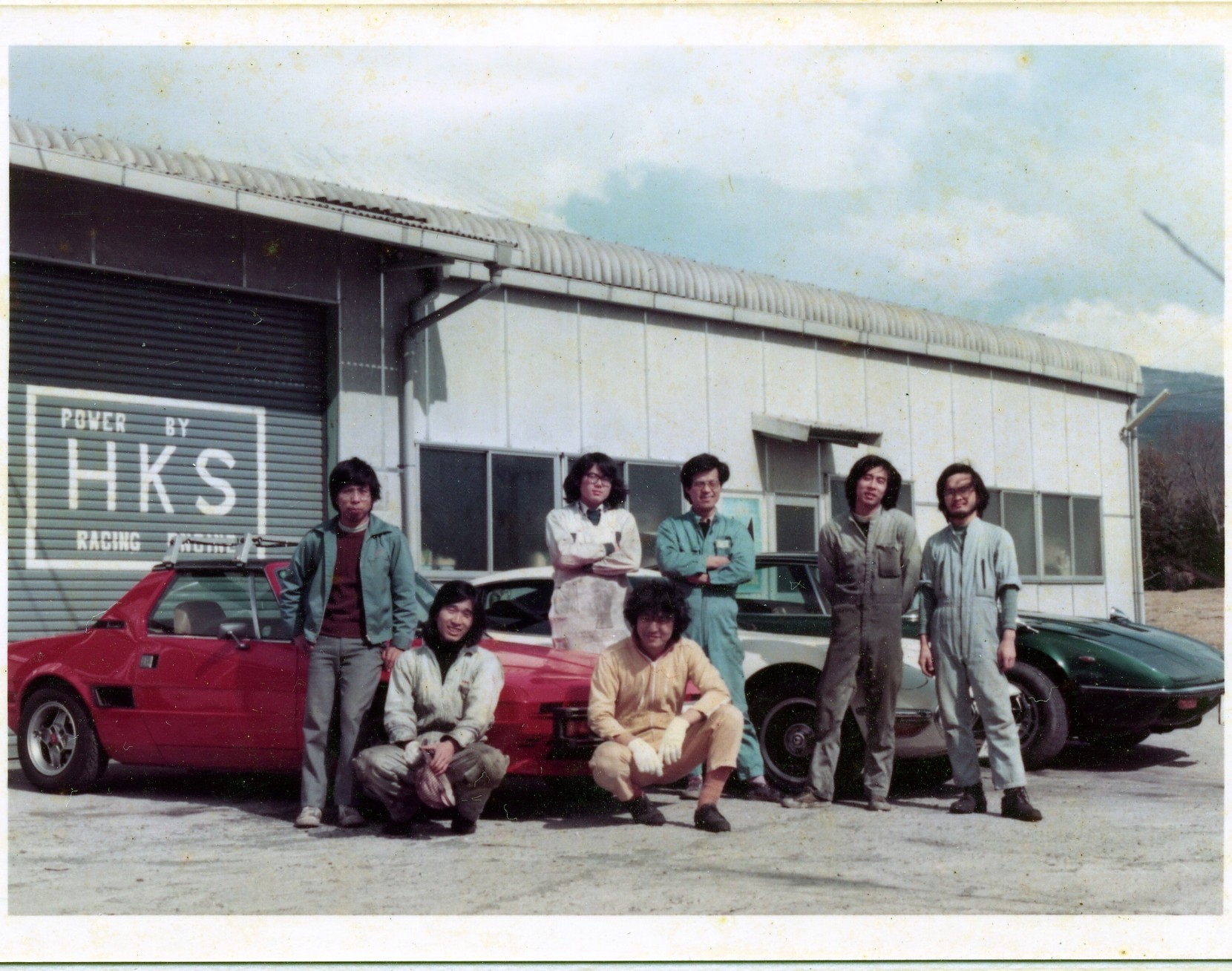
When HKS launched in ’73 at the base of Mount Fuji, it wasn’t just a tuning shop – it was a gamble. At the time, turbos weren’t mainstream. Reliability was not a guarantee. The aftermarket world was full of ideas that worked once… and failed twice. The first HKS turbo kit, for the Skyline L20, got all the headlines. And rightfully so. It proved that power could be engineered, not guessed at. It wasn’t chance, it was good engineering. The result of someone concentrating on the boring stuff… and making sure the process wass repeatable. To put it frankly, Kitagawa wasn’t building hype… he was building trust.
That’s why HKS Didn’t Become Another Forgotten Name…
The aftermarket world is littered with ghosts. Companies that made insane power… once. And brands that blew up engines, along with their reputations. Shops that couldn’t scale past their own hype. HKS didn’t become HKS because it was the fastest. It became HKS because it was reliable & trustworthy. Because someone behind the scenes made sure that what left the shop didn’t just impress — it endured. And that goes back to a simple truth, “The strongest companies aren’t the fastest — they’re the ones that last.” That’s Kitagawa… that’s his fingerprint.
H vs K — Why it Worked…
If you really want to understand HKS, you have to understand the contrast; Hasegawa built the power, and Kitagawa made it sustainable. One pushed the limits. The other made sure the limits didn’t break everything. That balance is rare. And when it exists, it creates something bigger than either person could’ve built alone. Kitagawa’s legacy isn’t loud. It’s something more subtle – and honestly, more important: Trust.
Every time someone bolts-on an HKS turbo. And every time a shop recommends HKS products over something cheaper… that’s him. That’s the work of Kitagawa – someone who understood that building something great isn’t about the moment — it’s about the long haul.
Why Goichi Kitagawa Belongs Here…
This series isn’t just about the loudest names. It’s about the ones who built the culture. And it’s about the ones who made things legendary. Goichi Kitagawa belongs here because he represents something the car world doesn’t always celebrate enough: The structure behind the speed. And the discipline behind the dream. AKA: The reason the whole thing didn’t fall apart. Without Kitagawa, HKS might’ve been a cool story from the ’70s. Instead, it became part of global car culture.


Article by David S. Windsor