


I remember when my dad bought a brand-new 1997 Ford Expedition Eddie Bauer Edition. 2-tone paint, tan leather, and that Eddie Bauer badge that actually meant something back then. It wasn’t flashy – it was earned. And it cost somewhere around $37,000–$38,500. At the time, that felt like serious money. Because it was. A few years later, he did it again with a 2003 Ford Expedition Eddie Bauer. Same formula – same presence. The same kind of vehicle that didn’t need to explain itself.
And then came the third one – a 2007 Ford Expedition. You guessed it – Eddie Bauer once again.. And that one stayed in the family. Not for a couple years. Not until the warranty ran out. Until 2023. It lived a full life: Daily use, road trips, real miles. It did what it was built to do, over & over again. And it didn’t ask for much in return. Now here’s where the conversation usually goes sideways.
Everybody says truck prices got out of control…
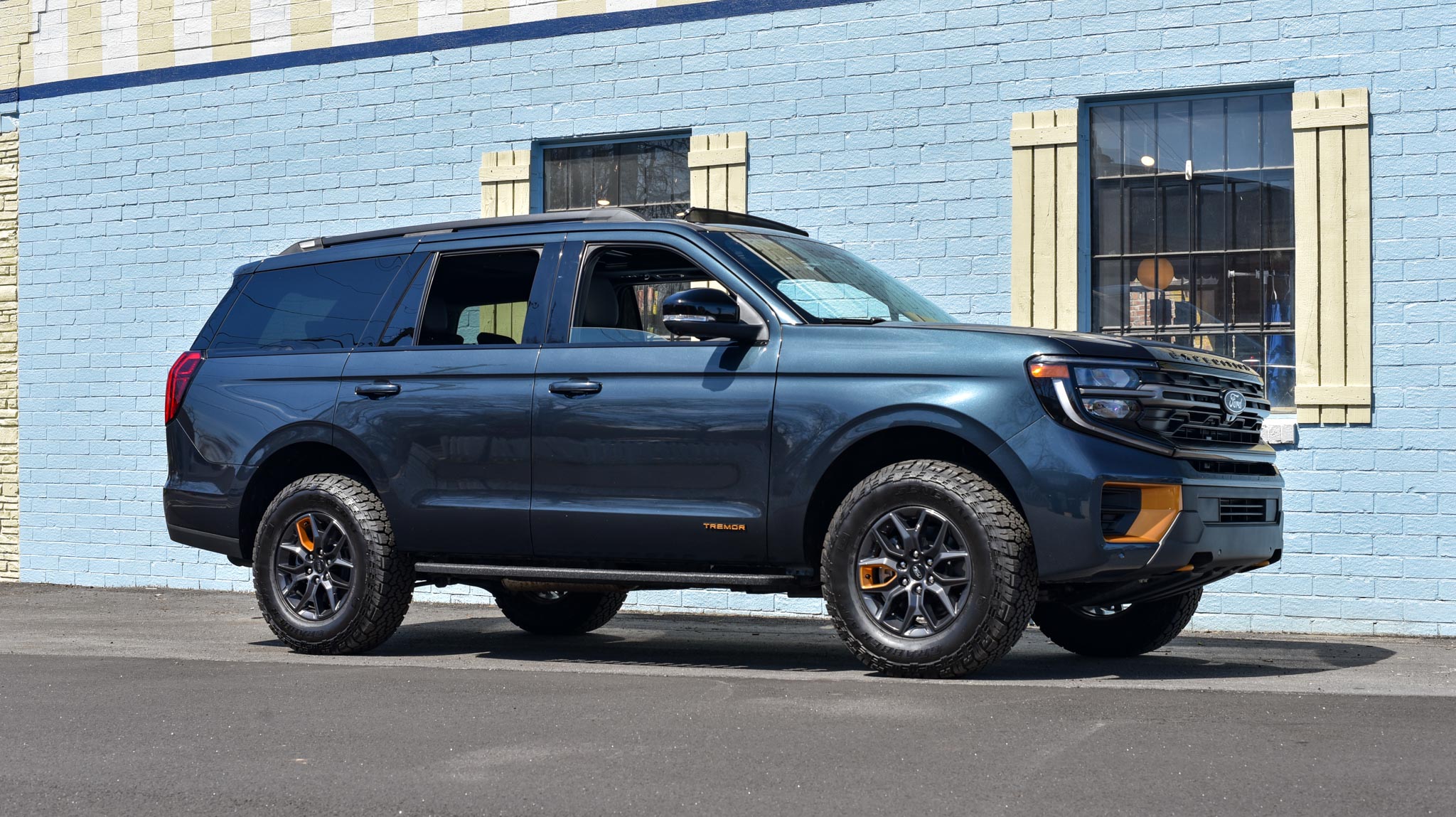
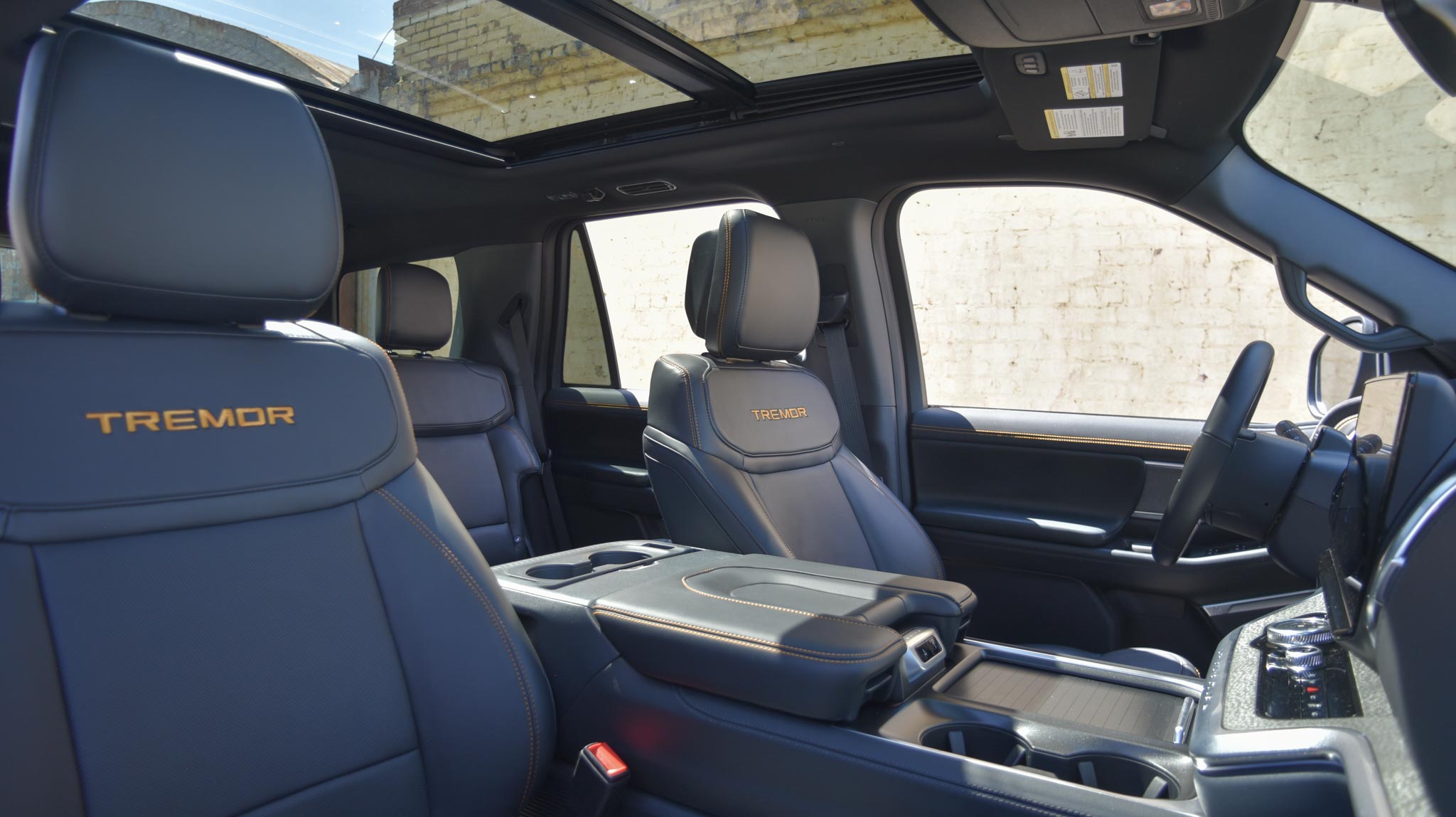
That prices skyrocketed… and something changed. And it does feel that way. But when you actually sit down and run the numbers… the story gets a lot less dramatic… and a lot more uncomfortable. That $38,000 Expedition in 1997? Adjust it to today’s money, and you’re knocking on the door of about $70,000–$75,000 depending on how you calculate it. The 2003 Expedition? Same scenario. And that 2007? Once again… you land right back in the same place when you account for inflation. Right around where a modern 2025 Ford Expedition Limited sits today. That’s not coincidence… that’s a pattern. Meaning, this isn’t a case of trucks suddenly becoming expensive. They’ve been expensive.

But what changed… is everything around them…
Back then, you knew exactly what you were paying for. A V8 that wasn’t trying to be clever. A transmission that did its job without overthinking. And a body-on-frame platform that didn’t pretend to be anything else. It was simple, honest, and built to work. That was the formula for full-size trucks & SUVs.
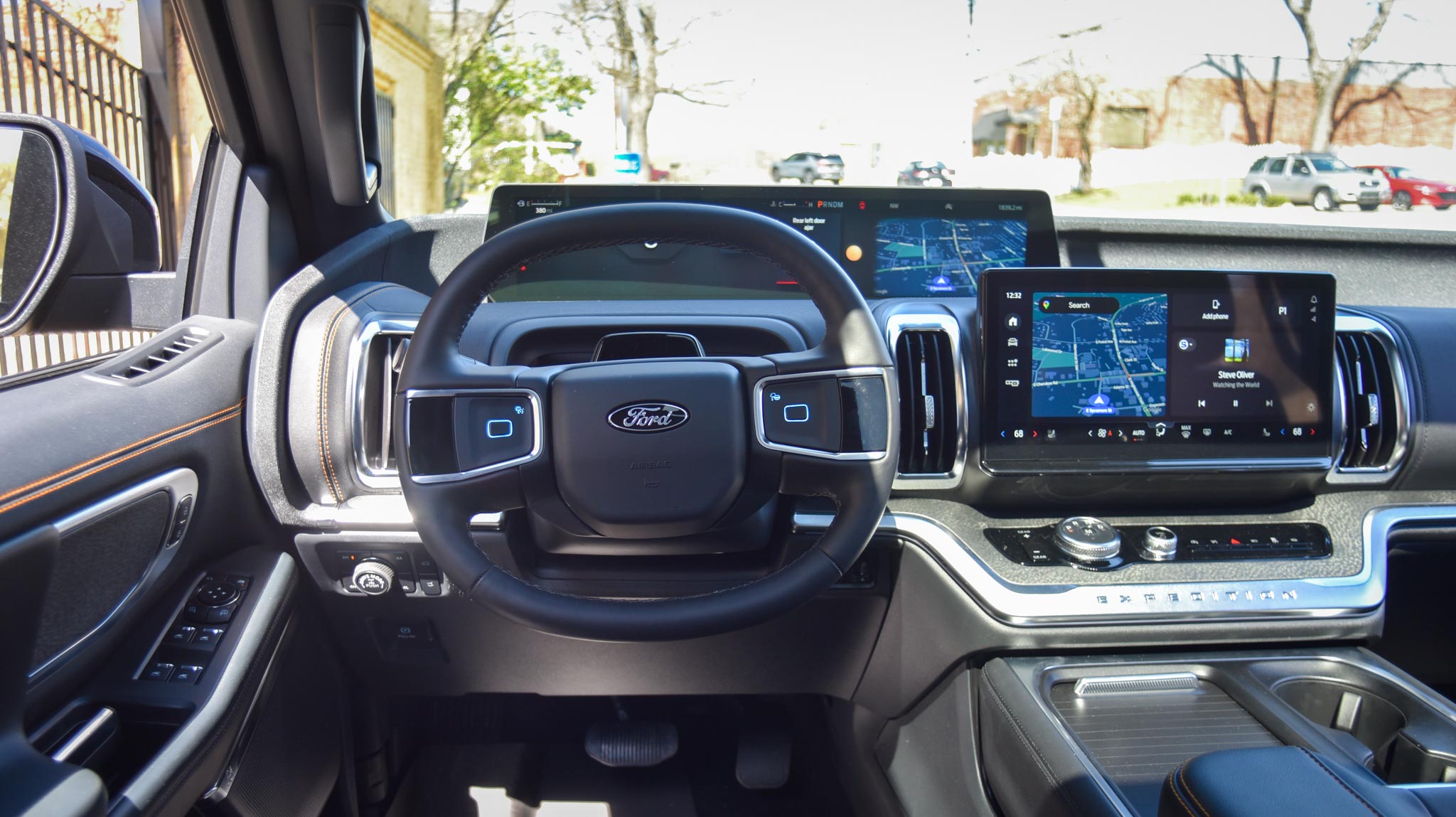
Now? For better or worse – now you’re buying a software-driven machine layered in complexity. Turbocharged engines replaced displacement. 10-speed transmissions co-developed between Ford and GM – that are brilliant when they work right, but frustrating/expensive when they don’t. Systems stacked on top of systems. Cameras, sensors, modules, and software all interacting constantly.
Some of that is genuinely good. Vehicles today are safer & more impressive than they’ve ever been. But they’re also fatter, bulkier, and more complicated than they’ve ever been.

Complexity adds cost… And fail-points…
I’ve lived that firsthand. My 2017 Dodge Durango R/T needed an engine at 116,000 miles. Not because it was neglected, and not because it was abused… but because of cylinder deactivation. You know – that built-in ‘efficiency system’ that’s designed to save fuel?? It slowly & steadily contributed to the failure of the very engine it was supposed to help. This is the trade-off nobody wants to talk about: The auto industry chased efficiency so hard, that we started building engines & components that don’t always survive the long game.
But there’s another component to new truck prices – price manipulation…
Carmakers (and dealerships) have each adopted new strategies to run truck prices upmarket.
Take the Toyota Tacoma…
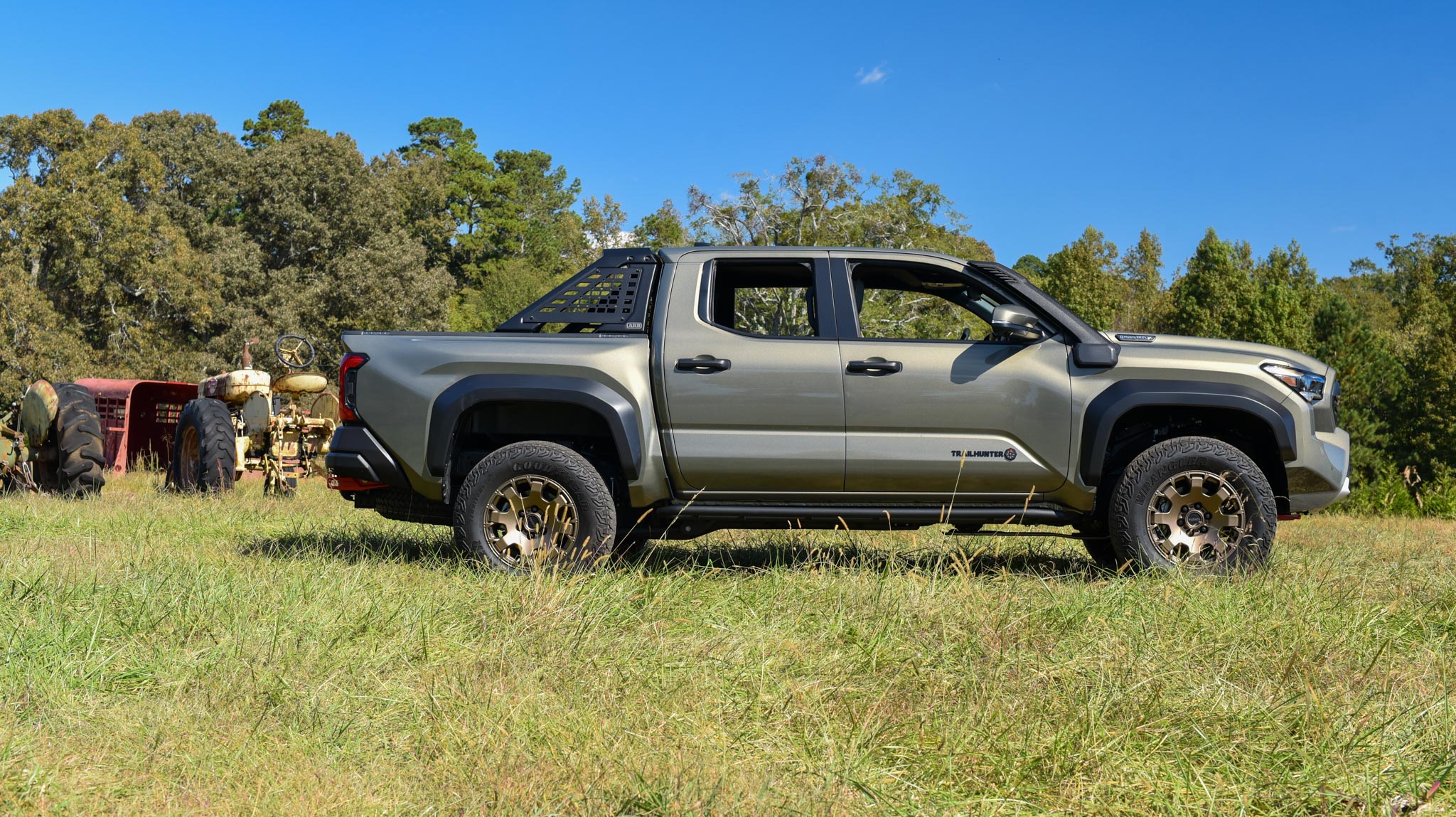
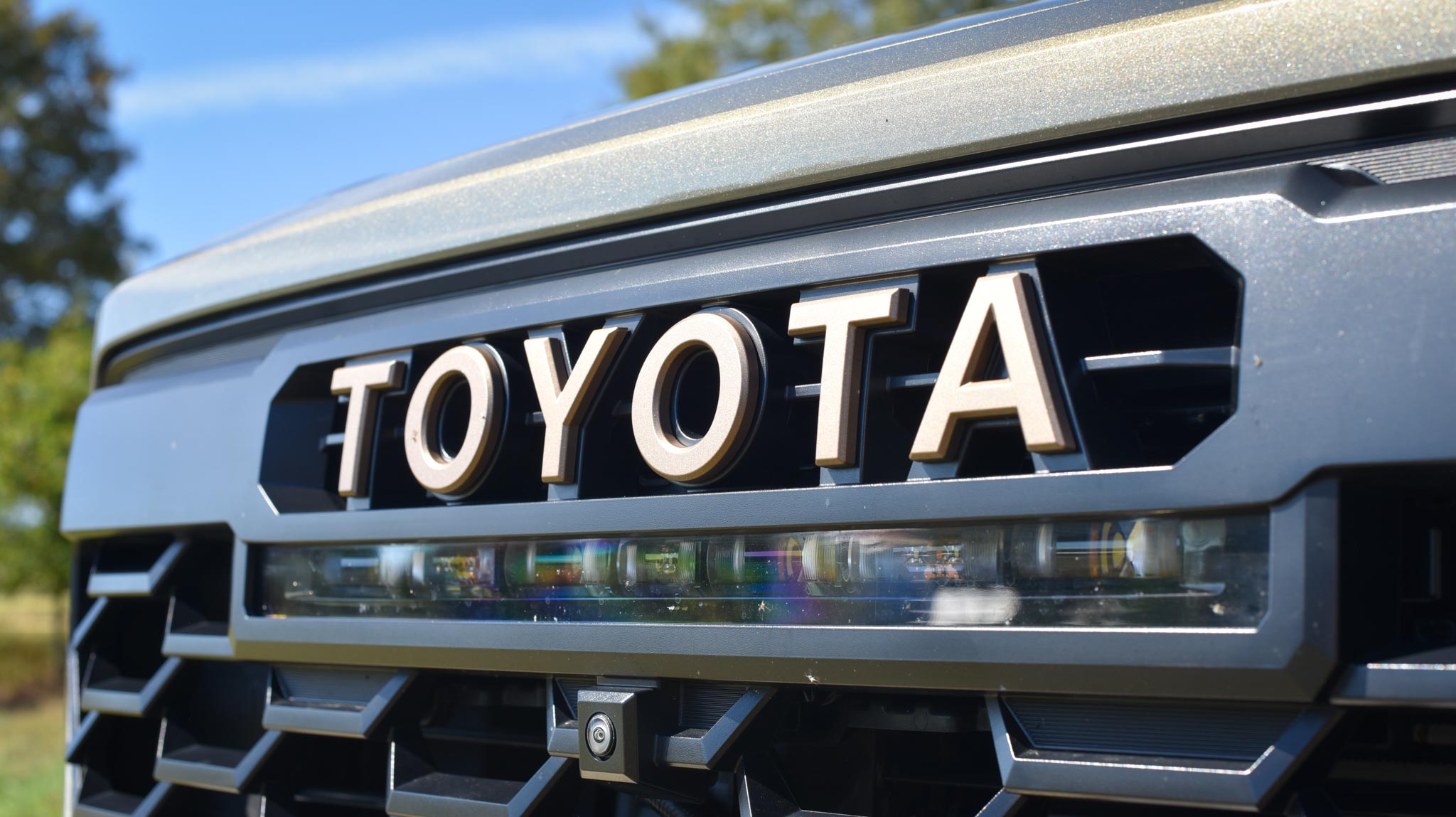
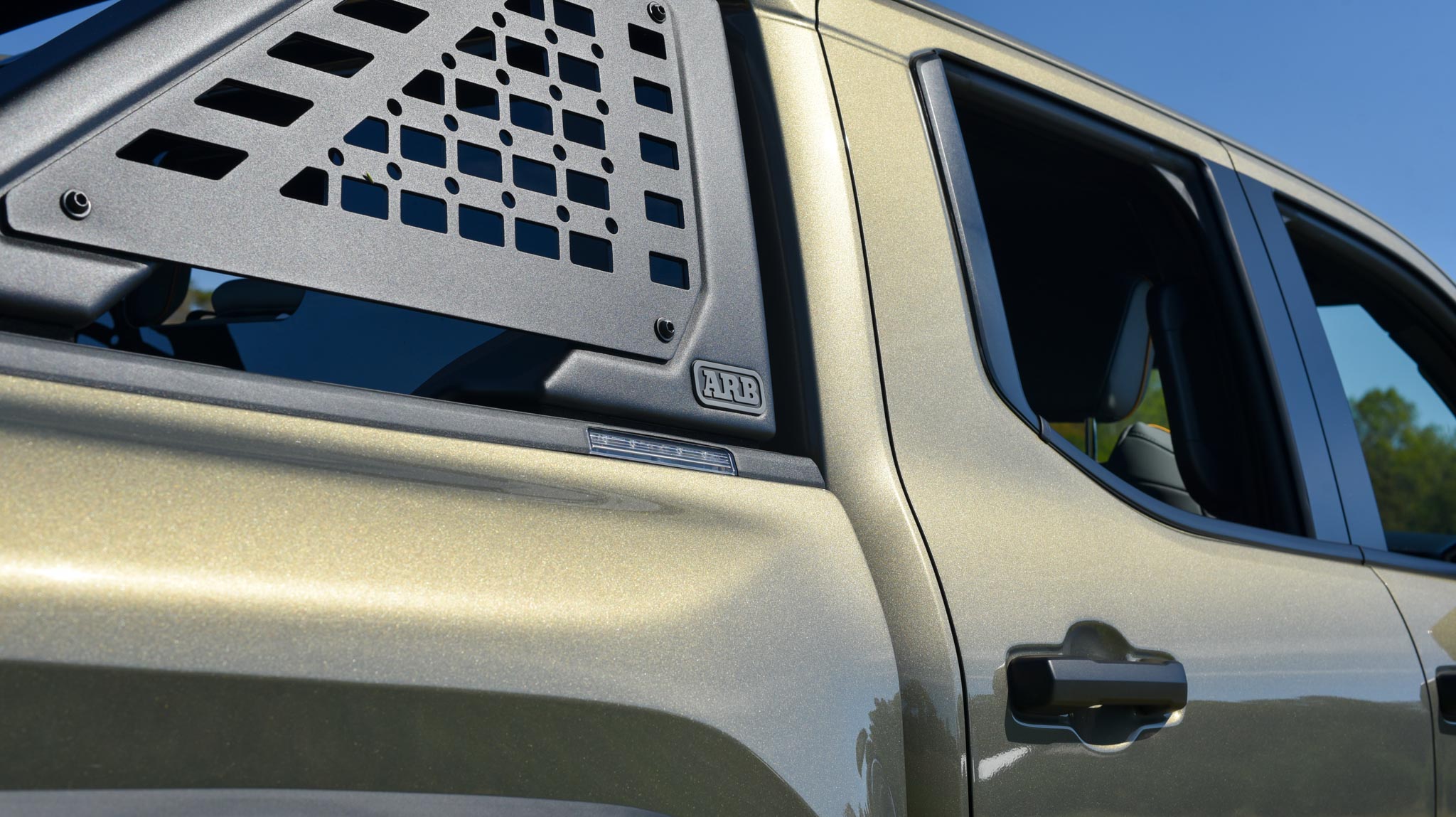
For decades, the Tacoma hovered in a familiar price range, adjusting just enough to keep up appearances. Toyota pickups have always been dependable, proven, and no-nonsense. It’s a truck that holds its value not because it’s cutting-edge, but because it refuses to chase trends. And it’s built on a formula that doesn’t change unless it absolutely has to. However – in recent years, Toyota has capitalized on the trends, and found ways to drive-up pricing while (potentially) muddying the formula just a little bit. The introduction of optioned-out models like the TRD Pro and Trailhunter have driven Tacoma prices up near $70,000… for a midsize truck with a 4-cylinder, turbocharged hybrid.
The Jeep Wrangler…
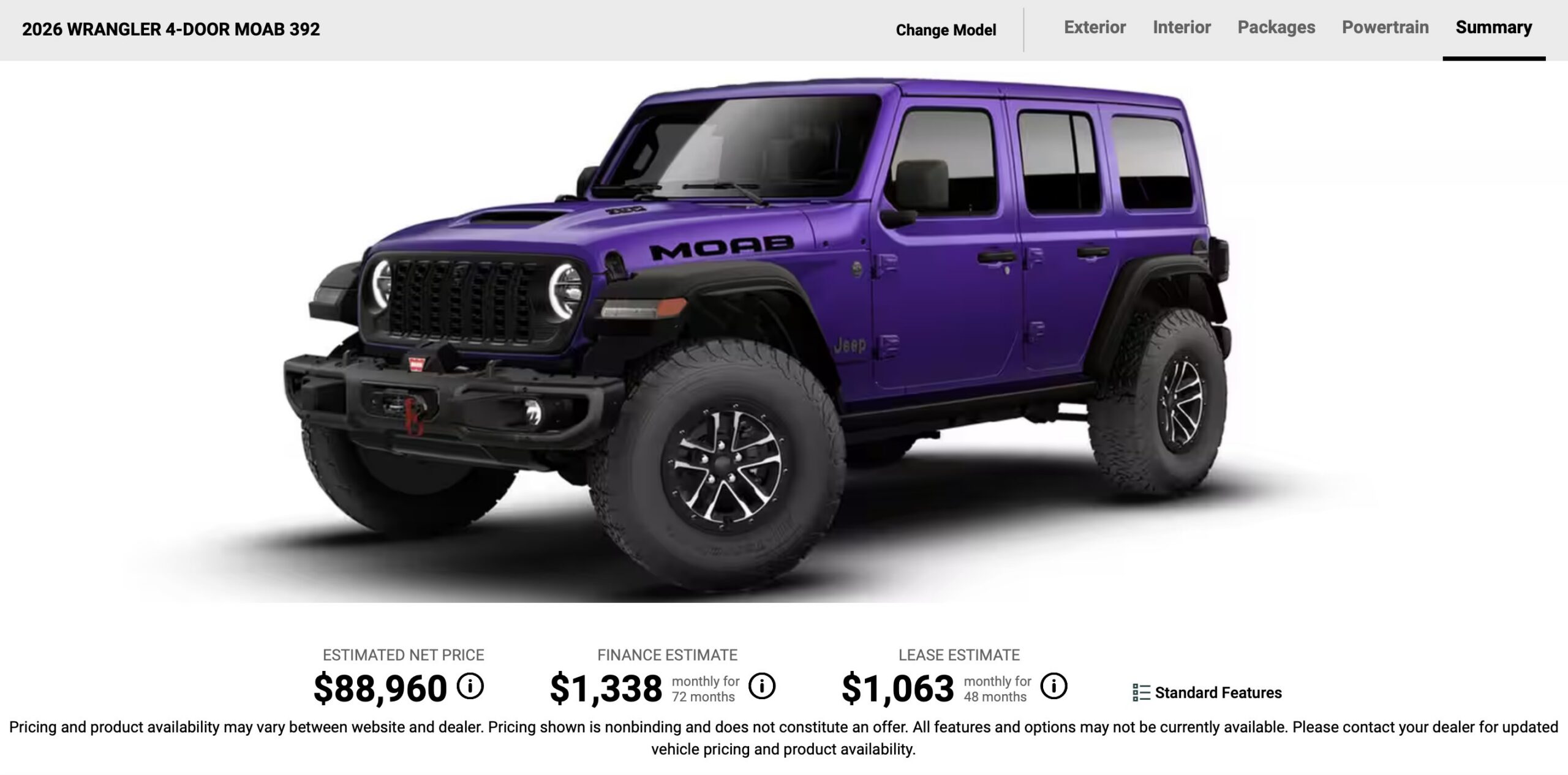
Not long ago, the Jeep Wrangler was America’s analog, good-guy 4×4. With zipper windows. Now, Jeep offers a One-Touch power hardtop for $3,000. And admittedly – it’s a really nice feature! Just like the 392 V8! But they’re examples of how Jeep found ways to run the Wrangler upmarket. Today, if you want to, you can spend almost 100-grand on a new Wrangler.
The performance truck market…
There’s seemingly no ceiling on what people will pay for supertrucks like the Ram TRX, F150 Raptor, and Raptor R. Or any of the luxury-trim trucks for that matter. And while these trucks are incredible machines – no question. When you break the pricing down, you’re paying for image/impact/status just as much as hardware. It’s the same situation for vehicles like the Mercedes-Benz G-Class, where the price has climbed so far beyond its original purpose, that it’s no longer about capability – it’s about affluence & tax write-offs.

And then there’s another category entirely – the vehicles that exist almost in spite of their sales numbers…
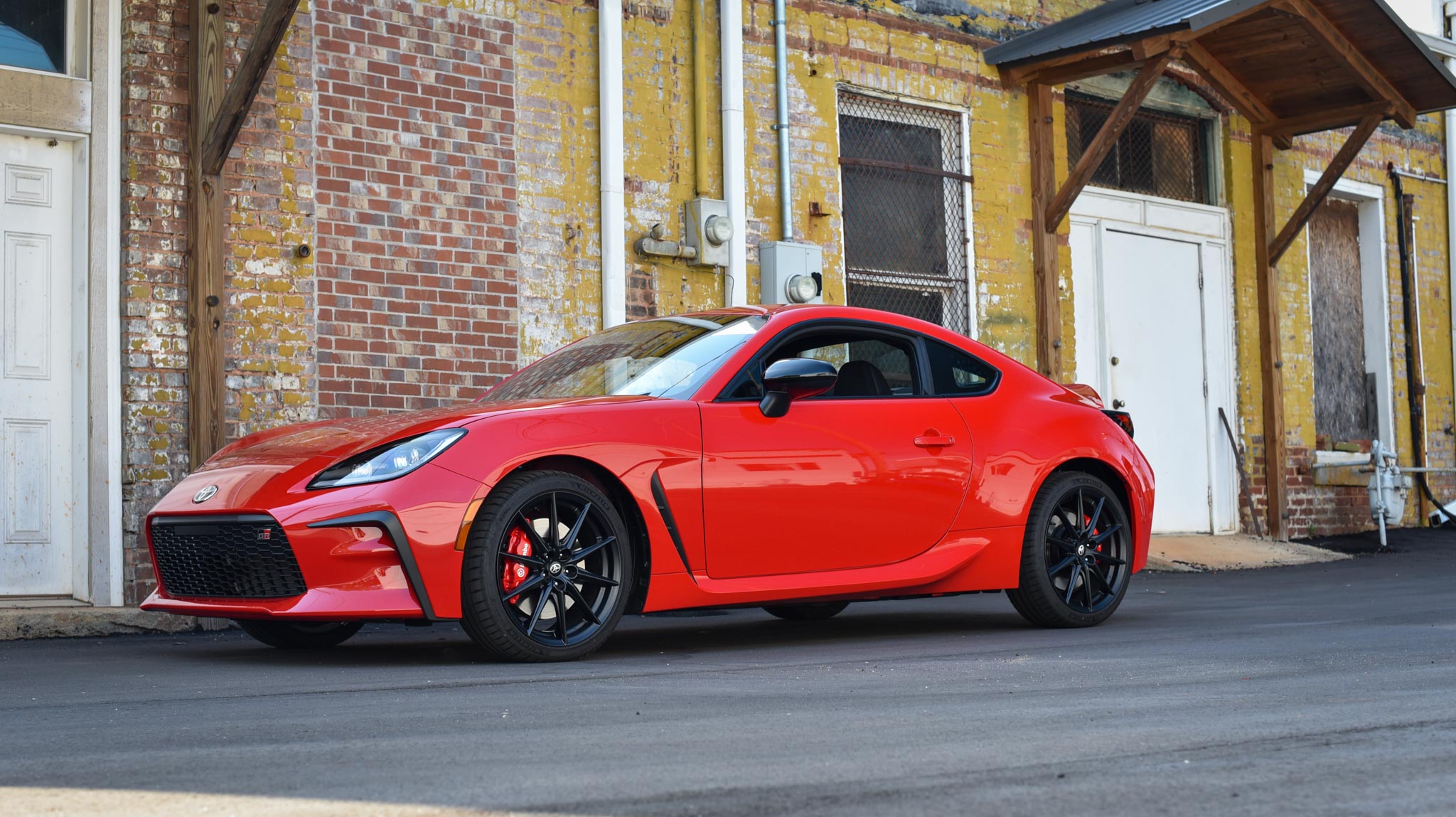
Cars like the Toyota GR86, or its twin, the Subaru BRZ. They’re lightweight, rear-wheel drive, hardcore driver-focused… and priced in a way that makes you wonder how much money is actually being made on each one. The answer? Not much probably. Maybe none. Most everything is 0ne-off on these sports cars. It’s not like the TRX or Raptor, where parts are shared with the mega-mass-produced RAMs & F150 pickups. Nevertheless, the 86 & BRZ exist because they matter. Because they keep the enthusiast fanbase engaged. And because they give a brand credibility that goes beyond profit margins.
It’s the same story with the Mazda MX-5 Miata. The Miata is not a high-profit vehicle. And it’s not a volume monster. But it fills a niche that refuses to die: A pure, connective, timeless driving experience that reminds people why they fell in love with cars in the first place.

The Point is: ALL these layers are happening at once in today’s car market…
1) Some vehicles followed inflation & chased trends, and got more advanced. 2) Others ran upmarket, creating huge pricing-spreads between the entry models and the optioned-out models. 3) Some vehicles’ pricing is driven more by emotion/identity than production cost. And 4) There are a few passion vehicles that are low production & barely make money – but exist because they define the heart of the brand. And finally, sitting on top of all that – is a shift in how vehicles are sold in the modern market.
The auto industry stopped focusing on total cost – and shifted to monthly payments…
Modern consumers have been trained to think this way. And once that shift started happening in consumers’ minds, everything else ensued. Higher trims became the norm, so long as the monthly payment was somewhat manageable (even if it had to be stretched-out another year or two). Vehicles shot upmarket. Base models thinned-out dealership lots. And on the manufacturing end, features that used to be optional – became standard. Not because you demanded them, but because they justify the price.
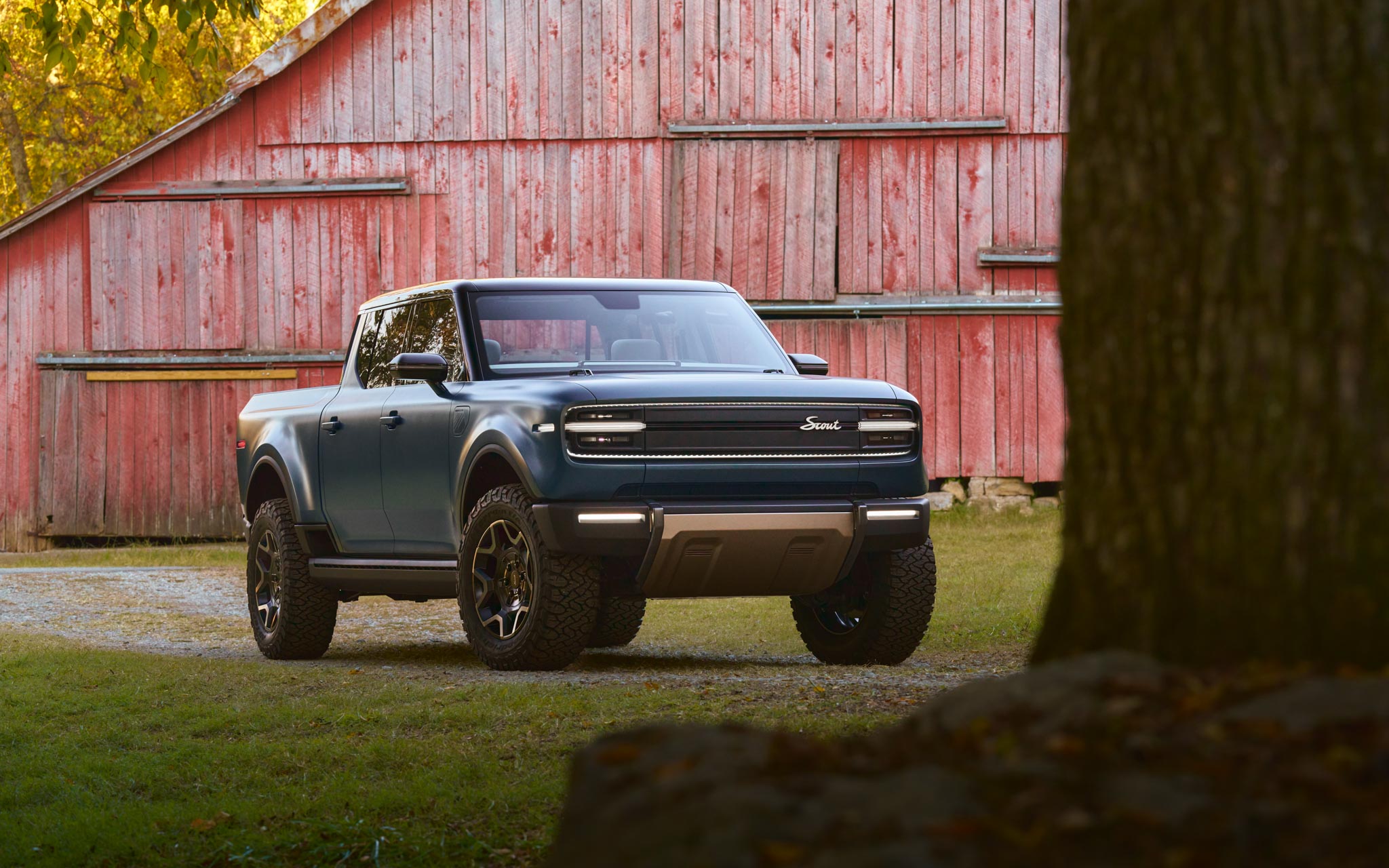
So when you’re standing there, looking at a $80,000 SUV…
The question isn’t really why it costs that much. It’s whether it’s honest. Whether the engineering, the materials, and the long-term durability actually match that number. Or – whether you’re looking at a price built around image… & what the market will tolerate. Bottom Line: Is there value in it? Or is it a trap? The truth is, some vehicles today are worth every bit of what they cost. While many others are held together by over-complexity, cost-cutting, planned obsolescence, and a dazzling screen. From the outside… they can all look very similar.
I think about those Expeditions my dad brought home. The ’97. The ’03. And the ’07. Yeah, they were expensive – no doubt. But they never felt like a gamble or a gimmick. They felt like something you could depend on. Something you could keep… something real. It was a straightforward simplicity & honesty that made sense.
Today?
I’ve owned vehicles that cost more and promised more… and still left me questioning them before 120,000 miles. I’ve lived the downside of all this “progress.” And that’s what makes this whole conversation different. Because back then, you paid a lot – but you seemingly got your money’s worth. No tricks. Today – the monthly notes are higher, the loans are longer, and you’re not always getting the same return.
Article by David S. Windsor