
While most of us obsess over maintenance schedules, aftermarket upgrades, or fuel economy, there’s a silent partner in the total cost of car ownership… insurance. Your coverage quietly shapes how affordable your dream ride really is. So, let’s pop the hood and take a look at how it factors into your
budget.
PICKING THE RIGHT POLICY…
Insurance isn’t just about being legally covered and paying for repairs after a crash. Depending on your
car and your needs, you may want coverage that extends beyond the legally-required basic liability to
include comprehensive and collision protection… as well as more niche add-ons such as agreed-value
coverage for classics, modified-vehicle cover, or track-day insurance.
The key is matching the policy to how the car is actually used. A weekend cruiser, garage-kept classic, or lightly modified project doesn’t need the same coverage as a daily-driven commuter. Fortunately, with a bit of research and comparison shopping, you can find affordable car insurance that protects your prized ride while still giving you peace of mind.
LOCATION, LOCATION, LOCATION…
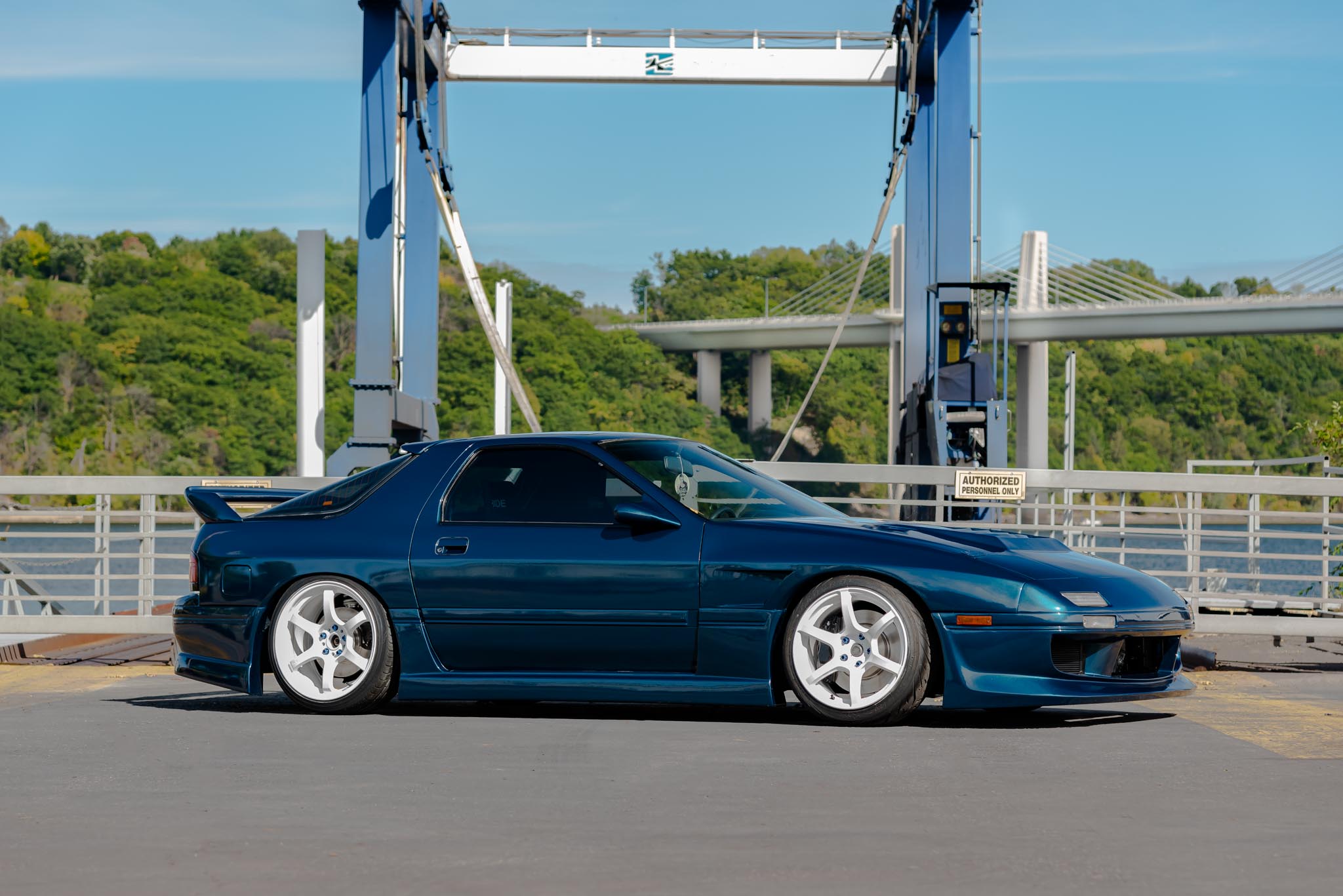
Your zip code can dramatically affect how much you’ll pay to insure your car. A cult-classic like the Mazda RX-7 might cost considerably more to insure in a city with high traffic and theft rates than in a
quieter suburban area.
Insurers crunch the numbers on accident likelihood, crime rates, and traffic density… so two identical
vehicles can carry wildly different premiums depending solely on where they’re garaged. If you’re moving across cities or states or considering a track-day-heavy lifestyle, it’s worth checking local
insurance implications before buying a car.
VEHICLE CHOICE MATTERS MORE THAN YOU THINK…
You might be focusing on horsepower, handling, and aftermarket potential… but your insurer is focusing
on risk. That means some cars come with steep premiums.
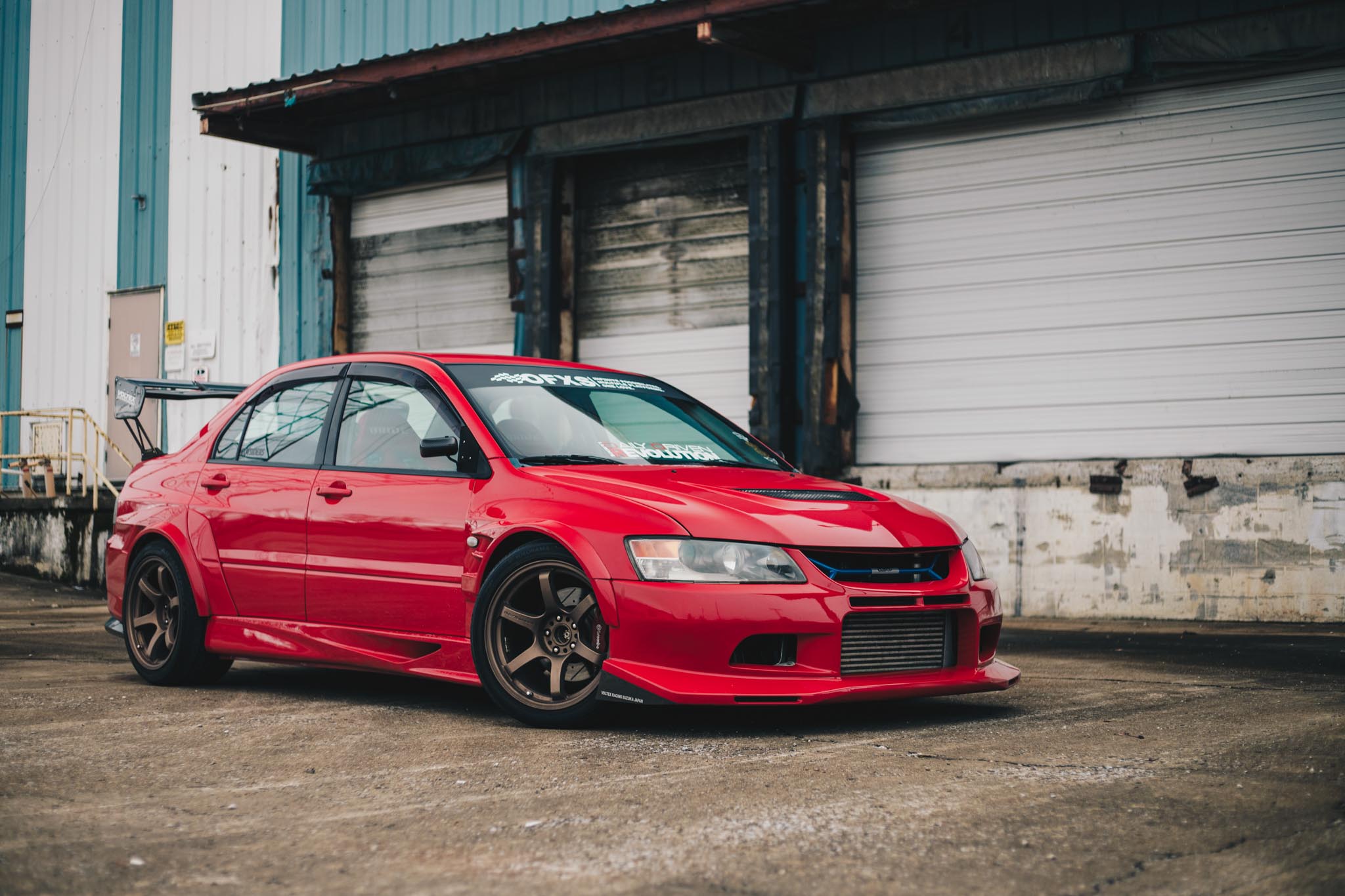
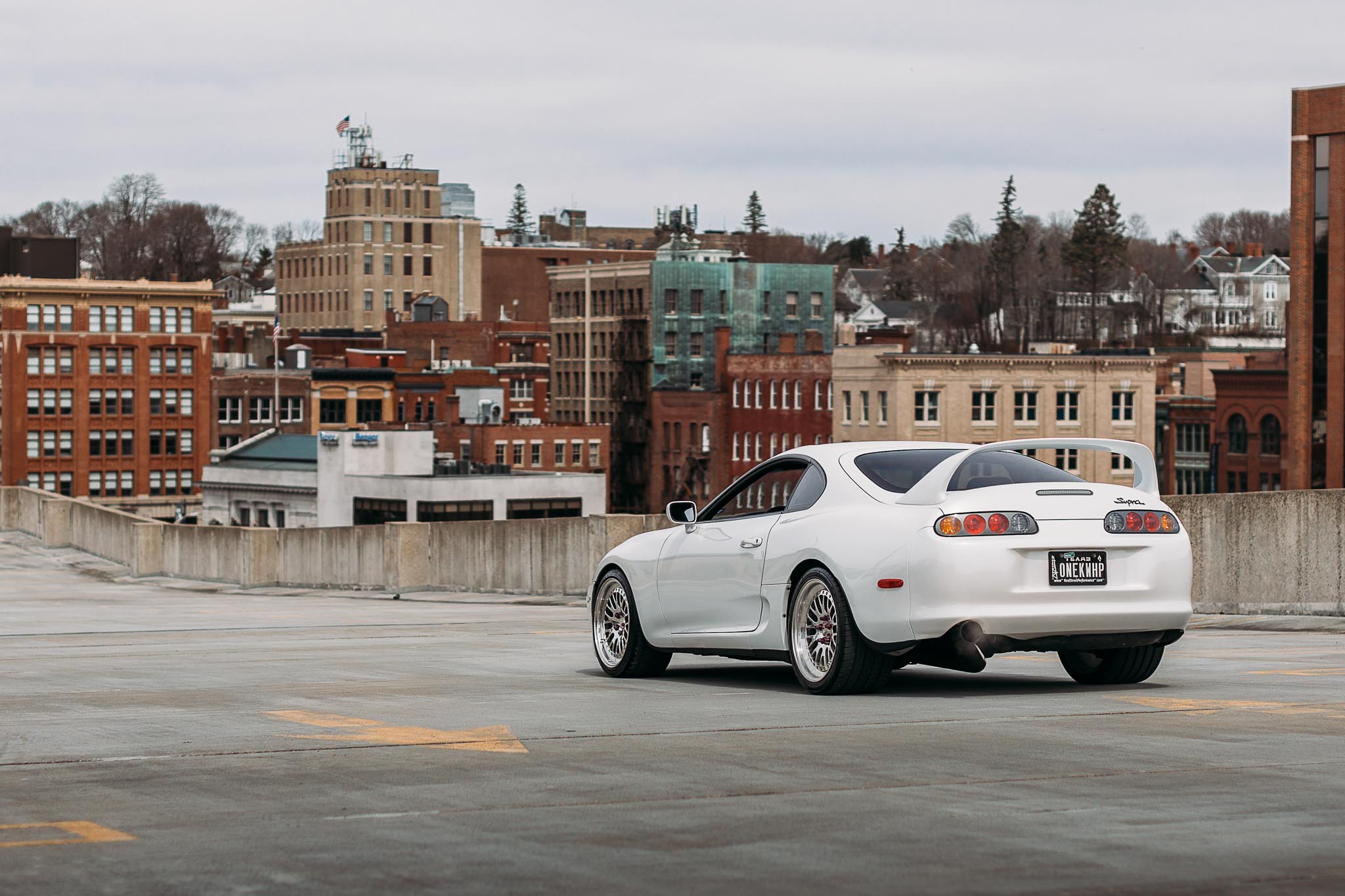
Take the Mitsubishi Lancer Evolution IX or the Toyota Supra Mk4. Both have high-performance,
turbocharged engines and a reputation for spirited driving, making insurers see dollar signs in potential
claims. Even classics aren’t automatically cheap: Rare parts and high replacement costs can push up
premiums significantly.
On the flip side, certain cars are considered “safe” or “low-risk” by insurers. Non-modified sedans,
hatchbacks, or cars with excellent safety records might cost less to cover, even if they lack the cachet of
a rare JDM import.
A QUESTION OF MODS…
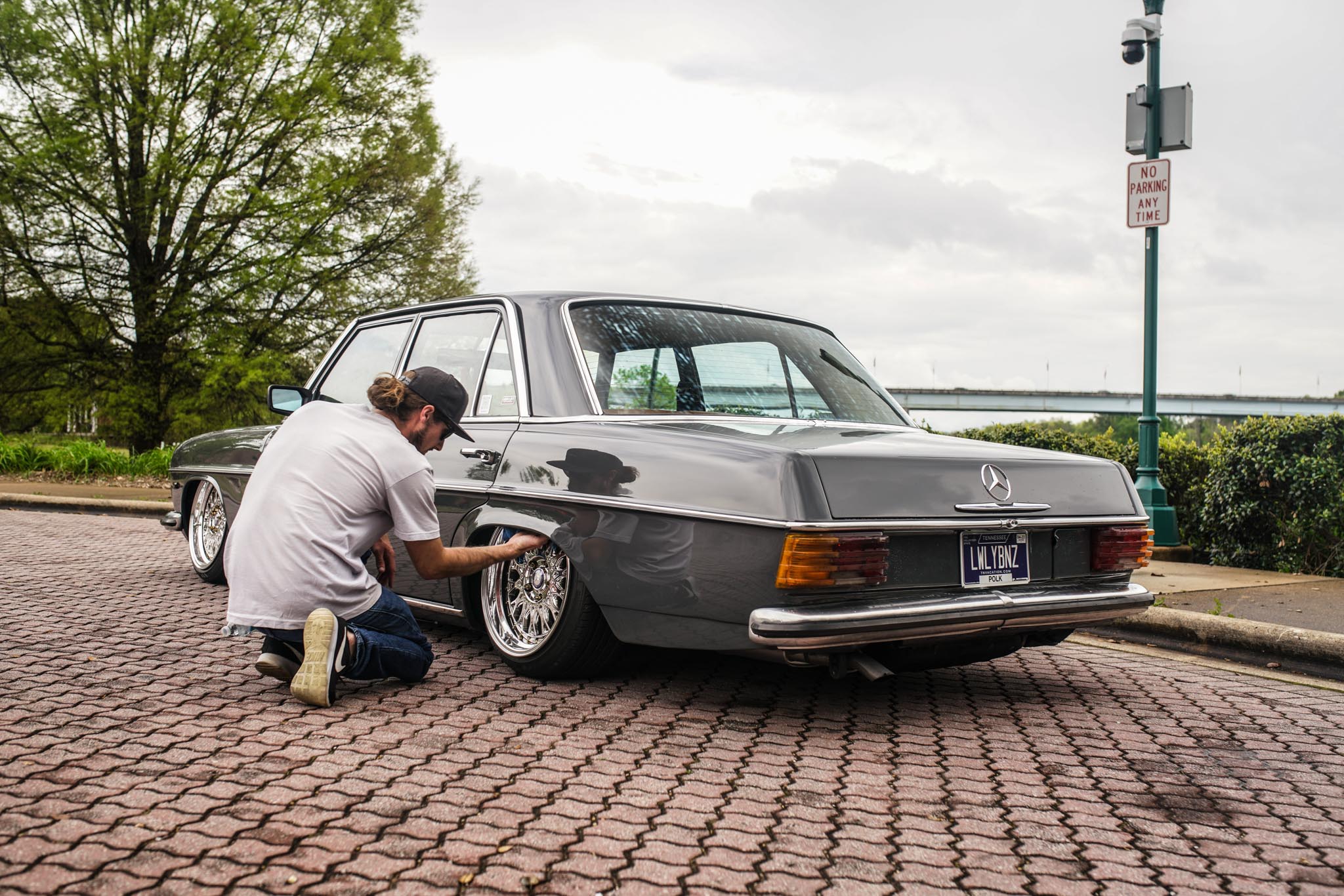
Coilovers, turbo kits, aftermarket exhausts, and cosmetic touches are all part of the fun, but insurers
notice them too. Any modification that increases your car’s value or performance can also increase the
cost of coverage.
Some policies require you to list every mod, while others won’t cover damages to aftermarket parts at
all. If you’re about to invest in a highly customized car, talk to your insurance providers before dropping
big money on modifications. Not disclosing them can lead to claims being denied if something goes
wrong, turning a minor fender bender into a financial nightmare.
AGE AND DRIVING EXPERIENCE COUNT…
Younger drivers tend to face higher premiums simply because statistics show they’re more likely to be
involved in accidents, regardless of how well they think they can drive.
Conversely, experienced drivers with clean records usually benefit from lower premiums. Time behind
the wheel, a history of no or few claims, and steady insurance coverage all work in your favor.
For older enthusiasts, this can make owning a car far more affordable, especially when paired with
specialty or agreed-value policies that reward responsible, limited-use driving rather than daily chaos on
the commute.
USAGE PATTERNS INFLUENCE COVERAGE…
It’s not just the car itself; how you use it matters too. If your daily commute is short and mostly freeway, your insurance costs might be lower than those of someone using the same car for aggressive urban
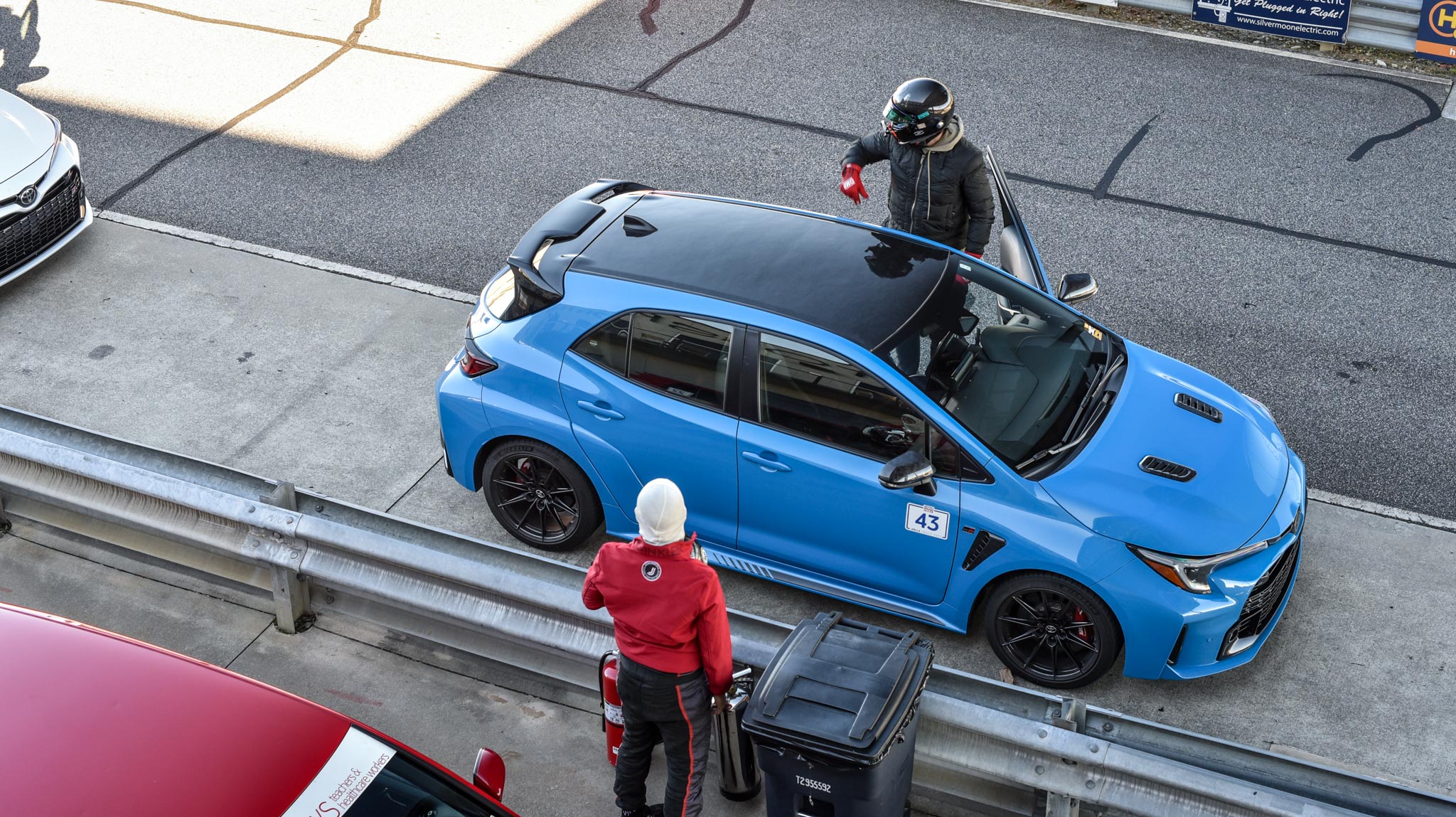
driving. Track days are another factor, as not all standard policies cover track usage, meaning you may
need separate coverage for those high-adrenaline weekends.
Interestingly, some insurers now offer telematics or black-box policies in which your driving behavior
directly affects your premium. This means careful, consistent driving can pay dividends in safety and in
actual cost savings.
CLASSIC CARS AND AGREED VALUE POLICIES…
For collectors and restorers, insurance can be particularly nuanced. Classic or vintage cars often require
agreed value policies. Unlike standard replacement coverage, these policies predefine your car’s value,
ensuring that if it’s totaled, you receive the full agreed amount rather than the depreciated market
value.
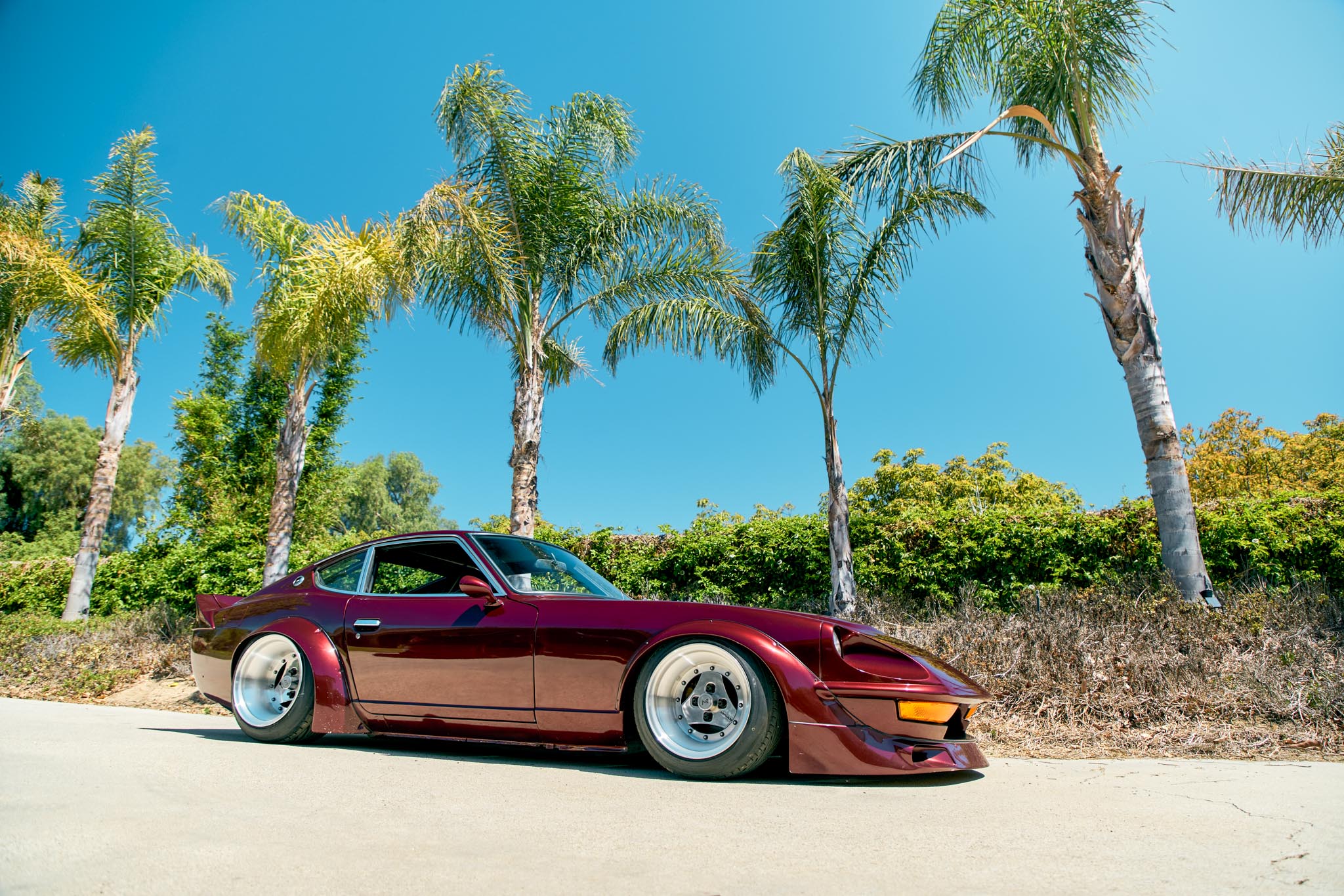
This is crucial for rare finds – think early Datsun 240Zs or a Shelby Mustang. Without the right policy, even minor damage could lead to high out-of-pocket costs. Agreed value coverage is one of the ways
insurance impacts the risk and the total financial picture of owning a collectible car.
AN ESSENTIAL PART OF YOUR TOTAL COST OF OWNERSHIP…
When you calculate how much your car really costs, it’s easy to focus on upfront expenses like the
purchase price, taxes, registration, and aftermarket upgrades. But insurance is an ongoing cost that can
quickly rival or exceed other recurring expenses.
While it’s not the most glamorous part of car ownership, it’s one of the most practical. And
understanding it ensures you have the right coverage for your needs, without leaving too much of a dent in
your pocket.